
智能手机

Search documents
LG手机,卒
36氪· 2025-07-08 00:04
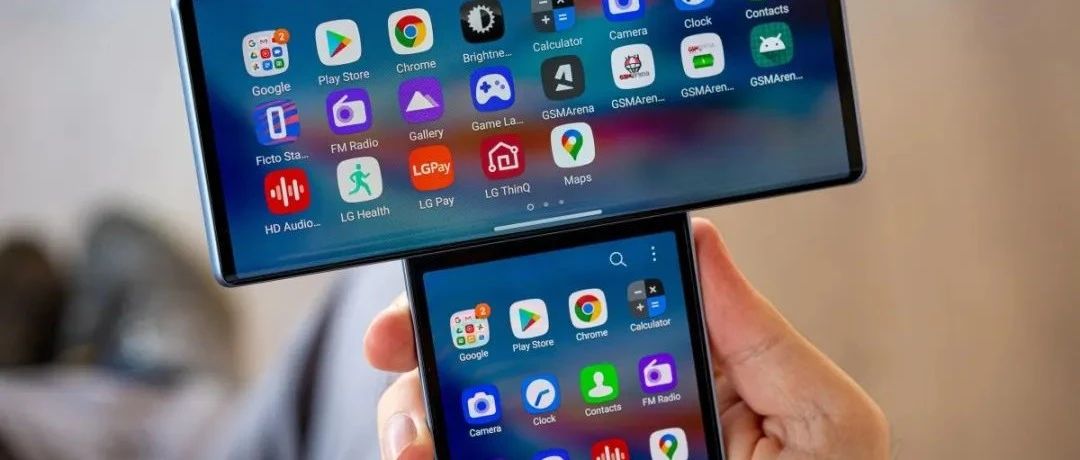
Core Viewpoint - LG Electronics has officially exited the mobile phone industry, marking the end of its presence in a market where it once ranked third globally in smartphone sales [4][13]. Group 1: Historical Context - LG's rise began with the launch of the Chocolate phone in 2005, which became a significant success in the market [6]. - The company made critical missteps in the smartphone era by initially choosing to develop its own operating systems, OMS and Windows Phone, instead of adopting Android sooner [6][15]. - By 2013, LG reached its peak, ranking third in global smartphone sales, but soon faced competition from brands like Lenovo and Huawei [8]. Group 2: Financial Performance - Starting from Q2 2015, LG's mobile division reported losses every quarter, accumulating a total loss of approximately 5 trillion KRW (around 26.45 billion RMB) by Q4 2020 [9]. - Despite attempts to innovate with unique products like the LG Wing, the company struggled to regain market share and profitability [12][19]. Group 3: Market Strategy and Competition - LG's decision to exit the Chinese market in 2018 did not help its position in North America and Europe, where it continued to lose ground to competitors like Apple and Samsung [11][20]. - The company's marketing strategies were ineffective compared to rivals, failing to resonate with consumers and lacking visibility [19]. Group 4: Lessons Learned - LG's decline illustrates the consequences of failing to adapt to market changes and consumer demands, as well as the importance of cohesive internal strategy [21][24]. - The case of LG serves as a cautionary tale for other companies in the tech industry, emphasizing the need for humility and responsiveness to market trends [24][26].

机构:预期2Q25前十大晶圆代工厂营收呈现季增
news flash· 2025-06-09 07:05
机构:预期2Q25前十大晶圆代工厂营收呈现季增 金十数据6月9日讯,根据TrendForce集邦咨询最新调查,2025年第一季,全球晶圆代工产业受国际形势 变化影响而提前备货,部分业者接获客户急单,加上中国延续2024年推出的旧换新补贴政策,抵消部分 淡季冲击,整体产业营收季减约5.4%,收敛至364亿美元。展望第二季营收表现,整体动能逐步放缓, 唯中国旧换新的补贴政策拉货潮有望延续,加上下半年智能手机新品上市前备货陆续启动,以及AIHPC 需求稳定,将成为带动第二季产能利用率和出货的关键,预期前十大晶圆代工厂营收将呈现季增。 ...
诺基亚坟墓里,埋着半套战胜美国的密码本
36氪· 2025-05-11 13:43
Core Viewpoint - The article discusses the rise and fall of Nokia, highlighting how it once dominated the mobile phone market but ultimately succumbed to competition from Apple and other tech giants, illustrating the broader narrative of Europe's struggle in the tech industry against the U.S. [3][10][80] Group 1: Historical Context - Nokia's transformation from a rubber factory to a tech giant took just ten years, showcasing its early strategic advantages in global supply chains and technology [9][10]. - The launch of the iPhone in 2007 marked a pivotal moment, as Nokia recognized the threat posed by Apple's innovative approach to mobile technology [4][5]. Group 2: Leadership and Strategy - Jorma Ollila, Nokia's third-generation leader, took over during a time of crisis and successfully led the company to capture 40% of the global mobile market by focusing on innovation and strategic investments [15][46]. - The leadership styles of Nokia's first two leaders, Björn Westerlund and Kari Kairamo, shaped the company's culture and strategic direction, with Kairamo pushing for a more open and innovative environment [44][30]. Group 3: Technological Advancements - Nokia was instrumental in the development of the GSM standard, which became the dominant mobile communication technology in Europe, allowing it to lead the market in the 1990s [49][50]. - The introduction of the Nokia 1011, the world's first GSM phone, marked a significant milestone, leading to widespread adoption and establishing Nokia as a household name [54][56]. Group 4: Competitive Landscape - The competition between Nokia and Apple represents a shift in the tech landscape, where design and user experience became critical factors for success, contrasting with Nokia's earlier focus on hardware [8][64]. - Nokia's failure to adapt to the smartphone revolution and its reliance on the outdated Symbian OS led to a rapid decline in market share as competitors like Apple and Android gained traction [68][74]. Group 5: Lessons and Implications - The rise and fall of Nokia serve as a cautionary tale for companies about the importance of innovation, adaptability, and understanding market dynamics [80][82]. - The article emphasizes the need for companies to maintain strong relationships with allies, users, and developers to sustain competitive advantages in rapidly changing industries [77][82].


又一国产老牌手机在出局边缘 ,曾是很多人的第一部手机
猿大侠· 2025-05-11 05:30
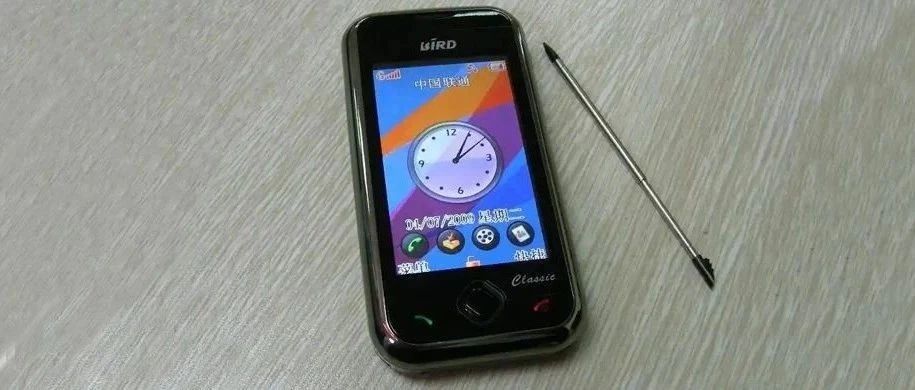
Core Viewpoint - The article discusses the rise and fall of the Chinese mobile phone company, Bodao, highlighting its historical significance in the mobile phone industry and the challenges it currently faces, including financial losses and the risk of delisting from the stock exchange due to poor performance [1][9][8]. Financial Performance - In 2024, Bodao reported an operating revenue of 361 million yuan, a decrease of 13.62% compared to the previous year [2]. - After excluding non-core business income, the actual revenue was only 285 million yuan [3]. - The net profit for 2024 was 5.11 million yuan, a significant decline of 63.37% year-on-year [3]. - The adjusted net profit, excluding non-recurring gains and losses, was -13.98 million yuan, marking two consecutive years of losses [3]. Delisting Risk - The financial indicators, particularly the negative adjusted net profit, triggered a delisting risk warning under the Shanghai Stock Exchange rules [8]. - If Bodao continues to report less than 100 million yuan in operating revenue or negative net profits for two consecutive years, it may face delisting [8]. Historical Context - Bodao, founded in 1992, was one of the earliest listed mobile phone companies in China, achieving significant success in the early 2000s with sales exceeding 10 million units [11][12]. - The company relied heavily on partnerships for technology and production, which ultimately hindered its ability to innovate independently [15][18]. - Marketing expenditures were prioritized over research and development, with only 3% of revenue allocated to R&D compared to 10% for advertising [16][17]. Industry Impact - The rise of smartphones, particularly after the launch of the iPhone in 2007, marked a turning point for Bodao, which failed to adapt to the changing market dynamics [18][19]. - The company's decline serves as a cautionary tale for other mobile manufacturers about the importance of core technology and innovation [22].

慧智微(688512):业绩扭亏 毛利率持续向好
Xin Lang Cai Jing· 2025-04-29 02:40
Core Viewpoint - The company reported a revenue of 524 million yuan in 2024, a year-over-year decrease of 5.08%, and a net profit of -438 million yuan, a year-over-year decrease of 7.32%, which aligns with previous forecasts [1] - In Q1 2025, the company achieved a revenue of 137 million yuan, a year-over-year increase of 30.63%, and a net profit of 4 million yuan, a year-over-year increase of 104.40% [1][2] - The company is optimistic about future growth driven by product iterations and market penetration, maintaining a "buy" rating [1][3] Group 1: Financial Performance - The company’s revenue in Q1 2025 showed significant year-over-year growth, benefiting from the iteration of 4G products and 5G LPAMiF, with a gross margin improvement to 12.85%, up 4.88 percentage points year-over-year [1][2] - The total expenses (sales, management, and R&D) in Q1 2025 were 71 million yuan, a decrease of 19.69% year-over-year, contributing to the first quarterly profit turnaround [2] Group 2: Market Outlook - For 2025, the company is expected to benefit from the anticipated 5.64% year-over-year growth in the Chinese Android smartphone market, with successful product validation and gradual mass production [3] - The company’s Phase8L product is expected to achieve significant scale in 2025, alongside the new generation of 4G products gaining traction in the smartphone and IoT sectors [3] - The company has set a target price of 13.2 yuan, maintaining a "buy" rating, with revenue forecasts of 730 million yuan for 2025 and 1.39 billion yuan for 2027 [3]
