
京津冀协同发展

Search documents
京津冀协同发展十余年,为何还需“首都都市圈”?
经济观察报· 2026-02-12 09:12
都市圈的形成是核心城市发展到一定阶段的必然产物。当单一 城市的空间、资源和环境承载趋于饱和时,其中心城区发展便 会面临制约,必须通过与周边地区建立紧密协作、实现功能疏 解与再布局,才能获得新的增长动力。 作者:刘亚宁 封图:图虫创意 近日,《现代化首都都市圈空间协同规划(2023—2035年)》(以下简称《规划》)正式获批, 其空间范围涵盖北京市、天津市全域,河北省雄安新区及廊坊、保定、张家口的部分区县,总面积 约4.2万平方公里。 政研院制图 首都经济贸易大学特大城市经济社会发展研究院执行院长叶堂林对经济观察报表示,都市圈的形成 是核心城市发展到一定阶段的必然产物。当单一城市的空间、资源和环境承载趋于饱和时,其中心 城区发展便会面临制约,必须通过与周边地区建立紧密协作、实现功能疏解与再布局,才能获得新 的增长动力。如果都市圈尺度的协同仍不足,则需在更大的城市群层面寻求解决方案。因此,发展 都市圈是城市化进程中的关键一环。 在此背景下,首都都市圈的规划与建设被赋予了何种独特的定位与作用?这一新规划与已实施十余 年的"京津冀协同发展"战略是简单重复,还是在新的发展阶段的深化与聚焦? 多圈层 自2014年"都市圈 ...

京津冀重磅规划!全国唯一双直辖市都市圈,如何影响每一个人
Nan Fang Du Shi Bao· 2026-02-12 07:58
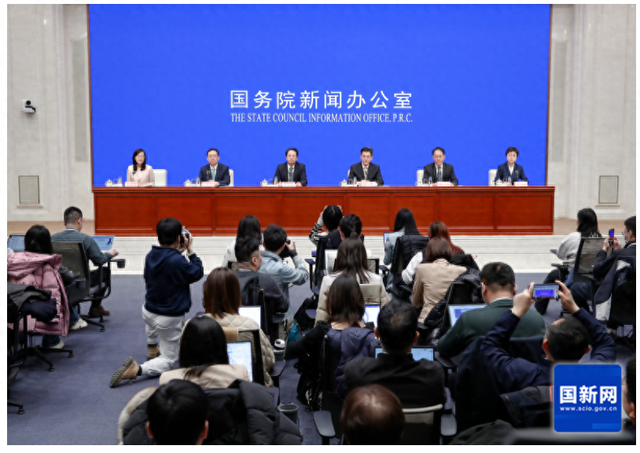
近日,《现代化首都都市圈空间协同规划(2023—2035年)》(以下简称"规划")正式获批,这是全国 首部由党中央、国务院批复的都市圈规划。南都N视频记者观察发现,作为京津冀协同发展的"升级 版"纲领,《规划》跳出单一城市治理逻辑,把疏解非首都功能作为核心抓手,统筹"都"与"城"、圈与 群的关系,将为全国都市圈建设提供示范样本。 2月12日,国家发改委、自然资源部及京、津、冀三地负责人集中亮相国新办发布会解读新政。国家发 展改革委副主任王昌林提到京津冀三省市的功能定位时透露,北京要加强"四个中心"建设,通过疏解非 首都功能带动天津、河北发展。雄安新区和北京城市副中心作为北京新的"两翼",要加强错位联动发 展,增强对首都功能的服务保障。天津要发挥先进制造业优势,与北京科技创新资源密切对接,高质量 谱写京津"双城记"。河北要强化唐山、保定、张家口、廊坊等节点城市的支撑作用,推动石家庄都市圈 与首都都市圈联动发展。 值得一提的是,此次《规划》提出通勤圈、功能圈和产业协同圈,这三个圈如何划定?北京市委常委、 常务副市长夏林茂回应,首都都市圈是目前全国唯一拥有两个直辖市的都市圈,在政治上、生态上、经 济上、安全等各方面 ...
国家发展改革委:四方面推进现代化首都都市圈建设
Xin Hua Cai Jing· 2026-02-12 06:49
三是在改革开放上取得新突破。王昌林介绍,要大力推进重点领域、关键环节的改革创新。支持在天津 滨海新区开展具有牵引作用的综合改革,推进北京城市副中心探索土地管理制度改革等15项要素市场化 配置综合改革落地落实。要深化科技、金融、旅游等领域扩大开放,在已经实现京雄两地278个事项同 城化办理、209项资质资格互认的基础上,进一步扩大政务服务跨省通办、资质互认等事项范围,让企 业和百姓办事更便捷。 "四是在民生保障上展现新作为。"王昌林表示,针对关系百姓切身利益的教育、医疗等问题,推动京津 冀优质学校、医院通过建联盟、结对子等形式拓展多层次合作,共享优质资源。同时,加快构建更加优 美宜居的生态环境。 (文章来源:新华财经) 新华财经北京2月12日电(记者陆宇航)在2月12日举行的国新办新闻发布会上,国家发展改革委副主任 王昌林表示,为推进现代化首都都市圈建设,国家发展改革委将围绕加快构建更加紧密的协同发展格 局,与有关方面一道,重点在四个方面下功夫做好工作。 一是在优化首都功能上实现新提升。"聚焦全国政治、文化、国际交往、科技创新'四个中心'功能定 位,优化中央政务空间布局,进一步增强首都功能。高质量建设北京新的' ...
聚焦首都都市圈!国新办发布会重点汇总
Bei Jing Ri Bao Ke Hu Duan· 2026-02-12 06:21
Core Viewpoint - The "Modern Capital Metropolitan Area Spatial Coordination Plan (2023-2035)" has been officially approved, marking the first metropolitan area plan approved by the Central Committee and the State Council, aimed at enhancing the development dynamics of the capital metropolitan area [4]. Group 1: Implementation and Strategic Goals - Beijing will implement the plan with a strong commitment, focusing on key reforms and major projects to enhance the new dynamics of the capital metropolitan area [4]. - The plan aims to better serve and guarantee the functions of the capital, clarifying the strategic positioning and spatial layout of the capital metropolitan area [4]. - The approval of the plan further improves the capital planning system, expanding the spatial hinterland to support the functions of the capital [4]. Group 2: Transportation and Infrastructure Development - Tianjin will enhance the connectivity between Beijing and Tianjin by improving the intercity railway capacity and upgrading key train stations [6]. - The city aims to build a comprehensive transportation network and strengthen transportation links in cross-border areas [6]. - Tianjin will leverage its advantages to support the implementation of the plan, focusing on enhancing its capacity to support the capital metropolitan area [6]. Group 3: Collaborative Innovation and Ecological Development - Hebei will work with Beijing and Tianjin to establish a collaborative innovation community and build an internationally influential center for technological innovation [8]. - The province aims to accelerate the construction of a modern industrial system and promote the systematic protection and utilization of cultural and natural heritage [8]. - Key tasks include creating a concentrated area for the relocation of non-capital functions from Beijing and developing a modern city and innovation hub [8]. Group 4: Support from Natural Resources and Policy Coordination - The Ministry of Natural Resources will support the implementation of the plan through four key measures, including establishing efficient land management systems [11]. - The plan is seen as an important demonstration of "governance-type" planning, emphasizing the integration of various regulations and optimizing land use [11]. - The National Development and Reform Commission highlights the importance of coordinated development goals, functional layouts, and policy measures among the three regions [13].
高质量共建首都都市圈,京津冀三地明确重点任务
Di Yi Cai Jing· 2026-02-12 05:29
Core Insights - The "Modern Capital Urban Circle Spatial Coordination Plan (2023-2035)" is the first urban circle plan approved by the central government, aiming to enhance the capital's functions and promote high-quality regional development [1] Group 1: Strategic Positioning - The plan emphasizes the capital as the core, balancing optimization and enhancement, vitality and order, development and security, with a strategic positioning of "four zones and one engine" [1] - The four zones include areas crucial for enhancing and safeguarding the capital's functions, a main engine for building a world-class city cluster, an important area for the inheritance and development of Chinese civilization, and a leading area for regional collaborative governance [1] Group 2: Implementation and Collaboration - The plan focuses on commuting, functional, and industrial collaboration circles, identifying key tasks for further collaboration among the three provinces and cities [2] - It highlights the importance of inter-provincial neighboring areas as breakthrough points for integrated high-quality development, leveraging cross-border areas like Beijing's Tongzhou District and Hebei's Langfang City [2] Group 3: Regional Development and Innovation - Tianjin's Wuqing District is included in the commuting circle, with the entire Tianjin area incorporated into the functional circle, aiming to enhance comprehensive carrying capacity and promote technological innovation and industrial upgrading [3] - Xiong'an New Area is designated a significant mission within the capital urban circle, focusing on gathering innovation resources and ensuring the living conditions for relocated personnel are maintained at levels comparable to those in Beijing [3]
发改委:京津冀要牵起创新和产业“协同线”,推动创新链产业链深度融合
Xin Lang Cai Jing· 2026-02-12 05:06
要牵起创新和产业"协同线",推动创新链产业链深度融合,因地制宜发展新质生产力,建设京津冀先进 制造业集群。要拓展协同发展的"覆盖面",强化山水林田湖草沙一体化保护和系统治理,协同构建韧性 空间格局,推动教育、医疗、养老、托育等公共服务资源共建共享。 免责声明:本文内容与数据由观点根据公开信息整理,不构成投资建议,使用前请核实。 观点网讯:2月12日,国家发展改革委有关负责人于国新办发布会上介绍,近期公布的《现代化首都都 市圈空间协同规划(2023—2035年)》明确了京津冀进一步深化协同的重点任务。 国家发展改革委副主任王昌林介绍,京津冀要把省际毗邻地区作为"突破点",充分发挥北京通州区与河 北廊坊市北三县、北京大兴国际机场临空经济区等跨界地区的示范作用,实现一体化高质量发展。 ...
自然资源部:首都都市圈规划具有重要示范意义
Jing Ji Guan Cha Wang· 2026-02-12 04:29
同时,这份《规划》还强化了协同性,三省市基于"统一底图、统一标准、统一规划、统一平台"来统筹 各专项规划的空间需求,建立了跨区域的空间协同机制,开展规划的实施监督,比较全面地体现了"多 规合一"的优势。 经济观察网 据央视新闻客户端消息,在今天(12日)举行的国务院新闻办新闻发布会上,自然资源部 表示,近日正式公布的《现代化首都都市圈空间协同规划(2023—2035年)》,不仅对深入实施京津冀 协同发展战略具有重要而深远的意义,也将对深化"多规合一"改革、优化国土空间发展格局具有重要示 范作用。 自然资源部表示: 从深化"多规合一"看,这份《规划》是全国国土空间规划纲要、京津冀协同发展规划纲要、京津冀国土 空间规划的深化实施,体现了国土空间规划的基础作用,特别是强化了《规划》的战略性。 此外,《规划》还强化了实施性,不仅有空间蓝图,更是明确了重点任务,实施政策和保障机制,确保 一张蓝图干到底,可以说是空间规划从"蓝图式"规划转向"治理型"规划的重要示范。 ...
国家发改委:因地制宜发展新质生产力,建设京津冀先进制造业集群
Xin Lang Cai Jing· 2026-02-12 04:07
Core Viewpoint - The "Modern Capital Metropolitan Area Spatial Collaborative Planning (2023-2035)" emphasizes the importance of coordinated development among Beijing, Tianjin, and Hebei, with specific goals set for 2030, 2035, and 2050 to enhance high-quality development and leverage each region's comparative advantages [1][2]. Group 1 - The planning document outlines the construction of the capital metropolitan area within the context of the Beijing-Tianjin-Hebei coordinated development strategy, focusing on spatial layout, innovation, and industrial collaboration [1]. - The plan aims to strengthen the "four centers" in Beijing and promote the development of Tianjin and Hebei through the alleviation of non-capital functions [1]. - Xiong'an New Area and Beijing's urban sub-center are identified as new "wings" for Beijing, emphasizing the need for coordinated development to enhance service capabilities for the capital [1]. Group 2 - The planning focuses on commuting circles, functional circles, and industrial collaboration circles, identifying key tasks for further deepening cooperation among the three provinces [2]. - It highlights the importance of inter-provincial neighboring areas as breakthrough points, leveraging regions like Beijing's Tongzhou District and Hebei's Langfang City for integrated high-quality development [2]. - The plan aims to promote the deep integration of innovation and industrial chains, fostering the development of advanced manufacturing clusters in the Beijing-Tianjin-Hebei region [2].
清风抚廊邑 奋进护发展
Xin Lang Cai Jing· 2026-02-12 04:07
Group 1 - The article emphasizes the importance of regular and institutionalized learning to enhance political loyalty and effectiveness in governance [1] - The city’s disciplinary inspection and supervision bodies have reported on 117 major cases and provided five comprehensive reports on corruption trends, effectively transmitting accountability pressure [1] - A focus on grassroots supervision and problem-solving is highlighted, with a call for more engagement with local voices to address issues early [1] Group 2 - The article discusses the successful completion of key infrastructure projects, such as the Beijing-Xiongan Airport Express Line, facilitated by effective supervision [2] - A special supervision initiative targeting grassroots law enforcement has led to the rectification of 923 issues, improving the business environment [2] Group 3 - The city conducted multiple rounds of inspections, uncovering 723 deep-seated issues across 73 units, demonstrating the effectiveness of the inspection system [3] - A total of 21 rounds of inspections were guided across various counties, revealing over 11,000 issues [3] Group 4 - The city’s disciplinary bodies have conducted 91 educational sessions to address various issues, resulting in the rectification of 6,285 problems across leadership teams [4] - Continuous monitoring of the implementation of the Central Eight Regulations has led to the identification of 615 violations, indicating a strong commitment to combating corruption [5] Group 5 - The article outlines a comprehensive approach to corruption prevention, focusing on the "three no-corruption" strategy, which includes deterrence, institutional safeguards, and moral education [6] - Significant financial recoveries of over 60 million yuan have been achieved through targeted anti-corruption efforts in key sectors [6] Group 6 - The city has implemented a series of reforms in the funeral service sector, resulting in a 33% reduction in average costs for services [7] - Initiatives in the education and elderly care sectors have led to substantial improvements, including a 99.4% self-operation rate for school canteens [7] Group 7 - The article highlights the establishment of a three-dimensional training model for disciplinary inspection personnel, enhancing their skills and capabilities [8] - Structural reforms within the disciplinary bodies aim to streamline operations and improve efficiency [8] Group 8 - The city has revised and improved 24 management systems to enhance governance and accountability, with 13 initiatives recognized at the provincial level [9] - The commitment to uphold political responsibility and deepen anti-corruption measures is reiterated, ensuring a disciplined environment for development [9]
京津冀公共服务资源将共建共享
Jin Rong Jie· 2026-02-12 03:58
Core Viewpoint - The recent announcement of the "Modern Capital Metropolitan Area Spatial Coordination Plan" emphasizes the need for deeper collaboration in the Beijing-Tianjin-Hebei region, focusing on high-quality integrated development [1] Group 1: Key Tasks for Collaboration - The Beijing-Tianjin-Hebei region will leverage inter-provincial neighboring areas as "breakthrough points" to enhance integration, particularly through the demonstration effects of areas like Beijing's Tongzhou District and Hebei's Langfang City [1] - The plan aims to promote the deep integration of innovation and industrial chains, fostering the development of new productive forces tailored to local conditions [1] - The establishment of advanced manufacturing clusters in the Beijing-Tianjin-Hebei region is a priority, aiming for a collaborative industrial ecosystem [1] Group 2: Expanding Collaborative Development - The initiative seeks to broaden the scope of collaborative development by strengthening integrated protection and systematic governance of natural resources, including mountains, rivers, forests, fields, lakes, and grasslands [1] - There is a focus on constructing a resilient spatial layout that supports shared public services such as education, healthcare, elderly care, and childcare [1]