
全国统一电力市场

Search documents
电力新规出台助全国电力市场规范有序运行
Ren Min Wang· 2025-08-07 08:40
原标题:电力新规出台 助力全国统一电力市场规范有序运行 上述负责人表示,这是深度耦合、协同运行的系统性规则,根本上解决过去市场规则"碎片化""差异 化"的问题,为电力市场规范有序运行扫清了制度障碍。 一是构建了体系完备、层次分明、接口清晰的多层次多品种市场规则框架,在空间上,覆盖省间、省 内;在时间上,覆盖多年、年度、月度、月内和日前、日内现货交易;在交易标的上,覆盖电能量、辅 助服务等交易品种。 二是明确了中长期、现货和辅助服务市场在交易品种设置、交易时序安排和价格机制设计等方面的统一 范式,促进了各地电力市场建设规范统一、高效衔接。 上述负责人介绍,此前印发的《电力市场运行基本规则》充分考虑新型电力系统发展的新形势,对新型 经营主体进行了定义,对电力辅助服务交易、容量交易等进行了明确,构建适应高比例新能源接入、传 统电源提供可靠电力支撑、新型经营主体发展的电力市场体系架构。 新一轮电力体制改革实施以来,我国电力市场建设经历了大用户直购电试点、东北调峰辅助服务市场试 点、电力现货市场试点等"先试点、再总结、后推广"的过程。 上述负责人表示,电力中长期、辅助服务、现货等各种市场、各类品种,逐渐走向全国,但也存 ...
人民网丨电力新规出台 助力全国统一电力市场规范有序运行
国家能源局· 2025-08-07 07:52
Core Viewpoint - The establishment of the national unified electricity market "1+6" basic rule system marks a significant step in creating a comprehensive framework for electricity market operations, addressing the fragmentation and inconsistency of previous market rules [2][4]. Group 1: Overview of the New Rules - The National Development and Reform Commission and the National Energy Administration have jointly issued the "Basic Rules for Electricity Market Measurement and Settlement," which is part of a broader "1+6" foundational rule system for the electricity market [2]. - This new rule system includes long-term, spot, and ancillary service rules, along with support mechanisms such as information disclosure and access registration [2][4]. Group 2: Transition in Energy Generation - Non-fossil energy generation is gradually becoming the mainstay in terms of installed capacity and electricity output, while fossil energy generation is transitioning to support electricity supply [2]. - New operational entities such as energy storage, virtual power plants, and load aggregators are rapidly developing within the market [2]. Group 3: Challenges in the Current Market - The electricity market faces issues such as incomplete and non-unified market rule systems, frequent inappropriate interventions, overlapping functions of market trading varieties, and difficulties in inter-provincial market connections [3]. - These challenges hinder the optimal allocation and sharing of electricity resources across broader regions [3]. Group 4: Significance of the Unified Rule System - The "1+6" rule system aims to resolve the fragmentation and differentiation of past market rules, facilitating a more organized and standardized operation of the electricity market [4]. - It establishes a comprehensive, multi-layered market rule framework that covers various trading periods and types, ensuring clarity in interfaces and responsibilities among market participants [4]. Group 5: Future Development Directions - The National Development and Reform Commission and the National Energy Administration are working to ensure that local market rules align with the national basic rules, enhancing the consistency and collaborative execution of policies [5]. - As the new electricity system and market construction deepen, there is a focus on continuous operation of long-term trading, comprehensive development of the spot market, and rapid growth in green electricity trading [5].

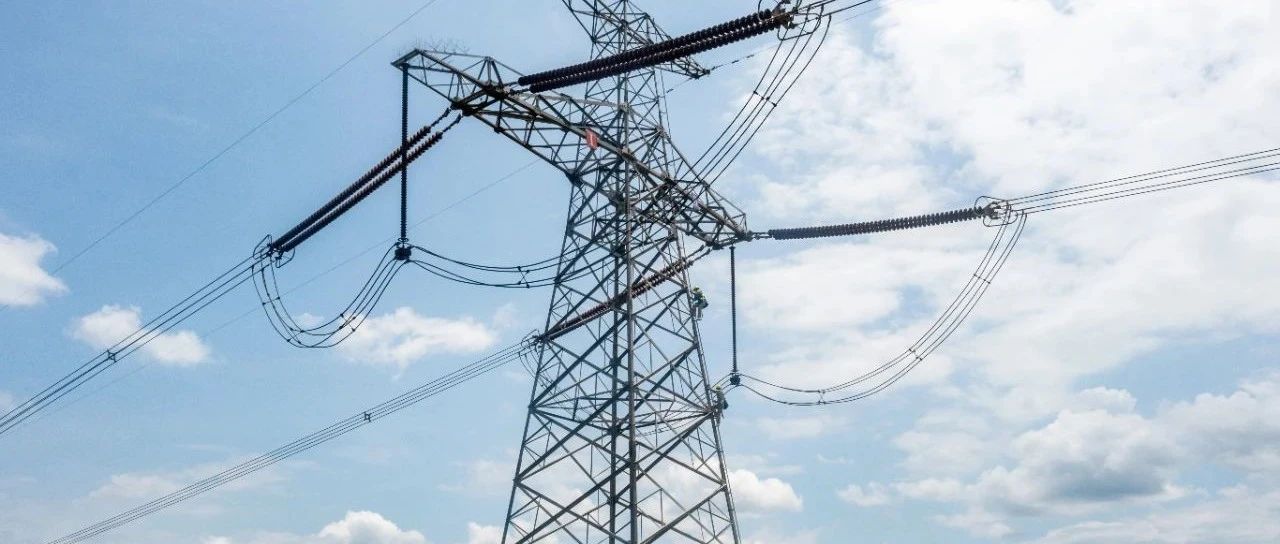
新华社丨电力市场“1+6”基础规则体系初步构建完成
国家能源局· 2025-08-07 05:44
Core Viewpoint - The establishment of a unified electricity market measurement and settlement basic rule system in China aims to resolve fragmentation and discrepancies in market rules, thereby enhancing market vitality and facilitating the free flow of electricity resources across regions [2][3]. Group 1: Rule System Development - The National Development and Reform Commission and the National Energy Administration have initiated the construction of a "1+6" basic rule system for the electricity market, which includes a unified framework and six supporting rules [2][3]. - The "Electricity Market Operation Basic Rules" serve as the foundation of the electricity market, outlining fundamental principles and objectives, while the six supporting rules address various trading types and key operational aspects [4]. Group 2: Market Growth and Statistics - In 2024, the number of market participants in China's electricity market reached 816,000, an increase of 8.9% year-on-year, comprising 35,000 power generation companies, 777,000 electricity users, and 4,409 electricity sales companies [4]. - The marketized trading volume exceeded 6.18 trillion kilowatt-hours, accounting for 62.7% of the total electricity consumption in society, with green certificate trading volume surging by 364% and green electricity trading volume increasing by 235.2% [4]. Group 3: Future Plans - The plan is to establish a nationwide unified electricity market by the end of 2024, with a comprehensive market expected to be fully operational by 2029 [6]. - The National Energy Administration will continue to issue regulatory guidelines to enhance the "1+N" basic rule system, ensuring efficient coordination among various market categories such as medium-to-long-term, spot, auxiliary services, and green electricity [7].

新规出台!全国统一电力市场“1+6”基础规则体系初步建成
Xin Hua She· 2025-08-07 04:16
Core Viewpoint - The release of the "Basic Rules for Metering and Settlement in the Electricity Market" marks a significant milestone in China's electricity market reform, establishing a foundational rule system for the unified national electricity market [1][4]. Group 1: Reasons for the New Rules - The need for unified standards arises from the inconsistencies in metering management, settlement cycles, and billing processes across different regions, which have become increasingly apparent as the national electricity market develops [2][3]. - The rules aim to standardize metering and settlement practices, enhance risk management, and protect the rights of various market participants [2][3]. Group 2: Key Provisions of the Rules - The rules require market participants to have independent metering capabilities, with metering devices installed at property boundary points and subject to regular calibration [2][3]. - They clarify the rights and obligations of various market members, including electricity trading institutions and grid companies, and standardize the entire settlement process, including billing and payment timelines [3][4]. - The rules establish a "daily clearing and monthly settlement" model for continuous operation areas of the spot market, ensuring a unified approach to settlement cycles [3]. Group 3: Implications for Market Participants - The introduction of unified registration rules simplifies the process for companies operating in multiple provinces, allowing for a single registration that is valid nationwide [4]. - Enhanced information disclosure rules provide transparency in pricing, supply and demand conditions, and transaction results, aiding companies in making informed decisions [5]. - The "1+6" rule system is designed to be flexible, allowing for continuous improvement based on local experiences and innovations in the electricity market [5]. Group 4: Future Developments - The National Energy Administration plans to further refine the "1+N" rule system as the new electricity system and market continue to evolve, aiming to break down market segmentation and enhance coordination among various market types [5].
专家解读丨《电力市场计量结算基本规则》出台 为全国统一电力市场计量结算工作筑牢根基
国家能源局· 2025-08-07 01:52
Core Viewpoint - The introduction of the "Basic Rules for Electricity Market Measurement and Settlement" serves as a crucial institutional guarantee for the construction of a unified national electricity market, filling the last gap in the "1+6" foundational rule system [3][4]. Group 1: Institutional Foundation - The new rules aim to address the final bottleneck in the nationwide circulation of electricity, aligning with the national goal of establishing a high-efficiency and fair competitive unified market by 2025 [4]. - The "1+6" foundational rule system, which includes the new measurement and settlement rules, is designed to standardize the entire process from transaction declaration to settlement, resolving long-standing inconsistencies in measurement and settlement standards [4][5]. Group 2: Fair and Efficient Market Operation - The rules establish a unified settlement cycle based on natural months, providing a framework for accurate electricity cost management for market participants [6]. - A comprehensive standardization of the settlement preparation phase is mandated, requiring a unified data exchange platform to facilitate efficient data flow across all segments of the electricity market [6][7]. Group 3: Impact and Future Outlook - The implementation of the rules is expected to enhance the quality and efficiency of electricity market measurement and settlement, breaking down regional barriers and promoting resource circulation [9]. - The rules will significantly lower transaction costs and improve transaction efficiency, facilitating a more integrated and competitive electricity market [9][10]. - The introduction of these rules marks a milestone in the reform of the electricity system, laying a solid foundation for a transparent, efficient, and unified electricity market that supports energy transition and high-quality economic development [10].

我国电力市场告别“方言”时代
Zhong Guo Dian Li Bao· 2025-08-07 01:13
Core Viewpoint - The establishment of a nationwide unified electricity market system in China marks a significant historical leap from fragmented regional markets to a standardized national framework, providing strong institutional support for orderly market operations [1][3][4]. Group 1: Development of the Unified Electricity Market - The "1+6" basic rule system for the national unified electricity market has been preliminarily established, which includes fundamental rules for electricity market operation, long-term trading, spot trading, auxiliary services, information disclosure, registration, and settlement [1][5]. - The construction of the unified electricity market is a key practice of the national strategy to build a unified market system, which is essential for optimizing resource allocation and ensuring energy security [3][4]. - The transition from a fragmented market to a unified system is aimed at breaking down barriers and facilitating efficient electricity flow across regions [4][10]. Group 2: Key Components of the Rule System - The "Electricity Market Operation Basic Rules" serve as the cornerstone of the unified market, defining the basic structure, operational principles, and responsibilities of various market participants [8][9]. - The "Electricity Long-term Trading Basic Rules" provide a primary channel for market participants to lock in electricity and prices, ensuring market stability [8][9]. - The "Electricity Spot Market Basic Rules" optimize real-time supply and demand, generating price signals that reflect market conditions, thus enhancing electricity security and promoting renewable energy consumption [9][10]. Group 3: Market Growth and Performance - In the first half of 2025, the cumulative market trading volume reached 2.95 trillion kilowatt-hours, with cross-regional trading increasing by 18.2% year-on-year, indicating robust market activity [13][14]. - The number of market participants has grown to 816,000 by the end of 2024, with significant participation from various energy sources, including renewable energy and new storage technologies [15]. - Green electricity trading has surged, with a 235.2% year-on-year increase in total trading volume, reflecting the market's role in supporting China's green and low-carbon energy transition [15].
全国统一电力市场建设更进一步 两部门印发电力市场计量结算规则
Zheng Quan Shi Bao· 2025-08-06 15:19
Core Viewpoint - The establishment of a unified national electricity market in China has made significant progress with the issuance of the "Basic Rules for Electricity Market Measurement and Settlement" by the National Development and Reform Commission and the National Energy Administration [2]. Summary by Sections Market Rules and Framework - The new rules clarify the basis, scope, and management requirements for measurement and settlement in the electricity market, addressing issues such as inconsistent management requirements and unclear responsibilities among grid companies and trading institutions [2][4]. - The rules represent a continuation and enhancement of previous policy documents, marking the completion of a foundational rule system for the electricity market, which includes long-term, spot, and ancillary service rules [2][4]. Settlement Process - The settlement process consists of two main parts: the trading institution forming the settlement basis and the grid company conducting the electricity fee settlement [3]. - The trading institution is responsible for compiling settlement data and coordinating issues related to settlement, while the grid company provides measurement data and issues electricity bills [3]. Responsibilities and Management - The rules specify the responsibilities of grid companies in verifying settlement bases and standardize the verification process [4]. - Market participants must have independent measurement conditions, and measurement devices must meet minimum settlement unit requirements [4]. - The rules outline the rights and obligations of various market members regarding settlement, including preparation, issuance of bills, and payment processes [4]. Risk Management - The rules require trading institutions to conduct settlement risk assessments, and market participants must provide performance guarantees and deposits [4]. - Grid companies are tasked with applying for the use of settlement guarantees for market participants who fail to make timely payments [4]. User and Grid Company Interaction - The rules also standardize the payment processes between power generation companies and grid companies, including VAT invoice issuance and payment agreement signing [4].
全国统一电力市场建设更进一步,两部门印发电力市场计量结算规则
Zheng Quan Shi Bao· 2025-08-06 15:06
Core Viewpoint - The establishment of a unified national electricity market in China has made significant progress with the issuance of the "Basic Rules for Electricity Market Measurement and Settlement" by the National Development and Reform Commission and the National Energy Administration [2]. Group 1: Overview of the New Rules - The new rules clarify the basis, scope, and management requirements for measurement and settlement in the electricity market [2]. - The rules aim to address issues such as inconsistent measurement management, unclear responsibilities between grid companies and trading institutions, and delays in electricity bill settlements [2][4]. - The issuance of these rules marks the completion of a foundational rule system for the electricity market, which includes the "Basic Rules for Electricity Market Operation" and other related regulations [2]. Group 2: Settlement Process - The electricity market settlement consists of two main steps: the trading institution forming the settlement basis and the grid company conducting the electricity bill settlement [3]. - Trading institutions are responsible for compiling settlement data and coordinating issues related to settlement basis and electricity bill settlements [3]. - Grid companies are tasked with providing measurement data, issuing electricity bills, and coordinating settlement issues [3]. Group 3: Responsibilities and Management - The rules explicitly define the responsibilities of grid companies in verifying settlement bases and standardize the verification process [4]. - Market participants must have independent measurement conditions, and measurement devices must meet minimum settlement unit requirements [4]. - The rules standardize the rights and obligations of various market members regarding settlement processes, including preparation, issuance of bills, and payment collection [4]. Group 4: Risk Management and Compliance - The rules require trading institutions to conduct settlement risk assessments, and market participants must provide performance guarantees and deposits [4]. - Grid companies are required to apply for the use of settlement guarantees for market participants who fail to make timely payments [4]. - The rules also standardize the payment processes between power generation companies and grid companies, including VAT invoice issuance and settlement agreements [4].
全国统一电力市场建设更进一步,两部门印发电力市场计量结算规则
证券时报· 2025-08-06 15:03
Core Viewpoint - The article discusses the recent progress in the construction of a national unified electricity market in China, highlighting the issuance of the "Basic Rules for Electricity Market Measurement and Settlement" by the National Development and Reform Commission and the National Energy Administration [2][3]. Summary by Sections Overview of the New Rules - The new rules clarify the basis for electricity market measurement and settlement, applicable scope, and management requirements for measurement devices [3]. - The rules aim to address issues such as inconsistent measurement management, unclear responsibilities between grid companies and trading institutions, and delays in electricity bill settlements [3]. Structure of the Electricity Market - The establishment of a "1+6" foundational rule system for the electricity market is completed, which includes basic operational rules and various trading rules [3]. - The settlement process involves two main steps: the trading institution forming the settlement basis and the grid company conducting the electricity bill settlement [4]. Responsibilities and Processes - The rules specify the responsibilities of grid companies in verifying settlement bases and standardize the verification process [5]. - Market participants must meet independent measurement conditions, and measurement devices should be installed at property boundary points [5]. Settlement Management - The rules outline the rights and obligations of various market members regarding settlement, including preparation, issuance of settlement bases, and payment processes [5]. - A unified measurement unit and settlement subject format are established, with a general settlement cycle of a natural month [5]. Risk Management in Settlement - The rules require trading institutions to conduct settlement risk assessments and mandate market participants to provide performance guarantees [6]. - The rules also standardize the payment processes between power generation companies and grid companies, including VAT invoice issuance and payment agreements [6].
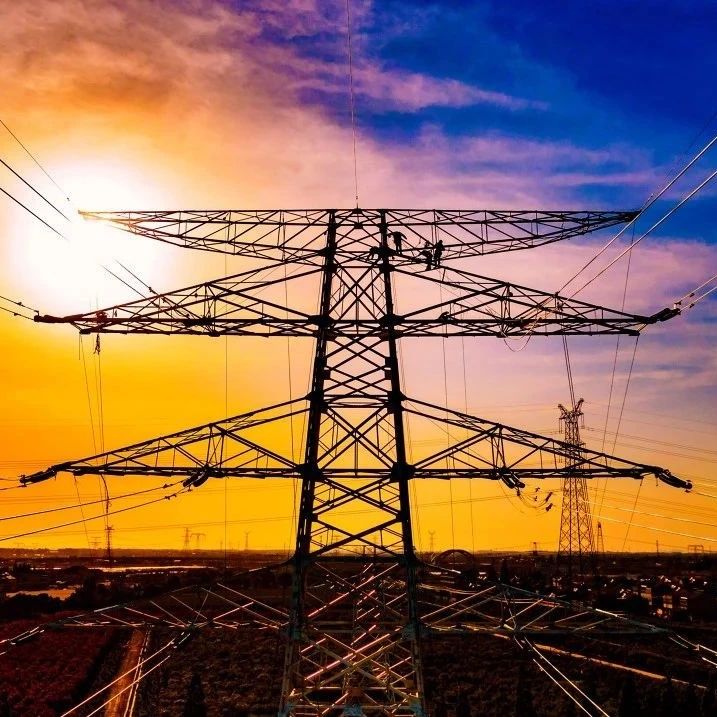
【新华解读】全国统一电力市场“1+6”基础规则体系初步建成
Xin Hua Cai Jing· 2025-08-06 14:31
新华财经北京8月6日电(记者安娜)记者6日从国家能源局获悉,近日,国家发展改革委、国家能源局 发布了《关于印发〈电力市场计量结算基本规则〉的通知》,标志着涵盖电力市场各品种各环节 的"1+6"基础规则体系初步构建完成,这是我国电力市场化改革的又一里程碑。 为什么要出台《电力市场计量结算基本规则》(以下简称"规则")? 据国家能源局市场监管司有关负责人介绍,随着全国统一电力市场建设深入推进,煤电、新能源、工商 业用户全面参与电力市场,各地计量管理要求不规范、单位不统一、流程衔接不顺畅、电网企业与交易 机构职责界面不明确、电费结算不及时等问题逐渐凸显,亟需国家层面统一规范。 以电网对发电企业的结算周期为例,以往有的地方是10个工作日,有的是20个工作日,有的在1个月以 上甚至更长。从终端用户的角度来看,过去各地老百姓拿到的电费账单也多有不同,有的地方账单就只 列个用电总数,有的则列出了清晰的账目…… "此次出台的规则,规范电力市场计量结算行为,强化结算风险管理,统一电费收付要求,切实维护各 类经营主体合法权益。"国家能源局市场监管司有关负责人表示。 "规则的出台,填补了全国统一电力市场'1+6'基础规则体系的最后 ...