电力体制改革

Search documents
行业投资策略:电改持续深化,电力设备需求有望延续高景气
KAIYUAN SECURITIES· 2026-03-02 06:18
Core Insights - The report maintains a positive investment rating for the power industry, highlighting the sustained high demand for power equipment due to ongoing reforms in the electricity sector [1][3] - The overall electricity demand in China is projected to grow steadily, with a total consumption of 10.37 trillion kWh in 2025, reflecting a year-on-year increase of 5.0% [4][24] - The report emphasizes the need for investment in modern infrastructure, with the State Grid announcing a planned investment of 4 trillion yuan during the 14th Five-Year Plan period [9][39] Industry Review - The dividend style in the A-share market performed poorly in 2025, with the public utility sector lagging behind the CSI 300 index [4][18] - The electricity supply-demand balance is expected to show a "wide electricity volume, tight electricity power" pattern during the 14th Five-Year Plan, with comprehensive electricity prices stabilizing [4][32] - The total electricity generation in 2025 is estimated at 8.06 trillion kWh, with coal, hydro, nuclear, wind, and solar power contributing 64.8%, 13.5%, 5.0%, 10.8%, and 5.9% respectively [29][32] Thermal Power - The report notes that thermal power prices are under pressure, with long-term contract prices in Guangdong, Jiangsu, and Zhejiang expected to decline significantly in 2026 [5][43] - The unit profitability of thermal power in northern China is improving, while coastal regions face profitability challenges [5][43] - The capacity price is expected to cover fixed costs for coal-fired power plants, enhancing their profitability [5][43] Hydropower - Hydropower companies are reported to be operating steadily, with dividend yields widening in a low-interest-rate environment, indicating long-term investment value [6][39] - The average net interest margin for hydropower has increased by 71 basis points compared to the previous year [6][39] Nuclear Power - The nuclear power price in Guangdong has stabilized, with the cancellation of the variable cost compensation mechanism mitigating the impact of market price declines [7][39] - The report anticipates a reduction in net profits for nuclear power companies due to falling electricity prices in Jiangsu [7][39] Green Power - The report highlights uncertainties in revenue policies for green power, with market reforms entering a critical phase [8][39] - Wind power prices are generally higher than solar power, although there are indications of a policy bottoming out for wind energy [8][39] Power Grid Equipment - The State Grid's investment plan of 4 trillion yuan is expected to sustain high demand for power grid equipment during the 14th Five-Year Plan [9][39] - The report notes a significant increase in the procurement of transmission and transformation equipment, with a year-on-year growth of 25.2% [9][39] Investment Recommendations - The report suggests focusing on investment opportunities in thermal power, wind power, domestic ultra-high voltage projects, and equipment exports [10][39] - Beneficiary companies include major players in thermal, hydropower, nuclear, green power, and power grid equipment sectors [10][39]




电改深化叠加盈利改善,马年首周电力板块走强
Zhong Guo Zheng Quan Bao· 2026-02-28 00:41
Core Viewpoint - The electricity sector has shown strong performance since the beginning of the year, driven by policy reforms and improving fundamentals, indicating significant long-term growth potential and investment opportunities in the sector [1][2]. Policy Drivers - The recent rally in the electricity sector is primarily attributed to policy-driven reforms, including the deepening of the electricity system reform and the establishment of a nationwide unified electricity market [2][3]. - The State Grid Corporation has announced a fixed asset investment plan of 4 trillion yuan for the 14th Five-Year Plan period, marking a 40% increase compared to the previous plan [2]. Financial Performance - The electricity industry's fundamentals are improving, transitioning from a phase of "dual pressure on volume and price" to "stable prices and increased revenue" [4]. - For 2025, Jin控电力 expects a net profit of 155 million to 195 million yuan, representing a year-on-year increase of 383.21% to 507.90%, driven by lower coal prices [4]. - Qian源电力 anticipates a net profit of 567 million to 633 million yuan for 2025, a growth of 160% to 190%, attributed to increased water flow and significant growth in power generation [5]. Investment Opportunities - The electricity demand is shifting from traditional industries to residential and emerging sectors, with a continuous optimization of the electricity supply structure [6]. - The investment logic in the electricity sector is transitioning towards growth driven by AI and energy transformation, moving away from traditional cyclical fluctuations [6]. - Short-term investment opportunities include coal power and energy storage, while mid-term focuses on cross-regional trading and long-term on low-cost hydropower and nuclear power [7].
电改深化叠加盈利改善 马年首周电力板块走强
Zhong Guo Zheng Quan Bao· 2026-02-27 21:58
Core Viewpoint - The electricity sector has shown strong performance since the beginning of the Year of the Rabbit, driven by policy reforms and improving fundamentals, indicating significant long-term growth potential and investment opportunities in the sector [1][2]. Policy Drivers - The electricity sector's recent strength is attributed to ongoing policy reforms, including the deepening of the electricity system reform and the establishment of a nationwide unified electricity market [2][3]. - The State Grid Corporation has announced a fixed asset investment plan of 4 trillion yuan for the 14th Five-Year Plan period, marking a 40% increase compared to the previous plan [2]. Financial Performance - The industry is experiencing a turning point, moving from a phase of "dual pressure on volume and price" to a new stage of "stable prices and increased revenue" [4]. - For 2025, Jin控电力 expects a net profit of 155 million to 195 million yuan, representing a year-on-year increase of 383.21% to 507.90%, driven by lower coal prices [4]. - 建投能源 anticipates a net profit of approximately 1.877 billion yuan for 2025, a year-on-year growth of about 253.38%, attributed to optimized coal resource allocation [4]. - 黔源电力 forecasts a net profit of 567 million to 633 million yuan for 2025, a growth of 160% to 190%, due to increased water flow and significant growth in power generation [5]. Investment Opportunities - The core drivers of electricity demand are shifting from traditional industries to residential electricity and emerging industries, with a continuous optimization of the electricity supply structure [6]. - The investment logic in the electricity sector is transitioning from traditional cyclical fluctuations to a growth trajectory driven by AI and energy transition [6]. - Short-term investment opportunities include coal power and energy storage resources, while mid-term focuses on cross-regional trading and long-term on low-cost hydropower and nuclear power [7].
电改深化叠加盈利改善马年首周电力板块走强
Zhong Guo Zheng Quan Bao· 2026-02-27 20:43
Core Viewpoint - The electricity sector has shown strong performance since the beginning of the Year of the Rabbit, driven by policy reforms and improving fundamentals, indicating significant growth potential and investment opportunities in the sector [1][2]. Policy Developments - The State Grid Corporation plans to invest 4 trillion yuan during the 14th Five-Year Plan, a 40% increase compared to the previous plan [2]. - The State Council issued an implementation opinion to establish a unified national electricity market system by 2030, with full completion by 2035 [2]. - The new policy emphasizes a market-oriented approach to electricity pricing for various energy sources, including hydropower and nuclear power, which may enhance their revenue through mechanisms like green certificates and capacity pricing [2]. Profitability Improvements - The electricity sector is transitioning from a phase of declining prices and revenues to one of stable prices and increased income, with coal prices decreasing and capacity pricing mechanisms being implemented [2][3]. - Companies like Jinko Power and Jiantou Energy are forecasting significant profit increases for 2025, driven by lower coal prices and improved operational efficiencies [3]. Investment Opportunities - The electricity demand is shifting from traditional industries to residential and emerging sectors, with renewable energy sources like wind and solar expected to dominate new installations [4]. - The investment logic in the electricity sector is evolving towards growth driven by AI and energy transition, moving away from traditional cyclical patterns [4][5]. - Short-term investment opportunities include coal power and energy storage, while mid-term focuses on cross-regional trading and long-term on low-cost hydropower and nuclear power [5]. Sector Focus - The firepower sector should concentrate on the stability of earnings post-market reforms, while the hydropower sector should monitor hydrological data improvements during peak flood periods for performance expectations [5].



电改持续深化,电力设备需求有望延续高景气
Zhong Guo Neng Yuan Wang· 2026-02-24 01:27
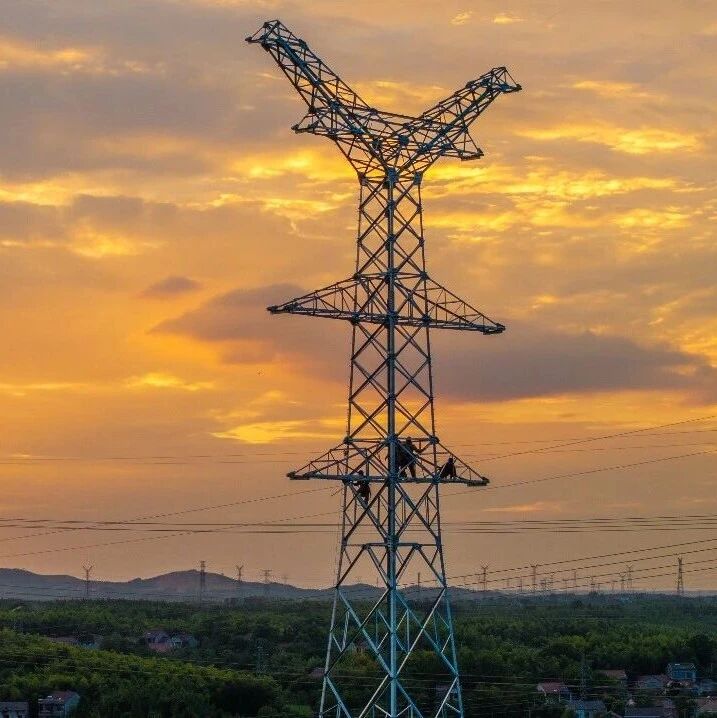
Core Viewpoint - The investment strategy for the power industry in 2026 indicates a stable growth in electricity demand, with a projected total electricity consumption of 10.37 trillion kilowatt-hours in 2025, reflecting a year-on-year increase of 5.0%. The supply-demand dynamics are expected to show a "wide electricity volume, tight electricity power" pattern during the 14th Five-Year Plan period, with comprehensive electricity prices likely stabilizing [1][2]. Industry Review - The overall performance of the A-share dividend style sector is expected to be poor in 2025, while electricity demand continues to grow steadily [2]. Power Sector Analysis - **Thermal Power**: The profitability of thermal power in northern regions is expected to improve year-on-year, while profitability in southeastern coastal areas remains under pressure. The annual long-term contract prices for thermal power in Jiangsu and Zhejiang are projected to decrease by 68.26 and 67.54 yuan per megawatt-hour, respectively. Capacity prices are anticipated to cover fixed costs of coal power, contributing to stable profits [3]. - **Hydropower**: Major hydropower companies are expected to operate steadily, with a widening spread between hydropower dividend yields and government bond yields starting from the second half of 2024. The average net interest margin for hydropower from early 2025 to the present has expanded by 71 basis points compared to the average from mid-2023 to mid-2024 [3]. - **Nuclear Power**: The price of nuclear power in Guangdong is expected to stabilize, with the cancellation of the variable cost compensation mechanism. However, the decline in electricity prices in Jiangsu is projected to impact China Nuclear Power's net profit by approximately 800 million yuan in 2026 [3]. - **Green Power**: The introduction of policy uncertainties in revenue streams for green power is noted, with the wind power pricing being generally higher than that of photovoltaic power. The wind power value-added tax subsidy is expected to decline, indicating a policy bottom [4]. Grid Equipment - The State Grid has announced a fixed asset investment of 4 trillion yuan during the 14th Five-Year Plan period, with high demand expected to continue globally. Domestic investment in grid equipment is expected to show differentiation, with significant increases in investment for transmission and transformation equipment [5]. Investment Opportunities - **Thermal Power**: Beneficiaries include Huaneng International, Huadian International, and China Resources Power among others [6]. - **Hydropower**: Key players include Yangtze Power, Huaneng Hydropower, and Guotou Power [6]. - **Nuclear Power**: Companies such as China Nuclear Power and China General Nuclear Power are highlighted [6]. - **Green Power**: Notable companies include Longyuan Power, China Power, and Datang New Energy [6]. - **Grid Equipment**: Companies like Pinggao Electric, XJ Electric, and China XD Electric are mentioned as potential beneficiaries [6].
媒体报道丨电力体制改革再提速,谁将受益?
国家能源局· 2026-02-13 02:38
Core Viewpoint - The article discusses the implementation of the "Implementation Opinions on Improving the National Unified Electricity Market System," which aims to enhance the electricity market structure in China, transitioning from foundational construction to a more mature market system by 2030 and 2035 [2][3]. Group 1: Key Goals and Framework - The implementation outlines two key goals: to establish a national unified electricity market system by 2030, with market-based transactions accounting for approximately 70% of total electricity consumption, and to fully develop this system by 2035, ensuring a steady increase in market transaction ratios [3]. - The article emphasizes that the construction of a unified electricity market is crucial for optimizing resource allocation, ensuring energy security, and supporting economic growth [5]. Group 2: Market Development and Achievements - By 2025, the market-based electricity transaction volume is projected to reach 6.6 trillion kilowatt-hours, a sevenfold increase from 2015, with market transactions rising from less than 15% to 64% of total electricity consumption [6]. - The cross-regional electricity trading volume is expected to grow from less than 0.1 trillion kilowatt-hours in 2015 to approximately 1.6 trillion kilowatt-hours by 2025, marking a growth of over 15 times [6]. - The market structure has evolved to include a multi-level collaborative framework, ensuring balance and security in electricity supply through provincial and inter-provincial trading [6]. Group 3: Pricing Mechanisms and Market Participation - A preliminary market-based pricing mechanism has been established, allowing for price fluctuations in coal and industrial electricity within reasonable limits, while ensuring sustainable development for renewable energy [7]. - By the end of 2025, all commercial users are expected to participate in the electricity market, with over 1.09 million registered market entities, a 22-fold increase since 2015 [7]. - The governance structure for the electricity market has begun to take shape, with government oversight, regulatory bodies, and independent trading institutions working collaboratively [7]. Group 4: Future Directions and Reforms - The "Implementation Opinions" address key systemic barriers in the current electricity market, focusing on optimizing resource allocation, enhancing market functions, and promoting equal participation among various stakeholders [10]. - Plans to improve cross-regional electricity trading include expanding transmission capacity and increasing the share of clean energy, aiming to shift from a primarily planned trading model to a more market-oriented approach [11]. - Differentiated market entry paths for various renewable energy projects are proposed, encouraging private sector participation and the development of new energy technologies [12].

电网板块受政策利好刺激,关注电网ETF(561380)
Sou Hu Cai Jing· 2026-02-13 01:35
Core Insights - The electric grid sector is experiencing significant growth due to favorable policies, with the State Council recently issuing guidelines to establish a unified national electricity market by 2030, aiming for market-based transactions to account for approximately 70% of total electricity consumption [1] - The demand for electric grid infrastructure is being driven by both domestic and international factors, including increased electricity consumption from global data centers and accelerated domestic projects in ultra-high voltage and main grid construction [1][2] Policy Impact - The implementation of the national electricity market system is a key reform initiative that will stimulate investment in core infrastructure such as ultra-high voltage and grid equipment, providing sustained momentum for industry development [1] - By 2035, the market functions are expected to mature further, with a steady increase in the proportion of market-based electricity transactions [1] Market Demand - The global surge in data center construction and AI computing power is leading to higher electricity consumption and increased pressure on electric grids, necessitating upgrades and expansions [1] - Domestic projects are set to accelerate, with multiple key projects expected to be completed by 2025 and a new round of projects starting in 2026, alongside a high integration of renewable energy sources [1] Export Opportunities - China's core electric grid equipment, such as transformers, is gaining competitive advantages in international markets due to mature technology, a complete industrial chain, and high cost-performance ratios [1]

电力体制改革再提速 谁将受益?
Zhong Guo Dian Li Bao· 2026-02-12 09:20
Core Viewpoint - The State Council issued the "Implementation Opinions on Improving the National Unified Electricity Market System," marking a significant step in China's electricity market reform, transitioning from "accelerating construction" to "improvement" of the market system [1][2]. Group 1: Goals and Objectives - The "Implementation Opinions" set two phased goals: to establish a basic national unified electricity market system by 2030, with market-based trading accounting for approximately 70% of total electricity consumption; and to fully establish the system by 2035, with a steadily increasing proportion of market-based trading [2]. Group 2: Market Structure and Achievements - The national unified electricity market structure has been largely established, transitioning from a planned to a market-oriented production organization over the past decade [4]. - By 2025, the market-based trading volume is expected to reach 6.6 trillion kilowatt-hours, a sevenfold increase from 2015, with the market share rising from less than 15% to 64% [5]. - Cross-provincial and cross-regional electricity trading is projected to grow from less than 0.1 trillion kilowatt-hours in 2015 to approximately 1.6 trillion kilowatt-hours by 2025, an increase of over 15 times [5]. Group 3: Market Mechanisms and Governance - A multi-level collaborative market structure has been formed, ensuring balance and supply security at the provincial level while enhancing inter-grid cooperation for broader resource circulation [5]. - A preliminary market price mechanism has been established, allowing for market-driven pricing of coal and industrial electricity within reasonable ranges [5]. - The governance framework for the electricity market has begun to take shape, with government departments responsible for overall design, regulatory bodies maintaining market order, and trading institutions providing platforms [6]. Group 4: Policy and Regulatory Framework - The "Implementation Opinions" address key systemic and mechanistic obstacles in the current electricity market, focusing on optimizing resource allocation, enhancing market functions, and promoting equal participation from various operators [10]. - The document proposes a shift from "individual pricing and trading" to "unified pricing and joint trading" across different market levels, aiming to improve transaction efficiency and flexibility [10]. Group 5: Participation and Inclusivity - The reform emphasizes increasing participation from private enterprises, particularly in new energy sectors such as storage and virtual power plants, while allowing small and medium-sized commercial users to directly engage in the electricity market [12]. - A diversified market governance system is proposed to ensure safe and regulated market operations, with independent oversight and collaborative management from various stakeholders [12].
利好突袭,再掀涨停潮
Zhong Guo Ji Jin Bao· 2026-02-12 04:51
Market Overview - The A-share market showed a positive trend with the Shanghai Composite Index up by 0.12%, the Shenzhen Component Index up by 0.80%, and the ChiNext Index up by 1.18% as of the midday close [1] - Key sectors that performed well included CPO, base metals, and power equipment, while sectors like catering, tourism, cultural media, and banking experienced fluctuations [1] Base Metals Sector - Base metal concept stocks saw a significant rise, with nickel and cobalt stocks experiencing a rebound, leading to multiple stocks such as Pengxin Resources and Dongyangguang hitting the daily limit [3] - The world's largest nickel mine, PT Weda Bay Nickel, was reported to receive a production quota of 12 million tons for this year, a 71% decrease from the expected 42 million tons in 2025, which exceeded market expectations [4] Electric Equipment Sector - Electric equipment concept stocks surged, with companies like Hancable and Zhongheng Electric also hitting the daily limit [6] - The State Council issued opinions on improving the national unified electricity market system, aiming for completion by 2030 and full establishment by 2035 [7] Company-Specific Developments - Zhizhu Technology's stock price surged by over 33%, reaching 400 HKD per share, following the announcement of a structural adjustment to its GLM Coding Plan pricing, with an overall price increase of over 30% [9][12] - The company cited strong market demand and increased user scale and usage as reasons for the price adjustment, while existing subscribers will not see a price change [11][12] Analyst Insights - ANZ Research noted that improved risk appetite among global investors has driven base metals higher in Asia, with concerns about rising copper inventories in the US boosting market sentiment [5] - Zhongyin Securities highlighted that ongoing reforms in the domestic electricity system and accelerated construction of ultra-high voltage and main networks are expected to sustain high demand for electric equipment [8]


国内电改与海外需求共振 风电电网迎来高质量发展
Zhong Guo Neng Yuan Wang· 2026-02-09 01:11
Group 1 - The core viewpoint of the report indicates that the power industry is expected to undergo high-quality development due to accelerated marketization and ongoing reforms in the electricity system in China, particularly in the context of the "dual carbon" strategy [2] - The report highlights that the investment in the power grid is anticipated to increase, with significant growth in transformer exports to the U.S. and other countries in the first nine months of 2025 [4] - The report emphasizes the importance of gas turbines as a primary solution for addressing electricity shortages in the U.S., with Chinese companies expected to expand their presence in international markets [4] Group 2 - The report notes that the construction of ultra-high voltage (UHV) power lines is likely to accelerate due to the rising demand for green electricity, despite a slowdown in construction during the latter part of the 14th Five-Year Plan [3] - The investment in distribution networks is expected to become a key focus during the 15th Five-Year Plan, as the reliability of power supply is challenged by the rapid growth in peak electricity load [3] - The profitability of wind power equipment is projected to continue improving, with domestic companies accelerating their international expansion, supported by high bidding volumes and rising prices [5]