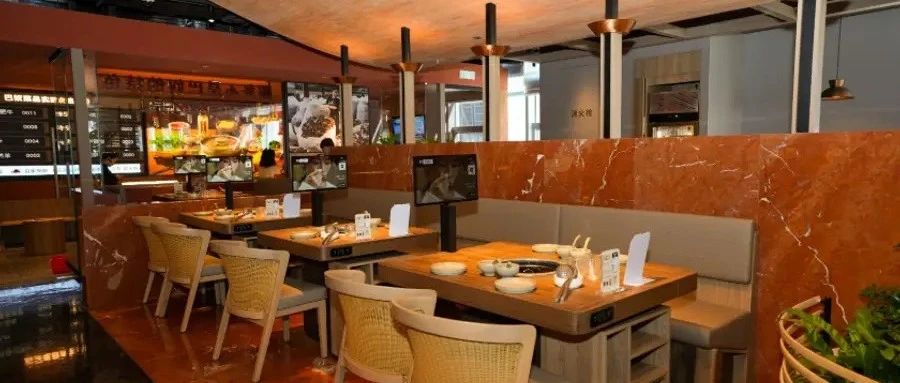
中央厨房模式

Search documents
西贝“预制菜”争议引爆行业 消费者为何“谈虎色变”?
Di Yi Cai Jing· 2025-09-12 23:11
Core Viewpoint - The ongoing dispute between entrepreneur Luo Yonghao and the restaurant brand Xibei highlights the debate over the transparency of pre-prepared dishes in the food industry, raising questions about consumer rights and industry standards [1][2][6]. Group 1: Industry Standards and Consumer Rights - Luo Yonghao criticized Xibei for serving pre-prepared dishes without clear labeling, emphasizing the importance of consumer rights to know what they are purchasing [2][6]. - Xibei's founder, Jia Guolong, responded by stating that the accusations were unfounded and announced plans to take legal action against Luo Yonghao [2][3]. - The lack of national standards for pre-prepared dishes in China has led to confusion among consumers regarding what constitutes a pre-prepared dish [4][5]. Group 2: Market Dynamics and Growth - The pre-prepared food industry in China has been growing for over 20 years, with significant growth occurring around 2014 due to rising operational costs in the restaurant sector [4]. - The market is projected to reach a scale of 10 trillion yuan by 2030, with a potential penetration rate of 15% to 20% for pre-prepared dishes, indicating a compound annual growth rate of 13% [4]. - Despite the growth, increased competition has led to declining profits for some companies, such as Weizhi Xiang, which has seen a decrease in net profits in recent years [4]. Group 3: Regulatory Developments - In 2024, several government departments will promote the clear labeling of pre-prepared dishes to enhance consumer rights and choices, although no specific law currently mandates this [7][8]. - The Consumer Rights Protection Law in China affirms consumers' rights to know the true nature of the products they purchase [7]. - Comparisons are drawn with Japan's mature pre-prepared food industry, which benefits from strict regulations and standards, ensuring higher consumer trust and food safety [7][8]. Group 4: Understanding of Pre-prepared Dishes - There is a discrepancy between consumer and brand perceptions of what constitutes a pre-prepared dish, leading to misunderstandings [8][9]. - The central kitchen model is widely adopted in the restaurant industry, allowing for standardized production and improved food safety, which is crucial for scaling operations [9].
罗永浩与西贝的预制菜争议引爆行业,消费者为何“谈虎色变”
第一财经· 2025-09-12 15:55
Core Viewpoint - The ongoing dispute between entrepreneur Luo Yonghao and the restaurant brand Xibei highlights the debate over whether pre-prepared dishes represent progress in the industrialization of dining or a disregard for consumer rights. This controversy reveals the lack of standards and clear definitions in the pre-prepared food industry, as well as the disconnect between consumer perceptions and industry practices [3][5][9]. Group 1: Dispute Overview - Luo Yonghao criticized Xibei for serving mostly pre-prepared dishes at high prices, emphasizing the importance of consumer rights to know what they are purchasing [5][6]. - Xibei's founder, Jia Guolong, responded by stating that Luo's claims were false and announced plans to take legal action against him. Xibei also committed to transparency by publishing detailed preparation processes for their dishes and allowing customers to tour their kitchens [6][8]. Group 2: Industry Context - The pre-prepared food industry in China has been developing for over 20 years, primarily known to B-end operators before gaining consumer awareness around 2014. The COVID-19 pandemic accelerated this trend, leading to significant growth in the sector [8][9]. - The industry is projected to grow, with estimates suggesting that by 2030, the restaurant sector could exceed 10 trillion yuan, with pre-prepared food penetration rates reaching 15% to 20%, resulting in a B-end market size of 500 billion yuan and a C-end market size of 700 billion yuan, with a compound annual growth rate of 13% [8][9]. Group 3: Regulatory Environment - Currently, there are no national standards for pre-prepared foods in China, leading to inconsistencies across regions. However, recent government initiatives are promoting transparency regarding the use of pre-prepared foods in restaurants to protect consumer rights [10][11]. - The 2024 joint notice from various government departments emphasizes the need for restaurants to disclose the use of pre-prepared foods, aligning with consumer rights laws that grant consumers the right to know the true nature of the products they purchase [10][11]. Group 4: Consumer Perception and Industry Practices - There is a significant gap in understanding between consumers and brands regarding what constitutes pre-prepared food. Many consumers mistakenly believe that simply using pre-cut or cleaned ingredients qualifies as pre-prepared food [11][12]. - The central kitchen model is widely adopted in the restaurant industry, allowing for standardized production and distribution, which enhances food safety and operational efficiency. This model is seen as a key advancement in the industry, addressing issues of food safety and consistency across locations [13][14].

京东盯上了“幽灵外卖”
Jing Ji Wang· 2025-07-28 06:03
Core Viewpoint - JD.com has launched a "Dish Partner" recruitment program, investing 1 billion yuan to recruit partners for 1,000 signature dishes, aiming to enhance food quality and combat "ghost takeout" issues in the food delivery industry [1][3][4]. Group 1: Industry Context - The Chinese food delivery market is projected to exceed 1.2 trillion yuan in 2024, with a user base reaching 690 million, indicating significant growth in consumer habits towards mobile food ordering [1]. - The prevalence of "ghost takeout" businesses, which operate without proper licenses and often share addresses, poses a challenge to the industry, as highlighted by past reports and ongoing issues [3][4]. Group 2: JD.com's Strategy - JD.com aims to shift from a mere intermediary role to a "central kitchen" model, where chefs will participate in recipe development, and the platform will oversee cooking and quality control, thereby addressing the "ghost takeout" problem [4][6]. - The initiative is expected to enhance transparency regarding food preparation and sourcing, which has been a long-standing concern among consumers [6]. Group 3: Future Implications - The success of JD.com's 1 billion yuan investment and the recruitment of chefs to provide recipes will be critical in determining the effectiveness of this new model [6]. - The move is seen as a potential disruptor in the established food delivery market, encouraging service upgrades and product innovation [6].


递交港上市申请 巴奴为投资者奉上“高端火锅”
BambooWorks· 2025-06-20 02:03
Core Insights - The article highlights the complex landscape of the Chinese dining market, where consumer spending is cautious despite an increase in dining frequency [1][4] - Banu International Holdings Limited has submitted its application for a Hong Kong IPO, aiming to raise over $100 million, positioning itself as a significant player in the high-end hot pot market [1][4] Group 1: Company Performance - Banu's revenue for Q1 increased by 26% year-on-year to 709 million yuan, up from 564 million yuan in the same period last year, largely driven by store expansion [4] - The number of customers served in Q1 rose by 40% year-on-year to 5.41 million, compared to 3.87 million in the previous year, while the table turnover rate improved from 3 times to 3.7 times per day [4] - Despite the increase in customer traffic, the average spending per customer decreased by 5.3% to 138 yuan, down from 148 yuan in the same period last year [4] Group 2: Market Position and Strategy - Banu is the third-largest hot pot chain in China with a market share of 3.1%, focusing on high-end positioning while expanding into lower-tier markets, with nearly 80% of its 145 stores located in second-tier cities and below [5] - The company plans to significantly expand its footprint by opening 177 new stores over the next three years, with 52 planned for next year, 61 in 2026, and 64 in 2027 [5] - Banu's reliance on a central kitchen system enhances operational efficiency and maintains a stable dining experience, contributing to a restaurant operating profit margin increase from 21.3% in 2023 to 23.7% in Q1 of this year [6] Group 3: Competitive Landscape - Banu's performance is compared to Haidilao, which had a lower average spending per customer of 97.5 yuan last year, with a modest decline of 1.6% to 99.1 yuan in 2023 [4] - The market for high-end hot pot is relatively fragmented, with the top five brands holding only 8.1% of the market share, indicating potential for Banu to grow further [5] - Banu's estimated market valuation ranges from 2 billion to 4 billion yuan based on comparable valuation methods, presenting an attractive investment opportunity for Hong Kong investors [6]