
中小学春秋假

Search documents
南京今年将统筹安排中小学“春秋假”
Xin Lang Cai Jing· 2026-01-21 10:20
Core Viewpoint - The Nanjing government is planning to implement "spring and autumn breaks" for primary and secondary schools starting this year, aligning with broader initiatives to enhance family consumption and tourism [1] Group 1: Government Initiatives - The Nanjing government, represented by Mayor Li Zhongjun, announced plans to enrich tourism offerings and coordinate school breaks with paid leave for workers [1] - The proposal includes specific arrangements for "spring break" and "autumn break" to be set before the "May Day" and "National Day" holidays, respectively [1] Group 2: Regional Policy Context - Jiangsu province has encouraged localities to trial spring and autumn breaks for schools starting in 2025, with official measures outlined in a government document [1] - The implementation of these breaks is part of a broader strategy to stimulate consumption and create more family-oriented spending opportunities [1]
越来越多地方放春秋假
第一财经· 2025-12-17 11:42
Core Viewpoint - The article discusses the recent initiatives by the Chinese government to promote consumer demand through the implementation of spring and autumn breaks in primary and secondary schools, which are expected to boost tourism and service consumption [3][4]. Group 1: Implementation of School Breaks - The Central Economic Work Conference emphasized the need to effectively release consumer demand potential by supporting the implementation of spring and autumn breaks in schools [3]. - Several regions, including Sichuan and Zhejiang, have already implemented the spring and autumn break system, while cities like Foshan and Hanzhong are exploring similar initiatives [5]. - The Ministry of Commerce and other departments have encouraged localities to adjust school holiday schedules to promote service consumption, particularly in tourism [4][5]. Group 2: Impact on Tourism and Consumption - The introduction of school breaks has led to increased tourist traffic in various cities and scenic spots, with some areas experiencing visitor saturation [6]. - In Jilin Province, the first "snow holiday" resulted in a 41% year-on-year increase in flight and train ticket bookings, and a 30% increase in hotel and accommodation reservations [6]. - The trend indicates a preference for local and nearby travel destinations, contributing to a more stable tourism market during off-peak seasons [6].

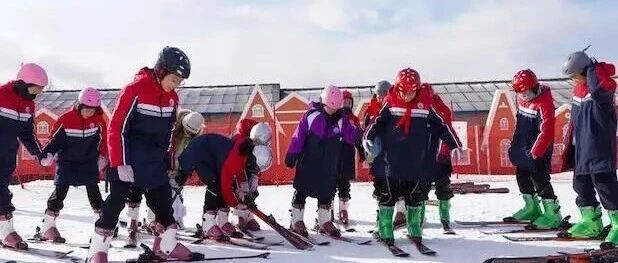
“雪假”不只是“旅游假”,因地制宜设假期或是趋势
Nan Fang Du Shi Bao· 2025-12-01 07:16
Core Insights - The introduction of "snow holidays" in provinces like Xinjiang and Jilin aims to boost tourism and enhance student engagement in winter sports, following the earlier implementation of spring and autumn holidays in provinces such as Zhejiang, Sichuan, and Guangdong [1][2] - The "snow holiday" concept is part of a broader strategy to stimulate cultural and tourism consumption by creating additional vacation time outside of the fixed statutory holidays [1][2] - Local governments are encouraged to develop unique holidays based on regional characteristics to promote tourism and economic growth, as highlighted by the National Development and Reform Commission's initiative [2][3] Group 1 - The "snow holiday" in Jilin is specifically designed to promote the ice and snow market, offering free admission to students at tourist attractions and discounts for parents [1][2] - The initiative is expected to activate the winter tourism market by encouraging family participation in ice and snow activities [1][2] - The implementation of "snow holidays" is supported by policies that prioritize time off for parents to accompany their children, enhancing family bonding and community engagement [2] Group 2 - The concept of "snow holidays" is seen as a means to improve student health, broaden their horizons, and foster family harmony, beyond just tourism [2] - Local governments are exploring the establishment of holidays that reflect local cultural resources, such as a potential "scented pouch holiday" to promote traditional culture [3] - While local holidays may primarily attract regional tourists, there is a need to develop strategies to draw in visitors from outside the area to maximize economic benefits [3]
600余个专项活动、10万名学生参加校内托管 四川多地中小学生首个秋假收官 探索从“放得下”到“玩得好”
Si Chuan Ri Bao· 2025-11-18 00:09
Core Insights - The article highlights the popularity of educational trips during the autumn break in Sichuan, with a focus on the various activities and programs designed for students [2][3][4] Group 1: Educational Activities - Sichuan has launched over 600 specialized activities for primary and secondary school students during the autumn break, including research-based learning and cultural experiences [3] - Popular destinations for students include museums and historical sites, with many institutions offering free admission during the break [3][4] - The provincial government has planned several premium educational routes focusing on themes such as ancient Shu civilization, ecological exploration, and red gene inheritance [3] Group 2: Student Care Services - To address concerns about travel and supervision, Sichuan has optimized both on-campus and off-campus care services, with around 100,000 students participating in these services during the autumn break [4] - Various schools have organized engaging activities, such as games and film screenings, to keep students entertained and foster friendships [4][5] - Volunteer programs involving university students have been implemented to provide enriching experiences for those who did not travel [4] Group 3: Challenges and Recommendations - Issues such as ticket scarcity for high-speed trains and the homogenization of educational trips have been identified as shortcomings in the supporting services [6] - Parents have expressed concerns about the rushed nature of travel arrangements, suggesting that staggered holiday schedules could alleviate travel stress [7] - Experts advocate for a collaborative approach between staggered holiday policies and parental leave to reduce childcare pressures and travel costs [7]

秋假密集推行,九寨沟、上海迪士尼等多地景区“长满”中小学生
第一财经· 2025-11-17 15:19
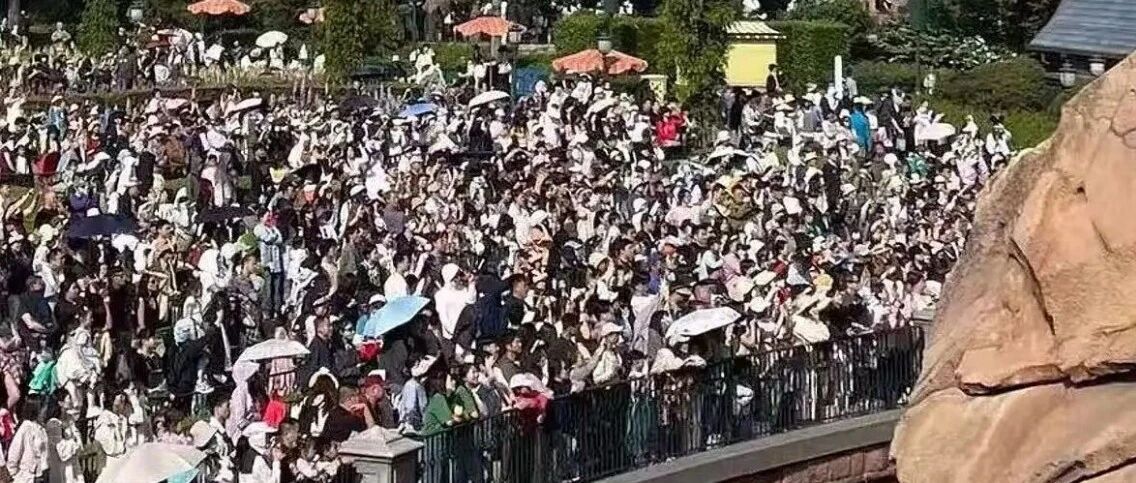
Core Viewpoint - The implementation of spring and autumn breaks in primary and secondary schools is gaining traction across various regions in China, aimed at reducing academic pressure and boosting consumer spending through family travel opportunities [2][4][5]. Group 1: Policy Implementation - Sichuan and Zhejiang provinces have fully implemented the spring and autumn break system for primary and secondary schools [2]. - Other cities like Foshan, Hanzhong, and Enshi are also exploring the implementation of spring and autumn breaks [2]. - The central government has encouraged local areas to explore the setting of spring and autumn breaks while maintaining the total number of school days and teaching hours [4]. Group 2: Impact on Consumer Behavior - The establishment of spring and autumn breaks is expected to promote family travel, thereby stimulating consumption in the tourism sector [5]. - Various regions have scheduled autumn breaks, with many cities aligning these breaks with weekends to create extended holiday periods [4]. Group 3: Tourism Surge - The autumn breaks have led to a significant increase in tourist traffic at various scenic spots, with some locations experiencing visitor saturation and implementing crowd control measures [6]. - Popular tourist destinations like Jiuzhaigou and Shanghai Disneyland reported full bookings during the autumn break period, indicating a strong demand for travel [7][8]. - Data from travel platforms show a substantial increase in travel bookings, with train ticket orders from Chengdu to Jiuzhaigou up by 116.7% year-on-year and Jiuzhaigou ticket reservations up by 158% [8].
焦点访谈 | 如何让春秋假兼顾温度与实效?各地多元探索新可能
Yang Shi Wang· 2025-11-17 13:31
Core Viewpoint - The introduction of spring and autumn breaks in primary and secondary schools across various provinces in China aims to enhance family bonding, provide students with a much-needed respite from their studies, and stimulate the tourism and educational sectors [1][5][9]. Group 1: Implementation and Structure - Spring and autumn breaks have been implemented in provinces such as Hubei, Guangdong, and Zhejiang, with Sichuan recently announcing a comprehensive rollout of a 3-day break for each season [3][5]. - The policy in Sichuan allows schools to adjust the timing of breaks based on local conditions, provided they consult with parents and report to the education bureau [3][5]. Group 2: Educational and Social Considerations - The rationale behind spring and autumn breaks includes addressing the accelerated learning pace of students and providing them with opportunities to recharge, akin to a breather during a long-distance run [5]. - These breaks also create valuable time for parent-child interactions, as traditional long holidays often coincide with peak travel times, making experiences less enjoyable due to overcrowding [7][9]. Group 3: Economic Impact - The establishment of spring and autumn breaks is seen as a new driver for social consumption, with government initiatives encouraging localities to explore this option to boost service consumption [7][9]. - Following the announcement of autumn breaks in Sichuan, there was a reported 32% increase in the browsing of leisure products and a 39% increase in bookings compared to the previous year [9]. Group 4: Challenges and Solutions - A significant concern is the mismatch between student holidays and parental work schedules, leading to difficulties in family bonding during these breaks [10][12]. - Various regions are addressing this issue through school-based care programs, study camps, and collective outings, with cities like Hangzhou establishing numerous care points for students during the autumn break [12][14]. - Rural areas face challenges such as a lack of care facilities and resources, leading to a higher proportion of children being left unsupervised during breaks [19][22]. Group 5: Future Considerations - Experts suggest that successful implementation of spring and autumn breaks requires collaboration among schools, families, and communities, as well as the establishment of paid leave policies to align parental and student schedules [22][24]. - The broader significance of these breaks extends beyond mere time off; they represent a shift in educational philosophy, emphasizing learning experiences outside the classroom and addressing the needs of working families and left-behind children [24].

秋假密集推行,多地景区“长满”中小学生
Di Yi Cai Jing· 2025-11-17 13:30
Core Insights - The implementation of spring and autumn breaks in primary and secondary schools is gaining traction across various provinces in China, including Sichuan and Zhejiang, with the aim of boosting consumer spending and enhancing students' well-being [2][3] Group 1: Policy Developments - Several provinces, including Sichuan and Zhejiang, have fully implemented spring and autumn break systems for primary and secondary schools [2] - The Jiangsu provincial government has encouraged localities to explore the establishment of spring and autumn breaks before the "May Day" and "National Day" holidays [2] - The central government has emphasized the need to optimize student holiday arrangements to promote service consumption [2] Group 2: Impact on Tourism - The introduction of autumn breaks has led to increased tourist traffic in various scenic spots, particularly in Zhejiang and Sichuan, with some locations experiencing visitor saturation and implementing crowd control measures [4] - Popular tourist destinations like Jiuzhaigou and Shanghai Disneyland have reported sold-out tickets during the autumn break period, indicating a surge in family travel [5] - Data from Meituan Travel shows a significant increase in travel bookings from Chengdu to scenic areas, with train ticket orders up by 116.7% and Jiuzhaigou ticket reservations up by 158% year-on-year [5] Group 3: Economic Implications - The establishment of spring and autumn breaks is expected to alleviate academic pressure on students and promote family travel, potentially driving up consumer spending [3] - The average price of domestic round-trip flights to popular destinations during the autumn break has increased by approximately 7% compared to last year, reflecting heightened demand [5]
多地密集宣布推行中小学春秋假
第一财经· 2025-11-10 09:31
Core Viewpoint - The implementation of spring and autumn breaks in primary and secondary schools is gaining traction across various regions in China, aimed at reducing academic pressure and promoting family travel, thereby stimulating consumption [5][6]. Group 1: Policy Implementation - In Hanzhong City, a notification was issued to officially implement spring and autumn breaks for primary and secondary schools, with each break lasting three days, aligning with public holidays and weekends [3]. - Sichuan Province has also adopted the spring and autumn break system, allowing local authorities to customize the schedule based on regional needs, with breaks generally set around April-May and October-November [4]. - By October 9, all 11 districts in Jiangsu Province had released related documents to implement the spring and autumn break system, with most cities scheduling autumn breaks in November [4]. Group 2: Educational and Economic Impact - The introduction of spring and autumn breaks is expected to alleviate students' academic burdens and enhance their physical and mental health, while also encouraging family travel, which could boost local consumption [5]. - The central government has encouraged regions to explore the establishment of spring and autumn breaks as part of broader consumption-boosting measures, allowing for adjustments in the academic calendar to facilitate travel and service consumption [5]. Group 3: Support for Parents - To address concerns about parents not having time off during these breaks, many regions are implementing school-based childcare services, allowing parents to send their children to school for free supervision during the breaks [6]. - Schools are planning various activities during the breaks, including sports, reading, and practical experiences, to keep students engaged and provide a supportive environment [6].

多地密集宣布推行中小学春秋假
Di Yi Cai Jing· 2025-11-10 09:13
Core Points - The implementation of spring and autumn breaks for primary and secondary schools is gaining traction across various regions in China, aimed at enhancing student well-being and boosting consumer spending [1][2][3] Group 1: Policy Implementation - The Han Zhong City Education Bureau and other departments have officially launched the spring and autumn break system, with each break lasting three days, aligning with public holidays and weekends [1] - In Sichuan Province, a similar initiative has been adopted, allowing for flexible scheduling based on local conditions, with breaks generally set around April-May and October-November [1][2] - As of October 9, all 11 districts in Jiangsu Province have released related documents to implement the spring and autumn break system, with most cities scheduling autumn breaks in November [2] Group 2: Economic Impact - The introduction of spring and autumn breaks is expected to stimulate service consumption, particularly in tourism, as families may take advantage of the breaks for travel [3] - The policy aligns with national strategies to boost consumption, as outlined in the "Special Action Plan to Boost Consumption" released by the Central and State Councils [3] Group 3: Support for Parents - Schools are responding to concerns about parents' availability during breaks by offering free childcare services, ensuring that students are engaged in various activities while in school [4][5] - The childcare services will include access to school facilities and organized activities, addressing the potential issue of students being bored during their time off [4]
春秋假,收好这份“季节的礼物”(教育时评)
Ren Min Ri Bao· 2025-11-01 21:52
Core Viewpoint - The introduction of spring and autumn breaks in schools is aimed at enhancing educational experiences and boosting consumer spending, while also addressing the need for a balanced approach to holiday structuring [2][3]. Group 1: Policy and Implementation - The Central and State Offices have issued guidelines encouraging localities to explore the establishment of spring and autumn breaks for primary and secondary schools, allowing for adjustments based on local conditions [2]. - Various regions are implementing these breaks differently, with Ningbo, Zhejiang, introducing 3-day breaks in spring and autumn, and Enshi, Hubei, mandating at least one week for each break [2]. Group 2: Impact on Education and Family - The new holiday structure allows families to engage in diverse activities, promoting quality time and educational experiences outside the classroom, such as nature exploration and cultural visits [3][4]. - Concerns have been raised about potential negative impacts on students' learning and supervision during breaks, particularly for dual-income families [3]. Group 3: Economic Implications - The spring and autumn breaks are expected to redistribute consumer spending, enhance demand structure, and contribute to regional economic balance [3]. - The tourism and cultural sectors are experiencing increased activity as families take advantage of the staggered holiday schedule [3]. Group 4: Educational Philosophy - The value of holidays should align with educational goals, emphasizing experiential learning over traditional academic pressures, allowing children to gain knowledge and skills through diverse experiences [4].