
中小银行资本补充

Search documents
今年首笔260亿元中小银行专项债发行
Zheng Quan Ri Bao· 2025-07-23 16:50
Core Viewpoint - The issuance of special bonds to support small and medium-sized banks in Jilin Province marks a significant step in addressing capital shortages and enhancing risk resilience in the banking sector [1][2]. Group 1: Issuance Details - Jilin Province's Finance Department completed the public tender for the first tranche of special bonds for small and medium-sized banks, amounting to 26 billion yuan, with a 10-year maturity and a coupon rate of 1.76% [1]. - The total issuance of special bonds for small and medium-sized banks has reached 508 billion yuan nationwide, with the peak issuance period from 2021 to 2023 accounting for 87% of the total [2]. Group 2: Purpose and Background - The special bonds aim to alleviate the capital constraints and risk accumulation faced by small and medium-sized banks, which struggle to raise capital through market mechanisms [2][3]. - The issuance of these bonds began in 2020, with a total of 550 billion yuan allocated for capital supplementation of small and medium-sized banks from 2020 to 2022 [1]. Group 3: Future Trends - The issuance of special bonds is expected to slow down in 2024, as regulatory bodies encourage small and medium-sized banks to enhance their capital-raising capabilities through market reforms [3][4]. - The role of special bonds is shifting from a primary tool for capital supplementation to a more auxiliary function, serving as a safety net rather than a regular funding source [3][4].
中小银行增资“补血”进行时
3 6 Ke· 2025-07-21 04:03
Group 1 - A new wave of capital replenishment is occurring among small and medium-sized banks, with over 120 city commercial banks and rural commercial banks having approved capital increase plans or completed capital changes since early 2025 [1][2] - The capital replenishment needs reflect the objective requirements of bank business development, as sufficient capital is essential for credit issuance and risk resistance [2][7] - Local governments and state-owned enterprises play a significant role in the capital replenishment of small and medium-sized banks, enhancing capital strength and optimizing equity structure [7][17] Group 2 - Recent capital increases by banks such as Zhangjiakou Bank and Luzhou Bank indicate a trend towards raising core capital through methods like private placements and public offerings [4][12] - The positive effects of capital increases include improved capital adequacy ratios, enhanced risk resistance, and potential governance structure optimization through the introduction of strategic investors [8][10] - However, challenges such as share dilution, cost pressures, and the need for effective integration of new resources may arise from these capital increases [10][12] Group 3 - Compared to large state-owned banks, small and medium-sized banks face more severe challenges in capital replenishment, with capital adequacy ratios significantly lower than their larger counterparts [13][15] - The reliance on local government support and state-owned capital for short-term capital relief highlights the need for a sustainable capital replenishment mechanism based on improved operational performance [15][18] - The current low-interest-rate environment and tightening regulatory requirements necessitate adjustments in revenue structures for banks to maintain growth and profitability [18]

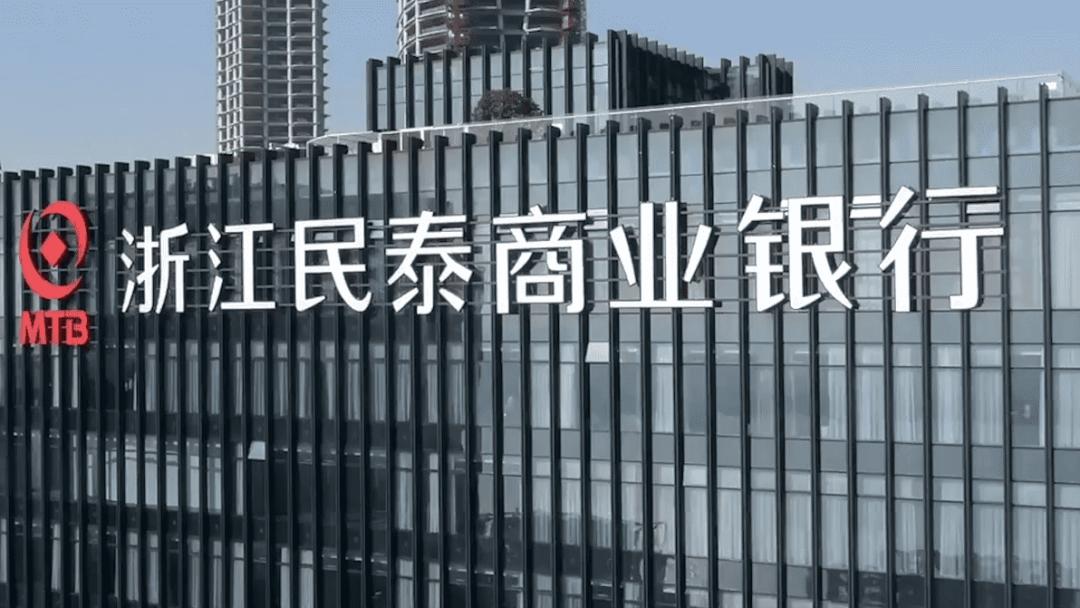
“补血”提速!地方中小银行密集增资扩股
Bei Jing Shang Bao· 2025-07-16 13:54
Group 1 - Local small and medium-sized banks are actively raising capital to enhance their core tier capital and improve capital adequacy ratios, with notable examples including Shangrao Bank, which raised 3.867 billion yuan through the issuance of 1.244 billion shares [1][3] - Several banks, including Hengshui Bank and Baoding Bank, have also engaged in capital increases through targeted share issuances, reflecting a broader trend among local banks to strengthen their financial positions [3][4] - The involvement of state-owned enterprises in these capital increases is expected to stabilize and improve the governance structures of these banks, allowing for better alignment with local economic development policies [4][5] Group 2 - The capital adequacy ratios of small and medium-sized banks are significantly lower than those of large commercial banks, with urban commercial banks and rural commercial banks at 12.44% and 12.96% respectively, compared to 17.79% for large banks [5][6] - The rising non-performing loan rates among small and medium-sized banks, driven by the financial pressures faced by their core clientele—small and medium-sized enterprises—have necessitated these capital increases [4][5] - Analysts suggest that a sustainable capital replenishment mechanism for small and medium-sized banks should focus on enhancing operational performance and developing market-oriented financing channels [6][7] Group 3 - Short-term capital injections from state-owned enterprises and other major shareholders can alleviate immediate capital pressures but do not address long-term sustainability issues [6][7] - Recommendations for small and medium-sized banks include targeting capital resources towards key regional enterprises, supporting green low-carbon industries, and providing tailored credit support to stable small and micro enterprises [7][8]

中小银行二永债发行节奏加快
Zhong Guo Jing Ying Bao· 2025-06-20 16:03
Core Viewpoint - The issuance of subordinated and perpetual bonds (referred to as "subordinated bonds") by several small and medium-sized banks has accelerated since June, driven by the need for capital replenishment amid tightening regulatory policies and declining net interest margins [1][3]. Group 1: Recent Issuances - Chongqing Three Gorges Bank issued 3.5 billion yuan in perpetual bonds with a coupon rate of 2.69%, significantly lower than the 4.8% rate from a previous issuance in October 2020 [2][3]. - Tianjin Rural Commercial Bank successfully issued 2 billion yuan in subordinated bonds at a record low interest rate of 2.50%, down from 4.28% in August 2020 [2][3]. - Shunde Rural Commercial Bank plans to issue subordinated bonds worth 3.5 to 4.5 billion yuan, with an expected interest rate range of 2.1% to 2.6% [2]. Group 2: Market Conditions - The People's Bank of China reduced the reserve requirement ratio for financial institutions, which has led to increased liquidity and lower financing costs in the bond market [2][4]. - The issuance of subordinated bonds is expected to reach between 800 billion and 1 trillion yuan in the second and third quarters of 2025, driven by the urgent capital needs of small and medium-sized banks [3][4]. Group 3: Capital Adequacy and Regulatory Environment - As of March 2025, the capital adequacy ratio for city commercial banks was 12.44%, and for rural commercial banks, it was 12.96%, both below the industry average [4][5]. - Regulatory policies continue to tighten capital constraints on small and medium-sized banks, increasing their demand for external capital [3][5]. - The issuance of subordinated bonds has been concentrated in economically developed regions such as Jiangsu, Zhejiang, and Guangdong, which account for over 70% of the total issuance [5][6]. Group 4: Future Outlook - Tianjin Rural Commercial Bank aims to enhance its risk resistance and support regional economic development through increased credit allocation, leveraging capital replenishment as an opportunity for structural reform [3][4]. - The trend of capital replenishment through bond issuance and shareholder capital increases is expected to continue, particularly for banks with strong local government backing [6].