代谢功能障碍相关脂肪性肝炎(MASH)

Search documents
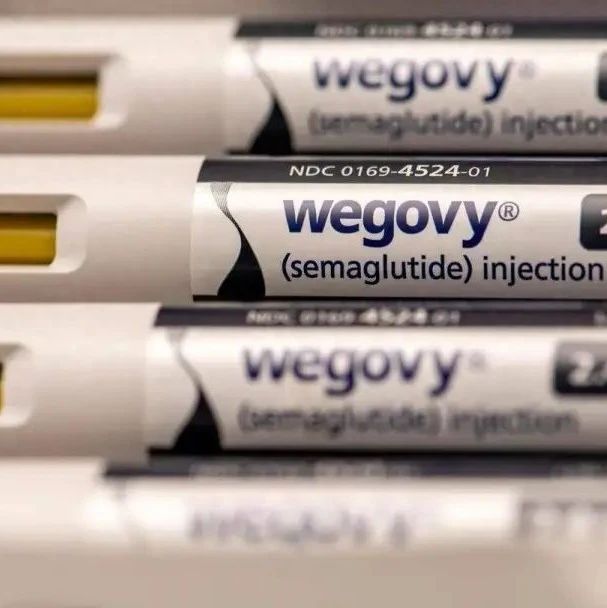
命运迎来反转?诺和诺德Wegovy获FDA批准用于治疗MASH
美股IPO· 2025-08-18 15:15
Core Viewpoint - Novo Nordisk's weight loss drug Wegovy has recently received FDA approval for a new indication, allowing it to be used for the treatment of metabolic dysfunction-associated steatotic liver disease (MASH), which has positively impacted the company's stock price, increasing it by up to 5% [1][3]. Group 1 - The approval signifies that Novo Nordisk has gained a first-mover advantage in the lucrative GLP-1 drug market by expanding the indication from weight loss to liver disease [5][7]. - Wegovy's application now includes treatment for adults with moderate to severe liver fibrosis associated with MASH, providing new treatment options for patients suffering from this serious liver condition [9]. - Analysts believe that this approval could help Novo Nordisk reverse its declining market performance, which has seen its market value nearly halved due to intense competition in the obesity market [6][8]. Group 2 - Wegovy is well-known for its significant weight loss effects, which have contributed to a rapidly growing market, and expanding its application will enhance its competitive position [7]. - The company faces pressure from cheaper generics and more effective competitors like Eli Lilly's Zepbound, making the expansion of Wegovy's uses a crucial step to support demand for its flagship product [8]. - The approval is seen as a critical development for Novo Nordisk, especially after a challenging start to the year [6].


司美格鲁肽,如何发挥功效逆转脂肪肝?
GLP1减重宝典· 2025-08-03 09:07
Core Viewpoint - The article discusses the significant role of GLP-1 receptor agonists, particularly semaglutide, in treating metabolic dysfunction-associated steatohepatitis (MASH) and its mechanisms beyond weight loss [6][12]. Group 1: Mechanism of Action - Semaglutide shows a strong effect on blood sugar control and weight loss, rapidly gaining recognition as a "miracle drug" for weight management [6]. - A recent study published in *Nature Medicine* reveals that semaglutide not only aids in weight loss but also has direct effects on liver tissue, indicating multiple pathways of action [6][12]. - Mediation analysis indicates that approximately 69.3% of the total effect on MASH relief can be attributed to weight loss, while the contribution to combating liver fibrosis drops to only 25.1%, suggesting other mechanisms are at play [7][12]. Group 2: Protein Analysis - The study identified 72 proteins associated with MASH relief and semaglutide treatment, many of which are linked to metabolic, fibrotic, or inflammatory pathways [9]. - In a separate cohort, these proteins were found to be abnormally expressed in MASH patients, and their levels normalized after semaglutide treatment, indicating a "reset" of pathological protein profiles [9][11]. Group 3: Animal Studies - Animal models demonstrated that semaglutide can inhibit fibrosis independently of weight loss, with significant reductions in liver fibrosis markers observed even in models that did not gain weight [10][11]. - The gene expression profiles in liver tissues showed downregulation of genes related to inflammation and collagen synthesis, confirming direct anti-fibrotic mechanisms [10][11]. Group 4: Future Implications - The research presents a comprehensive view of semaglutide's action against MASH, highlighting that while weight loss is a crucial mechanism, there are additional molecular effects that contribute to its efficacy [12][14]. - If future trials validate the predictive value of the identified protein markers, they could serve as dynamic biomarkers for early identification, personalized treatment, and efficacy monitoring in MASH patients [12][14].
江苏大学发表最新Cell子刊论文
生物世界· 2025-07-06 02:50
Core Viewpoint - The increasing prevalence of metabolic dysfunction-related fatty liver disease (MASH) necessitates the development of new therapeutic strategies, as current treatment options are limited and the patient population is growing rapidly [2][5]. Group 1: MASH Overview - Approximately 100 million people globally are currently affected by MASH, with projections indicating this number could rise to 357 million by 2030 [2]. - MASH is a critical factor in the progression of liver cirrhosis and hepatocellular carcinoma, and it is a leading cause of liver transplants [2]. Group 2: Research Findings - A new strategy for large-scale acquisition of artificial cell-derived vesicles (ACDV) has been proposed, which allows for the safe and stable oral delivery of RNA drugs targeting the liver [3]. - The study demonstrated that LIMA1 siRNA (siLIMA1) delivered via the modified ACDV effectively inhibited LIMA1 protein expression in the liver, thereby preventing MASH progression and improving liver function [3][11]. Group 3: Mechanism of Action - The development of drugs targeting metabolism, inflammation, and fibrosis is crucial, as excessive accumulation of fats and other metabolic substrates leads to chronic inflammation and liver cell damage [5]. - LIMA1 gene silencing is identified as a promising therapeutic approach for MASH, given its upregulation in lipotoxic liver cells and its role in liver fibrosis associated with metabolic dysfunction [5][6]. Group 4: Delivery System - The study highlights the potential of red blood cell (RBC)-derived extracellular vesicles (RBC-EV) as a non-immunogenic delivery option for RNA drugs, although challenges remain in large-scale production and half-life limitations [7]. - A feasible strategy involves generating ACDV by squeezing red blood cells, which can then be modified with DSPE-PEG and cholic acid to enhance structural integrity and liver-targeting capabilities [8][9]. Group 5: Conclusion - The research indicates that ACDV can be easily obtained and modified to achieve oral liver-targeting capabilities, with the delivery of LIMA1-siRNA showing significant therapeutic effects against MASH [13].

Results of the Votes of the Combined Shareholders' General Meeting of May 22, 2025
GlobeNewswire News Room· 2025-05-23 06:00
Core Points - Inventiva, a clinical-stage biopharmaceutical company, focuses on developing oral therapies for metabolic dysfunction-associated steatohepatitis (MASH) and announced the results of its Combined Shareholders' Meeting [1][12] - The meeting took place on May 22, 2025, in Paris, chaired by CEO Frédéric Cren [2] - All resolutions were adopted except for the 33rd resolution, which was negatively recommended by the Board of Directors [3] Voting Results - The shareholders present included 245 participants, representing a total of 90,772,892 shares and 102,984,957 votes, achieving a quorum of 65.264% [5] - Ordinary resolutions were overwhelmingly adopted, with the first resolution receiving 99.98% approval [6][10] - The 33rd resolution, which would have allowed the Board to decide on share capital increases for a company savings plan, was rejected with 90.58% against [10][11] Company Overview - Inventiva is publicly listed on Euronext Paris and Nasdaq, focusing on the research and development of oral small molecule therapies for MASH and other unmet medical needs [12][13] - The company is currently evaluating lanifibranor in a pivotal Phase 3 clinical trial for MASH treatment [12]



Cell子刊:揭开FGF21为何能够逆转严重脂肪肝
生物世界· 2025-05-14 03:21
Core Viewpoint - Metabolic dysfunction-associated steatotic liver disease (MASLD) and its progressive form, metabolic dysfunction-associated steatohepatitis (MASH), are increasingly serious public health burdens with limited treatment options. Recent studies indicate that fibroblast growth factor-21 (FGF21) analogs can significantly improve MASH, although the mechanisms remain unclear [2]. Group 1 - A study published by researchers from the University of Iowa in Cell Metabolism demonstrates that FGF21 reverses MASH through coordinated actions on the central nervous system (CNS) and liver [3]. - The research team established that FGF21 exerts beneficial metabolic effects to reverse MASH by independently reducing liver triglyceride and cholesterol levels through different mechanisms [5]. - FGF21 signaling directly acts on glutamatergic neurons in the CNS, stimulating the reduction of liver triglycerides and reversing fibrosis, while also directly signaling liver cells to lower cholesterol levels [6][8]. Group 2 - Mechanistically, FGF21 increases sympathetic nervous activity in the liver, thereby inhibiting de novo lipogenesis [7]. - The core findings of the study include that FGF21 can reverse diet-induced MASH, directly signals the CNS to lower liver triglyceride levels and fibrosis, signals liver cells to reduce cholesterol during MASH, and enhances liver sympathetic nervous activity while decreasing de novo lipogenesis [8]. - Overall, these findings provide a promising drug target and new insights for the treatment of MASH [10].