
企业走出去

Search documents
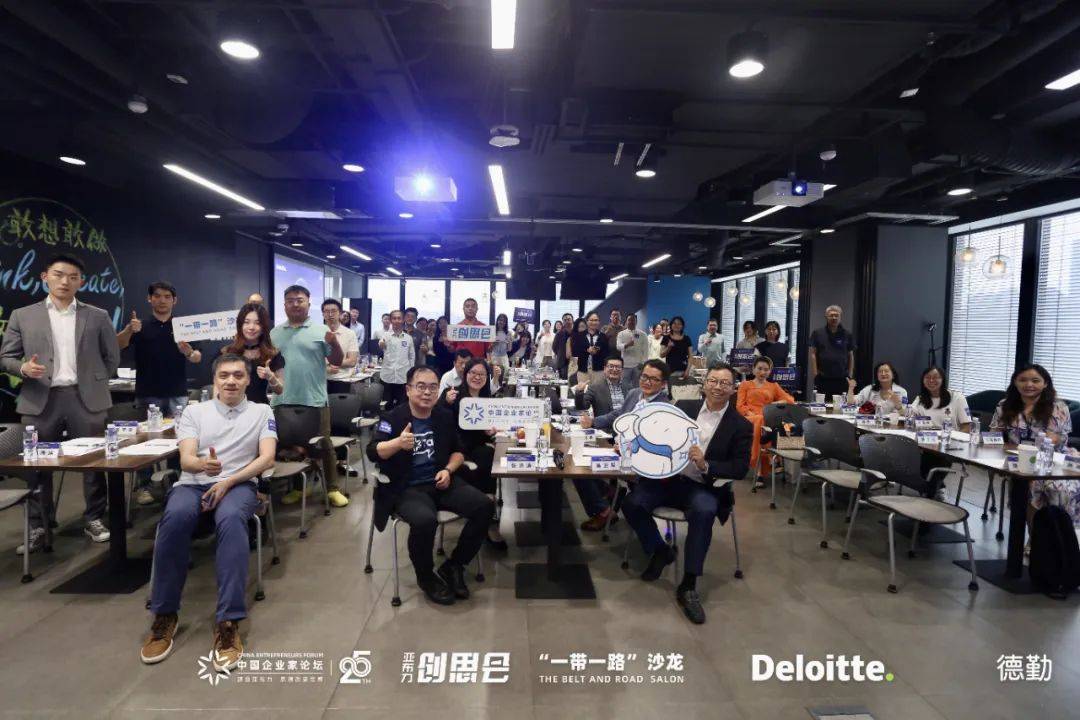
亚布力创思会“一带一路”沙龙举行|专家详解跨境投资并购法律税务与股权设计
Sou Hu Cai Jing· 2025-06-20 10:04
Core Insights - The concept of "going global" has shifted from an optional strategy to a critical necessity for companies due to increasing tariff barriers and changes in global trade dynamics [1] - A well-structured investment framework is essential for successful overseas expansion, impacting tax liabilities, risk management, and overall business sustainability [1] Group 1: Overseas Mergers and Acquisitions - Overseas mergers and acquisitions (M&A) are vital for companies to expand their market presence and acquire resources quickly [5] - Key factors in designing a cross-border M&A structure include the acquirer's financial strength, safety and convenience of entry and exit, cost savings, and compliance with local regulations [8] - Five critical considerations for M&A structure design include the type of acquisition (direct or indirect), the level of acquisition (single or multi-layer), the acquisition process (one-step or phased), payment methods (cash or shares), and the implications for transaction documents and risk allocation [8][9] Group 2: Tax Planning for Overseas Investment - Tax structure design is crucial for companies going global, directly affecting investment returns and risk exposure [10] - Common tax compliance risks for outbound investments include understanding the target country's tax system, investment structure (direct vs. indirect), financing arrangements, and personnel management [12][13] - Effective tax planning can reduce tax burdens and enhance investment flexibility, with considerations for permanent establishment risks and cross-border transactions [14] Group 3: Equity Structure for Overseas Investment - The design of equity structures for overseas investments is linked to tax, financing, legal compliance, and operational efficiency [16] - Key factors in equity structure design include the business environment of the host country, profit repatriation tax rates, and operational layout [16] - Examples of effective equity structures include setting up top-tier investment companies in tax-friendly jurisdictions to minimize tax liabilities and isolate risks [17]

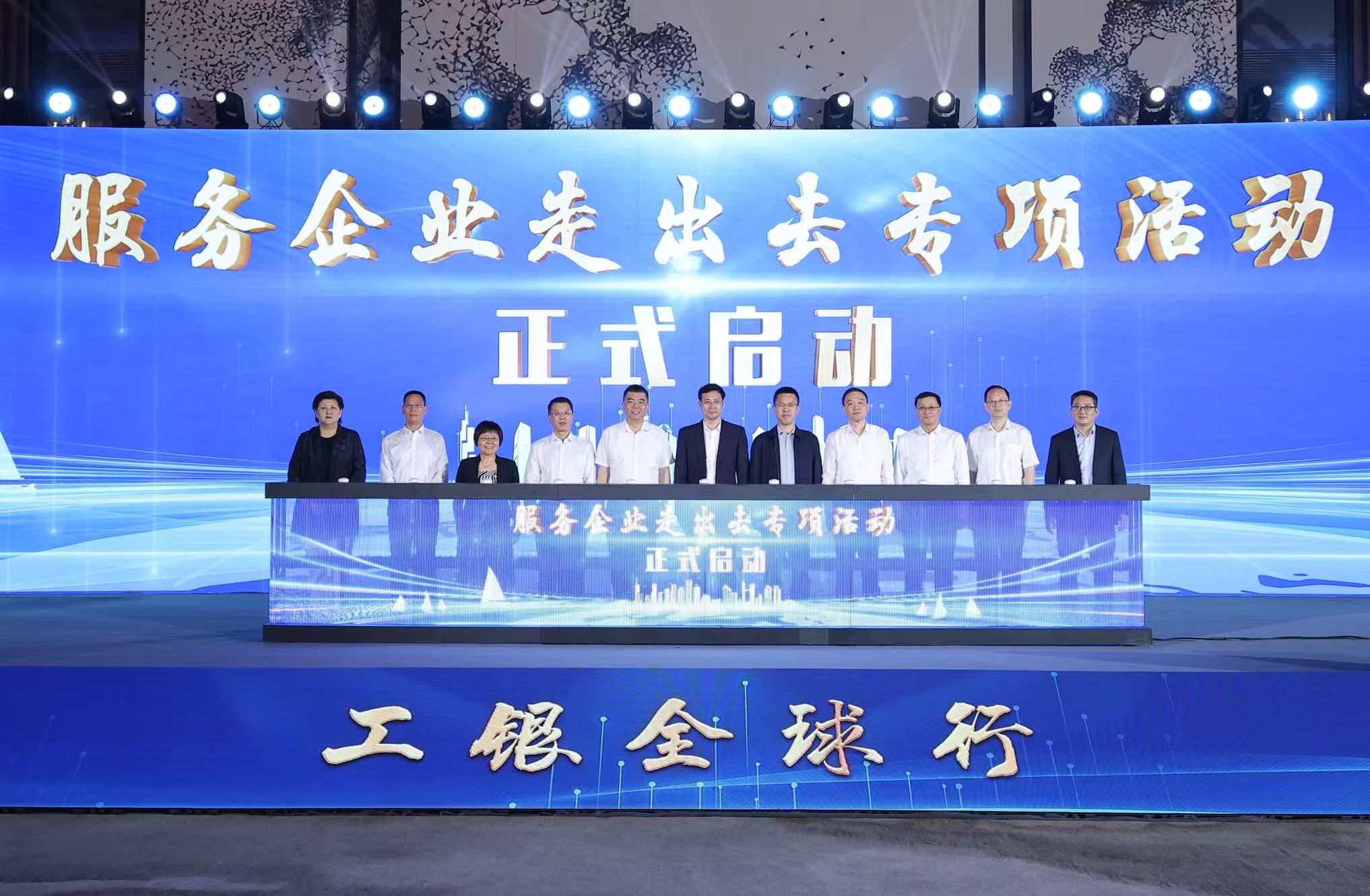
工行江苏分行联动多方构建“走出去”新生态
Jiang Nan Shi Bao· 2025-06-13 01:56
Core Viewpoint - The event organized by ICBC Jiangsu Branch aims to support Jiangsu enterprises in expanding overseas through a collaborative platform involving government, banks, and enterprises, focusing on policy guidance, resource integration, and practical sharing [1][3]. Group 1: Event Overview - The event attracted nearly 90 participating enterprises from various sectors, including new energy, biomedicine, and electronic information, highlighting the importance of cross-border financial services for Jiangsu companies [1][3]. - ICBC Jiangsu Branch, as a key financial institution, emphasizes its role in providing robust financial support to enhance the global competitiveness of Jiangsu enterprises [3][5]. Group 2: Economic Context - Jiangsu province is a leading open economy in China, with over 80,000 enterprises engaged in import and export activities, achieving an annual foreign trade volume of 5.62 trillion yuan, making it a crucial hub for domestic and international economic circulation [3][4]. - The collaboration between ICBC and China Export & Credit Insurance Corporation aims to enhance the service capabilities for enterprises looking to expand internationally, focusing on a comprehensive approach that includes information, risk control, and financing [4][5]. Group 3: Financial Services and Support - ICBC Jiangsu Branch has established a global financial service network covering 69 countries and regions, partnering with 1,463 foreign banks, which facilitates comprehensive financial solutions for enterprises venturing abroad [5][6]. - The bank has provided services to 22,000 foreign trade and foreign investment enterprises this year, with a loan balance exceeding 400 billion yuan, demonstrating its commitment to supporting the internationalization of Jiangsu businesses [7][8]. Group 4: Future Directions - The event marks a new starting point for ongoing communication between government, service institutions, and enterprises, with ICBC Jiangsu Branch planning to deepen collaboration with various stakeholders to optimize global operational layouts [8].

清华大学国家金融研究院院长、五道口金融学院副院长田轩:“走出去”是中国企业应对外部一切不确定性最重要的法宝
Mei Ri Jing Ji Xin Wen· 2025-05-17 11:31
Group 1 - The core viewpoint is that despite the uncertainties brought by the US-China tariff conflict, the Chinese market remains highly attractive to global capital due to its political stability, low corporate valuations, large market size, and human capital reserves [1][2] - China is advancing institutional opening and will keep its doors open for foreign investment, indicating a shift away from the previous state of free trade and globalization, with trade barriers and conflicts likely to persist in the future [1][2] - Companies are encouraged to innovate technologically, reduce costs, and diversify their markets to lessen dependence on the US and other single markets, while also pursuing outbound investments [1][2] Group 2 - The "going out" strategy is essential for Chinese companies to grow and strengthen their global competitiveness, despite the challenges posed by political, legal, and cultural factors [2] - Support for small and medium-sized enterprises (SMEs) affected by tariffs should combine short-term relief measures, such as tax reductions and loan extensions, with long-term strategies focused on technological innovation and market diversification [2] - To enhance domestic circulation, three major obstacles need to be addressed: breaking local protectionism, strengthening policy effectiveness assessments, and optimizing the development environment for the private economy [2][3] Group 3 - There is a need to further open financial and capital markets, as this will create a positive feedback loop with technological innovation, attracting foreign capital that can enhance corporate governance and provide long-term support for innovation [3] - The manufacturing sector is already fully open, and the next focus should be on the systematic opening of the service sector, with a caution to proceed in an orderly manner [3]
肖耿:中国企业需要继续走出去,成为真正的全球性跨国公司
经济观察报· 2025-05-16 03:58
Core Viewpoint - The article emphasizes the need for China to transform its strong supply capabilities in research and manufacturing into marketable wealth, income, and consumption [1]. Group 1: Trade and Economic Policies - The recent high-level economic talks between China and the U.S. in Geneva resulted in substantial progress on tariff policies, reflecting a multi-dimensional competition and rebalancing between the two nations [2]. - The trade imbalances between China and the U.S. are a result of their differing development models, with the U.S. adopting a strong dollar and aggressive macroeconomic stimulus, leading to long-term trade deficits, while China maintains a weak yuan and cautious economic policies, resulting in trade surpluses [2][3]. Group 2: Corporate Strategy and Globalization - Chinese companies need to explore becoming true multinational corporations by leveraging global markets, with local and central government policies supporting this initiative [4]. - The current "A+H" model of many domestic listed companies has not fully utilized Hong Kong's advantages, suggesting a potential shift towards a "dual headquarters" model for better global supply chain management [4]. Group 3: Macroeconomic Policy and Consumer Spending - The direction of macroeconomic policies to support and encourage consumption is correct, but there is a need to focus on increasing residents' income and wealth to drive fundamental changes in expectations [5].
中国贸促会会长任鸿斌会见中国进出口银行董事长陈怀宇一行
news flash· 2025-04-24 13:50
Group 1 - The meeting between the President of China Council for the Promotion of International Trade, Ren Hongbin, and the Chairman of China Export-Import Bank, Chen Huaiyu, focused on deepening international cooperation [1] - Discussions included topics such as supporting enterprises in their "going global" initiatives and creating a favorable environment for companies to expand overseas [1]