
佛教文化

Search documents
一家三口到四川成都纯玩四天花费多少钱?怎么玩攻略+注意事项
Sou Hu Cai Jing· 2025-08-23 02:37
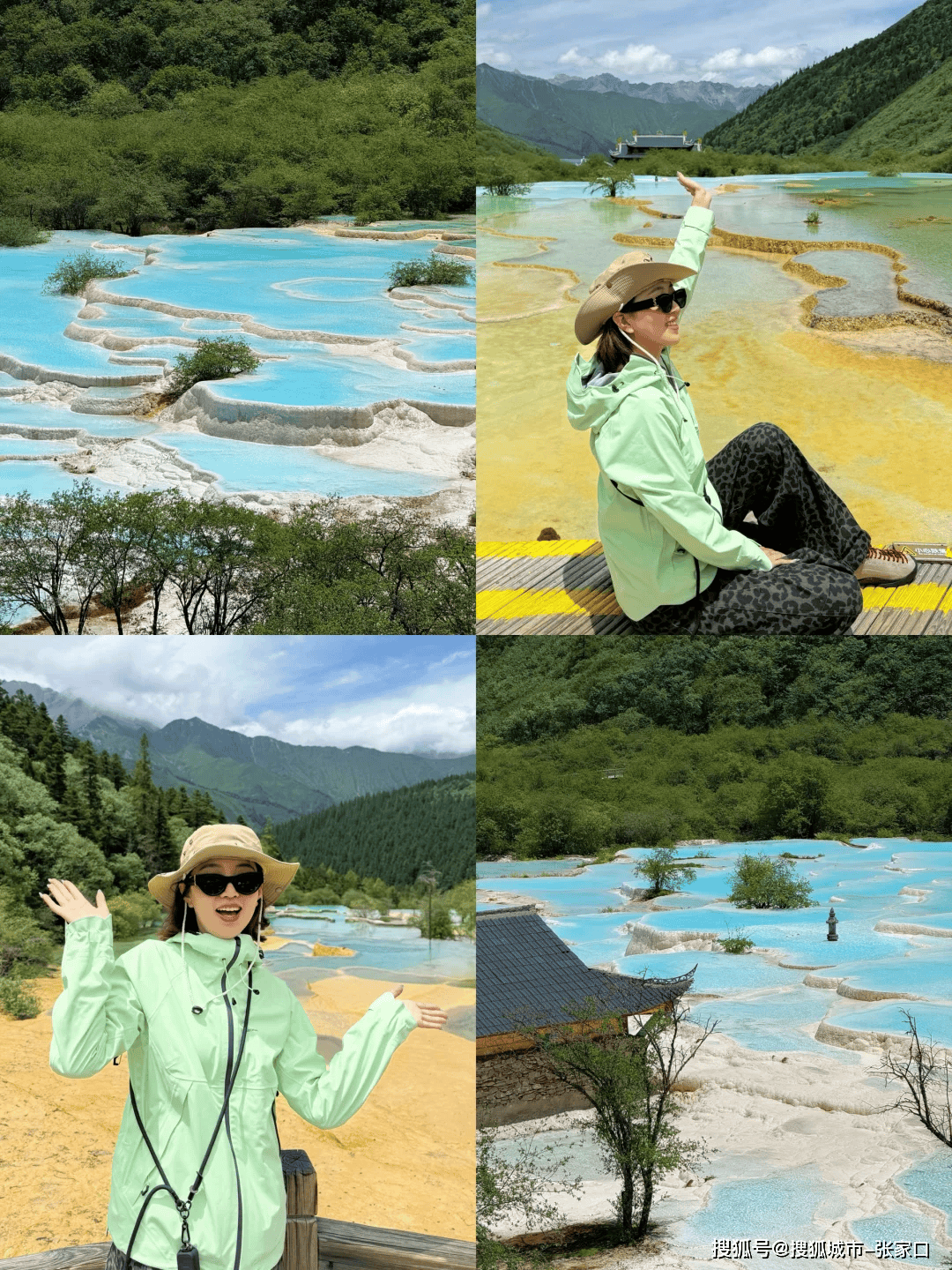
Core Viewpoint - Sichuan is highlighted as a premier travel destination in Southwest China, known for its stunning natural landscapes, rich cultural heritage, and renowned culinary offerings [1][3]. Group 1: Natural Attractions - Sichuan features breathtaking natural sites such as Jiuzhaigou, known for its colorful lakes, and Gongga Mountain, which is revered for its majestic snow-capped peaks [1]. - The vast grasslands of Ruoergai provide picturesque pastoral scenes, enhancing the region's appeal as a travel destination [1]. Group 2: Cultural Heritage - The Sanxingdui archaeological site showcases unique bronze artifacts, reflecting the ancient Shu civilization's grandeur [1]. - The Wuhou Shrine honors Zhuge Liang, a historical figure celebrated for his wisdom and loyalty, offering visitors a glimpse into the Three Kingdoms era [1]. Group 3: Culinary Scene - Sichuan cuisine is famous for its spicy and flavorful dishes, including hot pot, skewers, and various traditional dishes that captivate the taste buds [1][13]. - Signature dishes such as Mapo Tofu, Kung Pao Chicken, and Fish-Flavored Shredded Pork are highlighted for their distinctive flavors and appeal [13]. Group 4: Travel Experience - A recent four-day trip to Sichuan was organized efficiently by a local guide, showcasing the importance of knowledgeable guides in enhancing travel experiences [3][5]. - The trip included visits to various attractions, with a focus on both popular and lesser-known sites, emphasizing the value of personalized travel itineraries [3][5][6]. Group 5: Travel Tips - Travelers are advised to prepare in advance by researching attraction hours and ticket prices to ensure a smooth experience [11]. - It is important to respect local customs and dietary considerations, especially regarding the spicy nature of Sichuan cuisine [12][13].

一家4口去四川成都纯玩5天4夜花费多少钱?分享省钱小技巧!
Sou Hu Cai Jing· 2025-07-27 04:23
Group 1: Natural Attractions - Sichuan is known for its breathtaking natural landscapes, including the "Heavenly Paradise" Jiuzhaigou and the majestic Four Girls Mountain, which features snow-capped peaks and stunning lakes [1] - The region's mountains and canyons, such as the Jin口大峡谷, offer dramatic views and a sense of adventure with their steep cliffs and rushing rivers [1] Group 2: Cultural Heritage - Sichuan has a rich historical and cultural background, highlighted by the ancient Shu civilization and unique artifacts from the Sanxingdui site, showcasing the creativity of ancient Shu people [3] - The Three Kingdoms culture is deeply rooted in Sichuan, with historical sites like Wuhou Shrine and Jianmen Pass reflecting its heroic past [3] Group 3: Culinary Delights - Sichuan is renowned for its diverse and flavorful cuisine, making it a food lover's paradise with various local specialties [3] - Popular dishes include hot pot, skewered food (串串香), and traditional snacks like Yibin Ran Noodles and Bingfen, which are well-loved by both locals and tourists [14]

幽燕深山藏古寺
Bei Jing Wan Bao· 2025-07-06 07:01
Group 1 - The historical significance of Tanzhe Temple in Beijing is highlighted, with its origins tracing back to the Jin Dynasty, and it is referred to as "the first famous temple in western Beijing" [2] - The temple has undergone several name changes throughout history, reflecting the political and cultural shifts of different dynasties, including its original name, Jiafu Temple, and later names such as Longquan Temple and Dawan Shou Temple [2] - The architectural influence of Tanzhe Temple is noted, particularly its resemblance to the Hall of Supreme Harmony in the Forbidden City, suggesting that the temple inspired the design of significant structures in Beijing [3] Group 2 - The rapid development of Buddhism in Beijing began in the Tang Dynasty, with many influential temples established during this period, particularly in response to the socio-political climate [3] - During the Liao Dynasty, there was a significant proliferation of Buddhist temples in Yanjing, with 36 major temples and numerous smaller ones, driven by the need to pacify the populace amidst ongoing warfare [3] - The Liao rulers actively promoted Buddhism as a means to alleviate public discontent, leading to the construction of many temples with direct royal support [3] Group 3 - The preservation of Buddhist texts through stone carvings at Yunju Temple is emphasized as a key method for the long-term transmission of Buddhist culture [4] - The history of Yunju Temple is linked to the Sui Dynasty, with its establishment attributed to a monk who recognized the area's potential for carving Buddhist scriptures [4] - The continuous efforts of monks to carve and preserve Buddhist scriptures in the region contributed to the rich heritage of Buddhist culture in Beijing [5]
西千佛洞和莫高窟:千佛万相俱入禅观丨从长安到敦煌(6)
Jing Ji Guan Cha Bao· 2025-06-28 23:59
Core Points - The article discusses the historical significance and cultural heritage of the Dunhuang Mogao Caves and the Xiqian Buddha Caves, highlighting their artistic and religious importance in Buddhist culture [1][3][18] - It narrates the discovery of the Dunhuang Caves, particularly the famous Cave 17, which contained numerous ancient texts and artifacts, and the subsequent looting of these treasures by foreign explorers [3][30] - The article emphasizes the ongoing efforts to preserve these cultural relics and the importance of responsible tourism in protecting such heritage sites [39][40] Group 1: Historical Context - The discovery of the Dunhuang Caves began in 1900 when a Taoist priest, Wang Yuanlu, found Cave 17, which contained a vast collection of ancient manuscripts and religious artifacts [1][3] - The looting of these treasures started with British explorer Stein in 1907, who took over 9,000 manuscripts and 500 paintings, leading to a significant loss of cultural heritage [3][30] - The establishment of the Dunhuang Research Institute in 1949 marked a turning point in the preservation of these sites, allowing for restoration and protection efforts to be implemented [3][30] Group 2: Cultural Significance - The Xiqian Buddha Caves are an integral part of the Dunhuang cave complex, believed to have been created earlier than the Mogao Caves, showcasing a blend of artistic styles from different periods [18][21] - The caves serve as a testament to the rich history of Buddhism in the region, with various artistic representations of Buddhist stories and figures that reflect the cultural exchanges along the Silk Road [18][36] - The article highlights the unique architectural features of the caves, such as the central pillar style and the intricate wall paintings that depict various Buddhist narratives [26][27][36] Group 3: Preservation Efforts - The article discusses the measures taken to ensure the preservation of the caves, including controlled access for visitors and the installation of environmental monitoring systems to protect the artworks [30][39] - It emphasizes the role of responsible tourism in safeguarding these cultural sites, urging visitors to respect the regulations in place to prevent damage to the artifacts [39][40] - The ongoing research and restoration efforts by the Dunhuang Research Institute are crucial for maintaining the integrity of these historical sites for future generations [3][30]
两千年的报恩圣地:南京大报恩寺|访古
Jing Ji Guan Cha Bao· 2025-06-21 00:45
Core Insights - The article discusses the historical significance and archaeological findings of the Da Bao En Temple, tracing its origins from the Eastern Wu period to its reconstruction during the Ming Dynasty, highlighting its cultural and architectural importance in Chinese history [2][4][16] Historical Background - Da Bao En Temple was originally built as Jianchu Temple in 248 AD during the Eastern Wu period, making it the second temple in China after the White Horse Temple in Luoyang [2] - The temple underwent several reconstructions and name changes, including its renaming to Changgan Temple and later to Da Bao En Temple during the Ming Dynasty [3][5] Archaeological Discoveries - Significant archaeological findings include the discovery of a thousand-year-old underground palace beneath the temple, which revealed numerous artifacts such as the Seven Treasures Ashoka Tower and various Buddhist relics [6][9][16] - The excavation has uncovered a variety of relics, including gold and silver items, ceramics, and inscriptions that provide insights into the temple's historical evolution and the development of Buddhist art in China [14][16] Architectural Features - The temple's architecture features a grand nine-story glazed pagoda, which was a significant landmark in Nanjing and is noted for its intricate design and construction [5][9] - The layout of the temple complex includes various halls and structures, with the main buildings arranged along a central axis, showcasing traditional Chinese architectural principles [7][8] Cultural Impact - The Da Bao En Temple has been recognized as one of the most important ancient temple sites in China, with its archaeological findings contributing to the understanding of Buddhist culture and royal rituals during the Ming and Qing dynasties [16] - The site has been developed into a cultural park that not only preserves the archaeological remains but also serves as a tourist attraction, allowing visitors to engage with the historical and cultural significance of the temple [16]