国家安全审查

Search documents
刚刚!海康威视反击!已恢复运营!
国芯网· 2025-07-09 13:15
Core Viewpoint - The article discusses the recent actions taken by the Canadian government against Hikvision, citing "national security" concerns, and highlights the company's legal response to these actions [1][2]. Group 1 - The Canadian government has closed Hikvision's operations in Canada and prohibited government departments from purchasing or using its products, citing national security [1][2]. - Hikvision has filed a lawsuit in the Canadian federal court to challenge the closure and has requested a temporary injunction to suspend the enforcement of the shutdown order [1]. - The company asserts that it has complied with all applicable laws and regulations since entering the Canadian market and maintains that its products do not pose a threat to national security in Canada or any other country [1]. Group 2 - The Chinese Ministry of Commerce has expressed strong dissatisfaction and opposition to Canada's actions, criticizing the lack of transparency in the national security review process and the impact on bilateral economic cooperation [2]. - The Chinese government encourages enterprises to conduct international business based on market principles while adhering to local laws and regulations [2].


加拿大无理要求海康威视停止运营,中方:将坚决维护中企正当合法权益
Huan Qiu Shi Bao· 2025-06-29 22:37
Group 1 - Canada has ordered Hikvision to cease operations in the country within 120 days, citing national security concerns [1][2] - The Canadian government, led by Minister Mélanie Joly, claims that Hikvision's continued operations pose a threat to national security, based on information from security and intelligence agencies [1] - Hikvision has strongly opposed this decision, arguing that it lacks factual basis and due process, and is discriminatory against Chinese companies [1][2] Group 2 - The Chinese Embassy in Canada has urged the Canadian government to stop politicizing economic issues and to cease its unreasonable suppression of Chinese enterprises [2] - Experts suggest that the lack of specific reasons for the shutdown indicates the absurdity of the national security threat claims [2] - Hikvision has faced previous sanctions and restrictions from the U.S., highlighting ongoing geopolitical tensions affecting Chinese companies [2] Group 3 - The Canadian Investment Act has been updated multiple times since its inception in 1985, tightening scrutiny on foreign investments, particularly from Chinese companies [3] - Despite the tightening of investment rules, Chinese companies continue to receive interest from Canadian firms, as evidenced by ongoing investments in the mining sector [3] - A recent controversy in British Columbia shows that a ferry company is proceeding with contracts to build ferries with a Chinese company, despite political opposition [3]
突发!加拿大“封杀”海康威视,限 120 天内关闭
程序员的那些事· 2025-06-29 09:21
Core Viewpoint - The Canadian government has ordered Hikvision Canada Inc. to cease all operations in Canada, citing national security concerns as the primary reason for this decision [1][2]. Group 1: Government Actions - The Canadian government has mandated Hikvision Canada Inc. to stop all operations and close its business within Canada following a national security review under the Canadian Investment Act [2]. - The government has prohibited all federal departments, agencies, and crown corporations from procuring or using Hikvision products, and will conduct a thorough review of existing assets to eliminate any remaining Hikvision equipment [2]. Group 2: Responses - The Chinese Embassy in Canada has expressed strong opposition to the Canadian government's decision, labeling the national security concerns as unfounded [3]. - Hikvision has also responded, strongly opposing the Canadian government's decision to shut down its operations within 120 days based on alleged national security worries [3].

对抗调查、异国签约、医院露笑,李嘉诚家族戏码不断
Sou Hu Cai Jing· 2025-05-05 15:38
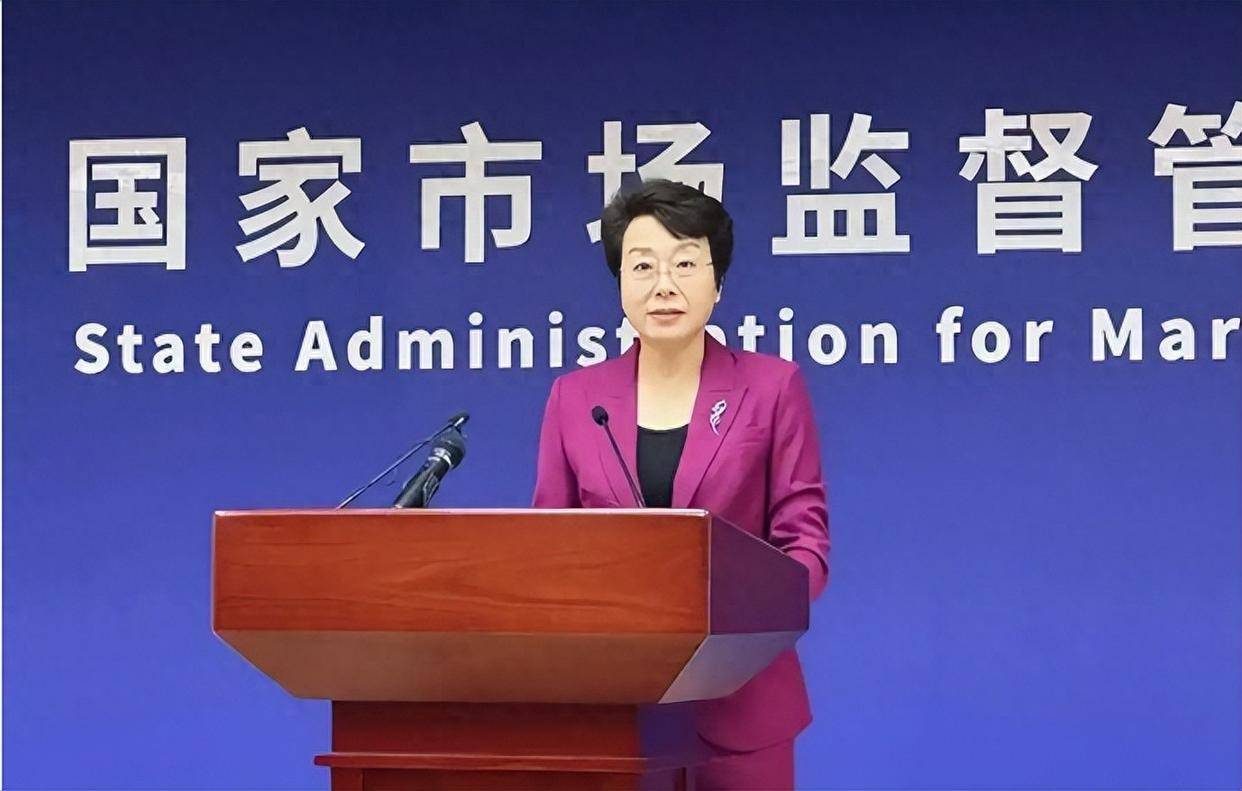
Core Viewpoint - The article discusses the complexities and implications of a $22.8 billion deal involving the sale of 43 ports by Cheung Kong Group to BlackRock, highlighting the intersection of capital interests and national security concerns in the context of Chinese regulatory scrutiny [1][3][9]. Group 1: Transaction Details - Cheung Kong Group announced the sale of 43 global ports to BlackRock, with a focus on ports at both ends of the Panama Canal, indicating a strategic move in the shipping industry [1]. - The Panama Canal port, Balboa, has a capacity of handling 2.63 million TEUs annually, emphasizing its significance in global trade [1]. Group 2: Regulatory Challenges - The National Market Supervision Administration identified the transaction's structure as a systematic evasion of antitrust scrutiny, invoking Article 21 of the Antitrust Law [3]. - The regulatory body possesses the authority to halt the transaction under the National Security Law, particularly as the ports' operations align with China's Belt and Road Initiative [3]. Group 3: Public Relations and Perception Management - Li Ka-shing's public appearance showcasing cancer treatment equipment served as a strategic move to divert public attention from the port transaction controversy [5]. - The Cheung Kong Group's charitable initiatives, including a partnership with Temasek to donate cancer treatment equipment, were aimed at countering accusations of aiding adversarial interests [5]. Group 4: Geopolitical Implications - The transaction has sparked a divide within Hong Kong's business community, with differing views on national interests versus global business strategies [7]. - The timing of Panama's audit against Cheung Kong coincided with U.S. defense discussions, suggesting a geopolitical maneuver to leverage the canal against China [7]. Group 5: Broader Economic Context - The deal reflects the tension between national interests and capital ambitions, with China's regulatory stance representing a defense of economic sovereignty amid globalization's retreat [9]. - The situation is seen as a catalyst for institutional innovation, potentially redefining the jurisdiction of antitrust and national security laws in an international context [9].


反垄断调查重创交易,李嘉诚资产蒸发781亿,国家为何出手?
Sou Hu Cai Jing· 2025-03-31 02:18
Core Viewpoint - The proposed sale of 43 global ports by Li Ka-shing to BlackRock for $22.8 billion has triggered an antitrust investigation by China's State Administration for Market Regulation, leading to a significant drop in the market value of Cheung Kong Group by HKD 78.1 billion [1][3][4]. Group 1: Antitrust Investigation Impact - The antitrust investigation has been described as a rare and strong response from Chinese regulators, indicating serious scrutiny of the $22.8 billion deal [3][4]. - The market reacted swiftly, with Cheung Kong Group's stock price plummeting, resulting in a loss equivalent to nearly one million average family homes [3][4]. - Legal experts affirm that Chinese regulators have the authority to investigate foreign monopolistic behaviors affecting domestic market competition under the Antitrust Law [3][4]. Group 2: Strategic Implications of the Deal - The sale of ports, particularly those at both ends of the Panama Canal, is seen as a strategic move that could impact China's trade routes, as approximately 21% of the ships using the canal are Chinese [8][10]. - The U.S. has shown increasing interest in global ports, with recent policy changes indicating a potential trade war targeting Chinese interests [6][8]. - Historical context reveals that the U.S. has previously exerted control over the Panama Canal, suggesting a pattern of geopolitical maneuvering through economic means [10][11]. Group 3: Li Ka-shing's Business Strategy - Li Ka-shing's decision to sell ports without a public bidding process raises questions about the motivations behind the transaction, suggesting a potential urgency in reallocating assets [4][17]. - The shift in Li's investment strategy from a heavy focus on Hong Kong to a more diversified portfolio in Europe and North America indicates a strategic pivot in response to global market dynamics [15][19]. - The rapid agreement with BlackRock, despite previous rejections of lower offers, suggests a pressing need to adapt to changing geopolitical landscapes [17][19]. Group 4: China's Strategic Countermeasures - China has initiated a multi-faceted response to the port sale, including high-level meetings with influential figures in the investment community, signaling a strategic recalibration [21][23]. - The introduction of stricter scrutiny under the revised Antitrust Law provides a legal framework for the government to intervene in transactions deemed to threaten national security [23][25]. - The ongoing negotiations and potential involvement of state-owned enterprises in acquiring the ports highlight China's commitment to safeguarding its strategic interests [21][25]. Group 5: Broader Implications for Global Trade - The situation exemplifies the intersection of commercial interests and national security, reflecting the complexities faced by businesses in a globalized economy [27]. - The case serves as a lesson for entrepreneurs on balancing profit motives with national strategic considerations, emphasizing the importance of understanding geopolitical contexts in business decisions [27].