大米价格上涨

Search documents
上千人排队“抢米”!日本首相:将彻查米价突然高涨原因
证券时报· 2025-06-09 15:11
Core Viewpoint - The Japanese government is investigating the sudden rise in rice prices, which have increased significantly due to factors such as extreme heat and previous natural disaster warnings, leading to consumer panic buying and long queues for government-subsidized rice [2][3]. Group 1: Price Increase and Investigation - Japanese Prime Minister Kishida Fumio announced a thorough investigation into the reasons behind the sudden spike in rice prices [3]. - Since summer 2024, rice prices in Japan have been on the rise due to poor harvests caused by extreme heat [3]. - The consumer price index for rice showed an increase of 98.4% in April compared to the previous year, marking the highest increase since 1971 [3]. Group 2: Government Response and Consumer Behavior - The Japanese government has started selling reserve rice in limited quantities to stabilize prices, leading to long queues at supermarkets [4][5]. - In Hokkaido, a store sold out 1,000 bags of reserve rice quickly, with each 5-kilogram bag priced at 2,150 yen (approximately 107 RMB), about half the market price [5]. - The government has implemented a direct supply model for reserve rice sales, bypassing middlemen, and has mandated that retailers complete sales by the end of August [5].

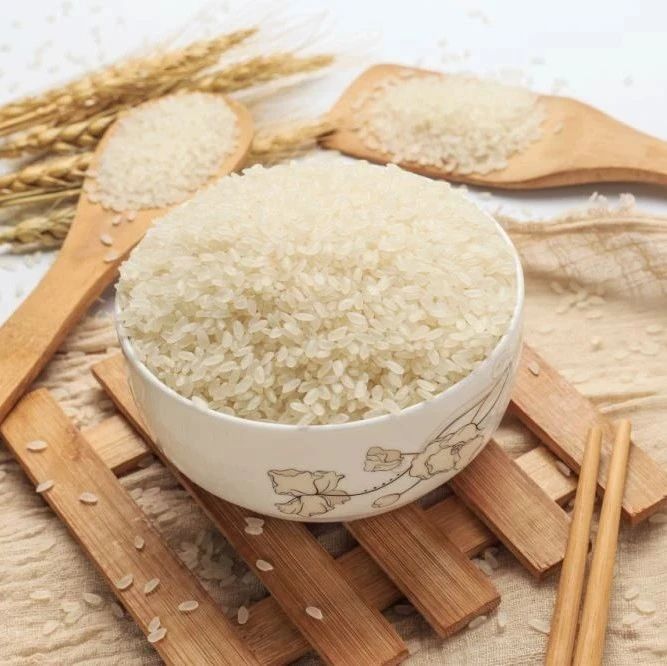
日本“从不买米”的农林水产大臣被换,前首相小泉纯一郎之子接任
Huan Qiu Shi Bao· 2025-05-21 23:10
Group 1 - Japanese Prime Minister Kishida Fumio replaced Agriculture, Forestry and Fisheries Minister Takashi Eto due to inappropriate remarks regarding rice purchasing, amid concerns over rising rice prices affecting the upcoming summer elections [1] - The appointment of former Environment Minister Shinjiro Koizumi as the new Agriculture Minister reflects a shift in strategy to address public concerns over rice price increases [1][2] - Koizumi emphasized his commitment to tackling the rice price issue and intends to focus on rice-related matters as the new minister [1] Group 2 - Rice prices in Japan have been rising since last autumn, prompting the Ministry of Agriculture, Forestry and Fisheries to release government rice reserves starting in March, although the response has been criticized as slow and ineffective [2] - Eto's controversial statement about never buying rice due to receiving it from supporters highlights a disconnect with public sentiment regarding the rising cost of rice [2]
价格飙升!日本大米成母亲节“好礼”?
第一财经· 2025-05-11 10:43
Core Viewpoint - Rising rice prices in Japan have led to an unexpected trend where rice has become a popular gift for Mother's Day, highlighting a shift towards practicality in gift-giving [1] Group 1: Consumer Behavior - Consumers are increasingly choosing rice as a gift for Mother's Day due to its practicality compared to traditional gifts like flowers and cakes [1] - A store in Nishinomiya reported a doubling in sales of gift rice compared to the previous year, indicating a significant increase in consumer interest [1] Group 2: Market Trends - Rice has appeared on "Mother's Day recommended gifts" lists in various shopping venues, showing a notable increase in sales compared to previous years [1] - Staff at a shopping mall in Osaka noted that gifting rice has become a new trend, reflecting a broader consumer focus on the utility of gifts [1] Group 3: Price Dynamics - Since the summer of 2024, extreme heat has led to poor rice harvests, contributing to a continuous rise in rice prices in Japan [1] - The average price for a 5-kilogram bag of rice has reached 4,233 yen (approximately 211 RMB), marking a record high for 17 consecutive weeks [1] - The Japanese government has auctioned off three batches of reserve rice since March in an attempt to control rising prices, but the upward trend remains uncurbed [1]
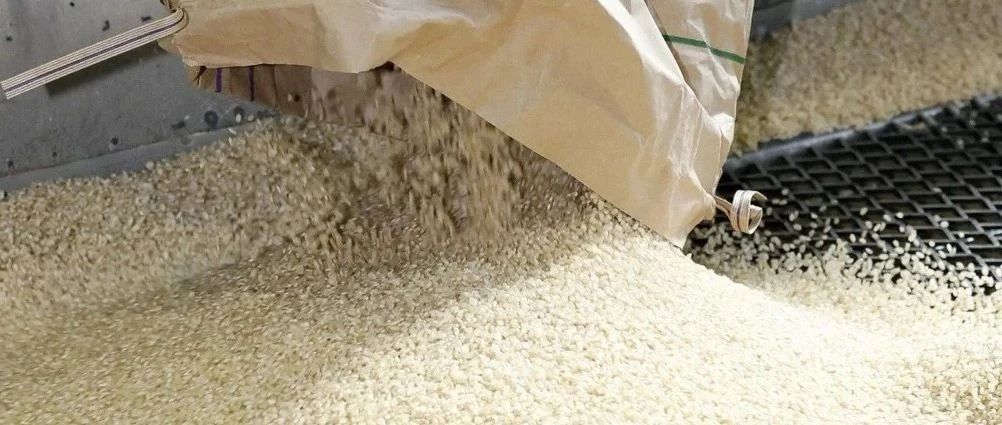
日本大米价格连续第17周上涨 再创新高
news flash· 2025-05-07 08:50
Core Insights - Japan's rice prices have risen for the 17th consecutive week, reaching a record average of 4,233 yen (approximately 30 USD) per 5 kilograms, more than double the price from a year ago [1] - The government’s release of stockpiled rice has had limited effectiveness in stabilizing supply, indicating ongoing supply constraints [1] - Prime Minister Kishida instructed the ruling Liberal Democratic Party to develop measures to mitigate the negative impacts of soaring rice prices [1] Price Trends - As of the week ending April 27, the average price of rice sold in supermarkets increased by 13 yen per 5 kilograms, marking the highest increase since data collection began in March 2022 [1] - The recent price surge is attributed to tight rice supply, driven by last summer's high temperatures and increased demand from a surge in inbound tourism [1] Government Actions - To facilitate market circulation, the government has decided to release 312,000 tons of stockpiled rice into the market [1]
日本大米价格连续16周上涨 再创最高纪录
news flash· 2025-04-28 08:40
Group 1 - The average price of 5 kilograms of rice in Japanese supermarkets reached a record high of 4,220 yen during the week of April 14 to April 20, marking a continuous increase for 16 weeks [1]
日经BP精选:日本米价涨多少?首相说涨5成,SNS上说2倍
日经中文网· 2025-04-08 03:17
Core Viewpoint - The article discusses the significant rise in rice prices in Japan, with Prime Minister Kishida expressing that he has "truly felt a 50% increase" in prices, highlighting the impact on household budgets and the ongoing challenges in stabilizing rice prices in the market [2][3]. Group 1: Price Increase and Impact - Rice prices in Japan have reportedly surged by 50%, which translates to a 1.5 times increase, affecting consumer perception and household expenses [2][3]. - The article notes that while there was a temporary shortage of rice in the summer of 2024, the anticipated stabilization of prices following the new rice harvest has not materialized, leading to continued high retail prices [2]. Group 2: Regional Price Variations - The article emphasizes the significant regional disparities in rice retail prices across different prefectures in Japan, as observed through the Ministry of Internal Affairs and Communications' retail price statistics [3].
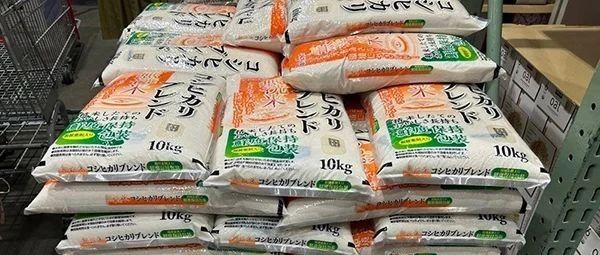
23万吨日本大米的失踪之谜
阿尔法工场研究院· 2025-03-12 13:11
Core Viewpoint - Japan is currently facing a rice supply shortage, with rising prices causing public dissatisfaction and prompting government intervention to stabilize the market [1][3][4]. Group 1: Market Dynamics - Despite an increase in rice harvest by 180,000 tons last year, procurement agents reported a shortfall of 230,000 tons, leading to confusion in the industry [6]. - The price of a standard 5-kilogram bag of rice has surged to an average of 3,952 yen, a staggering 95% increase compared to the previous year [13]. - The Japanese rice market is dominated by a complex distribution system, with collection agents playing a crucial role in purchasing from farmers and selling to wholesalers and retailers [21]. Group 2: Government Response - The Japanese government has decided to release part of its emergency rice reserves, auctioning off 210,000 tons to address the supply gap [26]. - Government policies aimed at supporting small farmers have inadvertently contributed to the current supply crisis, as they have restricted rice production to maintain price stability [28]. Group 3: Consumer Impact - Consumers are feeling the pressure from rising rice prices, leading to limited purchasing options in supermarkets and a shift towards alternative food products [18][19]. - The ongoing price increases have sparked public anger, with food costs becoming a focal point in political discourse and impacting election outcomes [16]. Group 4: Agricultural Challenges - The average age of rice farmers in Japan is around 71 years, with a 25% decrease in the number of farmers from 2015 to 2020, indicating a declining agricultural workforce [31]. - Rising costs of fertilizers and pesticides are further squeezing farmers' profit margins, contributing to the overall decline in rice cultivation [29].