房价下行

Search documents
5大现象已经出现?我们可能是最后一代买房人了,楼市风向变了
Sou Hu Cai Jing· 2025-05-15 02:26
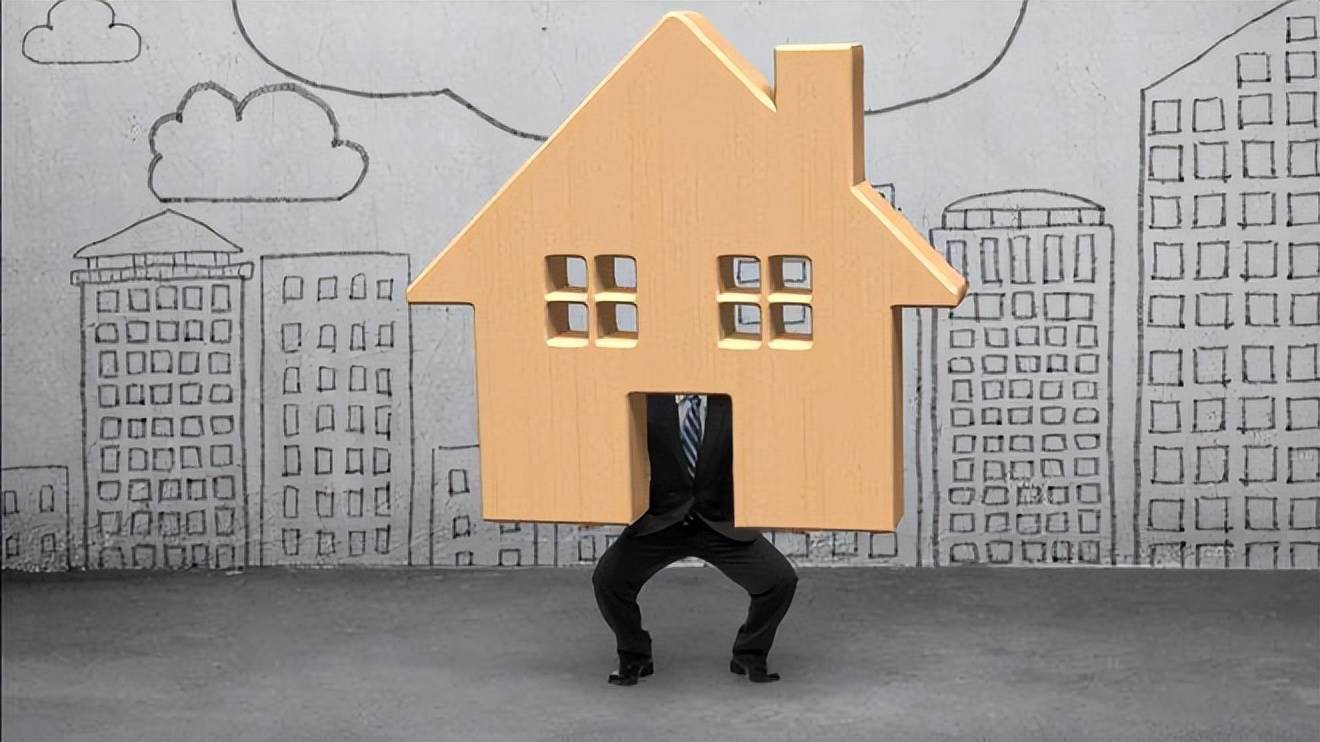
Core Insights - The real estate market in China is experiencing a paradox where, despite ongoing government stimulus measures, the market remains sluggish with a trend of "declining volume and prices" [1] - The demographic shift towards an aging population is leading to a decrease in first-time homebuyers, contributing to downward pressure on housing prices [4] - The imbalance between housing prices and income levels is significant, with ratios in major cities far exceeding those in developed countries, indicating a potential for price corrections [8] - The expansion of property tax trials is expected to increase costs for multi-property owners, potentially leading to a surge in second-hand property listings and further downward pressure on prices [10] - The government plans to accelerate the introduction of affordable housing, which may divert demand from the commercial housing market and expedite market adjustments [12] - A growing trend among young people to prefer renting over buying is evident, with a significant decline in the belief that homeownership is essential, indicating a long-term decline in demand for commercial housing [14] - The overall shift in real estate policy from promoting growth to risk prevention suggests a long-term adjustment phase for the market, aiming to align high housing prices with their residential purpose [15] Summary by Categories Demographic Changes - China has entered a moderately aging society, with the population aged 60 and above expected to reach 296 million by the end of 2024 and 400 million by 2035, leading to fewer first-time homebuyers [4] Housing Price and Income Disparity - In major cities like Shanghai and Shenzhen, the housing price-to-income ratio is around 40, while in second and third-tier cities it ranges from 20 to 25, indicating a significant disconnect from local income levels [8] Taxation and Policy Changes - The property tax pilot program is expanding, with rates set between 0.5% and 1.2% based on property value, which will increase costs for owners of multiple properties and could lead to a spike in second-hand listings [10] Affordable Housing Initiatives - The government has announced plans to invest in 6 million affordable housing units over the next five years, averaging 1.2 million units per year, to address housing needs for low-income families [12] Shifts in Housing Preferences - A notable shift in attitudes among young people is observed, with the percentage believing in the necessity of homeownership dropping from 78% in 2020 to 42% in 2025, while those preferring to rent increased from 15% to 36% [14] Market Adjustment Trends - The real estate market is transitioning from a phase of excessive growth to a long-term adjustment, with policies now focused on risk prevention rather than growth stimulation [15]

王健林透露!中国手握“三套房”的家庭,注定要未来面临3个结局
Sou Hu Cai Jing· 2025-05-13 03:41
Core Viewpoint - The real estate market has experienced a significant downturn since 2021, with prices in lower-tier cities halving and first-tier cities returning to 2016 levels, despite government efforts to stabilize the market through various policies [1][3]. Group 1: Market Trends - The initial surge in housing prices led to a speculative buying frenzy, with many individuals borrowing to purchase properties, resulting in skyrocketing prices even in remote areas [1]. - By 2021, the market began to decline, with second and third-tier cities seeing price drops of around 50%, and first-tier cities reverting to previous price levels [1]. - The government has implemented measures such as lowering down payment ratios, reducing loan interest rates, and offering tax incentives to stimulate market recovery [1]. Group 2: Financial Health of Real Estate Companies - Many real estate companies are facing severe financial difficulties and high debt pressures, leading to a growing sense of caution among potential buyers [3]. - The industry is expected to undergo a significant shakeout, with financially strained companies likely to exit the market, while larger firms with stable finances may continue to thrive [5]. Group 3: Taxation and Market Pressure - The introduction of property taxes and landlord taxes in some cities poses a significant burden on homeowners, particularly those with multiple properties, as these taxes can reach up to 20% [6]. - The rental market is under increasing pressure, making it nearly impossible for most homeowners outside major cities to sustain their properties through rental income [6]. Group 4: Wealth Distribution and Policy Implications - The concentration of wealth in real estate has led to high vacancy rates among affluent families, while a significant portion of the population struggles to afford housing [10]. - Government policies aimed at promoting common prosperity and reducing wealth inequality include inheritance taxes on property sales, which could significantly impact high-net-worth families [11]. - These measures are intended to facilitate a more equitable distribution of wealth, although they may cause short-term challenges in the market [11].