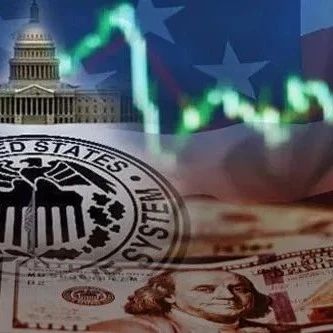
政府债务风险

Search documents
债务风险担忧加剧 多国长债收益率攀升
Xin Hua Wang· 2025-09-04 13:40
Group 1 - The long-term bond yields in developed economies have significantly increased due to factors such as government debt, potential inflation, and political situations, raising concerns among investors about the uncertainties and risks associated with holding long-term bonds [1] - The yield on the US 30-year Treasury bond approached 5%, with the spread between the 2-year and 30-year Treasury yields widening to the highest level since December 2021, indicating investor worries about the sustainability of US government debt and rising inflation [1] - Japan's 30-year bond yield reached a historic high of 3.28%, while the UK's 30-year bond yield rose to 5.752%, the highest level since 1998, and Germany's 30-year bond yield climbed to 3.37%, nearing a 14-year high [1] Group 2 - The fiscal outlook of major Eurozone economies is causing investor concerns, particularly with Germany's significant investments in infrastructure and defense, which may lead to higher long-term rates in the Eurozone [2] - France's long-term borrowing costs surged to their highest level since 2011, driven by concerns over political instability affecting fiscal consolidation efforts, which could increase the country's debt [2] - Investors are selling long-term government bonds, traditionally seen as low-risk investments, and seeking other safe-haven assets, leading to a record high in international spot gold prices at $3,577 per ounce [2]
利空突袭,罕见暴跌!特朗普,发出警告!
券商中国· 2025-07-03 02:18
Core Viewpoint - The article discusses the significant decline of the US dollar, highlighting a 10.8% drop in the dollar index in the first half of the year, marking its worst performance in over fifty years [2][8]. Group 1: Dollar Performance - The dollar index fell to a low of 96.37 on July 1, 2023, the lowest since February 2022, and further decreased to 96.69 by July 3 [1] - The dollar index's 10.8% decline in the first half of 2023 is only surpassed by a 14.8% drop in the first half of 1973 [2][8]. - The recent drop in the dollar is attributed to various factors, including political pressure and economic uncertainty [3][10]. Group 2: Political Influence - President Trump has been pressuring Federal Reserve Chairman Jerome Powell to resign, labeling him as "Too Late" and calling for further interest rate cuts [2][14]. - Trump's comments come amid ongoing discussions about the Federal Reserve's policies and their impact on the dollar [2][14]. Group 3: Economic Implications - BlackRock's report indicates that the surge in US government debt could weaken investor interest in US assets, prompting a shift towards overseas investment opportunities [5]. - The report also suggests that the dollar's status as the world's reserve currency is being reevaluated due to rising trade uncertainties and increasing government debt [6]. - The anticipated increase in US government debt, potentially adding $5 trillion over the next decade, poses a significant risk to the US's financial market position [6][7]. Group 4: Market Reactions - Analysts express concerns about a large-scale capital shift away from US assets, contrasting with previous trends of capital inflow [9]. - Recent employment data showing a decline in private sector jobs has heightened fears about the US economy, leading to increased bets on Federal Reserve rate cuts [9][12]. - Market expectations for a rate cut in September have risen significantly, with a 92.4% probability now anticipated [10].