
无障碍环境建设

Search documents
“十四五”期间完成3600余户 残疾人家庭无障碍改造
Xin Lang Cai Jing· 2026-01-14 21:48
Group 1 - The core viewpoint of the article highlights the continuous improvement of barrier-free environment construction in Guiyang during the 14th Five-Year Plan period, with over 3,600 households of disabled individuals receiving home modifications [1][4] - Guiyang adheres to the "people-oriented, individualized" approach in its barrier-free home modification efforts, implementing tailored solutions based on the specific needs of individuals with varying degrees of disabilities [1][3] - By 2025, Guiyang aims to complete 302 barrier-free home modifications specifically for severely disabled individuals, enhancing the precision of assistance services [1][3] Group 2 - In public environment barrier-free facility construction, Guiyang has established a comprehensive work mechanism to ensure compliance with construction standards and address issues effectively [2] - The city has formed a volunteer service team composed of individuals from various sectors to conduct regular assessments of barrier-free facilities, ensuring that feedback is accurately relayed to relevant departments for improvements [2] - Guiyang's efforts include a commitment to modify over 100 public spaces for barrier-free access by 2025, in collaboration with various municipal departments [2] Group 3 - The city is actively promoting information accessibility, enhancing government services to ensure that disabled individuals can navigate online platforms more easily [3] - Guiyang has implemented measures to provide discounts on information consumption for individuals with disabilities, fostering a supportive environment for their integration into society [3] - The "Light Cinema" initiative aims to enrich the cultural lives of disabled individuals through accessible film viewing experiences, having already served over 400 participants [3] Group 4 - Guiyang plans to continue focusing on the urgent needs of special groups, improving the long-term management mechanisms for barrier-free environment construction [3] - The city aims to synchronize barrier-free environment development with urban growth, ensuring that special groups experience increased satisfaction and security in urban renewal efforts [3]
残障者坐飞机,障碍不只是机舱门前的高度差
Xin Lang Cai Jing· 2025-12-24 23:56
Core Viewpoint - The recent incident involving disabled singer Zheng Zhihua has highlighted the ongoing challenges faced by disabled individuals when traveling by air, prompting the Civil Aviation Administration of China (CAAC) to seek opinions on measures to enhance air travel accessibility for disabled passengers [1] Group 1: Accessibility Challenges - Disabled travelers often encounter significant barriers during the boarding process, such as the need to transfer from a ground wheelchair to an onboard wheelchair due to space constraints [2][4] - The International Air Transport Association (IATA) categorizes wheelchair users into three groups based on their mobility needs, which affects the level of assistance they require during flights [4][5] - Many disabled passengers report feeling helpless and vulnerable during the boarding process, especially when they have to rely on staff for assistance, which can lead to uncomfortable situations [6][9] Group 2: Service Gaps and Experiences - Instances of airlines forgetting to provide requested wheelchair services have been reported, leading to delays and additional stress for disabled travelers [6][7] - Some airlines lack proper equipment, such as onboard wheelchairs, forcing passengers to be carried into the cabin, which raises safety and dignity concerns [7][8] - The lack of trained staff familiar with the needs of disabled passengers often results in inadequate assistance during the boarding and in-flight experience [10][15] Group 3: Regulatory and Policy Developments - Following the Zheng Zhihua incident, the CAAC issued a draft document aimed at improving the air travel experience for disabled individuals, emphasizing the need for better equipment and training for staff [23][24] - The CAAC's guidelines suggest that airports and airlines should prioritize the installation of accessible facilities and provide necessary services throughout the travel process [25][26] - Despite the progress made, there is still a lack of standardized practices across airlines and airports regarding the assistance provided to disabled passengers [26][27] Group 4: Social Perceptions and Personal Autonomy - Disabled individuals often feel that their autonomy is compromised when they are treated as burdens rather than as equal passengers, leading to feelings of shame and discomfort [13][29] - The perception of disabled travelers as "special cases" can result in a lack of respect for their rights and dignity, highlighting the need for a shift in societal attitudes towards disability [29][30] - Many disabled individuals express a desire for environments that support their independence rather than relying solely on assistance from others [31]

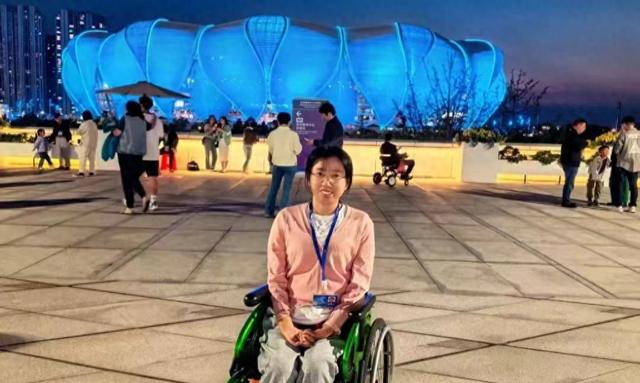
我国残疾人事业发展水平进一步提升
Yang Shi Wang· 2025-12-09 12:49
Core Viewpoint - The rapid development of China's sports for the disabled reflects the continuous improvement of the social security system and care service system for disabled individuals, enhancing their personal development capabilities [1][5]. Group 1: Event Overview - The 12th National Games for Persons with Disabilities and the 9th Special Olympics are currently taking place in the Guangdong-Hong Kong-Macao Greater Bay Area, with a total scale exceeding 11,000 participants, representing a growth of approximately 30% compared to the previous event [1][3]. Group 2: Policy and Support - During the 14th Five-Year Plan period, the coordinated development of the Paralympic, Deaflympic, and Special Olympics has been emphasized, with notable achievements in the Tokyo and Paris Paralympics, and Beijing Winter Paralympics topping the gold and medal counts [5]. - The participation rates for basic pension and medical insurance for disabled urban and rural residents have stabilized at over 90% and 95%, respectively, while the average standards for living subsidies for disabled individuals and care subsidies for severely disabled individuals have increased by 31.9% and 22.5% [7]. Group 3: Technological Advancements - The application of cutting-edge technologies, such as intelligent bionic devices, is enhancing the quality of life for disabled individuals, enabling them to engage in various sports and activities, as exemplified by a young woman who, after losing her leg, now participates in rock climbing and surfing [9]. Group 4: Accessibility Improvements - Significant progress has been made in creating an accessible environment, including the renovation of over 3,000 high-frequency websites and mobile apps for accessibility, modifications for 1.43 million households with severely disabled individuals, and the gradual improvement of public transportation accessibility [11].
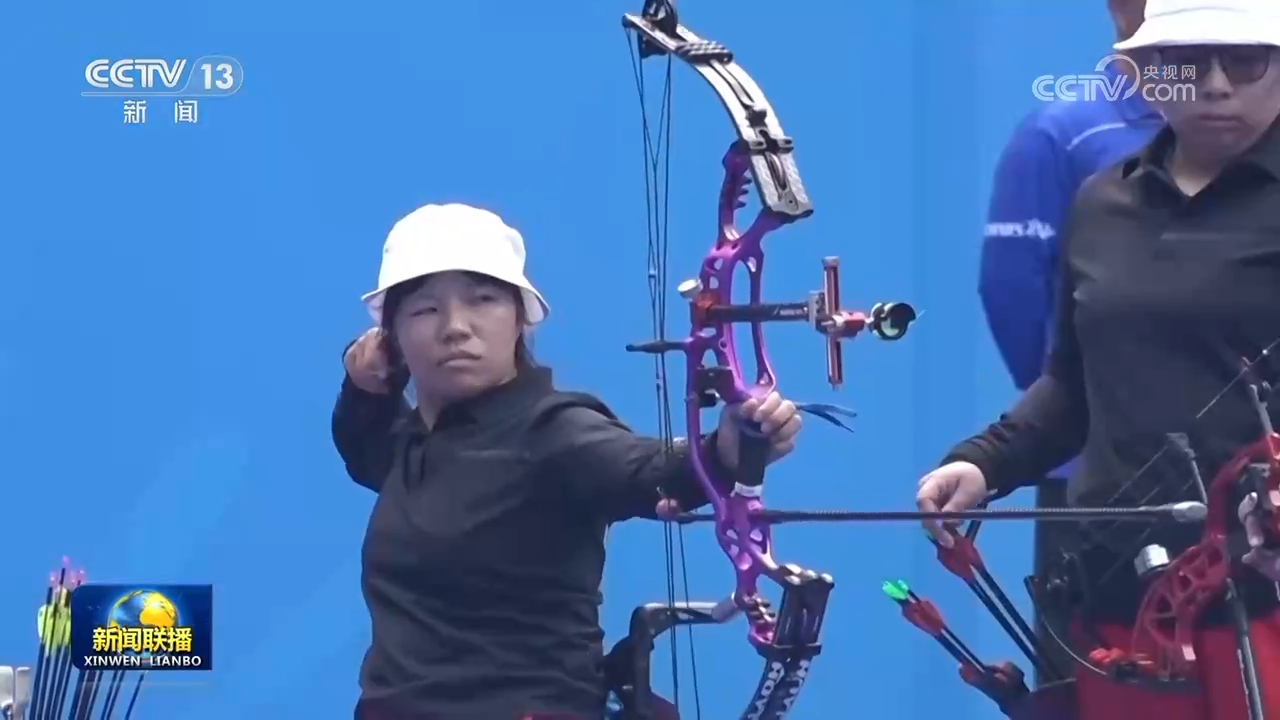
系统化支撑为残障人士搭建融入社会桥梁 科技加持让残障人士“智”享美好生活
Yang Shi Wang· 2025-12-09 10:34
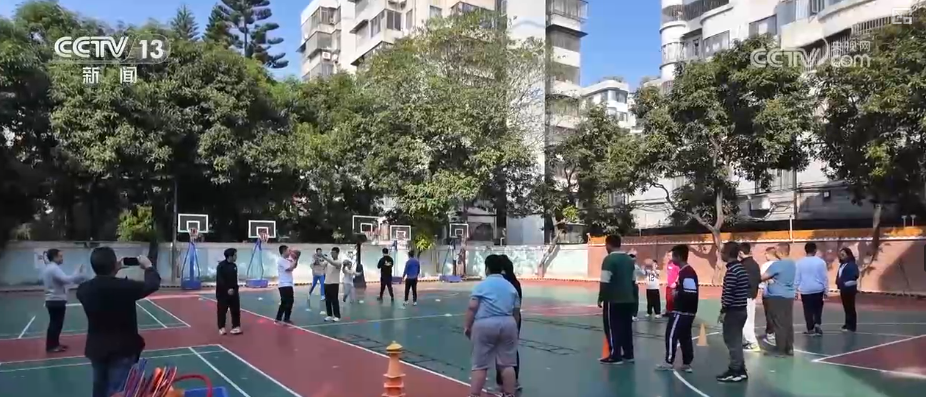
Group 1: Rehabilitation and Support Systems - Guangzhou is establishing a comprehensive support system for disabled individuals, including rehabilitation institutions and a service system that serves over 649,000 people annually [1][5]. - The Guangzhou Heart Friends Service Association has expanded its sports rehabilitation training from once a week to five times a week, helping disabled individuals improve their physical fitness and social integration [4]. - The Guangdong Provincial Rehabilitation Center provides tailored teaching and rehabilitation training for different types of disabled children, focusing on enhancing their life adaptation skills [5]. Group 2: Employment and Social Integration - After undergoing social adaptation training, individuals like Yongxin are finding employment opportunities, contributing to their income and social integration [3]. - The integration of sports and rehabilitation has become a common pathway for disabled individuals to build social and physical foundations for employment [3][4]. Group 3: Accessibility and Urban Development - Guangzhou has been actively promoting an all-encompassing barrier-free environment, with facilities like the Tianhe Sports Center receiving the highest level of accessibility certification [7][9]. - The city’s efforts in creating a barrier-free environment reflect its commitment to enhancing the quality of life for disabled individuals [7]. Group 4: Rehabilitation Aids Industry - The rehabilitation aids industry is rapidly developing, with Guangdong's wheelchair and walking aid products holding a domestic market share of 50% to 60% and accounting for 70% of exports [17]. - Innovations such as brain-controlled wheelchairs and all-terrain wheelchairs are emerging, showcasing the shift towards intelligent and personalized mobility solutions [17][18]. - The perception of wheelchairs is evolving, with recognition that they are not only for disabled individuals but also for the elderly and able-bodied people, facilitating the growth of the rehabilitation aids industry [17].
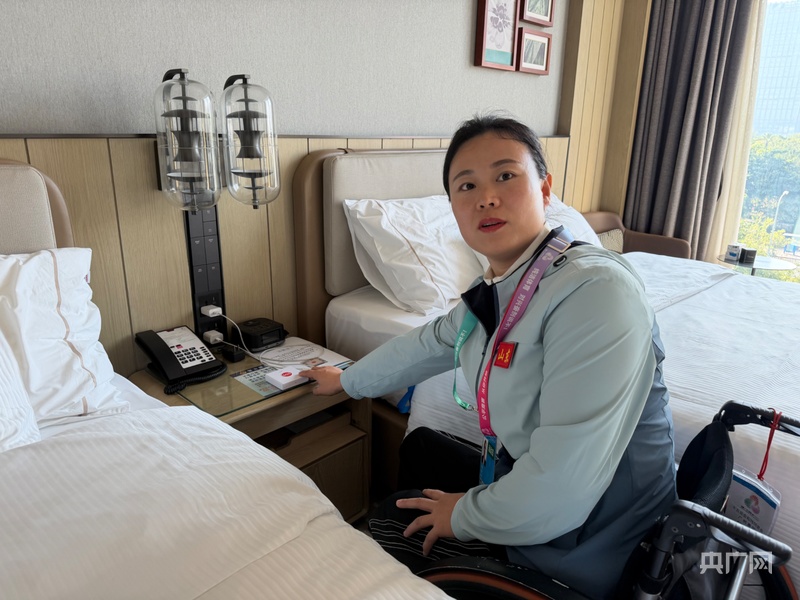
有爱无碍、温情同行 “粤式服务”暖心护航残特奥会
Yang Guang Wang· 2025-12-09 07:06
Core Viewpoint - The 12th National Games for Persons with Disabilities and the 9th Special Olympics are being held from December 8 to 15 in Guangdong, Hong Kong, and Macau, emphasizing the importance of accessibility in event planning and execution [1]. Group 1: Accessibility Initiatives - The event does not have an athlete village or new venues but focuses on enhancing existing facilities for accessibility, setting higher standards for barrier-free environments [1]. - The Guangzhou organizing committee has systematically advanced the accessibility renovations of reception hotels, ensuring a seamless experience for athletes with disabilities from arrival to accommodation [2]. - A total of 762 accessible guest rooms have been upgraded, and 6 public restrooms have been permanently modified to meet accessibility standards [6]. Group 2: Specific Accessibility Features - The hotels have implemented detailed modifications to cater to various disabilities, including optimized room layouts for wheelchair users and tactile guide maps for visually impaired guests [2][3]. - Emergency call buttons and safety features have been installed in accessible rooms, enhancing the comfort and safety of athletes [3][4]. - The hotels have also provided specialized services, such as one-on-one assistance for athletes with severe disabilities, ensuring their specific needs are met promptly [9]. Group 3: Technological Integration - Technology plays a crucial role in facilitating communication for hearing-impaired athletes through the use of sign language translation machines [11]. - Smart technologies, including 5G, IoT, and AI, have been integrated into the venues to enhance the overall experience for attendees and participants [13]. Group 4: Community Engagement and Volunteer Support - A volunteer team of 15,000 trained individuals is providing detailed support across various venues, ensuring that athletes receive the assistance they need [14]. - The event aims to create a comprehensive barrier-free network that connects the venues and surrounding areas, enhancing the overall experience for all participants [14].
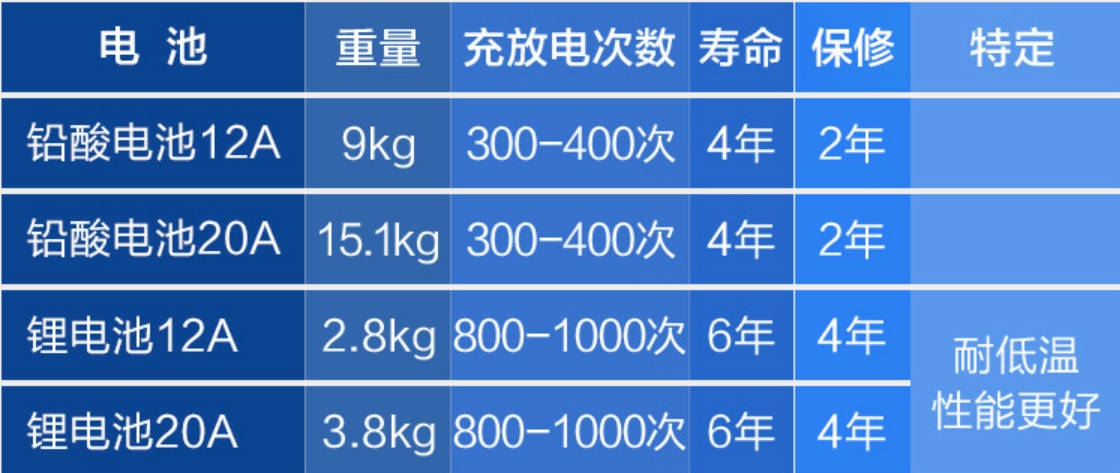
买了电动轮椅不敢用?电池安全标准亟待“量身定制”
Ren Min Wang· 2025-12-03 06:41
Core Viewpoint - The article highlights the safety concerns and regulatory gaps surrounding electric wheelchairs in China, emphasizing the need for improved safety standards and management practices to ensure the well-being of elderly and disabled users [1][4]. Group 1: Safety Concerns - A user expressed fear of using an electric wheelchair due to potential fire hazards associated with battery charging at home, similar to issues seen with electric bicycles [1] - The current national standards for electric wheelchairs are outdated, with many products still adhering to the 2012 guidelines, leading to confusion about safety levels [1][2] - The lack of mandatory regulations on battery protection and charging safety contributes to inconsistent product quality in the market [1] Group 2: Recommendations for Improvement - The user proposed three actionable paths to enhance safety: 1. Implement differentiated management for electric wheelchairs in fire safety regulations, allowing safe battery charging in elevators and designated areas [2] 2. Establish mandatory national safety standards for electric wheelchair batteries, including clear technical requirements and user-friendly safety guidelines [2][3] 3. Introduce a subsidy mechanism for replacing old wheelchair batteries to assist families unable to use their electric wheelchairs due to safety concerns [3] Group 3: Market Demand and Regulatory Landscape - There are over 85 million disabled individuals and more than 300 million elderly people in China, indicating a significant demand for improved accessibility and safety in mobility aids [4] - The article notes that while 262 national standards related to aging and accessibility have been published, critical standards for electric wheelchairs and their components are still in development [3][4] - The need for precise standards and compassionate management is urgent to facilitate safe mobility for special groups [4]
不好用、不能用 无障碍设施咋成了“障碍”
Ren Min Ri Bao· 2025-11-24 06:16
Core Viewpoint - The construction and management of accessible facilities in China have significant shortcomings, leading to obstacles for people with disabilities and the elderly, despite some progress in recent years [1][7]. Summary by Sections Issues with Accessible Facilities - Many accessible facilities are blocked, occupied, or incorrectly marked, making them unusable for people with disabilities [1][2]. - Specific examples include blocked wheelchair ramps and locked accessible restrooms, which prevent easy access for those in need [2][3]. Public Feedback and Complaints - Users have reported difficulties in accessing public spaces due to poorly designed or maintained facilities, such as inaccessible hospital entrances and dirty restrooms [3][4]. - Complaints also highlight the lack of accessible restrooms and the poor condition of existing ones, leading to frustration among users [3][4]. Blind Pathways and Signage Issues - Blind pathways are often obstructed by parked vehicles or other obstacles, rendering them ineffective for visually impaired individuals [4][5]. - Incorrectly installed braille signage can mislead users, creating safety risks and discouraging them from using these pathways [5][6]. Need for Improved Design and Management - There is a call for better design and management of accessible facilities, emphasizing the importance of user feedback in planning and maintenance [6][9]. - The recent implementation of the "Barrier-Free Environment Construction Law" aims to enhance the quality and management of accessible facilities, shifting focus from mere existence to usability and effectiveness [7][9]. Recommendations for Improvement - Experts suggest enhancing supervision and management of accessible facilities, encouraging community involvement, and utilizing technology for better monitoring and maintenance [8][9]. - The need for a clear responsibility framework and improved coordination among various departments is emphasized to ensure effective implementation of accessible facilities [8][9].
广州无障碍体验行 让残特奥会更有爱
Zhong Guo Xin Wen Wang· 2025-11-24 02:02
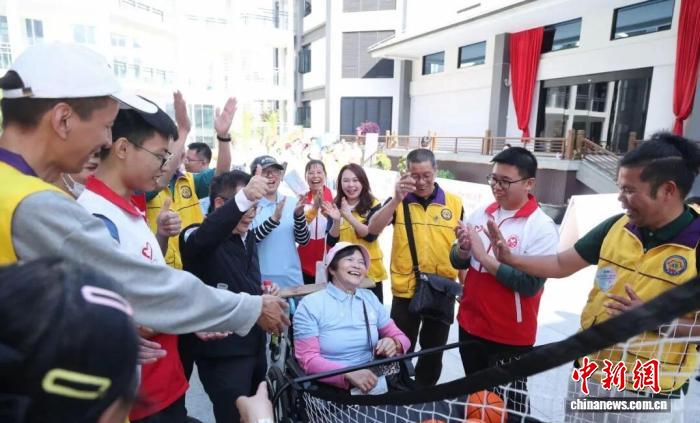
Core Viewpoint - The "2025 Guangzhou Barrier-Free Experience Event" aims to promote inclusivity and raise awareness for the upcoming Special Olympics, enhancing the confidence and happiness of disabled individuals while fostering social interaction and understanding [1][2]. Group 1: Event Overview - The event took place on November 23 in Guangzhou, gathering 50 disabled participants and over 30 volunteers to experience the city's barrier-free facilities [2]. - Participants engaged in various activities, including a quiz on Special Olympics knowledge and hands-on experiences with sports such as archery, darts, and basketball [2]. Group 2: Social Impact - The event not only showcased the achievements in Guangzhou's barrier-free environment but also aimed to enhance social awareness and support for the disabled community [2]. - Activities included a fire safety drill and educational sessions on barrier-free knowledge, contributing to a better understanding of the needs of disabled individuals [2].
有读者、网友反映,多地一些无障碍设施被封堵、占用或标识错误,不好用、不能用—— 无障碍设施咋成了“障碍”(金台视线)
Ren Min Ri Bao· 2025-11-23 22:21
Core Viewpoint - The construction of barrier-free facilities in China has made progress, but significant issues remain, including the obstruction and poor maintenance of these facilities, which hinder the mobility of people with disabilities and the elderly [1][2][3]. Group 1: Issues with Barrier-Free Facilities - Many public places lack barrier-free access or have obstructed pathways, making it difficult for individuals with mobility challenges to navigate [2][3]. - Specific examples include blocked wheelchair access at shopping centers and parks, where barriers such as steel pipes and chains have been installed, rendering these facilities ineffective [2][3]. - The absence of proper management and maintenance of barrier-free facilities has led to situations where these facilities are either not built according to standards or are misused [2][3][4]. Group 2: Inadequate Hygiene and Maintenance - There is a notable shortage of accessible restrooms, and those that exist often do not meet hygiene standards, leading to complaints from users [3][4]. - Reports indicate that some accessible restrooms are locked or repurposed, and when available, they are often in poor condition, with inadequate cleaning and maintenance [3][4]. Group 3: Blind Pathways and Signage Issues - Blind pathways are frequently obstructed by vehicles or other obstacles, which compromises their intended function and poses safety risks for visually impaired individuals [4][5]. - There are also issues with incorrect installation of braille signage, which can mislead visually impaired users and create further challenges in navigation [5][6]. Group 4: Legislative and Management Recommendations - The implementation of the Barrier-Free Environment Construction Law aims to enhance the accessibility for all, not just for people with disabilities, indicating a shift towards a more inclusive approach [7][8]. - Experts suggest that there is a need for improved supervision and management of barrier-free facilities, as well as clearer responsibilities among various stakeholders to ensure effective maintenance and compliance with standards [7][8][9]. - Engaging users in the planning and evaluation of barrier-free facilities is recommended to enhance usability and satisfaction [10].
无障碍设施咋成了“障碍”(金台视线)
Ren Min Ri Bao· 2025-11-23 22:20
Core Points - The construction of barrier-free facilities in China has made progress, but there are significant issues with accessibility in public spaces, leading to complaints from users [1][2][3] Group 1: Issues with Barrier-Free Facilities - Many public places lack proper barrier-free access, with some facilities being blocked or poorly designed, making it difficult for people with disabilities to navigate [2][3] - Specific examples include blocked wheelchair access at shopping centers and parks, and inadequate facilities in hospitals, highlighting a failure to meet national standards for barrier-free design [2][3][4] - The lack of maintenance and proper management of barrier-free facilities, such as locked accessible restrooms and unclean conditions, further exacerbates the problem [3][4] Group 2: User Experience and Feedback - Users report frustration with the inability to find accessible restrooms and the challenges faced when navigating public spaces, leading to decreased willingness to go out [4][6] - The presence of obstacles on blind paths and incorrect braille signage creates additional risks for visually impaired individuals, making navigation unsafe [5][6] Group 3: Legal and Regulatory Framework - The implementation of the Barrier-Free Environment Construction Law in September 2023 aims to enhance accessibility for all, not just people with disabilities [7][8] - There is a need for improved supervision and management of barrier-free facilities, as current regulations are often insufficient and lack enforcement mechanisms [7][8][9] Group 4: Recommendations for Improvement - Experts suggest that involving users in the planning and evaluation of barrier-free facilities can enhance their effectiveness and user satisfaction [10] - The integration of smart technology and better coordination among various departments is recommended to improve the management and functionality of barrier-free environments [10]