脑控轮椅

Search documents
华南脑控董事长李远清:未来或考虑在南沙开展成果转化和产业布局
2 1 Shi Ji Jing Ji Bao Dao· 2026-01-30 07:54
Core Insights - Brain-computer interface (BCI) technology is gaining attention due to demonstrations by Neuralink, with Chinese company Huazhong Brain Control (Huazhong) exploring new paths for commercialization [1] - Huazhong has developed non-invasive BCI technology that has quickly transitioned to market, with applications in elderly care, mental health, and more [1] - The Greater Bay Area's geographical and policy advantages are facilitating Huazhong's collaborative development [1] Company Developments - Huazhong's chairman, Li Yuanqing, stated that multiple non-invasive BCI products have been launched, covering various fields such as elderly care, mental health, military aerospace, public safety, cultural entertainment, and education [1] - The company has introduced products like brain-controlled mice, wheelchairs, and the first non-drug wearable mindfulness meditation device in China, which has received top ratings on Amazon [1] - Li highlighted the significant population of elderly individuals and those with mental health issues in China, indicating a vast market for BCI technology [1] Industry Context - The Greater Bay Area's educational, medical, and industrial chain advantages have empowered Huazhong, allowing for efficient R&D to production processes [2] - The South China region, particularly Nansha, is seen as a promising area for development due to its strategic location and strong innovation ecosystem [2] - Nansha's strategic emerging industries have increased their GDP contribution to 37.8%, with R&D investment intensity rising to 5.48% and a 21.5% annual growth in high-tech enterprises, totaling 1,310 [2]
翔宇医疗20260107
2026-01-08 02:07
Summary of Xiangya Medical's Conference Call Company Overview - **Company**: Xiangya Medical - **Industry**: Brain-Computer Interface (BCI) and Rehabilitation Equipment Key Points and Arguments Product Development and Market Entry - Xiangya Medical has launched a series of brain-computer interface products, including EEG machines and new products with multimodal technology, covering disease diagnosis and patient rehabilitation. Over 10 non-invasive brain-controlled products are expected to receive registration by Q1 2026, with plans to launch 70-80 new products by the end of the year, totaling over 100 products in the market [2][3][4] - The brain-controlled products have entered over 500 top hospitals, with a target of over 1,000 hospitals by the Lunar New Year of 2027, primarily through clinical research, scientific projects, or procurement methods [2][4] - New devices are classified as Class II medical devices, which do not require clinical trials, representing an upgrade to traditional rehabilitation equipment. The active rehabilitation effect is over 20% better than traditional passive rehabilitation methods, with this percentage continuously improving [2][6] Revenue and Growth Projections - Xiangya Medical anticipates approximately 100 million yuan in revenue from the brain-computer interface business by the end of 2026, despite a macroeconomic downturn, projecting single-digit growth in 2026 and a return to double-digit growth in 2027 [3][19] - The company has established a goal of achieving over 100 million yuan in revenue based on the progress of registration certificates and hospital procurement processes [19] Competitive Advantages - Xiangya Medical has a significant competitive edge in the BCI field due to 10 years of technical accumulation, including hardware, algorithms, and data collection precision. All key components are self-developed, which reduces costs and enhances compatibility with rehabilitation devices [11][12] - The company is the only one in the rehabilitation industry that simultaneously produces self-developed data collection devices and rehabilitation equipment, making it difficult for competitors to catch up quickly [11] Market Demand and Policy Support - There is strong demand and procurement willingness for BCI devices in top hospitals, driven by government policies supporting the industry. Nearly 20 provinces have published related charging directories, accelerating the clinical application of BCI devices [9][10] - The pricing for BCI rehabilitation training is affordable, ranging from tens to over a hundred yuan, which aligns with clinical needs and enhances the market's acceptance [10][16] Non-Medical BCI Products and Future Plans - Xiangya Medical is also developing non-medical BCI products focusing on attention, meditation, and insomnia, with plans to launch consumer-grade products in 2026 [22] - The company has established a robotics research center to focus on rehabilitation robots, with plans for lightweight portable exoskeleton products expected to receive registration in the first half of 2026 [23][25] Clinical Integration and Regulatory Environment - The integration of clinical specialties is increasingly recognized despite current procurement pressures. The company promotes a comprehensive clinical rehabilitation model, which is expected to improve hospital revenue structures in the long term [31] - The DRG system positively impacts the rehabilitation business, with evidence showing that rehabilitation revenue in high-level hospitals can account for one-third of total income [32][33] Conclusion - Xiangya Medical is positioned for significant growth in the BCI and rehabilitation equipment market, leveraging its technological advancements, strong market demand, and supportive government policies to achieve its revenue goals and expand its product offerings in both medical and non-medical applications [3][19][22]

昌平重金支持机器人创业项目
Bei Jing Wan Bao· 2025-12-25 08:41
Group 1 - The iCAN Future Robot Entrepreneurship Challenge recently took place in Changping Future Science City, with 14 innovative project teams and 16 entrepreneurial project teams advancing to the finals [1] - In the innovation category, the Shaanxi Zhixing team's preoperative lymph node metastasis prediction and AI decision-making platform has served over 7,000 patients, while the Jizhi Minimally Invasive team developed the world's first minimally invasive surgical robot with dexterous operation ends [1] - The Lian Nao Zhi Xing team's brain-controlled wheelchair has an intention capture accuracy of 97%, providing hope for independent living for disabled individuals [1] Group 2 - In the entrepreneurial category, the De Rena Robot team developed a programmable 4D printing process based on magnetic domains, achieving integration of soft robot structure design and manufacturing [1] - The Zhi Yue Space Intelligence team is creating the next-generation embodied intelligent "universal brain" and has completed financing of several million yuan [1] - The Fu Sheng Medical team is leveraging its self-developed SoC chip and the world's first ShineNet AI to create a new generation of miniature intelligent robots for the entire digestive tract, promoting household and down-market applications with products costing around 100 yuan [1] Group 3 - Changping District offers attractive landing support policies for award-winning projects, with first and second prize projects in the entrepreneurial category eligible for equity investment support of up to 5 million yuan and 2 million yuan, respectively [1] - Award-winning projects in both innovation and entrepreneurial categories can enjoy up to 400 square meters of free space support for three years [1] - Changping District has gathered 136 robot companies, with industry revenue expected to exceed 13 billion yuan by 2025 [1]

追光 | 科技之光,点亮他们的“出彩人生路”
Xin Hua She· 2025-12-11 09:24
Core Viewpoint - The integration of advanced technology in assistive devices for people with disabilities is showcased at the National Special Olympics, highlighting the trend towards personalized and intelligent solutions in this sector [1][6]. Group 1: Technological Innovations - Various innovative assistive technologies, such as AI-driven wheelchairs and smart rehabilitation robots, were displayed, attracting significant attention [1][3]. - The use of a six-legged guide dog robot and a digital twin technology for real-time venue management demonstrates the practical application of these technologies in sports and daily life [3][4]. Group 2: Policy and Support - The event serves as a platform to promote the Guangdong-Hong Kong-Macao Greater Bay Area as a hub for technological innovation and assistive device development, emphasizing the importance of refined management and advanced equipment [6]. - A joint initiative by multiple government departments aims to enhance the research and application of assistive technology, with policies already yielding positive results [9][10]. Group 3: Community Impact - The introduction of a WeChat mini-program for sign language translation services has improved accessibility for athletes and coaches, ensuring an inclusive experience throughout the event [7]. - The advancements in assistive technology are expected to not only support athletes but also enhance the quality of life for individuals with disabilities, making these innovations more widely available [15]. Group 4: Recognition and Collaboration - Recognition of technology companies and initiatives at national events underscores the growing importance of assistive technology in society, with programs like iFlytek's "Three Voices of Fortune" creating numerous accessible applications [12][13]. - Collaborative efforts between tech companies and organizations like the China Disabled Persons' Federation aim to address the needs of people with disabilities, fostering employment and innovation in this field [13]. Group 5: Vision for the Future - The evolution of technology in the Special Olympics reflects a broader societal commitment to equality and integration, with a vision of a future where assistive technologies are commonplace in households [17]. - The ongoing development of assistive technologies is seen as a pathway to empower individuals with disabilities, enabling them to excel in sports and life [15][17].

从残特奥会看千亿级辅具产业 广东打造科技助残超级场景
2 1 Shi Ji Jing Ji Bao Dao· 2025-12-09 23:06
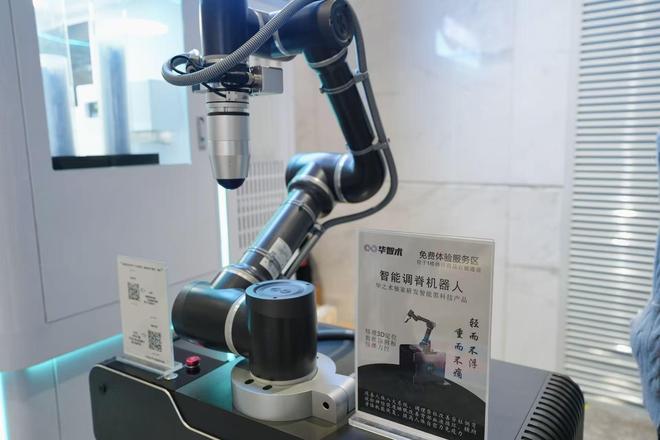
Group 1 - The twelfth National Games for Persons with Disabilities and the ninth Special Olympics are being held in Guangdong, showcasing the province's advancements in assistive technology [1] - Guangdong's rehabilitation industry has reached a scale of "hundred billion-level services" alongside "trillion-level assistive devices," indicating significant growth and development [1][4] - The event highlights the integration of technology in assistive devices, with local companies providing innovative solutions such as AI guide glasses and brain-controlled wheelchairs [1][3] Group 2 - The assistive device industry in Guangdong benefits from a robust manufacturing base and strong technological innovation, supported by the Greater Bay Area's mature industrial system [2][8] - The demand for assistive products is driven by the increasing need for rehabilitation services and the growth of the aging population, with the elderly care product market projected to exceed 650 billion yuan by 2024 [6][7] - Recent policies in Guangdong aim to enhance the quality and efficiency of the assistive device industry, providing a favorable regulatory environment for growth [7] Group 3 - Local companies are leveraging the Special Olympics to showcase their advanced products, such as all-terrain stair-climbing robots and brain-controlled wheelchairs, which are in high demand [4][5] - The integration of new materials and smart technologies is accelerating the evolution of assistive devices, making them more accessible and affordable for users [3][5] - The event serves as a platform for companies to gather user feedback, facilitating continuous product improvement and broader market reach [8]
追梦出彩人生 成就体育梦想
Ren Min Ri Bao Hai Wai Ban· 2025-12-09 22:50
Core Viewpoint - The 12th National Games for Persons with Disabilities and the 9th Special Olympics are being held in the Guangdong-Hong Kong-Macao Greater Bay Area, marking the first joint hosting by the three regions and the second time in history that these events coincide with the National Games [3][5]. Group 1: Event Overview - The event features a total of 46 major categories and 1,876 subcategories, including 11 major categories and 131 subcategories for mass sports, 9 major categories and 599 subcategories for Special Olympics, and 26 major categories and 1,146 subcategories for Paralympic and Deaflympic events [5]. - A total of 34 delegations with 7,824 athletes are registered to participate, with 5,398 athletes, 2,746 referees, 115 classifiers, and 2,772 coaches and staff involved during the concentrated competition period from December 8 to 15, representing a growth of approximately 30% compared to the previous edition [5]. Group 2: Sports and Participation - The event includes popular sports such as table tennis, badminton, blind football, sitting volleyball, and wheelchair basketball, designed to encourage broad participation among athletes with disabilities [6]. - The Special Olympics segment focuses on athletes with intellectual disabilities, promoting the spirit of "brave attempts and striving for victory" through scientific grouping based on gender, age, and athletic ability [6]. Group 3: Infrastructure and Accessibility - The organizing committee emphasizes a "green, shared, open, and clean" philosophy, utilizing shared venues and facilities with the National Games to achieve cost-effective event management [6]. - The Guangdong competition area has 36 venues, with 22 shared with the National Games, and improvements have been made to ensure accessibility for athletes and spectators with disabilities [6]. Group 4: Technological Integration - The event showcases assistive technology products, including smart devices for athletes with disabilities, highlighting the integration of technology into sports and daily life [10]. - The Guangdong region is leveraging the event to promote advancements in assistive technology, enhancing training and recovery for athletes [10]. Group 5: Cultural and Collaborative Aspects - The event incorporates cultural elements from Guangdong, Hong Kong, and Macao into its branding, including the logo, mascot, and medals [11]. - Unified standards for competition organization, classification, and anti-doping measures have been established across the three regions to facilitate smooth cross-border participation [11].
从残特奥会看千亿级辅具产业:广东打造科技助残超级场景
2 1 Shi Ji Jing Ji Bao Dao· 2025-12-09 12:55
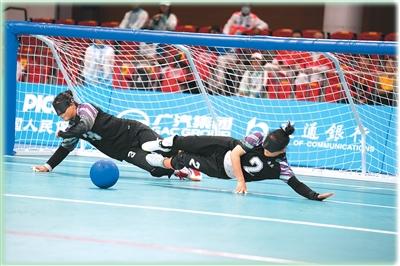
Core Viewpoint - The article highlights the development of a billion-level assistive device industry in Guangdong, showcasing its technological advancements and the integration of assistive technology in the context of the National Special Olympics and the 12th National Games for Persons with Disabilities [2][4]. Group 1: Industry Overview - Guangdong's rehabilitation industry has formed a structure of "hundred billion-level services" alongside a "billion-level assistive device" market, driven by the Special Olympics as a platform for showcasing assistive technologies [3][4]. - The assistive device industry in Guangdong benefits from a mature manufacturing system and strong technological innovation capabilities, enabling upgrades in new materials, intelligence, and information technology [3][9]. Group 2: Technological Innovations - The article discusses various innovative assistive devices showcased at the Special Olympics, including AI guide glasses, brain-controlled wheelchairs, and smart stair-climbing robots, all developed by local companies [4][5][10]. - The brain-controlled wheelchair, which utilizes brain-machine interface technology, has been in development since 2019 and has undergone multiple iterations, indicating a focus on continuous improvement and adaptation to user needs [7][10]. Group 3: Market Demand and Growth - There is a significant demand for assistive devices in Guangdong, with over 1.2 million individuals requiring rehabilitation services, and high service rates for basic rehabilitation and assistive device fitting [8]. - The aging population is driving growth in the elderly assistive products market, with projections indicating that the overall scale of the elderly products industry in Guangdong will exceed 650 billion yuan by 2024 [8]. Group 4: Policy Support - The Guangdong government has implemented various policies to support the development of the assistive device industry, including specific measures aimed at enhancing the quality and efficiency of elderly products [8][9]. - Recent initiatives emphasize the importance of sports economics and the integration of assistive technology into broader economic development strategies [7][8].

系统化支撑为残障人士搭建融入社会桥梁 科技加持让残障人士“智”享美好生活
Yang Shi Wang· 2025-12-09 10:34
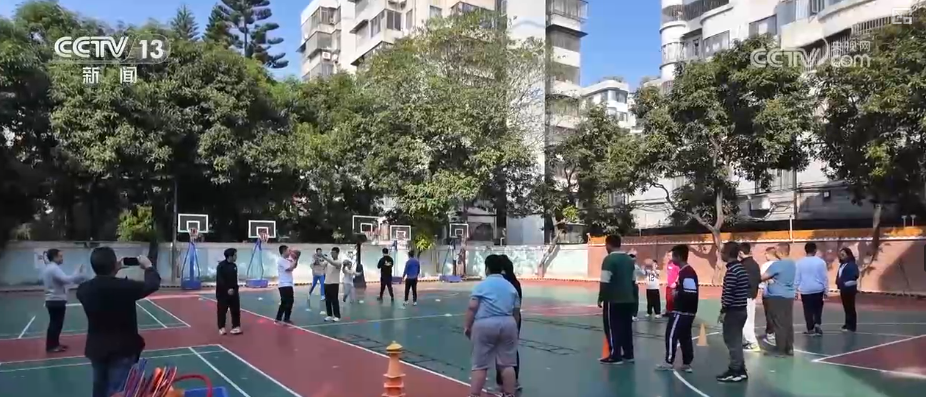
Group 1: Rehabilitation and Support Systems - Guangzhou is establishing a comprehensive support system for disabled individuals, including rehabilitation institutions and a service system that serves over 649,000 people annually [1][5]. - The Guangzhou Heart Friends Service Association has expanded its sports rehabilitation training from once a week to five times a week, helping disabled individuals improve their physical fitness and social integration [4]. - The Guangdong Provincial Rehabilitation Center provides tailored teaching and rehabilitation training for different types of disabled children, focusing on enhancing their life adaptation skills [5]. Group 2: Employment and Social Integration - After undergoing social adaptation training, individuals like Yongxin are finding employment opportunities, contributing to their income and social integration [3]. - The integration of sports and rehabilitation has become a common pathway for disabled individuals to build social and physical foundations for employment [3][4]. Group 3: Accessibility and Urban Development - Guangzhou has been actively promoting an all-encompassing barrier-free environment, with facilities like the Tianhe Sports Center receiving the highest level of accessibility certification [7][9]. - The city’s efforts in creating a barrier-free environment reflect its commitment to enhancing the quality of life for disabled individuals [7]. Group 4: Rehabilitation Aids Industry - The rehabilitation aids industry is rapidly developing, with Guangdong's wheelchair and walking aid products holding a domestic market share of 50% to 60% and accounting for 70% of exports [17]. - Innovations such as brain-controlled wheelchairs and all-terrain wheelchairs are emerging, showcasing the shift towards intelligent and personalized mobility solutions [17][18]. - The perception of wheelchairs is evolving, with recognition that they are not only for disabled individuals but also for the elderly and able-bodied people, facilitating the growth of the rehabilitation aids industry [17].
AI守护暖人心!大湾区助残科技亮相残特奥会
Hua Xia Shi Bao· 2025-12-08 11:20
Core Viewpoint - The article highlights the integration of technology in enhancing the lives of individuals with disabilities, showcasing innovative assistive products at the Special Olympics, emphasizing the theme of "technology empowerment and humanistic care" [2][12]. Group 1: Assistive Technology Innovations - A demonstration area for assistive technology products was established at the Special Olympics, featuring cutting-edge solutions from the Greater Bay Area aimed at addressing various challenges faced by people with disabilities [2]. - The all-terrain stair-climbing robot wheelchair from Foshan Kaiyang Medical Equipment Co., Ltd. can automatically adjust its seating position and climb up to 1,120 steps, with a flat terrain range of 35 kilometers [4]. - The brain-controlled wheelchair developed by Huazhong Brain Control (Guangdong) Intelligent Technology Co., Ltd. utilizes a headband to collect brain and eye signals for comprehensive control, specifically designed for patients with severe physical disabilities [6]. Group 2: Vision Assistance Technologies - The AI-based smart glasses, known as "Guide Rabbit," provide real-time environmental perception and precise path planning for visually impaired individuals, capable of describing surroundings through voice [8]. - The smart guide dog, priced at 30,000 yuan, offers navigation and obstacle avoidance features, previously showcased at the United Nations and set to assist visually impaired attendees during the Special Olympics [10]. Group 3: Broader Impact and Community Engagement - The showcased products reflect the technological capabilities and social responsibility of companies in the Greater Bay Area, with Shenzhen Youbixun Technology Co., Ltd. presenting the Wukong robot for companionship and support [10]. - The event serves as a platform to promote awareness of assistive technology advancements, fostering inclusivity and improving the quality of life for individuals with disabilities [12].

科技赋能与需求扩张,残疾人辅具产业迈向万亿新蓝海
Nan Fang Du Shi Bao· 2025-12-04 05:01
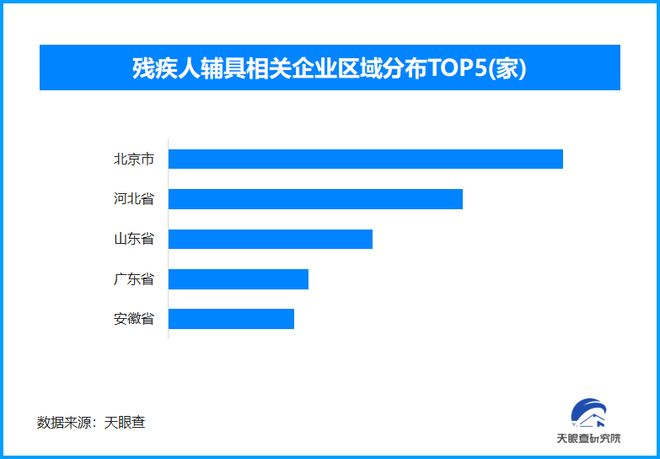
Group 1: Industry Transformation - The theme of the 33rd International Day of Persons with Disabilities emphasizes enhancing the leadership of disabled individuals and creating an inclusive and sustainable future, driving the transition of the disability-related industry from traditional service models to technology-driven and market-led development [1] - The number of certified disabled individuals employed in China has reached 9.144 million, contributing to a market for assistive devices and care services exceeding one trillion yuan [1] - The shift towards a more inclusive society is transforming disabled individuals from service recipients to active participants in economic development, fostering innovation in care services, assistive devices, and financial services [1] Group 2: Assistive Device Industry - The high-end assistive device market, previously dominated by imported brands, is now being disrupted by domestic innovations, with local smart prosthetics matching international products in performance at one-third of the price [2] - Advanced technologies such as brain-machine interfaces and AI exoskeletons are facilitating the transition of domestic assistive devices from "OEM production" to "independent innovation" [2] - As of now, there are over 20,900 assistive device-related enterprises in China, with Beijing, Hebei, and Shandong leading in the number of companies, accounting for 38.63% of the total [2][4] Group 3: Care Services - The care service sector is evolving from basic care to comprehensive support across rehabilitation, employment, and psychological services, with technology enabling more personalized and refined services [6] - There are over 8,900 enterprises related to disability care services in China, with Guangdong, Sichuan, Hunan, and Hebei having the highest concentrations, representing 53.8% of the total [6] - Rural areas are gradually improving service gaps through east-west collaboration mechanisms, with some counties reporting annual family incomes as low as 10,000 yuan and assistive device adaptation rates lagging behind urban areas by over 20 percentage points [8] Group 4: Insurance Innovation - Inclusive insurance products are addressing traditional coverage gaps, allowing disabled individuals to participate more fully in economic activities, with customized products for hearing-impaired and physically disabled individuals [10] - The insurance industry's comprehensive solvency ratio remains stable, providing a buffer for the introduction of innovative insurance products [10] - There are over 46,000 health insurance-related enterprises in China, with Jiangsu, Shandong, Hebei, and Guangdong leading in numbers, accounting for 30.78% of the total [10] Group 5: Social Collaboration and Employment - The dual-track approach of policy and market mechanisms is expanding employment opportunities for disabled individuals, with various enterprises facilitating thousands of job placements during the International Day of Persons with Disabilities [12] - Despite progress, challenges such as high labor costs and inadequate job matching persist, necessitating further analysis of successful case studies to develop replicable employment promotion strategies [12] - The transformation of the disability care, assistive device, and insurance industries reflects a significant shift in China's approach from "survival guarantee" to "value creation" for disabled individuals [12]