
日本经济复苏

Search documents
日本央行行长植田和男:日本经济正在温和复苏,但存在一些疲软。
news flash· 2025-07-31 06:37
Core Viewpoint - The Bank of Japan's Governor, Kazuo Ueda, stated that the Japanese economy is experiencing a moderate recovery, although there are some signs of weakness [1] Group 1 - The Japanese economy is on a path of moderate recovery [1] - There are indications of some economic weakness that need to be addressed [1]
日本央行行长植田和男:日本与美国的贸易协议是一个巨大的进展。日本经济展望大体没有变化。温和调整后日本经济正在复苏。
news flash· 2025-07-31 06:37
Core Insights - The Bank of Japan Governor Kazuo Ueda stated that the trade agreement between Japan and the United States represents a significant advancement [1] - The economic outlook for Japan remains largely unchanged [1] - After a mild adjustment, the Japanese economy is in a recovery phase [1]
7月23日电,日本央行副行长内田真一表示,尽管部分领域仍存在一定的疲软,日本经济已实现适度复苏。
news flash· 2025-07-23 01:43
Core Viewpoint - The Bank of Japan's Deputy Governor Shinichi Uchida stated that despite some sectors still showing signs of weakness, the Japanese economy has achieved a moderate recovery [1] Economic Recovery - The Japanese economy is experiencing a moderate recovery, indicating positive trends in overall economic performance [1] - Certain sectors continue to exhibit weakness, suggesting that the recovery may not be uniform across all industries [1]
日本央行副行长内田真一:尽管部分领域仍存在一定的疲软,日本经济已实现适度复苏。
news flash· 2025-07-23 01:33
Core Viewpoint - The Bank of Japan's Deputy Governor Shinichi Uchida stated that despite some sectors still showing signs of weakness, the Japanese economy has achieved a moderate recovery [1] Economic Recovery - The Japanese economy is experiencing a moderate recovery, indicating positive trends in overall economic performance [1] - Certain sectors continue to exhibit weakness, suggesting that the recovery is not uniform across all industries [1]
凯德北京投资基金管理有限公司:小企业加薪迟缓拖后腿 日本整体薪资增长乏力
Sou Hu Cai Jing· 2025-07-07 11:22
Group 1 - The core point of the article highlights a significant decline in Japan's real wages, which fell by 2.9% year-on-year in May, marking the largest drop in nearly two years, indicating a continuous erosion of household purchasing power due to inflation [1][3] - Despite nominal wages increasing by 1.0% year-on-year to 300,100 yen (approximately 14,900 RMB), the growth rate has notably slowed compared to April, primarily due to a sharp decline of 18.7% in special compensation, which includes unstable bonuses and one-time income [3][5] - The consumer price index, which is used to calculate real wages and includes fresh food but excludes rent, rose by 4.0% year-on-year in May, outpacing the nominal wage increase, thus highlighting the struggle of households against rising prices [3][5] Group 2 - A report from a labor organization indicated that average wages for union workers saw the largest increase in 34 years, yet the overall wage data presents a weak picture due to the slower wage growth in many non-unionized small enterprises [5][7] - There is a contradictory signal as household spending in May rose at the fastest pace in nearly three years, suggesting some resilience in consumption despite declining purchasing power [5][7] - Analysts suggest that the full impact of the wage increases from the spring labor negotiations may not be reflected in the statistics until summer, making sustained wage growth crucial for maintaining consumer momentum and supporting Japan's economic recovery [7][8]


日本5月家庭支出暴增4.7%超预期,美元兑日元跌破144关口
Sou Hu Cai Jing· 2025-07-04 07:02
Group 1 - Japan's household spending data showed a surprising strong performance, with a year-on-year increase of 4.7% in May, significantly exceeding market expectations, which has been a key factor in strengthening the yen [1][3] - The robust consumption data reflects the recovery momentum of the Japanese economy and provides important evidence for future adjustments in the Bank of Japan's monetary policy [1][3] - The strong consumer spending growth indicates an improvement in household income conditions, likely influenced by factors such as corporate wage increases and an improving job market [3] Group 2 - Following the release of the consumption data, the USD/JPY exchange rate experienced significant volatility, briefly breaking through the technical resistance area of 144.65-144.70 before encountering resistance near 145.25 [3][4] - The technical analysis indicates that short-term support levels for USD/JPY are concentrated around 144.20 and the 144.00 integer level, with potential further declines if these key supports are breached [4] - The U.S. labor market data, including a non-farm payroll increase of 147,000 in June, has also impacted the exchange rate, with a slower wage growth limiting the upside potential for the dollar [4]
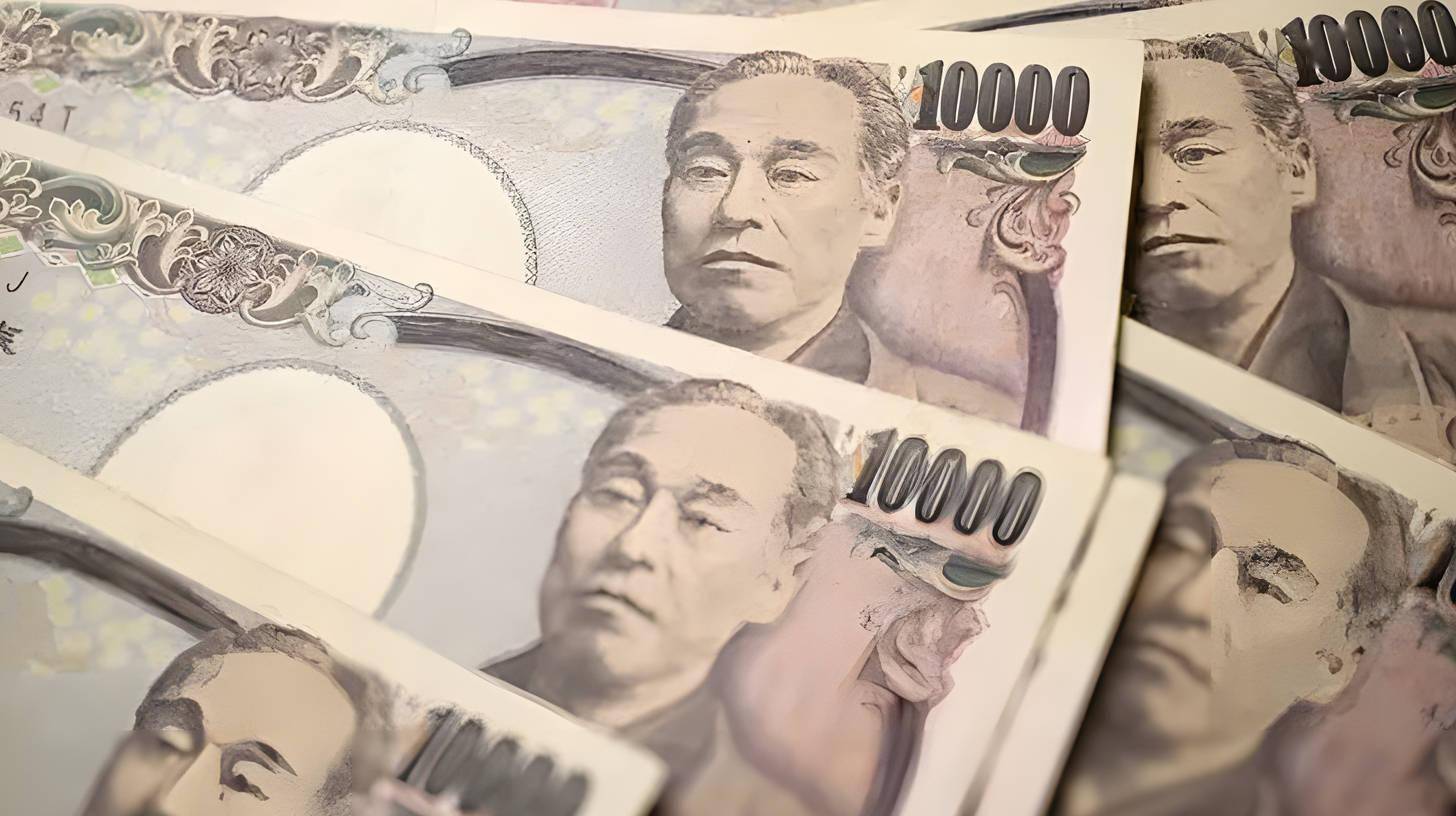
日本央行行长植田和男:日本经济正在温和复苏,尽管存在一些弱点。
news flash· 2025-06-20 06:42
Core Viewpoint - The Bank of Japan's Governor Kazuo Ueda stated that the Japanese economy is experiencing a moderate recovery, despite some weaknesses [1] Economic Recovery - The Japanese economy is showing signs of moderate recovery, indicating positive growth trends [1] - There are existing weaknesses that could impact the overall economic performance [1]
6月20日电,日本央行行长植田和男表示,日本经济正在温和复苏。
news flash· 2025-06-20 06:38
Group 1 - The core viewpoint is that the Bank of Japan's Governor, Kazuo Ueda, stated that the Japanese economy is experiencing a moderate recovery [1]
日本央行前首席经济学家:若美关税不松绑,今年难加息!
Jin Shi Shu Ju· 2025-06-19 09:36
Group 1 - The former chief economist of the Bank of Japan, Seisaku Kameda, indicated that unless there is a dramatic positive turn in U.S. tariff issues, the Bank of Japan may delay interest rate hikes this year [1][2] - The Bank of Japan's May report downgraded inflation expectations, citing uncertainty in U.S. trade policy impacting the export-dependent economy, leading to a forecast of stagnant core inflation [1][2] - Japan's exports fell for the first time in eight years in May, primarily due to the impact of U.S. tariffs on companies like Toyota, which could further pressure Japan's fragile economic recovery [1] Group 2 - Kameda noted that the lack of progress in trade negotiations and insufficient data to assess tariff impacts means the Bank of Japan is unlikely to make significant adjustments to growth and inflation forecasts in the upcoming report [2] - The Bank of Japan's forecast for core consumer inflation is 2.2% until March 2026, slowing to 1.7% the following year, with the timing of the next interest rate hike dependent on corporate capital expenditure and wage increases [2] - The Bank of Japan maintained its interest rates and decided to slow down the reduction of its balance sheet, reflecting a cautious policy stance due to escalating Middle East conflicts and U.S. tariffs [2]
日本央行表示,日本经济正温和复苏,但仍存在一些疲软迹象。
news flash· 2025-06-17 03:37
Core Viewpoint - The Bank of Japan indicates that the Japanese economy is experiencing a moderate recovery, but there are still signs of weakness present [1] Economic Indicators - The Japanese economy is showing a moderate recovery trend [1] - There are existing signs of weakness that could impact future growth [1]