日本央行加息

Search documents
15个月首次!日本东京CPI跌破2%目标,但央行加息路径未受动摇
Hua Er Jie Jian Wen· 2026-02-27 06:20
Core Viewpoint - Tokyo's inflation unexpectedly cooled, but analysts believe this slowdown will not hinder the Bank of Japan's (BOJ) path towards further tightening monetary policy [1][4] Group 1: Inflation Data - The consumer price index (CPI) in the Tokyo region, excluding fresh food, rose by 1.8% year-on-year in February, down from 2.0% in January, marking the first drop below the BOJ's 2% target since October 2024 [1] - The primary reason for this decline was the government's subsidy policy, which led to a 9.2% year-on-year drop in energy prices [2] - Core inflation, excluding fresh food and energy, increased from 2.5% in January to 2.5% in February, indicating persistent underlying price pressures [2][3] Group 2: Economic Indicators - Retail sales in January grew by 1.8% year-on-year, demonstrating sustained consumer momentum [5] - Industrial output rose by 2.2% month-on-month in January, a significant rebound from a 0.1% decline in December, partly due to pre-holiday stocking [5] - Despite short-term improvements, there are concerns that factory activity may weaken in the coming months, which could diminish the rationale for further rate hikes [5] Group 3: Monetary Policy Outlook - Economists and market participants agree that the BOJ's normalization process is not significantly impacted by the recent inflation slowdown [4] - The probability of a rate hike in April is close to 60%, according to market pricing [1] - The BOJ has maintained a cautious yet proactive stance on rate hikes since raising the policy rate to 0.75% in December [4]
债息四年翻倍:日本加息周期下的财政压力浮现
智通财经网· 2026-02-26 09:27
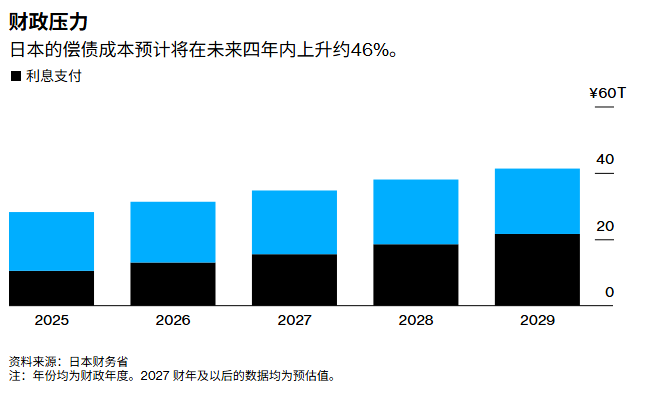
Group 1 - The Japanese government anticipates that interest payments on outstanding debt will roughly double over the next four years due to the Bank of Japan's gradual interest rate hikes, with projected interest payments reaching 21.6 trillion yen (approximately 139 billion USD) in the fiscal year 2029, up from the current fiscal year's budget of 10.5 trillion yen [1][3] - Overall debt servicing costs are expected to rise significantly by about 46%, totaling 41.3 trillion yen, which will account for approximately 30% of the total projected expenditure of 139.7 trillion yen in the fiscal year 2029, surpassing anticipated social security spending [3][4] - The Bank of Japan's continued tightening policy is increasing fiscal pressure, while the potential for economic growth faces structural constraints, as reiterated by the Bank's Governor Haruhiko Kuroda [3][4] Group 2 - The Ministry of Finance has set the cumulative interest rate, used as a benchmark for calculating debt servicing costs, at 3% for the next fiscal year, with expectations for it to rise to 3.2% in fiscal year 2027 and further to 3.4% and 3.6% in the subsequent two years [3] - Tax revenue is projected to increase annually, potentially exceeding 95 trillion yen in the final year of the forecast period [3] Group 3 - The preliminary budget for the new fiscal year starting in April is a record 122 trillion yen, reflecting increasing spending pressures in social security, defense, and other areas [4] - Prime Minister Fumio Kishida's government is committed to pushing this budget through the Diet by the end of March, while also implementing measures to alleviate price pressures, including a two-year suspension of food purchase taxes, estimated to cost around 5 trillion yen annually [4][5] - Kishida emphasized a responsible fiscal policy, aiming to control the growth rate of outstanding debt to be below the economic growth rate and to steadily reduce the debt-to-GDP ratio [5]

首度操刀央行人事 高市早苗利率路径“信号”即将揭晓
智通财经网· 2026-02-25 02:33
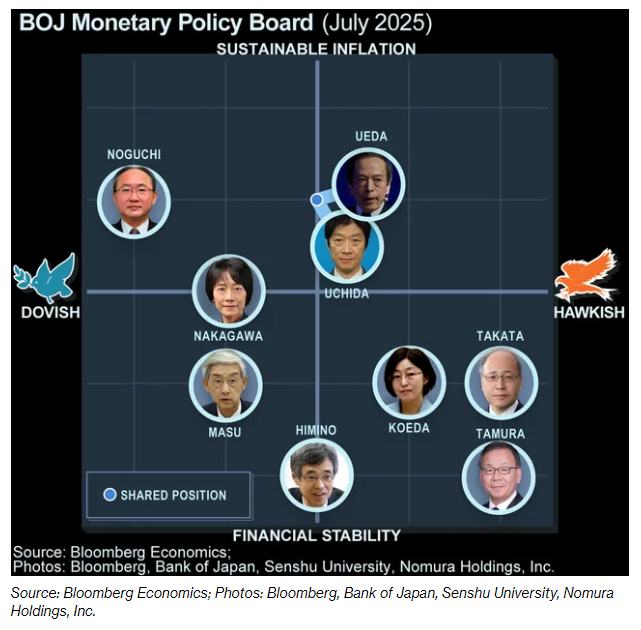
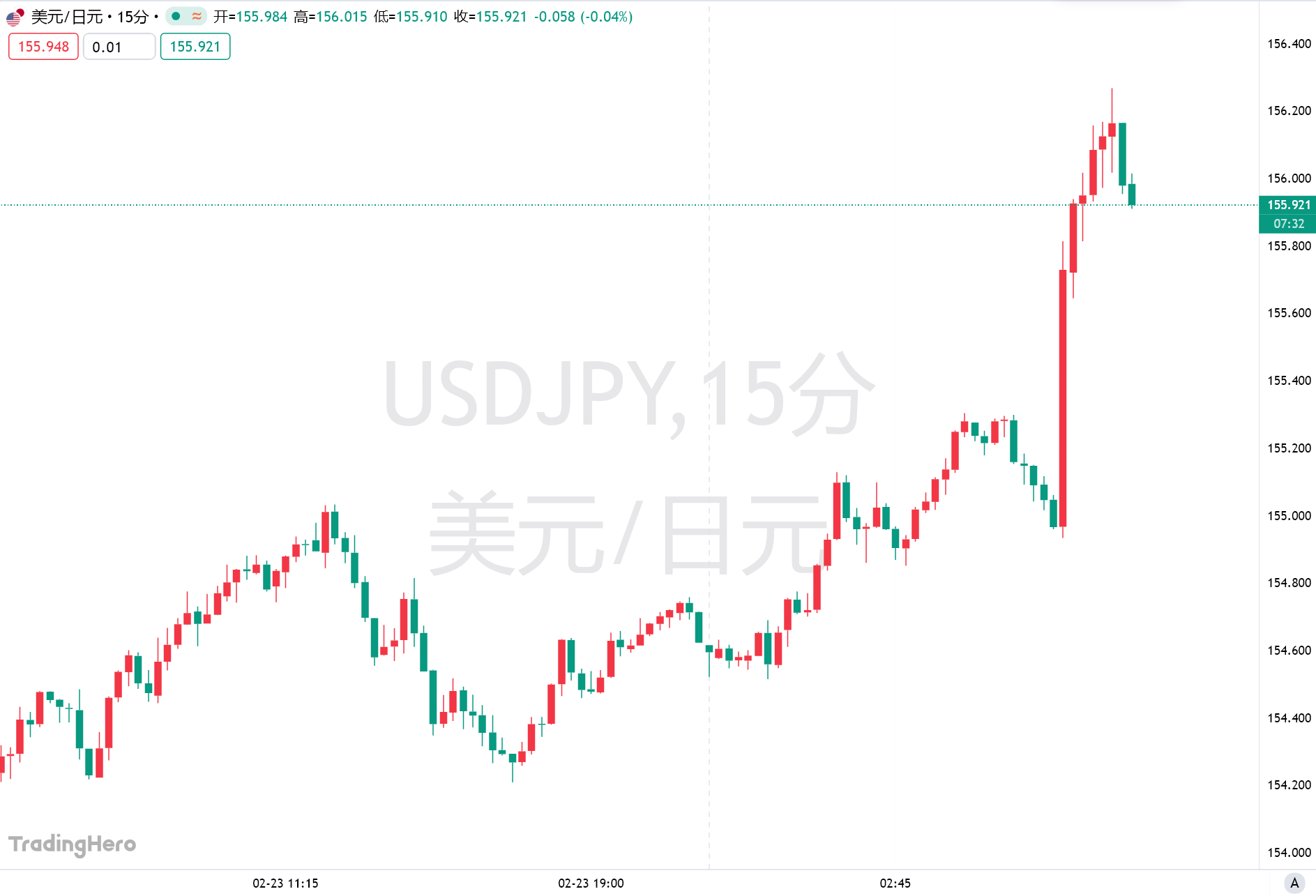
Core Viewpoint - The nomination of two new members to the Bank of Japan's policy board by Prime Minister Fumio Kishida may indicate a shift in the government's stance on interest rate policies, particularly in light of recent concerns about inflation and the yen's depreciation [1][2][3]. Group 1: Nomination Details - Prime Minister Fumio Kishida is set to nominate two new members to the Bank of Japan's policy board, replacing outgoing members Asahi Noguchi and Junko Nakagawa [1]. - The nominations require approval from both houses of the National Diet and are expected to be submitted around noon local time on Wednesday [1]. - This marks Kishida's first direct influence on the nine-member policy board, raising speculation about potential changes in the interest rate path [1][2]. Group 2: Market Reactions - Following reports of Kishida's meeting with Bank of Japan Governor Kazuo Ueda, the yen experienced a significant drop, falling 1.1% to 156.28 yen per dollar [1]. - The yen's depreciation has prompted economists to reconsider the timeline for potential interest rate hikes, with some suggesting a possibility of a rate increase before April [2]. - The market is particularly focused on the second nominee, as the choice could signal a continued support for monetary easing [2][3]. Group 3: Economic Context - The yen's current exchange rate is significantly lower than its five-year average of 138.19 yen per dollar, indicating ongoing weakness [2]. - Japan's core inflation has remained above the Bank of Japan's 2% target for four consecutive years, exacerbated by the yen's depreciation [3]. - Kishida's administration has emphasized maintaining investor confidence and sustainable fiscal policies, which may influence the central bank's future decisions [3][5]. Group 4: Political Implications - Kishida's recent electoral victory enhances his political capital, allowing him to potentially nominate more inflation-oriented members to the Bank of Japan [2][6]. - The upcoming changes in the central bank's leadership, including the terms of the current governor and deputy governors, are set to conclude by spring 2028, which may further shape monetary policy direction [6][7].
日本央行加息前景不明 日元延续盘整
Sou Hu Cai Jing· 2026-02-25 01:43
Group 1 - The market remains uncertain about the Bank of Japan's interest rate hike path, leading to continued fluctuations of the yen against other G10 and Asian currencies [1] - Japanese Prime Minister Fumio Kishida expressed concerns about further interest rate hikes during a meeting with Bank of Japan Governor Kazuo Ueda, which has reignited uncertainty in the market [1] - Market analysts, such as Sky Masters from the National Australia Bank, noted that the latest news contradicts previous expectations that Kishida might adjust the monetary policy stance, increasing investor focus on his upcoming nominations for two new Bank of Japan committee members [1]
日本首相高市早苗就进一步加息问题向日本央行行长表达关切
Xin Lang Cai Jing· 2026-02-24 11:22
Core Viewpoint - Japanese Prime Minister Fumio Kishida expressed reservations about further interest rate hikes during a meeting with Bank of Japan Governor Kazuo Ueda, which may complicate the central bank's policy timeline due to the new government's hardline stance [1][2]. Group 1: Meeting Details - The meeting between Kishida and Ueda was described as a general exchange of opinions on economic and financial developments, with no specific monetary policy requests made by the Prime Minister [1][2]. - Kishida remained tight-lipped about the details of the meeting but emphasized the need for close cooperation between the central bank and the government to achieve a sustained 2% inflation target supported by wage growth [1][2]. Group 2: Market Reactions - Following the news of Kishida's reluctance towards further rate hikes, both the Japanese yen against the US dollar and euro weakened [1][2]. - Market speculation suggests that rising living costs, partly driven by a weak yen, could prompt the Bank of Japan to consider interest rate hikes as early as March or April [1][2].
日媒曝高市早苗对加息“面露难色”,日元急跌,央行4月行动生变数?
Jin Shi Shu Ju· 2026-02-24 09:02
Core Viewpoint - Japanese Prime Minister Fumio Kishida expressed reservations about further interest rate hikes during a recent meeting with Bank of Japan Governor Kazuo Ueda, potentially complicating the central bank's timeline for monetary policy adjustments [1][3]. Group 1: Government and Central Bank Relations - Kishida's stance indicates a more dovish position compared to the previous November meeting, emphasizing the need for close cooperation between the central bank and the government to achieve a sustainable 2% inflation target alongside wage increases [3]. - The meeting was described by Ueda as an exchange of opinions on economic and financial developments, with no specific monetary policy requests made by Kishida [3][4]. Group 2: Market Reactions and Expectations - Investors were surprised by Kishida's reported reluctance to support interest rate hikes, which increased the perceived risk of the Bank of Japan delaying its tightening policy [4]. - Following Kishida's party's overwhelming victory in the House of Representatives elections, the yen had previously strengthened as investors anticipated clearer policy direction and reduced fiscal risks [4]. Group 3: Future Projections and Speculations - If Kishida were to propose a cap on interest rates at 0.75%, it would be more dovish than market expectations, potentially leading to yen weakness and rising Japanese government bond yields [5]. - Current swap trading indicates a 59% probability of the Bank of Japan raising interest rates before the April meeting, with many economists now predicting a hike as early as April due to ongoing currency weakness and its inflationary effects [6].
日本经济长期疲软,日元购买力跌至53年来最低
Huan Qiu Shi Bao· 2026-02-23 22:43
Group 1 - The Japanese yen's actual effective exchange rate index has reached a 53-year low, reflecting a significant decline in purchasing power, down approximately two-thirds from its peak in 1995 [1][2] - The Bank of Japan's interest rate hikes from -0.1% to 0.75% have not strengthened the yen, which remains one of the weakest currencies globally when adjusted for trade and inflation [1][2] - Japan's potential economic growth rate has dropped from around 1% in 1995 to near 0% by the end of the second decade of the 21st century, contributing to prolonged low inflation and interest rates [2] Group 2 - The Bank of Japan is attempting to normalize monetary policy amid rising prices and wages, with plans to further increase the policy rate, which could impact households and businesses negatively [2] - A potential 0.25 percentage point increase in the policy rate could add approximately 18,000 yen to annual repayment burdens for households, while corporate profits (excluding financial and insurance sectors) could decline by an average of 0.9% [2] - Despite the yen's depreciation being expected to boost domestic investment and export competitiveness, actual corporate investment remains sluggish due to low perceived returns on domestic investments [3]
日央行前审议委员:日美峰会前日元若再贬,最早或于3月加息
智通财经网· 2026-02-23 05:59
Group 1 - The Bank of Japan may raise interest rates as early as March if the yen continues to decline before the upcoming Japan-US summit [1] - Prime Minister Fumio Kishida is expected to visit Washington around the time of the Bank of Japan's next policy meeting on March 18-19 [1] - The former policy committee member, Makoto Sakurai, suggests that the best way to combat yen depreciation is through interest rate hikes rather than currency intervention [1] Group 2 - Sakurai predicts that the Bank of Japan may need to raise rates twice in both 2026 and 2027, bringing the policy rate to 1.75%, a neutral level for the economy [2] - The Bank of Japan ended a decade-long stimulus program in 2024 and has raised rates multiple times, including a recent increase to 0.75%, the highest in 30 years [2] - The weak yen has become a political challenge for Japanese policymakers, as it raises import costs for fuel and food, negatively impacting households and retailers [2] Group 3 - The yen has depreciated approximately 8% since Kishida took office in October, reaching an 18-month low of 159.45 in January [2] - Currently, the yen is hovering around 155, significantly lower than the 147 level before Kishida's administration [3]
日本央行前委员樱井真:若日元再度下跌,日本央行或将于3月加息
Xin Lang Cai Jing· 2026-02-23 05:22
Core Viewpoint - The former member of the Bank of Japan, Sakurai Makoto, suggests that if the yen depreciates again before the upcoming Japan-U.S. summit in March, the Bank of Japan may raise interest rates as early as March [1] Group 1 - Sakurai states that intervention in the exchange rate only has a temporary effect on suppressing the selling pressure of the yen [1] - The best way to address the weakness of the yen is through an interest rate hike by the Bank of Japan [1] - A further depreciation of the yen will increase import costs, thereby raising inflation and offsetting some of the downward pressure from government fuel subsidies [1] Group 2 - Sakurai mentions that if a significant depreciation of the yen occurs, the Bank of Japan could justify an interest rate hike based on expected strong wage growth during the spring annual wage negotiations among companies and labor unions [1]
日本1月核心CPI跌至两年新低,加息节奏又要被打乱?
Jin Shi Shu Ju· 2026-02-20 04:31
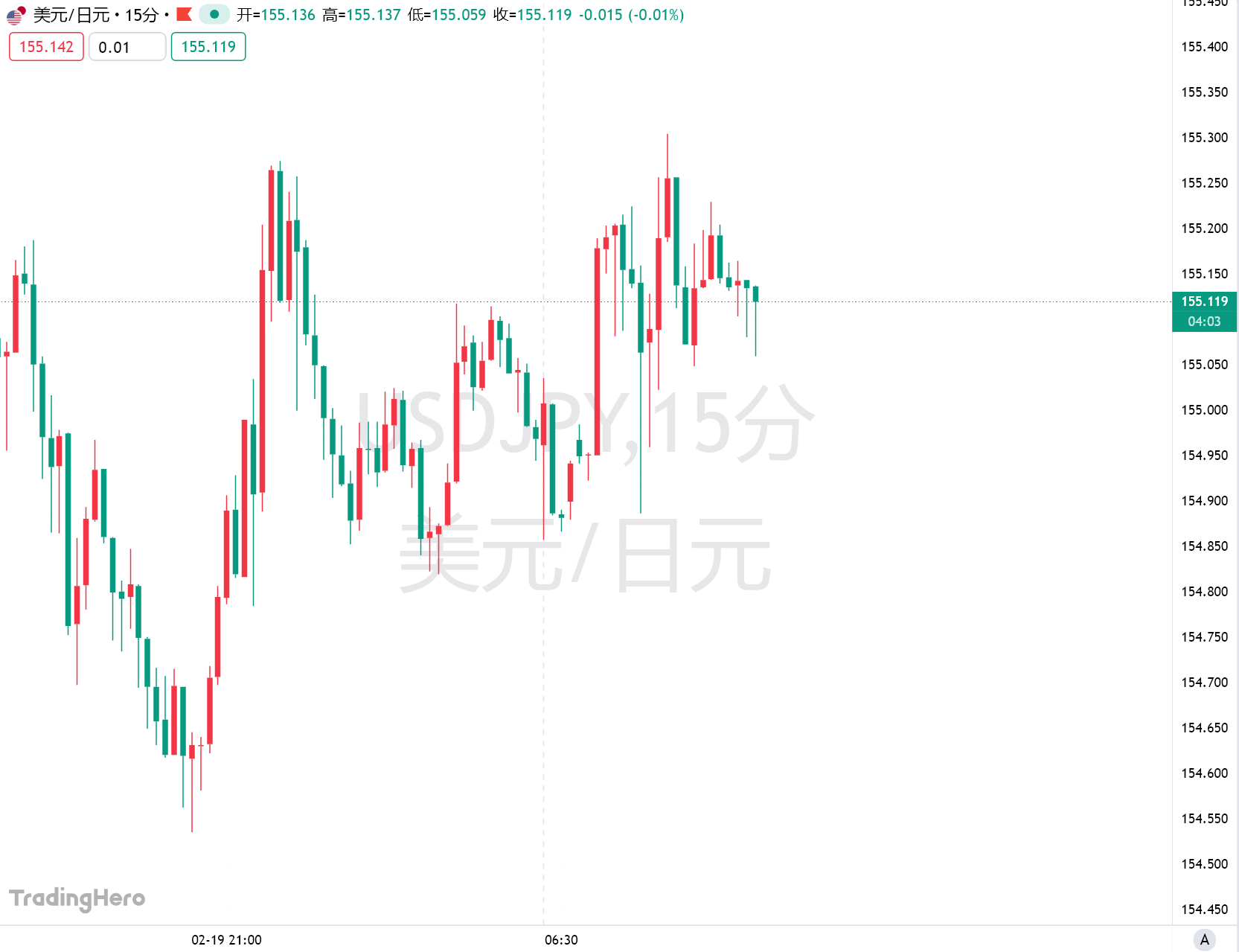
Core Insights - Japan's core consumer inflation rate fell to its lowest level in two years at 2.0%, aligning with the Bank of Japan's (BOJ) target, indicating a reduction in price pressures that complicates the BOJ's decision on interest rate hikes [1][4] - A more stable inflation measure, excluding volatile fresh food costs, showed a year-on-year increase of 2.6%, still above the BOJ's target, but down from 2.9% in December, suggesting a decline in food price momentum [2][3] - The overall inflation rate dropped from 2.1% in December to 1.5% in January, marking the first time in nearly four years that it fell below the BOJ's 2% target, intensifying communication challenges for the central bank regarding its rate hike plans [4] Economic Indicators - The service sector inflation remained stable at 1.4%, with private service prices slowing from 2.0% to 1.9%, indicating a sluggish response from businesses in passing on rising labor costs [3] - The BOJ's previous statements highlighted that temporary factors could lead to core inflation briefly falling below the target, but emphasized the importance of sustainable, wage-driven inflation for future rate hikes [2][7] Market Reactions - Following the data release, the USD/JPY exchange rate initially rose but later retreated, maintaining above the 155 mark, reflecting market uncertainty regarding the BOJ's next moves [5] - Analysts predict that core inflation will remain below 2% in the coming months due to government fuel subsidies, potentially offsetting upward pressure from a weaker yen on import costs [7] - A Reuters survey indicated that most economists expect the BOJ to raise the key interest rate from 0.75% to 1% by the end of June, with the market pricing in about 70% probability for an April rate hike [7]