
旱涝急转

Search documents
刘宁到鹤壁市调研检查防汛工作
He Nan Ri Bao· 2025-07-29 10:47
Group 1 - The article emphasizes the importance of flood prevention and disaster relief work during the critical period of "July down, August up" [1][2] - Liu Ning, the provincial secretary, conducted inspections of water conservancy projects and flood control facilities in Hebi City, highlighting the need for strict implementation of flood prevention measures and political responsibility [1][3] - The article mentions the forecast of convective rainfall in Hebi City from July 29 to 30, which necessitates heightened vigilance and preparedness for flood control [1][2] Group 2 - Liu Ning stressed the need for enhanced collaboration and information sharing among upstream and downstream entities to improve flood management and response capabilities [2][3] - The article discusses the importance of pre-positioning emergency rescue teams and ensuring timely responses to emergencies to safeguard public safety [2][3] - It highlights the necessity of preparing for both drought and flood conditions, with a focus on water resource management and ensuring drinking water and food production safety [3]

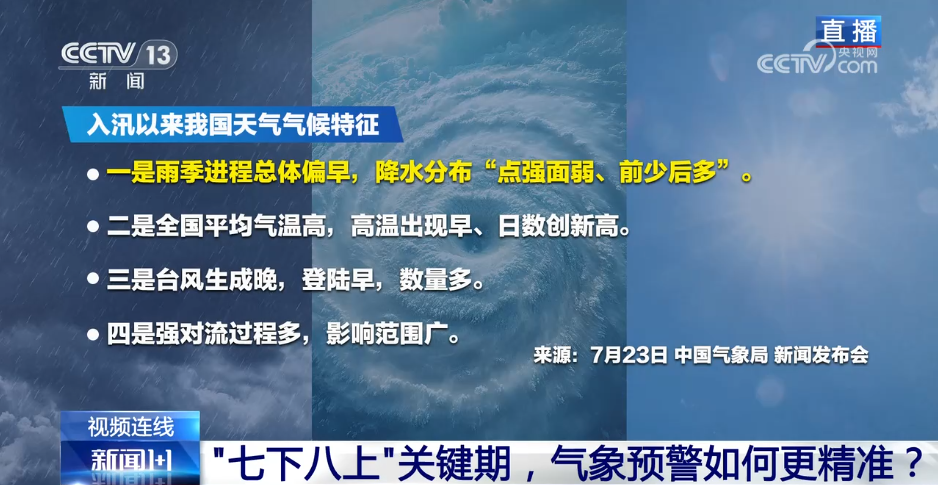
新闻1+1丨“七下八上”关键期,气象预警如何更精准?
Yang Shi Wang· 2025-07-23 17:15
Core Viewpoint - The article discusses the current weather patterns in China, highlighting the early onset of the rainy season and the associated risks of flooding and drought, particularly in northern and southern regions respectively [1][3]. Group 1: Weather Patterns and Predictions - The average national precipitation is 6.2% lower than the historical average, with the highest number of high-temperature days recorded for this period [1]. - The rainy season has started 13 days earlier than usual, leading to increased risks of frequent heavy rainfall in northern China, where flood control infrastructure is relatively weak [3]. - Southern regions, particularly the Yangtze River basin, are experiencing reduced rainfall, raising concerns about drought conditions [3]. Group 2: Rainfall Distribution and Impact - The rainfall distribution for August is predicted to be uneven, with northern and northeastern regions, as well as southern areas like Guangdong and Hainan, experiencing 20-50% more rainfall, while regions like Chongqing, Hunan, and Hubei may see 20-50% less [6]. - The increased rainfall in certain areas necessitates heightened vigilance against flood and geological disasters, especially in northern regions that have faced severe flooding in recent years [6]. Group 3: Health and Climate Mapping - The national meteorological health map is based on 30 years of data from 2,400 counties, aiming to provide a clear understanding of how weather affects health and well-being [7][9]. - The map evaluates climate comfort based on multiple factors, including temperature, humidity, wind speed, and air quality, to guide the public in making informed decisions about health and wellness [10][12].
南方新一轮强降雨即将开启 核心影响区域有哪些?
Yang Shi Xin Wen· 2025-06-17 11:36
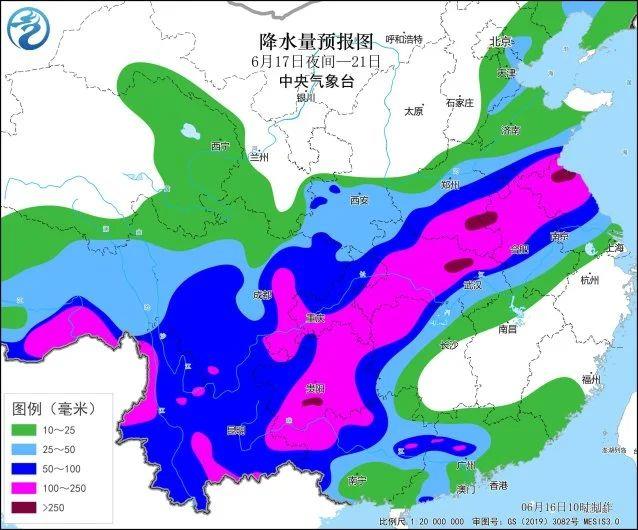
Core Viewpoint - A significant rainfall event is expected to impact multiple provinces in southern China, with the potential for severe weather conditions and secondary disasters due to the heavy rainfall [1][3][7]. Summary by Relevant Sections Rainfall Impact Areas - The core impact areas for the upcoming rainfall include nine provinces: Sichuan, Chongqing, Hubei, Hunan, Henan, Jiangsu, Anhui, Guizhou, and Guangxi [3][4]. - Rainfall is expected to be concentrated in regions such as southern Shaanxi, eastern Sichuan, western Hubei, and southeastern Henan, with potential for heavy rain from June 19 to 21 [3][6]. Rainfall Intensity and Duration - The rainfall process is characterized by a long duration and significant cumulative rainfall, with some areas receiving over 100 millimeters, and localized regions potentially reaching 200 to 300 millimeters [3][6]. - Compared to historical averages, the intensity of this rainfall event is expected to be stronger due to the influence of a strong subtropical high and cold air masses [4][6]. Weather Patterns and Causes - The formation of this rainfall is attributed to the interaction of warm and cold air masses, leading to sustained heavy rainfall across the Yangtze River basin [4][6]. - The subtropical high is expected to shift northward, facilitating the movement of warm, moist air into the affected regions [4][6]. Secondary Disaster Risks - There is a heightened risk of secondary disasters such as flash floods and geological hazards in areas with significant rainfall accumulation, particularly in eastern Guangxi, northern Hubei, and southwestern Hunan [7][9]. - The rainfall is also expected to alleviate drought conditions in several regions, including the Sichuan basin and parts of Henan, while still posing risks of rapid transitions from drought to flooding [7][9].
“三夏”大忙已至,这份夏收指南请查收!
Xin Hua She· 2025-05-31 13:44
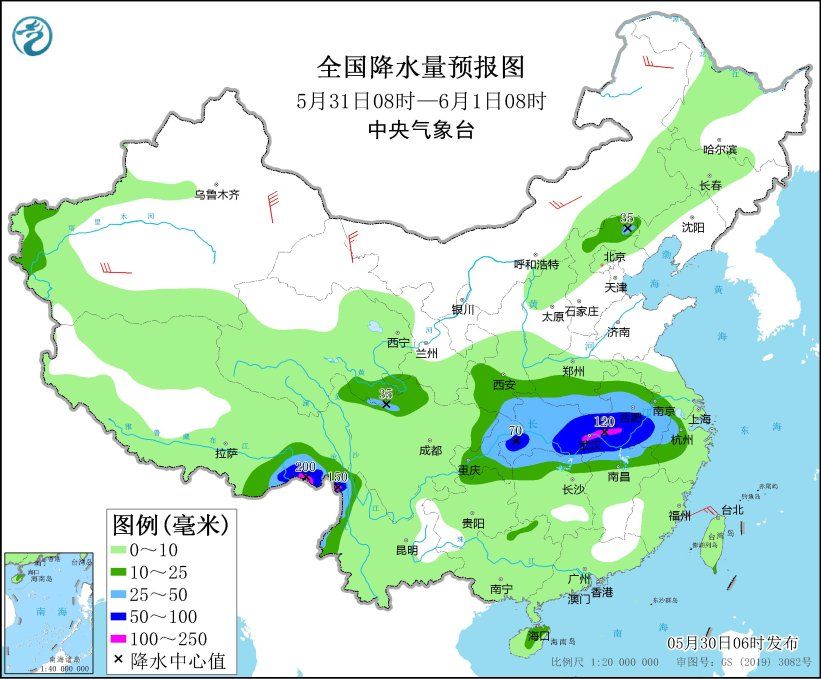
Core Viewpoint - The "Three Summers" period is critical for crop planting, with the northern regions entering the main wheat harvesting phase in early June. Recent weather forecasts indicate that drought conditions may ease due to expected rainfall in certain areas, although some regions will experience dry weather favorable for harvesting [1]. Group 1: Weather Impact on Agriculture - Rainfall is expected from May 31 to June 2 in drought-affected areas such as southeastern Gansu, southern Shaanxi, and southwestern Henan, which will help alleviate drought conditions, although it may temporarily hinder wheat harvesting [1] - The next ten days will see no significant rainfall in regions like northern Shaanxi, northwestern Henan, southern Shandong, and northern Anhui, which is beneficial for accelerating wheat harvesting [1][3] Group 2: Threats to Crop Yield - The two main threats during the "Three Summers" are hot winds and excessive rainfall, which can lead to reduced wheat yields and spoilage of mature crops [3] - Experts recommend scientific irrigation and foliar fertilization to enhance crop resilience against hot winds, as well as selecting appropriate crop varieties to mitigate risks from the outset [3] Group 3: Harvesting Strategies - During rainy conditions, experts advise timely harvesting and drying of wheat based on weather conditions and crop maturity to minimize losses. If conditions do not allow for drying, low-temperature mechanical drying or proper indoor ventilation should be employed [6] - To prevent sprouting of wheat heads, the use of sprout inhibitors is recommended, with a focus on harvesting varieties that are more susceptible to sprouting first [6] Group 4: Pest and Disease Management - Regions like Huang-Huai-Hai and the middle and lower Yangtze River are at risk of diseases such as stripe rust due to increased rainfall, while high temperatures and low rainfall can lead to pest outbreaks like aphids and spider mites [8] - In corn-growing areas, attention should be paid to root rot and underground pests, as well as migratory pests that can damage crops during their growth stages [8] Group 5: Water Resource Management - Water resource management is crucial during the "Three Summers" to ensure smooth harvesting. Authorities plan to enhance monitoring of rainfall, soil moisture, and crop conditions to dynamically assess drought situations [11] - Precise water resource allocation is emphasized to avoid downstream water shortages while addressing immediate drought conditions [12]
进入“三夏”农忙时节 须防这些天气来搅局
Xin Hua Wang· 2025-05-26 02:50
Weather Conditions During Summer Harvest and Planting - The overall weather conditions during this year's summer harvest and planting period are expected to be favorable, facilitating agricultural activities [3] - From late May, most summer grain-producing areas will experience mainly sunny or partly cloudy weather, with a low risk of continuous rain, which is beneficial for the maturity and harvesting of winter wheat and rapeseed [4] Potential Weather Risks - There will be a significant rainfall event in regions such as Jianghan, Jianghuai, and northern Jiangnan from May 27 to 28, which may adversely affect the harvesting of rapeseed and winter wheat [5] - The first half of June may see temperatures close to or slightly above the historical average, which is generally favorable for wheat harvesting, but localized severe convective weather may occur, necessitating precautions [5] - The risk of continuous rain and heavy precipitation during the wheat harvesting period is high in certain areas, while increased rainfall later will benefit summer planting efforts [5] Impact of Adverse Weather - Continuous rainy weather can lead to difficulties in harvesting, causing wheat to fall and spoil, and affecting the drying of harvested grains, resulting in yield losses [9][13] - "Rotting rain" typically occurs from late May to mid-June, caused by the convergence of cold air from the north and warm moist air from the south, leading to widespread and slow-moving rain systems [11][12] Recommendations for Farmers - Farmers are advised to optimize machinery scheduling to take advantage of good weather for harvesting, and to manage soil moisture effectively to prevent waterlogging [15] - For harvested wheat, proper drying and ventilation are crucial to prevent spoilage, and timely planting of summer crops like corn and soybeans should be prioritized based on weather conditions [15] High-Temperature and Drought Challenges - High temperatures and drought conditions are prevalent during this period, particularly affecting regions like Huanghuaihai, North China, Jianghuai, and parts of the Southwest [28] - Young seedlings are particularly vulnerable to high temperatures, which can lead to issues such as "burning" and "yellowing," potentially impacting growth and yield [30] Mitigation Strategies for High Temperatures - Farmers should implement timely irrigation and nutrient management to mitigate the effects of high temperatures, ensuring adequate moisture and nutrient supply to crops [32][33] - Installation of cooling systems in greenhouses and using shading techniques can help protect crops from extreme heat [33] Emergency Preparedness for Weather Extremes - The Ministry of Agriculture emphasizes the importance of monitoring for drought, dry hot winds, and continuous rain, and encourages timely warnings and resource preparations to address potential disasters [42]

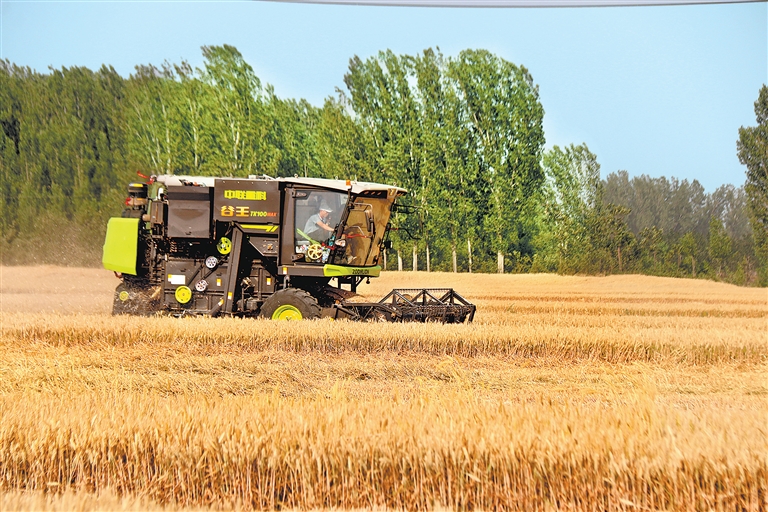
河南全面进入“三夏”时间 及时抢收抢种,防范旱涝急转
He Nan Ri Bao· 2025-05-21 00:06
Core Insights - The "Three Summer" period in Henan has begun, with significant weather changes expected to impact agricultural activities [1] - Increased rainfall is anticipated during this period, with varying amounts across different regions, raising the risk of drought and flooding [2] - A detailed harvesting and planting schedule has been established for wheat, corn, and peanuts, with specific dates for each region [3][4] - Farmers are advised to manage their fields carefully and prepare for potential adverse weather conditions to ensure successful harvests [5] Weather Conditions - Rainfall is expected to be above average, with 80-100mm in the northern Yellow River region, 85-200mm in the Huanghuai area, and 200-250mm in the southern Huai River region [2] - Average temperatures are projected to be 1°C to 2°C higher than normal, with specific regions experiencing temperatures between 22.5°C to 41°C [2] - The combination of high temperatures and rainfall increases the risk of rapid drought and flooding transitions [2] Harvesting and Planting Schedule - Wheat harvesting is set to occur from May 21 to June 10, with most areas starting 3 to 5 days earlier than usual [3] - Corn planting is scheduled from May 25 to June 15, with staggered planting dates across different regions [3] - Peanut planting is planned from May 21 to June 13, with specific start and end dates for various areas [3][4] Agricultural Management Recommendations - Farmers are encouraged to monitor weather forecasts closely and utilize dry periods for harvesting and drying crops [5] - It is essential to maintain drainage systems and prepare for timely planting of autumn crops to mitigate risks from uneven rainfall [5] - The agricultural sector is urged to adapt to the changing weather conditions to ensure optimal crop yields during the "Three Summer" period [5]
广西新一轮强降雨强对流天气将开启
Guang Xi Ri Bao· 2025-05-05 02:02
Group 1 - The core viewpoint of the articles highlights the upcoming heavy rainfall in Guangxi during the May 1st holiday return peak, with significant weather changes expected from May 7 to 9 [1][2] - Rainfall is anticipated to be particularly strong in northern and eastern Guangxi, with forecasts indicating moderate to heavy rain, and localized areas experiencing severe storms including hail and strong winds [1] - Meteorological experts emphasize the uneven distribution of rainfall, warning of potential flooding in areas with excessive rain while others may face drought conditions, thus urging a dual approach to flood prevention and drought management [2] Group 2 - The forecast indicates that from May 4 to 5, northern Guangxi will experience intensified rainfall, with some regions facing heavy rain and possible severe weather events [1] - On May 7, a new round of rainfall is expected to begin in northeastern Guangxi, with the rain spreading to northern and southern regions by May 9, accompanied by strong convective weather [1] - The articles stress the importance of public safety and travel planning during this period of adverse weather conditions [1]
特旱与超警洪水齐来?紧急提醒→
央视财经· 2025-04-23 11:19
Group 1 - The southern regions of China are experiencing significant rainfall, with some areas recording unprecedented rainfall levels, which may lead to both drought relief and potential flooding risks [1][3] - In Guangxi, severe drought conditions have been reported, with rainfall in March being less than half of the normal levels, and April's rainfall dropping to less than 20% of the usual amount [2] - Recent heavy rainfall has alleviated drought conditions in parts of Anhui and Jiangxi, but caution is advised due to the risk of rapid transitions from drought to flooding and secondary disasters [3] Group 2 - The forecast indicates that rainfall in southern China will initially decrease before intensifying again, with significant rainfall expected in Jiangnan and Huannan regions [1] - The first instance of flood exceeding warning levels occurred in Guangxi due to heavy rainfall, marking a critical point in the region's weather patterns [2] - The upcoming weather patterns suggest a continued risk of strong convective weather, which could adversely affect transportation and other sectors [1][3]
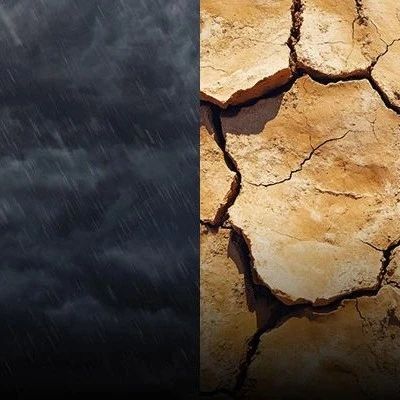
【广西大部气象干旱已达特旱】4月22日讯,目前,广西大部气象干旱都已达特旱级别。从3月开始,广西的降雨就显著偏少,整个3月广西大部雨量不足常年同期的一半,多地4月以来的降雨更是不到常年同期的二成,其中更是不乏一些雨量低到约等于没下的地方。与此同时,近日广西大片地区出现高温,这也令蒸发加速,加剧干旱。好消息是,未来几天广西降雨频繁,有利于旱情缓和,但部分地区累计降雨量较大,需谨防旱涝急转,警惕次生灾害的发生。
news flash· 2025-04-22 13:44
Core Viewpoint - The majority of Guangxi is experiencing severe drought conditions, classified as "extreme drought," due to significantly reduced rainfall since March [1] Summary by Relevant Categories Weather Conditions - Since March, rainfall in Guangxi has been less than half of the normal levels for the same period, with many areas in April receiving less than 20% of the usual rainfall [1] - Some regions have recorded rainfall levels so low that it is nearly equivalent to no rainfall at all [1] Temperature and Evaporation - Recent high temperatures in Guangxi have accelerated evaporation, worsening the drought situation [1] Future Outlook - There is a forecast for frequent rainfall in the coming days, which may help alleviate the drought conditions [1] - However, there is a warning for potential heavy rainfall in certain areas, which could lead to sudden flooding and secondary disasters [1]