
春节习俗

Search documents
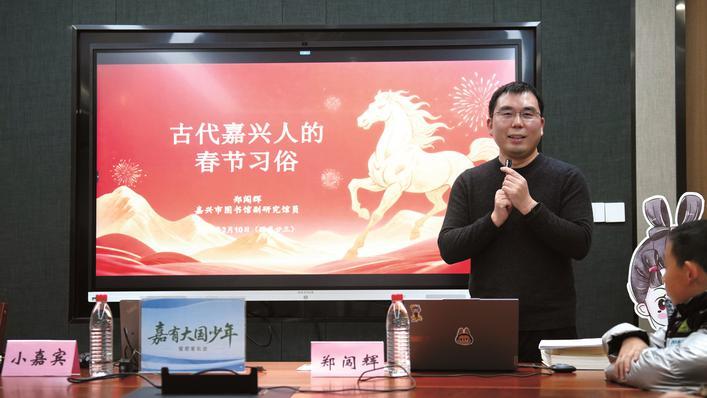
“大国少年”们拷贝古人迎春“小程序”
Xin Lang Cai Jing· 2026-02-15 00:02
Core Viewpoint - The event "Great Nation Youth" Spring Festival activity aims to connect modern youth with traditional culture, enhancing their understanding of ancient customs and literature through interactive learning experiences [4][5][12]. Group 1: Event Overview - The "Great Nation Youth" Spring Festival activity took place on February 10, 2026, in Jiaxing, featuring both online and offline interactions [4]. - The event included a reading guide and analysis of the classical book "Gu He Za Zhi," focusing on ancient Jiaxing's Spring Festival customs [4][5]. - Participants shared their hometown Spring Festival customs, fostering a sense of community and cultural exchange [5]. Group 2: Cultural Insights - "Gu He Za Zhi," written during the Qing Dynasty, serves as a comprehensive guide to ancient Jiaxing's Spring Festival traditions, detailing rituals from the 23rd or 24th day of the twelfth lunar month to the fifteenth day of the first lunar month [6]. - Key customs include sending the Kitchen God, family reunions on New Year's Eve, and various taboos and rituals on the first day of the New Year, such as the significance of food and the avoidance of certain actions [6][7][8]. Group 3: Participant Feedback - Students expressed enthusiasm for learning about ancient customs and the importance of understanding the cultural significance behind them, with many planning to read more classical literature and observe traditional practices during the Spring Festival [9][10][11]. - The interactive elements of the event, such as the "guess the ancient poem" game, were particularly well-received, enhancing engagement and understanding of poetry [5][9]. Group 4: Educational Initiative - The "Great Nation Youth" educational innovation project, initiated by Jiaxing's News Media Center, aims to enhance children's cultural and technological literacy through various community activities [12]. - The project is designed to address parenting challenges and promote cultural education among Jiaxing's youth, with more activities planned for the future [12].

妙趣中国年:“大龄未婚的你,给晚辈压岁钱了吗”
Xin Lang Cai Jing· 2026-02-13 23:51
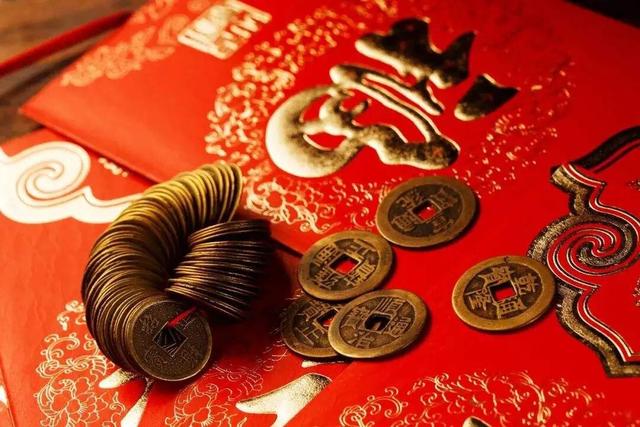
Core Viewpoint - The article discusses the cultural significance and evolving practices surrounding the tradition of giving "lucky money" (压岁钱) during the Chinese New Year, particularly focusing on the dilemmas faced by unmarried individuals regarding whether to give or receive such money [2][10][15]. Group 1: Historical Background - The tradition of "lucky money" has its origins in ancient Chinese customs, initially known as "压胜钱," which served as a protective charm rather than a circulating currency [6]. - The term "压岁钱" became officially recognized during the Qing Dynasty, where it was customary for adults to give red-wrapped coins to children, symbolizing good fortune and longevity [7]. - Over time, the practice evolved from protective charms to actual currency, reflecting changes in societal norms and economic conditions [6][7]. Group 2: Regional Variations - Different regions in China have distinct customs regarding "lucky money." In some areas, unmarried individuals are still considered "children" and can receive "lucky money" regardless of age [10]. - In Guangdong, the concept of "利是" emphasizes the symbolic meaning over the monetary value, allowing unmarried individuals to receive money while married individuals are expected to give [11]. - In contrast, northern regions prioritize the amount and the ritualistic aspects of giving "lucky money," where the distribution is based on familial hierarchy rather than marital status [13]. Group 3: Cultural Significance - The essence of giving "lucky money" lies in the sentiment rather than the monetary value, highlighting the importance of relationships and cultural traditions over rigid expectations [15][17]. - The article emphasizes that the act of giving or receiving "lucky money" should be flexible and respectful of customs, allowing individuals to navigate these traditions according to personal circumstances [15].
市文联为家政服务从业者送“福”
Xin Lang Cai Jing· 2026-02-11 22:53
Group 1 - The event "Fulfilling Beijing, Enriching Families" organized by the Beijing Federation of Literary and Art Circles aims to provide cultural benefits to frontline workers, including those in housekeeping and property services, with nearly 80 participants receiving New Year blessings [1] - Artists showcased traditional crafts such as sugar blowing, grass weaving, and calligraphy, creating a festive atmosphere reminiscent of a small temple fair during the Spring Festival [1] - Many participants, particularly migrant workers, will spend the Spring Festival in Beijing, making the cultural activities a significant source of joy and connection to their traditions [1] Group 2 - A lecture on folk customs was conducted by a professor from Beijing University of Posts and Telecommunications, enhancing attendees' understanding of traditional practices associated with the Spring Festival [2] - The Beijing Federation of Literary and Art Circles plans to host over 350 cultural activities during the Spring Festival, aiming to bring quality cultural resources to grassroots communities [2]
年味在为家园“梳妆”中升温
Xin Lang Cai Jing· 2026-02-09 23:28
Core Viewpoint - The article highlights a community event in Xiangcheng Community aimed at promoting cleanliness and traditional customs in preparation for the Lunar New Year, involving families in a cleaning activity to enhance community spirit and environmental awareness [1][2]. Group 1: Event Details - The "Clean Up for the New Year" event took place in the Xiangjia Dang area, where 13 parent-child groups participated in cleaning activities to prepare for the upcoming Spring Festival [1]. - Children actively engaged in picking up litter, including plastic bags and cigarette butts, demonstrating a commitment to environmental cleanliness [1]. Group 2: Community Engagement - The event is part of a broader initiative by the Xiangcheng Community to foster family bonding and instill a sense of public service among children through hands-on experiences with traditional customs [2]. - Prior to this event, volunteers provided cleaning services to elderly residents in the area, emphasizing the community's focus on ensuring a clean and joyful environment for the New Year celebrations [2].
河湟人家的年夜饭
Xin Lang Cai Jing· 2026-02-06 00:21
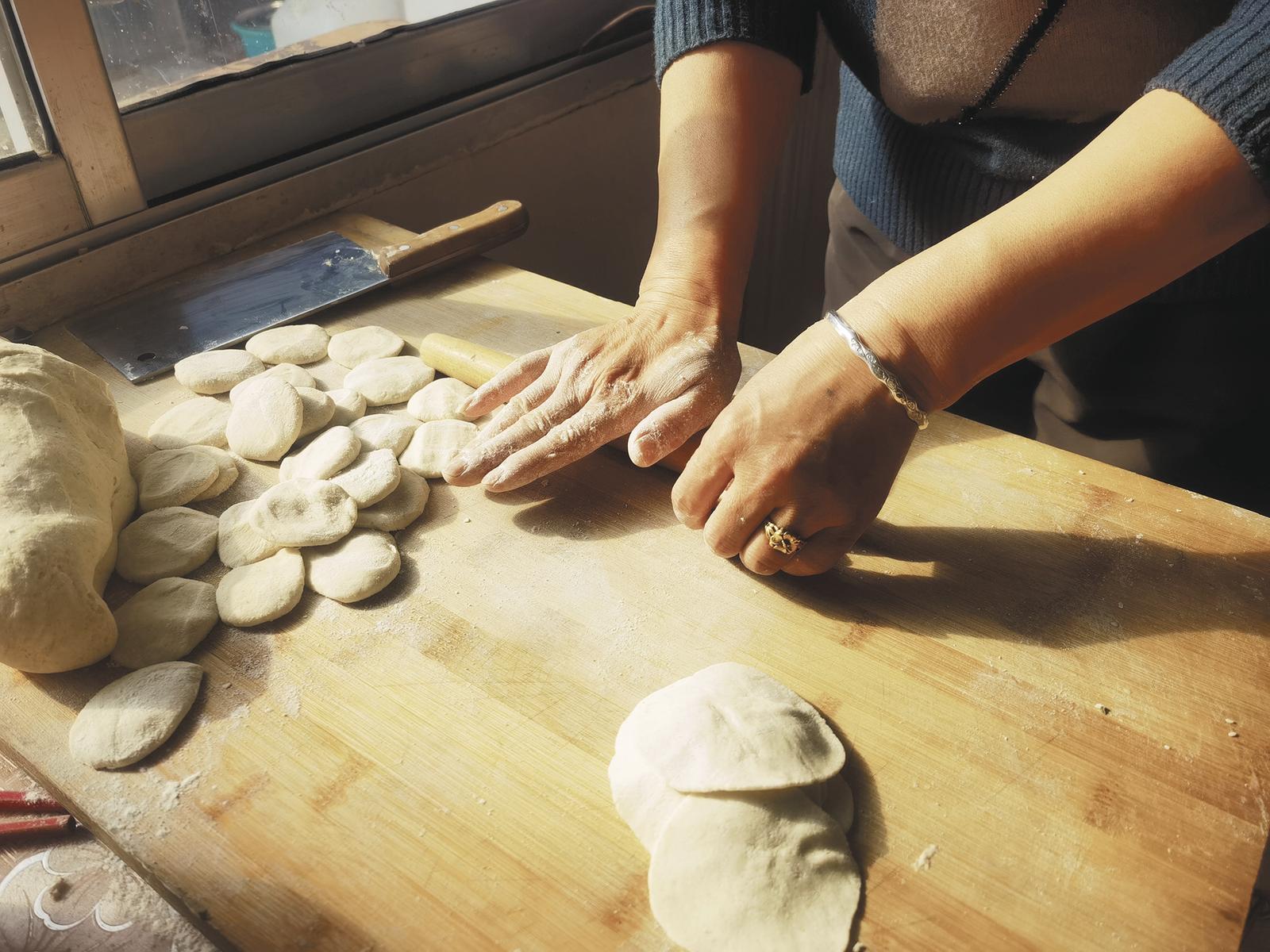
Core Viewpoint - The article emphasizes the cultural significance and historical origins of the Chinese New Year's Eve dinner, known as "年夜饭," highlighting its role in family reunions and traditional customs [5][14]. Group 1: Historical Background - The origin of the New Year's Eve dinner can be traced back to ancient sacrificial rituals known as "腊祭," which involved feasting after ceremonies to honor ancestors and agricultural deities [5][7]. - Historical texts, such as "诗经" and "风土记," describe celebratory gatherings and the importance of family meals during the New Year [6][7]. - The tradition of the New Year's Eve dinner has evolved over centuries, with references in literature from the Tang and Qing dynasties illustrating its significance in family gatherings [7][8]. Group 2: Cultural Practices - In the Hehuang region, families prepare for the New Year's Eve dinner well in advance, starting from the 23rd day of the twelfth lunar month, ensuring a bountiful feast [9][10]. - Traditional dishes include various meats and dumplings, with dumplings being a staple that symbolizes good fortune [11]. - The preparation of specific dishes, such as "扁食," reflects local customs and historical significance, with some variations in shape and filling [11][12]. Group 3: Modern Changes - There is a noticeable shift in the significance of the New Year's Eve dinner, with younger generations often less engaged in the traditional preparations, opting for restaurant meals instead [14]. - Despite changes in food preferences and preparation methods, the essence of the New Year's Eve dinner remains rooted in family togetherness and emotional connections [14].
父亲写春联
Xin Lang Cai Jing· 2026-02-01 07:59
Group 1 - The article reflects on the tradition of writing Spring Festival couplets, emphasizing the personal connection and cultural significance of this practice [1][2] - The author describes the father's approach to writing couplets, focusing on simplicity, rhyme, and relevance to contemporary life, showcasing a blend of traditional values and modern influences [2] - The father's evolution in writing style is highlighted, indicating a shift towards more sophisticated language and themes, such as "reform" and "openness," which reflects broader societal changes [2][3] Group 2 - The article mentions the custom of placing couplets in various locations around the home, indicating the widespread cultural practice and its importance in celebrating the New Year [2] - The author notes the personal journey of practicing calligraphy and participating in community events, suggesting a continuation of cultural traditions and family legacies [3]