扁食

Search documents
“今年春节,我终于跟它们和解了”
3 6 Ke· 2026-02-17 02:16
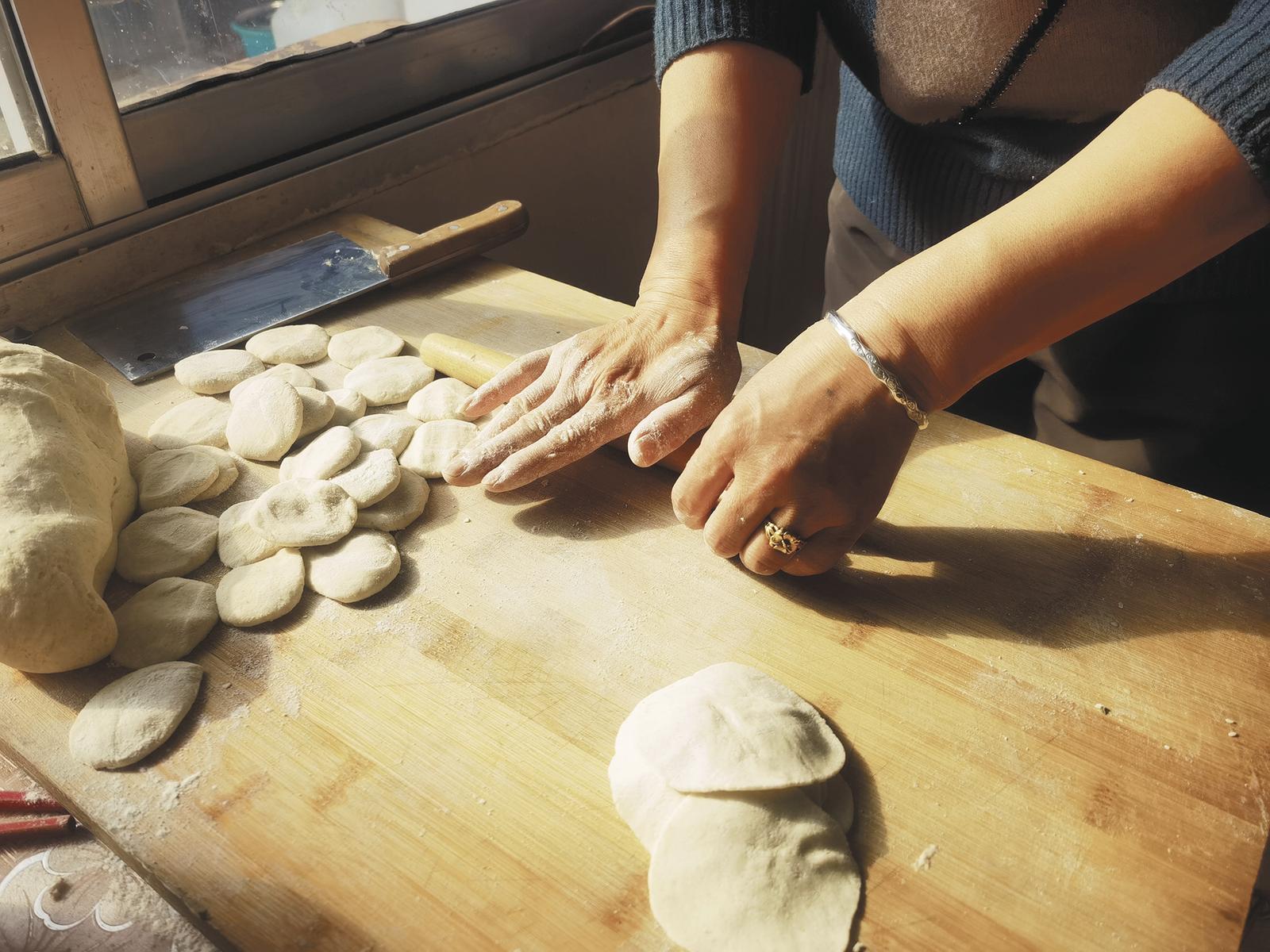
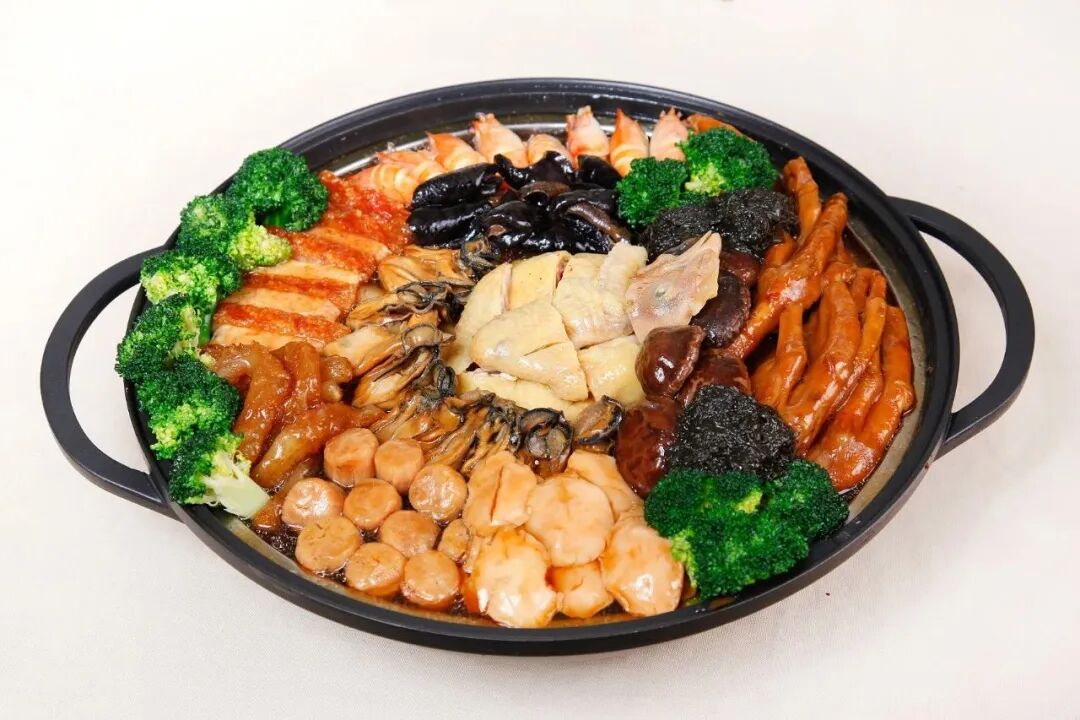
Group 1 - The article discusses the nostalgic relationship people have with traditional foods during the Spring Festival, highlighting how childhood dislikes can transform into fond memories over time [1] - It emphasizes the importance of food in cultural identity and family gatherings, particularly during significant occasions like the Spring Festival [9][10] - Various regional dishes are mentioned, showcasing the diversity of traditional foods across different provinces in China, such as "盆菜" in Guangdong and "年粽" in Guangxi [2][23] Group 2 - The article describes the preparation and significance of "笼糕" in South China, illustrating the familial bonds formed through cooking and sharing meals [10][11] - It highlights the evolution of taste preferences as individuals grow older, with examples of people rediscovering traditional foods they once disliked, such as lamb soup and blood dishes in Northeast China [18][20] - The narrative also touches on the decline of traditional food preparation practices, as modern conveniences change how families celebrate and share meals [27][28] Group 3 - The article notes the regional variations in traditional foods, such as "扁食" in Shanxi, and how these dishes reflect local customs and family traditions [33][35] - It discusses the communal aspect of food preparation and consumption, emphasizing that sharing meals strengthens familial and social ties [9][10] - The piece concludes with a reflection on the importance of preserving culinary traditions and the emotional connections tied to these foods [27][30]

仙游县食品餐饮行业协会成立
Xin Lang Cai Jing· 2026-02-11 00:11
Core Viewpoint - The establishment of the Xianyou County Food and Beverage Industry Association marks a new phase for the local snack industry, transitioning from individual efforts to collective development [1] Group 1: Industry Development - Xianyou snacks are recognized as one of the three famous snack regional brands by the provincial commerce department, known for their unique flavors and deep cultural roots [1] - The association aims to promote standardization, brand operation, talent cultivation, and industry chain integration to expand the reach of Xianyou snacks nationally and internationally [1] Group 2: Strategic Initiatives - The association will facilitate the registration of the "Xianyou Snacks" regional public brand and establish flagship stores for Xianyou snack gifts in cities like Fuzhou [1] - A Xianyou snack industry group was also unveiled, which will operate under a model of government guidance, association oversight, enterprise leadership, and market operations to integrate the supply chain and develop pre-prepared dishes [1]
河湟人家的年夜饭
Xin Lang Cai Jing· 2026-02-06 00:21
Core Viewpoint - The article emphasizes the cultural significance and historical origins of the Chinese New Year's Eve dinner, known as "年夜饭," highlighting its role in family reunions and traditional customs [5][14]. Group 1: Historical Background - The origin of the New Year's Eve dinner can be traced back to ancient sacrificial rituals known as "腊祭," which involved feasting after ceremonies to honor ancestors and agricultural deities [5][7]. - Historical texts, such as "诗经" and "风土记," describe celebratory gatherings and the importance of family meals during the New Year [6][7]. - The tradition of the New Year's Eve dinner has evolved over centuries, with references in literature from the Tang and Qing dynasties illustrating its significance in family gatherings [7][8]. Group 2: Cultural Practices - In the Hehuang region, families prepare for the New Year's Eve dinner well in advance, starting from the 23rd day of the twelfth lunar month, ensuring a bountiful feast [9][10]. - Traditional dishes include various meats and dumplings, with dumplings being a staple that symbolizes good fortune [11]. - The preparation of specific dishes, such as "扁食," reflects local customs and historical significance, with some variations in shape and filling [11][12]. Group 3: Modern Changes - There is a noticeable shift in the significance of the New Year's Eve dinner, with younger generations often less engaged in the traditional preparations, opting for restaurant meals instead [14]. - Despite changes in food preferences and preparation methods, the essence of the New Year's Eve dinner remains rooted in family togetherness and emotional connections [14].