流感疫苗

Search documents
如何抓住“黄金48小时”?怎样居家护理?儿童流感全攻略请收好
Bei Ke Cai Jing· 2025-11-27 12:33
Group 1 - The core viewpoint of the articles highlights the rising trend of influenza activity in China, with a significant increase in school outbreaks and a notably higher positive detection rate among children aged 5-14 compared to other age groups [1][3][4] Group 2 - The H3N2 strain is prevalent among current influenza cases, characterized by rapid mutation, strong pathogenicity, and severe symptoms, particularly affecting vulnerable populations such as the elderly and children [3][4] - Vaccination remains the most effective preventive measure against H3N2, with this year's flu vaccine containing components that provide targeted protection [4][5] - The typical duration of influenza in children is acute and self-limiting, with fever usually subsiding within 2-5 days, although cough may persist longer [6][17] Group 3 - The "golden 48 hours" for treatment emphasizes the importance of early antiviral medication to reduce symptoms and complications, as the virus replicates rapidly during this period [7][15] - Antiviral medications like Oseltamivir and Baloxavir are effective in shortening the duration of symptoms but should not be used indiscriminately for all fevers [8][10] - Parents are advised to avoid common misconceptions in home care, such as using multiple antipyretics simultaneously, which can increase the risk of adverse effects [11][12][13]
百克生物:液体鼻喷流感疫苗已于2025年8月获得生产批件
Zheng Quan Ri Bao Wang· 2025-11-07 12:48
Core Viewpoint - The company has developed a lyophilized nasal spray influenza vaccine suitable for individuals aged 3 to 17, which simulates natural infection and induces both systemic and local mucosal immunity with a validity period of 10 months [1] Group 1: Product Details - The lyophilized nasal spray influenza vaccine is the only nasal spray live attenuated influenza vaccine in China, significantly improving vaccination compliance among recipients [1] - The liquid nasal spray influenza vaccine received production approval in August 2025, representing an upgrade from the lyophilized form, eliminating the need for reconstitution during use [1] Group 2: Regulatory and Global Context - The lyophilized nasal spray influenza vaccine is part of the World Health Organization's (WHO) Global Action Plan for Influenza Vaccines (GAP) [1]

流感流行季来了吗?“打了流感疫苗会导致病毒变异”是真的吗?一文了解
Yang Shi Wang· 2025-11-01 07:07
Core Insights - The flu season in China is expected to arrive earlier this year due to various factors, with the flu virus being the primary pathogen for acute respiratory infections this winter and spring [1] - The current flu activity in China is on the rise, particularly in southern provinces, with Guangdong and Hainan showing higher levels of flu activity compared to other regions [1] Flu Virus Strains - The predominant flu strain currently circulating in China is the H3N2 subtype, accounting for over 95% of the flu viruses detected [3] - H3N2 is not a new subtype; it has been commonly observed in previous flu seasons, with different strains often alternating dominance [3] Symptoms and Treatment - Flu symptoms are typically more severe than other respiratory diseases, including high fever above 38.5°C, muscle pain, and significant systemic symptoms [5] - Common symptoms across different flu virus subtypes (H1N1, H3N2, and B) are similar, and antiviral treatments are effective regardless of the subtype [7] Antiviral Medications - The main antiviral medications used in China for treating flu include Oseltamivir and Marbofloxacin, with Oseltamivir being available in various forms suitable for children [7] - Marbofloxacin, a newer RNA polymerase inhibitor, requires only a single dose, making it particularly suitable for children and the elderly, although it is currently approved for use in individuals aged 5 and older [7] Vaccine and Virus Mutation - There are misconceptions that flu vaccines can cause virus mutations; however, it has been clarified that vaccines do not induce mutations, as the flu virus mutates annually regardless of vaccination [11] - Vaccination is beneficial and does not contribute to virus variation, which is a natural occurrence [11]

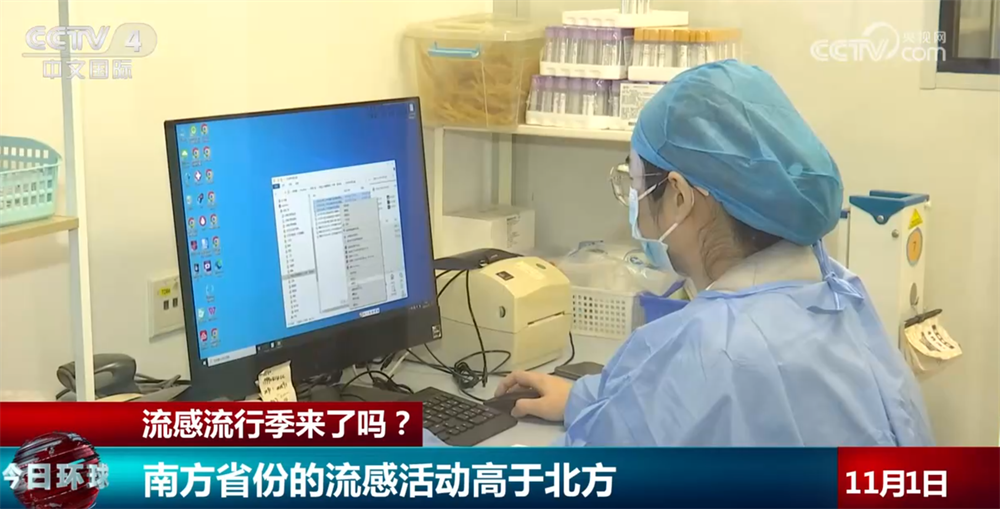
今年流行毒株与去年不同,感染人数会更多!医生紧急提醒
中国基金报· 2025-10-21 01:15
Group 1 - The core viewpoint of the article highlights the early onset of the flu season in China, with a significant increase in flu activity observed in southern provinces, and the predominant strain this year being H3N2, differing from last year's H1N1 strain, which may lead to lower immunity among the population [2] - The flu season has started earlier than usual, with countries like Japan, the UK, Germany, and Italy also reporting increased flu cases, indicating a potential rise in infection numbers this year [2] - Early identification of flu symptoms is crucial, as severe cases can lead to complications such as pneumonia and multi-organ failure, emphasizing the need for timely medical attention [3][4] Group 2 - Vaccination is recommended between September and November for optimal prevention, although it can still be administered throughout the flu season [6] - Annual vaccination is necessary due to the rapid mutation of the flu virus, which means that the vaccine from the previous year may not provide adequate protection against the current strains [7] - High-risk groups, including children under 5, the elderly over 65, pregnant women, and individuals with chronic health conditions, should prioritize vaccination and seek timely medical evaluation if symptoms arise [8][11] Group 3 - The article explains the difference between trivalent and quadrivalent flu vaccines, with quadrivalent vaccines covering an additional strain of the B virus [13] - Vaccination should be conducted at qualified medical institutions, such as community health service centers or hospitals, and individuals exhibiting flu-like symptoms should seek medical care promptly [14]

今年流行毒株与去年不同,感染人数会更多!医生紧急提醒
Zhong Guo Ji Jin Bao· 2025-10-21 00:47
Group 1 - The core viewpoint of the article highlights that this year's flu strain is different from last year's, with an increase in infection rates expected due to lower immunity against the prevalent H3N2 strain compared to last year's H1N1 strain [1] - The flu season has started earlier this year, with significant increases in flu cases reported in countries like Japan, the UK, Germany, and Italy [1] - Early identification of flu symptoms is crucial, as severe cases can lead to serious complications such as pneumonia and multi-organ failure [2][3] Group 2 - Vaccination is recommended between September and November for optimal protection, although it can still be administered throughout the flu season [4] - Annual vaccination is necessary due to the rapid mutation of flu viruses, which means that the strains may differ each year [5] - High-risk groups, including children under 5, the elderly over 65, pregnant women, and those with chronic health conditions, should prioritize vaccination [7] Group 3 - The article discusses the differences between trivalent and quadrivalent flu vaccines, with the latter providing broader coverage against an additional strain [8] - Vaccination should be conducted at qualified medical institutions, such as community health service centers or hospitals [9] - Individuals exhibiting flu-like symptoms should wear masks and seek medical attention promptly rather than self-diagnosing [10]
我国首款创新型6月龄以上四价流感亚单位疫苗在济南开打
Qi Lu Wan Bao Wang· 2025-09-28 04:47
Group 1 - Influenza is a highly contagious respiratory disease caused by the influenza virus, with the World Health Organization reporting approximately 300,000 to 650,000 deaths annually due to influenza-related respiratory diseases globally, particularly affecting high-risk groups such as pregnant women, infants, the elderly, and individuals with chronic illnesses [1] - The risk of influenza activity increases with population movement and gatherings during school openings and holidays, emphasizing the importance of timely vaccination, especially for vulnerable populations like infants [1] Group 2 - The four-valent subunit influenza vaccine, developed by Jiangsu Zhonghui Yuantong Biotechnology Co., Ltd., is recognized as a preferred choice for vaccination due to its safety and efficacy, being the first of its kind in China and an advanced third-generation influenza vaccine internationally [3] - Compared to traditional split vaccines, the subunit vaccine has a higher purity by extracting and purifying only the key antigens, hemagglutinin (HA) and neuraminidase (NA), while eliminating internal proteins and impurities, thus reducing allergic risks [3] - Clinical data indicates that the subunit vaccine has superior safety, with local adverse reaction rates in infants being 54% of that of the control group split vaccine, and fever rates in children aged 3-8 being only 46% of the control group [3] - The vaccine demonstrates good immunogenicity, effectively stimulating protective antibodies, and its safety and immunogenicity results have been recognized in the "Technical Guidelines for Influenza Vaccine Prevention and Immunization (2023-2024)" [3] - The vaccine allows for a unified dosage for individuals aged 6 months and older, simplifying outpatient procedures, and employs isotonic technology and a five-faceted micro-needle to significantly reduce injection pain and bleeding rates, enhancing the vaccination experience for infants and the elderly [3]