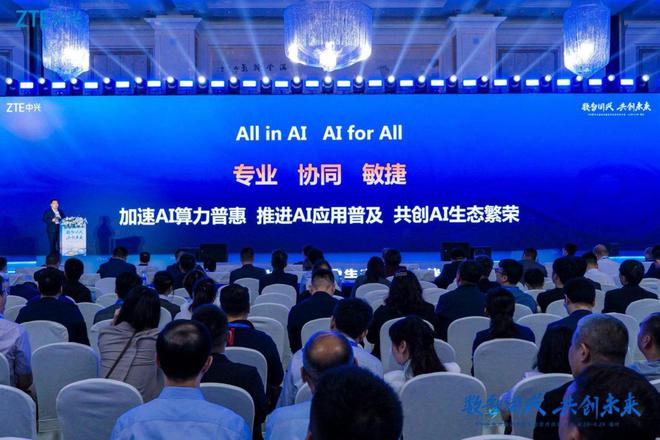
算力普惠

Search documents
赋能千行百业,山东浪潮“人工智能工厂”实现模型定制化量产
Qi Lu Wan Bao· 2025-08-06 10:05
Core Insights - The event held by Shandong Provincial Government showcased the strength of Shandong's artificial intelligence (AI) products and discussed new opportunities for industrial development in the intelligent era [1][8]. Group 1: Company Overview - Inspur Group, as a leading enterprise in Shandong's AI industry chain, demonstrated its AI factory that addresses the urgent demand for "miniaturized, specialized, and decentralized" computing power services [5]. - The AI factory integrates data, equipment, and experimental research, featuring a production system with 61 detailed processes and 113 specialized tools, increasing the annual production capacity to over 1,000 customized models and reducing delivery time from 90 person-days to 20 person-days [5][6]. Group 2: Industrial Impact - The factory provides a "full-stack manufacturing" service, not just computing power, enabling efficient customization and mass production of models and intelligent agents across various industries [6]. - The core engine of the factory, the Hai Ruo large model, has developed specialized model libraries covering multiple sectors such as manufacturing, government, and water conservancy, enhancing operational efficiency in over 40 high-value scenarios [7]. Group 3: Ecosystem Development - Inspur is building a distributed intelligent cloud network with 122 cloud centers and 557 distributed cloud nodes, aiming to make computing power as accessible as water and electricity [8]. - The factory serves as a hub for an open ecosystem, collaborating with over a thousand domestic and international partners to promote AI from isolated breakthroughs to system-level collaboration, facilitating "technology equality" and "model accessibility" [8].


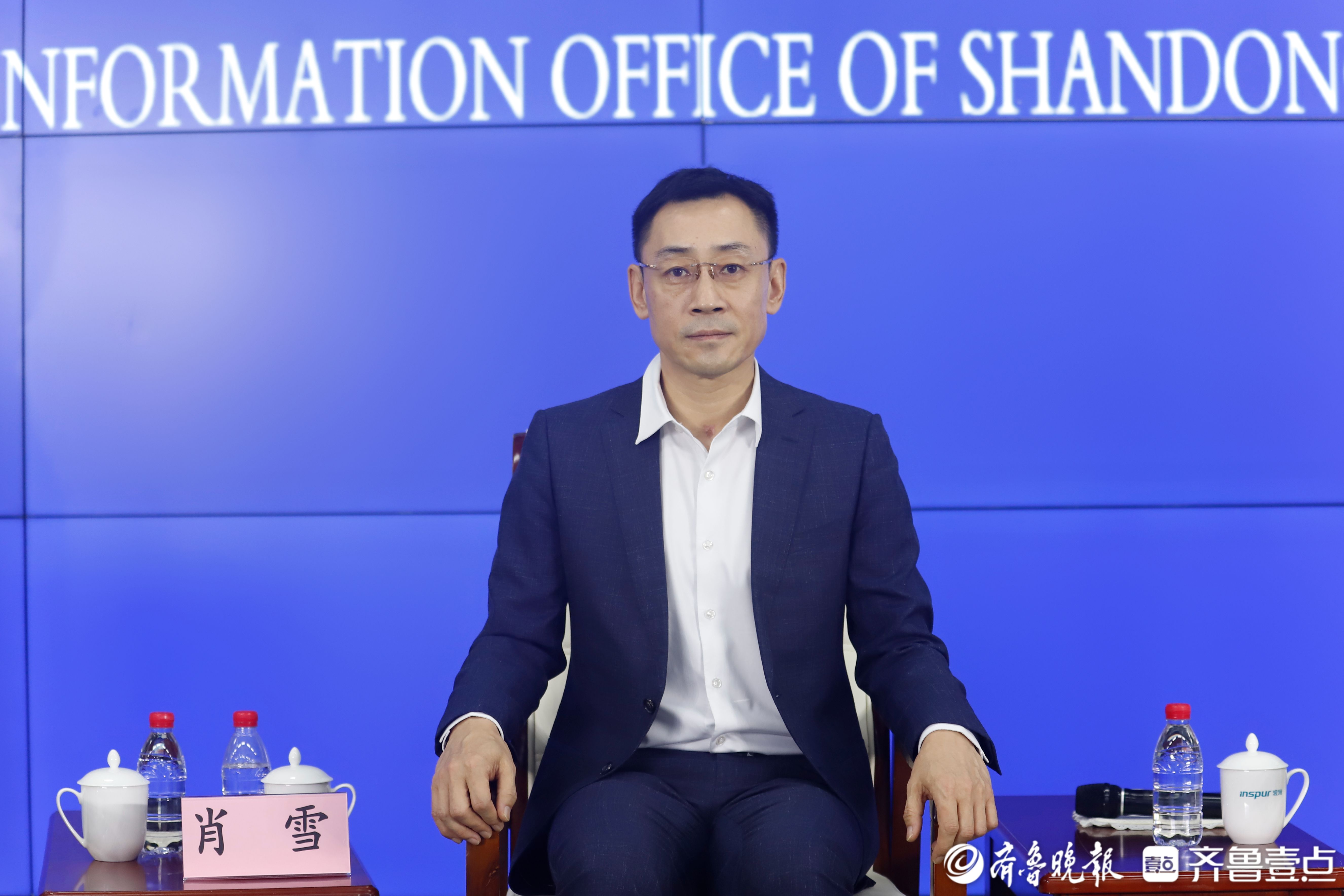
对话九章云极缪旭:让企业“敢用、能用、用好”算力
Guan Cha Zhe Wang· 2025-07-29 07:53
Core Insights - The AI industry is evolving rapidly, with increasing demands for foundational infrastructure as it transitions into the era of large models [1][3] - The AI computing power market in China is projected to reach $25.9 billion (approximately 185.66 billion RMB) by 2025, with a year-on-year growth of 36.2% [3] - The development of AI is pushing for a more inclusive computing power model, particularly for small and medium enterprises (SMEs) [5][6] Group 1: Market Trends - By 2026, the AI computing power market is expected to grow to $33.7 billion (approximately 241.58 billion RMB), which is 1.77 times the size of 2024 [3] - The demand for computing power is increasing at a rate of tenfold annually, especially with 2025 being recognized as the year of intelligent agents [6] - Current trends indicate that many AI companies spend over 60% of their R&D costs on computing power, highlighting a mismatch in resource allocation [6] Group 2: Technological Developments - The introduction of the "New Start" product by Jiuzhang Yunjing includes features like multi-user dialogue hubs, agent factories, and intelligent knowledge bases [7] - The company has developed a unique "one-degree computing power" measurement standard and a "pay-per-degree" billing model, which can reduce total cost of ownership (TCO) by up to 60% [7] - The Jiuzhang Yunjing cloud platform, based on Serverless technology, has improved end-to-end performance by five times [7] Group 3: Strategic Focus - Jiuzhang Yunjing aims to make computing power accessible to SMEs, transforming it from a luxury to a necessity [5][6] - The company is focusing on creating a collaborative ecosystem for computing power, allowing for low-barrier access and integration of services [6][7] - The firm has launched specific computing power and channel policies for the Shanghai market, enhancing service adaptability [7][9]
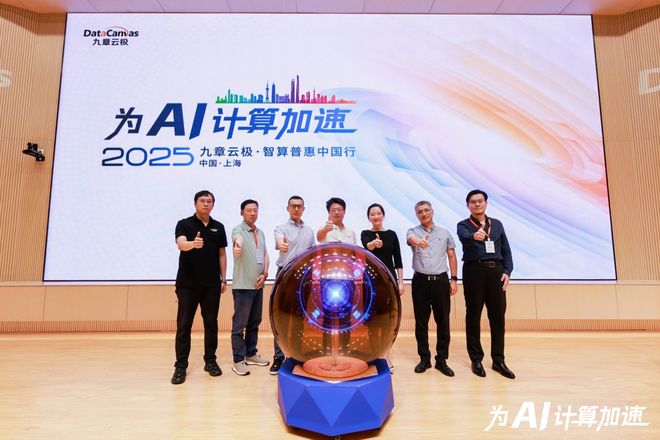
属于云终端的2025:上云无界、算力随身、普惠AI
36氪· 2025-06-23 10:48
Core Viewpoint - The cloud terminal market is experiencing significant growth, with a projected market size exceeding $28 billion by the end of 2024 and a compound annual growth rate (CAGR) of 18.5% [3][4]. Market Overview - By the end of 2024, the global cloud terminal market is expected to surpass $28 billion, with a CAGR of 18.5%, indicating that the market could double in less than four years [3][4]. - In China, the cloud terminal market is projected to reach a total shipment volume of 4.217 million units in 2024, representing a year-on-year growth of 40% [6]. - The Chinese market holds a 35% share of the global cloud terminal market, making it a leader in this sector [3]. Industry Players - Numerous players are entering the cloud terminal market, including major companies like Huawei, Dell, HP, ZTE, and various telecom operators such as China Mobile, China Telecom, and China Unicom, as well as tech giants like Baidu, Alibaba, and Tencent [7]. Technological Foundation - The concept of "cloud terminal" is defined as a new type of terminal that utilizes cloud computing to migrate computing, storage, applications, and AI capabilities from local devices to the cloud, providing a seamless user experience [12]. - Cloud terminals, such as cloud phones and cloud PCs, allow users to perform high-performance tasks on low-spec devices by leveraging cloud resources [14]. Challenges and Solutions - The primary challenge in the cloud terminal market is the complexity of integrating various technologies across the entire information chain, including storage, computing, network transmission, and hardware [17][18]. - Huawei is positioned as a key player capable of addressing these challenges by integrating its expertise in networking, data transmission, and cloud computing [20][22]. Product Innovations - Huawei's CloudDevice series includes a range of products such as cloud phones, cloud PCs, and cloud gaming devices, which aim to enhance user experience through multi-device collaboration and high-quality performance [9][26]. - The CloudDevice platform supports high-definition streaming and low-latency interactions, achieving performance metrics that have received industry recognition [25][34]. Market Applications - The commercial market for cloud terminals is expected to see significant growth, with a projected shipment of 3.38 million units in 2024, driven by sectors such as education, manufacturing, and finance [29]. - Huawei's collaboration with telecom operators on projects like cloud phones and cloud spaces has resulted in substantial user growth and engagement [31]. Future Outlook - The cloud terminal industry is anticipated to experience explosive growth in 2025, driven by advancements in AI, 5G, and edge computing technologies [37][39]. - The convergence of consumer, business, and government demands is expected to be a key driver of market expansion, positioning the cloud terminal sector as a significant player in the tech landscape [39].

加速算力普惠,中兴通讯的新战略如何让AI更好用?
Tai Mei Ti A P P· 2025-04-30 07:21
Core Insights - The development of large AI models is driving a significant increase in demand for computing power, with a projected annual growth rate of 10 times as AI evolves from version 1.0 to 2.0 [1] - ZTE Corporation has established a dual-driven strategy of "Connectivity + Computing Power" to become a leader in the "network connectivity + intelligent computing power" sector, emphasizing the importance of AI integration in various industries [3][4] - The global AI market is expected to exceed $800 billion by 2028, with a compound annual growth rate (CAGR) of over 32%, indicating substantial investment opportunities in AI technologies [4] Industry Developments - ZTE's revenue for Q1 this year reached 32.97 billion yuan, a year-on-year increase of 7.8%, with over 35% of revenue coming from its second curve business focused on computing power and terminals [5] - The company is focusing on three key areas in AI: enhancing ICT infrastructure solutions, developing AI terminal applications, and promoting AI innovation for broader application [5][6] - ZTE has launched the AiCube DeepSeek intelligent computing integrated machine, which is already being applied in sectors such as education, healthcare, steel, and automotive [5] Challenges and Solutions - Industry clients face challenges such as data pollution, high costs of data collection, and long business cycle times for AI technology updates [9] - ZTE has upgraded its digital cloud platform to address these challenges, facilitating better integration of AI into business operations [9] - The introduction of the "Xingyun Intelligent Agent" marks a new phase in the deployment of enterprise-level intelligent agents, aimed at lowering the technical barriers for AI model commercialization across various industries [10]