人工智能工厂

Search documents
AI制药打响算力竞赛:罗氏布局AI工厂,行业痛点仍存
2 1 Shi Ji Jing Ji Bao Dao· 2026-03-18 23:11
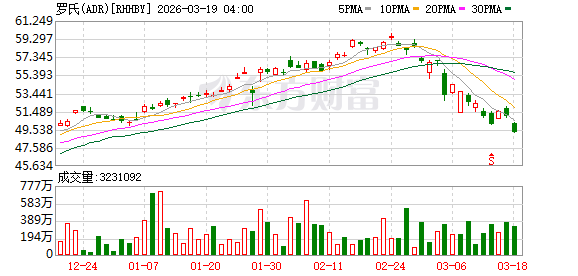
Core Insights - The pharmaceutical giants are investing heavily in AI infrastructure, with Roche and Eli Lilly leading the charge by deploying significant GPU resources to enhance their drug development processes [1][2][3] - AI is transitioning from a supplementary tool to a fundamental infrastructure that supports the entire value chain in drug development, manufacturing, and commercialization [2][4] Investment and Infrastructure - Roche has deployed 2,176 high-performance GPUs, bringing its total GPU capacity to over 3,500 Blackwell GPUs, claiming the largest GPU scale available among pharmaceutical companies [1][3] - Eli Lilly has launched its AI factory "LillyPod," equipped with 1,016 NVIDIA Blackwell Ultra GPUs, achieving a computing power of 9,000 Petaflops [1][3] - The competition among top pharmaceutical companies is intensifying as they build proprietary AI infrastructures to create high data barriers and optimize their drug development processes [4][17] Market Dynamics - The AI pharmaceutical sector is experiencing a paradox of rapid expansion and a return to rational capital investment, with over 350 AI pharmaceutical companies globally, including more than 100 in China [2][6] - The funding landscape is shifting, with a notable trend of companies transitioning from high-risk "gold diggers" to more stable "water sellers" (CRO/technical service models) [20][21] Commercialization Challenges - Despite the increasing efficiency of AI in preclinical research, significant bottlenecks remain in transitioning from preclinical to late-stage clinical trials, with no AI-designed drugs yet approved [21][22] - Investors are becoming more cautious, focusing on companies that can demonstrate cash flow within two to three years, indicating a shift in funding strategies towards firms with tangible deliverables [21][22] Future Directions - Key breakthroughs in AI pharmaceutical development are expected to focus on creating closed-loop systems that integrate algorithm design, automated experiments, and data feedback [22][24] - The industry is predicted to undergo a valuation restructuring by 2026, with leading companies like Crystal Technology and Tempus AI expected to achieve positive EBITDA for the first time [24][25]



AI制药打响算力竞赛:罗氏布局AI工厂 行业痛点仍存
2 1 Shi Ji Jing Ji Bao Dao· 2026-03-18 23:10
Core Insights - The pharmaceutical industry is increasingly adopting AI technologies, with major companies like Roche and Eli Lilly investing heavily in AI infrastructure to enhance drug development processes [2][3] - Roche has deployed the largest GPU scale in the pharmaceutical sector, with over 3,500 Blackwell GPUs, indicating a shift towards in-house AI capabilities [3][5] - The AI pharmaceutical sector is experiencing a paradox of rapid expansion and cautious capital investment, as companies seek to integrate AI across the entire value chain [3][6] Investment and Infrastructure - Roche's AI factory represents a high-performance supercomputing platform that integrates AI into research, manufacturing, and diagnostics [5] - Eli Lilly's AI factory, "LillyPod," features 1,016 GPUs and aims to enhance drug discovery efficiency, reflecting a broader trend among pharmaceutical giants to build proprietary AI capabilities [3][5] - The global AI pharmaceutical landscape includes over 350 companies, with significant growth in China, where more than 100 AI pharmaceutical firms are emerging [4][7] Market Dynamics - The investment landscape is shifting from broad-based funding to a focus on companies with clear deliverables and measurable outcomes in AI drug development [8][9] - Despite significant funding in the AI pharmaceutical sector, many companies are transitioning from high-risk ventures to more stable service-oriented models [7][9] - The industry is witnessing a consolidation trend, with larger firms acquiring smaller companies to enhance their AI capabilities and market position [12] Future Outlook - The key challenges for AI in pharmaceuticals include the transition from preclinical to clinical phases, with no AI-designed drugs yet approved for market [9][11] - Analysts predict that 2026 will be a critical year for AI pharmaceuticals, as the success of AI-driven drugs in clinical trials will determine the future viability of AI in drug development [11][12] - The industry is expected to see a bifurcation in capital allocation, with early-stage investments focusing on disruptive technologies and later-stage investments favoring companies with proven clinical data [12]
招募10个行业龙头企业,共建“人工智能+”产业落地示范
Qi Lu Wan Bao· 2026-01-14 03:41
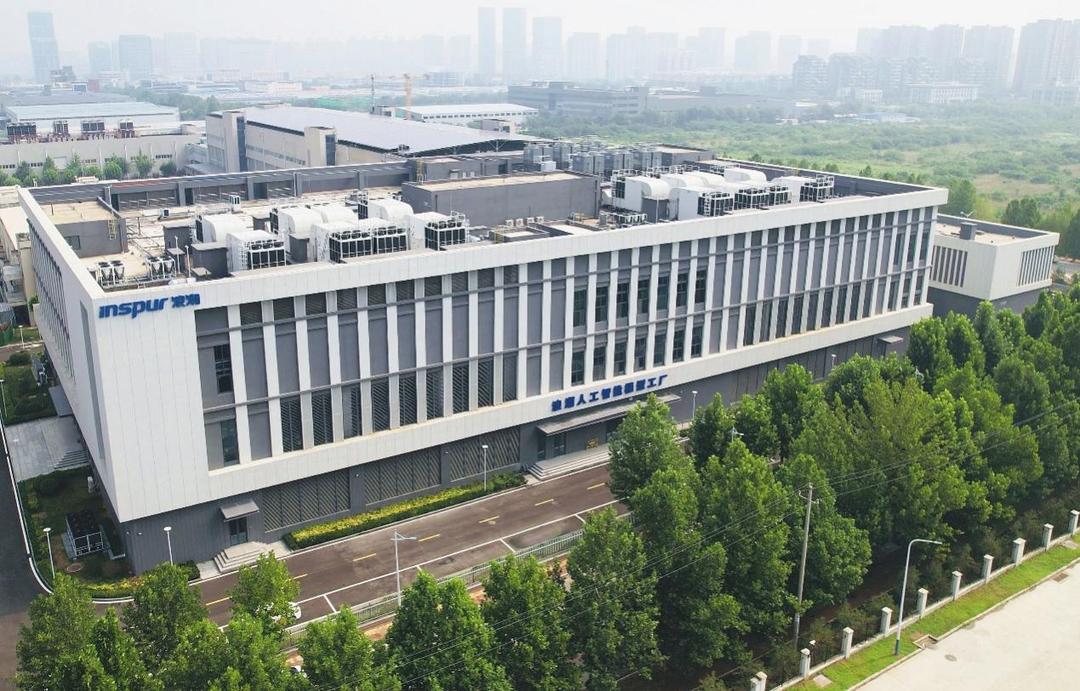
Group 1 - The launch of the "Artificial Intelligence Empowering New Industrialization" initiative in Shandong aims to promote AI applications across various industries, with a focus on collaboration with leading enterprises in sectors such as chemicals, pharmaceuticals, and transportation [1] - Shandong's government has integrated the AI industry chain into 19 key industrial chains, targeting significant breakthroughs and development in AI by 2025, which is projected to be a pivotal year for AI applications [1][3] - The establishment of the first physical AI factory in China by Inspur aims to provide scalable manufacturing capabilities for AI models and agents, fostering collaboration with over 1,400 AI technology companies and creating more than 20 tightly coupled industrial clusters in sectors like petrochemicals, steel, and healthcare [3] Group 2 - Inspur Cloud has partnered with over 20 global research institutions to create innovation practice bases and joint laboratories, focusing on a comprehensive mechanism from technology research and development to industrial application [5] - The formation of the AI Empowering Biomedicine Community, involving 15 key enterprises, universities, and research institutions, aims to establish a nationally influential biomedicine industry demonstration [7] - Future initiatives will leverage the AI factory to collaborate with industry leaders to advance AI-driven new industrialization, positioning Shandong as a hub for AI industry development and application [7]
马斯克黄仁勋对谈:AI会让你更忙,人形机器人将成为有史以来最大的产业
美股IPO· 2025-11-20 13:09
Core Insights - AI will not lead to unemployment but will increase workload, resulting in more tasks piling up for companies [4][21] - Humanoid robots are expected to become the largest industry or product in history, surpassing smartphones and other technologies [3][11] - A significant investment in AI infrastructure was announced, including a 500 MW AI data center in collaboration with xAI and Nvidia [30][31] Group 1: Innovation and AI Development - The focus of innovation is on creation rather than disruption, exemplified by SpaceX's reusable rockets [3][8] - The shift from "retrieval-based" to "generative" computing necessitates the establishment of AI factories globally to produce real-time content [13][14] - AI and humanoid robots are seen as solutions to poverty, with the potential to make everyone wealthy [4][11] Group 2: Future of Work - Future work will become optional, akin to a hobby, where individuals can choose to work if they desire [5][16] - Increased productivity from AI will lead to more ideas and projects, making individuals busier rather than less so [21][22] - The role of radiologists has evolved positively with AI, leading to increased hiring rather than job losses [22] Group 3: AI in Space and Infrastructure - Space-based AI is deemed inevitable, with solar-powered satellites expected to become the most cost-effective method for AI computation within five years [40][41] - The collaboration between xAI and Saudi Arabia aims to build a substantial AI data center, marking a significant step in AI infrastructure development [30][31] Group 4: Transition in Computing - A fundamental shift from general computing to accelerated computing is underway, with a notable decrease in CPU usage in favor of GPU-based systems [46][47] - The end of Moore's Law has led to increased demand for accelerated computing resources, particularly in data-intensive tasks [46][47] - The rise of generative AI represents a third major opportunity in the evolution of AI technologies [47]


马斯克黄仁勋对谈:AI会让你更忙,人形机器人将成为有史以来最大的产业
Hua Er Jie Jian Wen· 2025-11-20 07:36
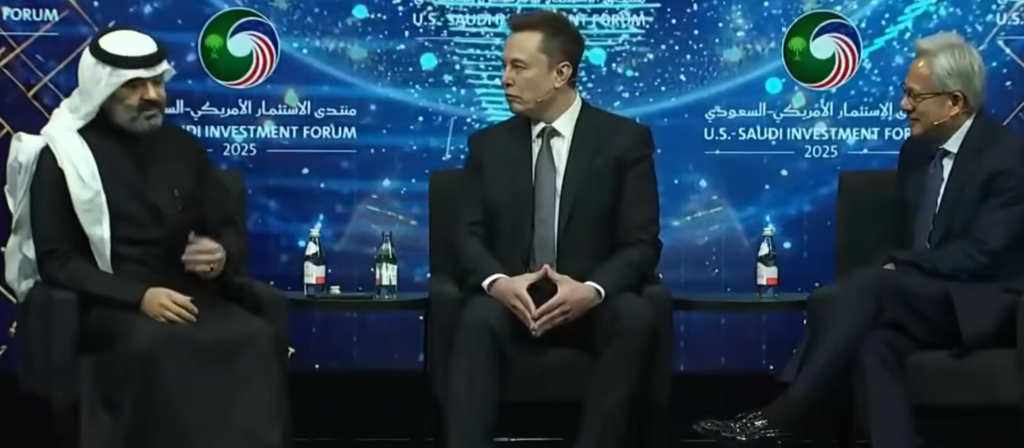
Core Insights - The discussion between Elon Musk and Jensen Huang at the US-Saudi Investment Forum highlighted a significant collaboration in AI infrastructure, specifically the construction of a 500 MW AI data center in the desert, involving Musk's xAI, Nvidia, and the Saudi AI company Humane [1][29]. Group 1: Innovation and AI Development - Musk emphasized that his focus is on creation rather than disruption, citing SpaceX's reusable rockets as an example of innovation that did not previously exist [3][7]. - The conversation pointed out that humanoid robots are expected to become the largest industry ever, surpassing smartphones, as demand for personal robots will be high [3][11]. - Huang noted that AI is becoming a foundational infrastructure, transforming industries and requiring global AI factories to generate unique content in real-time [12][13]. Group 2: Economic and Employment Implications - Musk argued that AI and humanoid robots could eliminate poverty, suggesting that the only way to achieve widespread wealth is through these technologies [3][11]. - The future of work is predicted to become optional, akin to a hobby, where individuals can choose to work if they desire [15][17]. - Huang highlighted that AI will increase productivity, leading to more tasks and potentially making people busier rather than causing job losses [21][22]. Group 3: Space and AI - Musk stated that AI in space is inevitable, with solar-powered AI satellites expected to become the most cost-effective method for AI computation within five years [5][32]. - The discussion included the potential for space to provide vast energy resources, which would be essential for scaling AI computations beyond what is feasible on Earth [34][35]. Group 4: Market Trends and AI Evolution - Huang described a fundamental shift from general computing to accelerated computing, with a significant decrease in the use of CPUs in favor of GPUs for high-performance tasks [37][38]. - The transition to generative AI is seen as a major opportunity, with the current landscape moving towards intelligent agents that leverage accelerated computing resources [38].

AI日报丨谷歌发布量子计算突破性进展,马斯克表示不会取代英伟达
美股研究社· 2025-10-23 11:28
Group 1 - Applied Digital signed a $5 billion AI factory lease agreement with a cloud computing service provider for a duration of 15 years, which will enhance its computing power to 600 MW across two sites in North Dakota [5][6] - General Motors (GM) introduced new technologies including "eyes-off" autonomous driving and a conversational AI system developed with Google, aiming to enhance convenience and safety for consumers [8][10] - Morgan Stanley estimates that Amazon could save up to $4 billion annually by automating its warehouses, with a projected savings of $2 billion to $4 billion by 2027 due to a 20% to 40% reduction in order fulfillment costs [15] Group 2 - Google announced a breakthrough in quantum computing with its Willow chip, which reportedly runs algorithms 13,000 times faster than the best supercomputers, indicating potential applications in medicine and materials science [16][17] - Microsoft is pushing for further integration of Windows and Xbox, launching the ROG Xbox Ally series handheld gaming consoles, which can run PC games natively and stream games from Xbox consoles, marking a strategic shift in its gaming business [18]



第二十五届投洽会透视新风向 中国双向投资的“大门”越开越大
Zhong Guo Qing Nian Bao· 2025-09-16 03:41
Group 1 - The 25th China International Investment and Trade Fair (CIFIT) showcased technological innovations and attracted over 123 countries and regions, with more than 8,000 business guests participating [1][2] - A total of 1,154 investment projects were signed at the event, with a planned total investment of 644 billion yuan, indicating a growing trend in China's bidirectional investment [2][3] - Foreign investment in China continues to increase, with Saudi Aramco establishing a joint venture in Fujian, reflecting confidence in China's market [3][4] Group 2 - ABB Group plans to increase its investment in China, particularly in Xiamen, emphasizing the importance of innovation and automation for sustainable development [4][5] - The establishment of the Non-Metallic Materials Innovation Center by Saudi Aramco and a Chinese research institute highlights the integration of foreign investment into China's technological innovation system [5][6] - Chinese companies are increasingly "going global," with examples like King Long Automobile showcasing new products and expanding into international markets [6][8] Group 3 - China's outbound direct investment reached 192.2 billion USD in 2024, maintaining a global share of 11.9%, indicating robust international investment activity [7][8] - The report indicates that over 30 countries participated in CIFIT to attract Chinese investments, showcasing the global interest in China's technological capabilities [8][9] - China has become a leader in R&D investment and patent applications, with significant advancements in emerging industries such as 5G and renewable energy [9][10] Group 4 - The CIFIT emphasized the importance of international innovation cooperation, with various technological innovations on display, including AI and new energy solutions [10][11] - ZF Group's commitment to increasing investment in China reflects the country's role as a vibrant innovation hub and a key market for new technologies [12]
第二十五届投洽会透视新风向——中国双向投资的“大门”越开越大
Zhong Guo Jing Ji Wang· 2025-09-16 00:10
Group 1: Investment Trends - The 25th China International Investment Trade Fair (CIFIT) attracted over 123 countries and regions, with more than 1,100 government and business delegations participating, showcasing China's growing investment landscape [1][2] - A total of 1,154 investment projects were signed at the event, with a planned total investment of 644 billion yuan, indicating a robust interest in investing in China [2] - China has maintained its position as a leading destination for foreign investment, with actual foreign investment reaching 116.24 billion USD in 2024, marking a 9.9% year-on-year increase in newly established foreign-invested enterprises [5][7] Group 2: Foreign Investment Insights - Saudi Aramco has established multiple joint ventures in China, with total investments exceeding 240 billion yuan, highlighting the company's confidence in the Chinese market [5] - ABB Group has committed to increasing its investment in China, particularly in Xiamen, emphasizing the importance of innovation and automation for sustainable development [6] - The high-tech industry accounted for 34.6% of foreign investment in China in 2024, with significant growth in medical equipment and technology services [7] Group 3: Chinese Enterprises Going Global - Chinese companies are increasingly expanding overseas, with 5.2 million enterprises established in 190 countries, and 1.9 million in Belt and Road Initiative countries [11] - The 2024 report indicated that China's outbound direct investment flow reached 192.2 billion USD, maintaining a global share of 11.9% [9][11] - Companies like King Long Bus are leveraging their innovations, such as autonomous delivery vehicles, to enhance their global market presence [9] Group 4: Technological Innovation and Collaboration - The CIFIT highlighted the importance of technological innovation, with many foreign companies shifting from bringing innovation to China to collaborating with Chinese firms on innovation [13][14] - Sanofi has integrated China into over 90% of its global development projects, showcasing China's role as a key player in global pharmaceutical innovation [13] - The establishment of innovation centers, such as the one by Saudi Aramco and the China Building Materials Academy, demonstrates the collaborative efforts in advancing technology [6][14]
中国双向投资的“大门”越开越大
Zhong Guo Qing Nian Bao· 2025-09-15 23:20
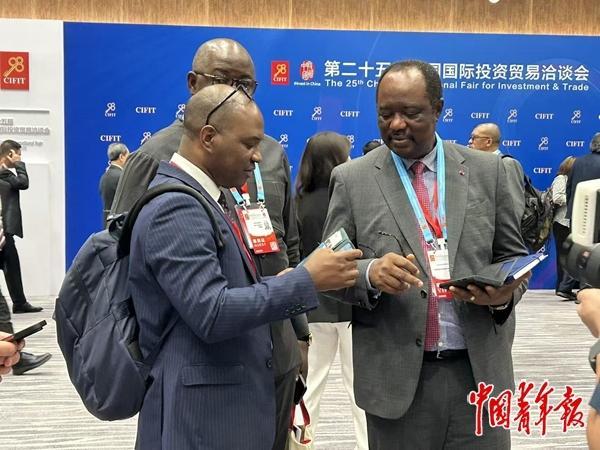
Group 1: Event Overview - The 25th China International Investment and Trade Fair (CIFIT) was held in Xiamen, Fujian from September 8 to 11, showcasing a focus on technological innovation and attracting over 123 countries and regions, with more than 1100 government and business delegations and over 80,000 attendees [3][5]. - A total of 1154 investment projects were signed at the event, with a planned total investment of 644 billion yuan [5]. Group 2: Foreign Investment Insights - Foreign investment in China continues to grow, with Saudi Aramco establishing a joint venture in Fujian, reflecting confidence in the Chinese market [5][7]. - Saudi Aramco's investment in China exceeds 240 billion yuan, with plans for further collaboration in various sectors, particularly in green energy [7]. - The report indicates that in 2024, China attracted 116.24 billion USD in foreign investment, maintaining its position as a leading destination for foreign capital [10]. Group 3: Technological Innovation and Collaboration - The event highlighted the shift from "bringing innovation to China" to "innovating together with China," as foreign companies increasingly engage in collaborative innovation [17][19]. - Companies like Sanofi have integrated deeply into China's R&D ecosystem, participating in over 90% of global development projects [19]. - The focus on high-tech industries is evident, with foreign investment in high-tech sectors reaching 34.6% in 2024, particularly in medical devices and computer manufacturing [10]. Group 4: Chinese Companies Going Global - Chinese companies are increasingly expanding overseas, with a reported 192.2 billion USD in outbound direct investment in 2024, maintaining a global market presence [14]. - Companies like King Long Bus are innovating in autonomous delivery vehicles and expanding their market reach, including significant exports to countries like Chile [11][14]. - The trend of "going out" is supported by the establishment of over 52,000 enterprises in 190 countries, with a focus on infrastructure and green technology [15].

人工智能工厂让AI落地“快而精”
Qi Lu Wan Bao· 2025-08-06 21:05
Group 1 - The core value of the AI factory is its industrialized solution capability, providing a full-stack intelligent manufacturing service from model production to continuous iteration [2] - The factory has enhanced its production capacity to over 1000 order models annually, reducing delivery time from 90 person-days to 20 person-days [2] - The AI factory integrates data, equipment, and research, featuring 61 detailed processes and 113 specialized tools in its intelligent production system [2] Group 2 - The company has developed a specialized model library covering various fields such as manufacturing, government affairs, and water conservancy, leveraging its Hai Ruo large model core engine [3] - The Hai Yue commercial AI platform has integrated over 100 ready-to-use intelligent agents, improving operational efficiency in more than 40 high-value scenarios [3] - The company aims to build the largest distributed intelligent cloud network in China with 122 cloud centers and 557 distributed cloud nodes, making computing power as accessible as water and electricity [3] Group 3 - The AI factory serves as a hub for an open ecosystem, collaborating with over a thousand domestic and international partners to promote AI from isolated breakthroughs to system-level collaboration [3] - The company's vision is to create a world where "intelligence is everywhere with cloud," aiming to help enterprises unleash AI productivity with low barriers and high efficiency [3]