
药品价格治理

Search documents
“十四五”医保成绩单发布,医保基金累计支出超12万亿元
第一财经· 2025-07-24 08:41
Core Viewpoint - The article highlights the achievements and future plans of China's medical insurance system during the "14th Five-Year Plan" period, emphasizing the stability and expansion of coverage, the financial support for the healthcare industry, and the ongoing reforms to improve the quality and efficiency of medical services [1][2]. Group 1: Medical Insurance Coverage and Financial Support - The basic medical insurance coverage rate has remained stable at around 95%, with 1.327 billion people enrolled in 2024 [1][3]. - Cumulative medical insurance fund expenditure reached 12.13 trillion yuan, with an annual growth rate of 9.1%, providing robust financial support for healthcare services [1][2]. - Nearly 200 billion medical insurance reimbursements were utilized by patients from 2021 to 2024, marking a 1.6 times increase compared to 2020 [3]. Group 2: Multi-tiered Medical Security System - A multi-tiered medical security system is being established, consisting of a unified medical insurance information platform, basic medical insurance, critical illness insurance, and medical assistance [4]. - As of June 2025, 253 million people participated in maternity insurance, with cumulative expenditures of 438.3 billion yuan [4]. - Long-term care insurance has covered 190 million people, addressing the care needs of disabled individuals [5]. Group 3: Regulation and Management of Medical Insurance Funds - The National Medical Insurance Administration has intensified efforts to regulate medical insurance funds, focusing on reducing fraud and ensuring proper fund usage [6][7]. - In the first half of the year, 335,000 medical institutions were inspected, recovering 16.13 billion yuan in misused funds [7]. - The administration has implemented data-driven approaches to enhance the precision of fund management and fraud detection [7]. Group 4: Drug Price Governance - Drug pricing remains a significant concern, with the government encouraging market-driven pricing while maintaining oversight to prevent price manipulation [9][10]. - Since 2018, ten rounds of centralized drug procurement have been conducted, covering 435 drugs, which has helped lower drug prices and improve accessibility [11]. - The administration has taken measures to address abnormal drug pricing, urging companies to adhere to fair pricing practices [12].

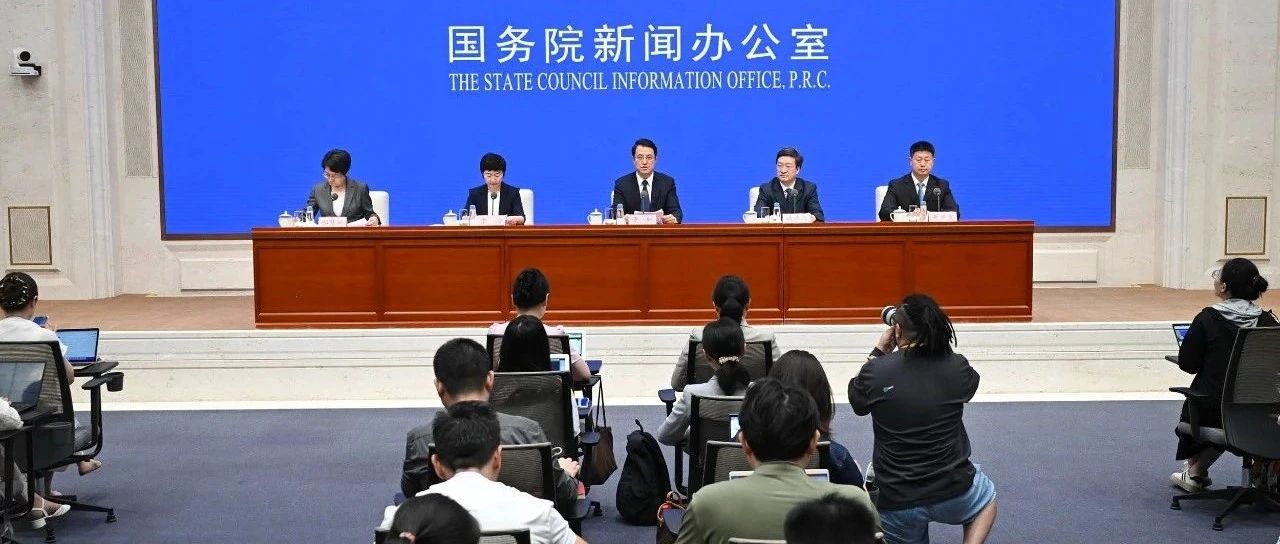
“十四五”医保成绩单发布,医保基金累计支出超12万亿元
Di Yi Cai Jing· 2025-07-24 05:01
Group 1: Healthcare Insurance and Coverage - The national basic medical insurance coverage rate remains stable at around 95%, with an expected 1.327 billion people insured by 2024, representing a 1.6 times increase from 2020 [1][3] - Cumulative expenditure of the medical insurance fund during the 14th Five-Year Plan period reached 12.13 trillion yuan, with an annual growth rate of 9.1% [1] - The multi-tiered medical security system is being established, including basic medical insurance, serious illness insurance, and medical assistance [3] Group 2: Long-term Care Insurance - As of June 2025, 253 million people are expected to participate in maternity insurance, with cumulative expenditures of 438.3 billion yuan [3][4] - The long-term care insurance system aims to alleviate the financial burden of daily care for the elderly and disabled individuals [3][4] Group 3: Medical Fund Management and Regulation - The National Medical Insurance Administration is enhancing the regulation of medical insurance funds to combat fraud and misuse, with 335,000 medical institutions inspected in the first half of the year, recovering 16.13 billion yuan [7] - The transition from a "post-payment" to a "pre-payment" system is being implemented, promoting efficiency in medical institutions and reducing patient out-of-pocket expenses by approximately 5% year-on-year [6] Group 4: Drug Price Governance - The 11th batch of centralized drug procurement has been initiated, emphasizing principles such as maintaining clinical stability and ensuring quality [9] - Since 2018, 10 batches of drug procurement have been conducted at the national level, covering 435 types of drugs, which has helped lower drug costs and improve accessibility [9]
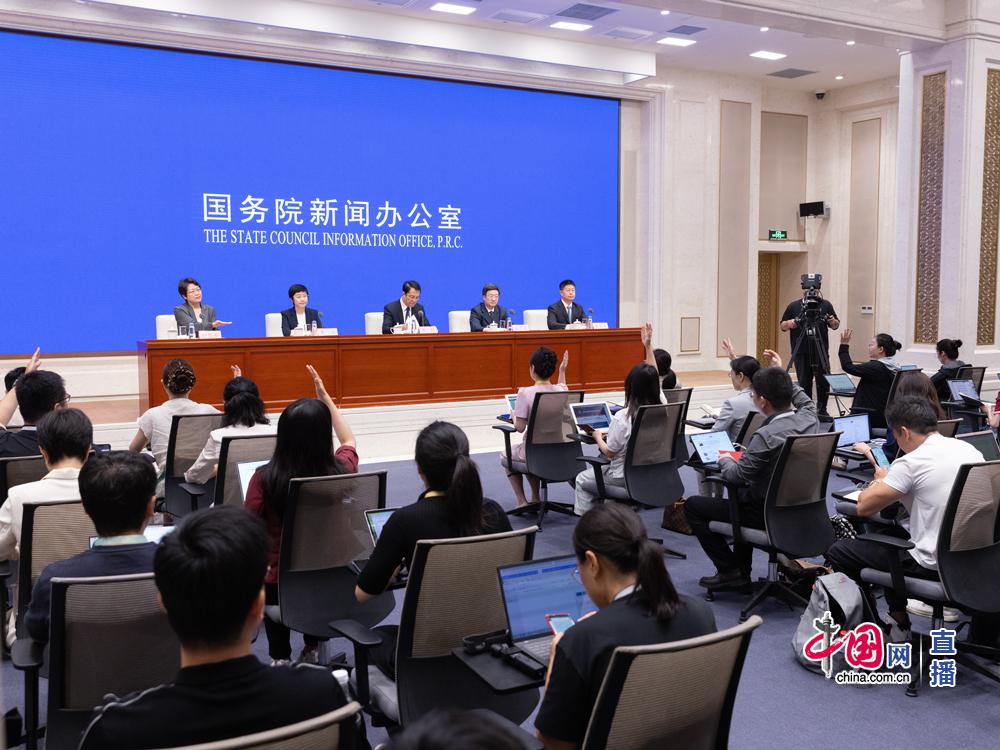
第十一批国采展望与现行药品政策梳理
2025-06-11 15:49
Summary of Conference Call Notes Industry Overview - The conference call discusses the upcoming **11th National Drug Centralized Procurement (国采)**, expected to start in **July or August 2025**. The 10th round had extreme results due to a long time span and rule adjustments, leading to potential product registration backlog issues in the 11th round, with intensified competition and possible rule changes to avoid excessive low pricing [1][4][2]. Key Points and Arguments - **11th Batch Procurement Timing**: The 11th batch is likely to be delayed until the second half of the year due to the need for medical institutions to prepare reporting volumes, with only one round expected this year [2]. - **Biological Drug Procurement**: The biological drug procurement led by Anhui is set for execution by the end of **2025**, based on insulin procurement rules, focusing on moderate price reductions and a larger number of selected products [1][5][6]. - **Quality Control Measures**: The National Medical Products Administration (药监局) is responsible for quality control of selected products, while the National Healthcare Security Administration (医保局) has introduced new rules requiring companies to have market volume before gaining market share, ensuring fair competition [7][3]. - **Impact of New Rules on Original Drug Companies**: The new procurement rules favor original drug companies by allowing them to retain some market share even if not selected, and providing hospitals with more autonomy in choosing products [12][3]. - **Price Discrimination Issues**: The centralized procurement has provided a price benchmark, but there have been instances of price discrimination across provinces, leading to a downward spiral in drug prices and potential shortages [18][19]. - **Market Dynamics for Generic Drugs**: The procurement process has increased the penetration of competitive products in grassroots hospitals, while high-priced drugs have significant market expansion potential [11][21]. Additional Important Content - **Alliance Procurement Framework**: The shift to an alliance procurement framework has led to varied approaches among provinces, with some like Hebei being aggressive in pricing, while others like Guangdong and Xinjiang adopt a more balanced approach [8][9]. - **Future Alliance Plans**: Major alliances for procurement include those led by Sichuan, Xinjiang, Guangdong, and Tianjin, with Shanghai and Jiangsu considering joining new projects [9]. - **Impact on Marketing Strategies**: Original drug companies are adjusting their marketing strategies, increasing collaboration with e-commerce channels to enhance drug accessibility and sales [22][24]. - **Medicare Payment Standards**: The establishment of Medicare payment standards is expected to significantly impact drug prices and market dynamics, potentially leading to a unified pricing structure across different regions [13][20]. - **Challenges for Innovative Drugs**: The procurement policies may limit the development of innovative drugs due to low pricing, which could discourage research and development efforts in the pharmaceutical industry [25][26]. This summary encapsulates the critical insights and implications from the conference call regarding the upcoming drug procurement policies and their potential impact on the pharmaceutical industry.
葵花药业营收创近8年新低:百亿目标何以为继?
2 1 Shi Ji Jing Ji Bao Dao· 2025-04-29 11:05
Core Viewpoint - Kewflower Pharmaceutical is facing significant challenges in revenue growth, with a reported revenue of 3.377 billion yuan in 2024, a substantial decline of 40.76% year-on-year, marking the lowest performance in nearly eight years [1][2] Revenue Performance - The company's revenue has fluctuated from 3.855 billion yuan in 2017 to a peak of 5.7 billion yuan in 2023, but the 2024 revenue is lower than the 3.462 billion yuan recorded in 2020 [1] - The pharmaceutical manufacturing segment saw a revenue drop of 40.87%, with traditional Chinese medicine and chemical drugs declining by 40.55% and 47.59% respectively [3] Profitability and Cash Flow - The net profit attributable to shareholders plummeted by 56.03% to 492 million yuan in 2024, reverting to levels seen seven years ago [3] - Operating cash flow for the first three quarters of 2024 was -399 million yuan, a decline of 203.01%, with a net operating cash flow of -307 million yuan for the year, down 134.56% from the previous year [4] Cost Management - In response to performance pressures, Kewflower Pharmaceutical significantly reduced sales expenses from 1.367 billion yuan to 431 million yuan, a decrease of 68.46% [3] - Despite cost-cutting measures, the gross margin continued to decline, with traditional Chinese medicine and chemical drugs' gross margins dropping by 9.75 and 8.69 percentage points respectively [3] R&D Investment - The company's R&D investment as a percentage of revenue increased from 1.86% to 3.68% in 2024, although it remains below the industry average [4] - Kewflower has around 40 drug candidates in development, focusing on pediatrics, digestion, and gynecology, while also advancing traditional Chinese medicine and health products [4] Market Strategy - Kewflower is shifting from a category-based strategy to a focus on major products, aiming to optimize its marketing and distribution channels [5] - The company has established an online platform to enhance its market reach, although the effectiveness of these strategies remains uncertain [5] Competitive Landscape - Key products like liver protection tablets and pediatric cough syrup are included in the procurement list for centralized purchasing in Anhui province, which may impact Kewflower's market position [6][7] - The company has not made it to the final procurement list, raising concerns about its competitive edge in the market [7] Pricing Pressure - The national healthcare authority is emphasizing drug price governance, which could compress profit margins in both hospital and outpatient markets [8] - A price comparison system has been implemented in various provinces, leading to significant price reductions in retail pharmacies, further squeezing profit margins [8] Channel Dependency - Kewflower's revenue heavily relies on OTC channels, which accounted for 83.23% of total revenue, with the top five customers contributing 60.41% of sales [8] - This over-reliance on traditional channels and a limited customer base poses risks during industry transitions [8]
