计算摄影

Search documents
刘作虎官宣一加哈苏合作结束:一加15全球首发自研影像引擎
Xin Lang Ke Ji· 2025-09-05 03:55
Core Viewpoint - OnePlus announces the end of its partnership with Hasselblad and introduces its own imaging engine, the OnePlus DetailMax Engine, aimed at delivering clearer and more authentic smartphone photography [1][9][15]. Group 1: Partnership Transition - The collaboration with Hasselblad has concluded, with gratitude expressed for the craftsmanship and trust built over five years [9][16]. - The partnership has significantly influenced OnePlus's imaging DNA, integrating Hasselblad's color science into future products [14][16]. Group 2: New Imaging Engine - The OnePlus DetailMax Engine is designed from the ground up to enhance computational photography, focusing on clarity and authenticity without artificial enhancements [7][15]. - The engine aims to capture images that reflect reality, allowing users to zoom in without losing quality [6][7][15]. Group 3: User-Centric Development - Extensive user interviews revealed a strong desire for clear and realistic images, guiding the development of the new imaging engine [5][15]. - Users prioritize the ability to zoom in on photos, which is a critical factor in evaluating camera performance [5][15]. Group 4: Future Outlook - Initial testing of the OnePlus DetailMax Engine has shown promising results, with expectations to set a new standard for clarity in its class upon launch [8][16]. - The company expresses excitement for future opportunities in imaging and mobile photography innovation [9][16].


影石创新上半年营收同比增长51.17% 研发投入翻倍
Zheng Quan Shi Bao Wang· 2025-08-28 14:03
Financial Performance - Company achieved operating revenue of 3.671 billion yuan, a year-on-year increase of 51.17% [1] - Net profit reached 520 million yuan, with a slight year-on-year growth of 0.25% [1] - Cash flow from operating activities was 241 million yuan, down 60.22% from 606 million yuan in the same period last year [1] - R&D expenses amounted to 562 million yuan, a significant increase of 100.35% compared to 280 million yuan last year, with R&D investment accounting for 15.30% of operating revenue, up from 11.55% [1] Patent and Technology Development - As of June 30, 2025, the company held 998 authorized patents, including 222 invention patents, 378 utility model patents, and 398 design patents [1] - During the reporting period, the company applied for 69 invention patents, 32 utility model patents, and 52 design patents, with 101 new patents authorized, enhancing its technology reserves [1] Product and Market Strategy - Company has established a core technology system based on panoramic technology, including image capture, stabilization, AI image processing, and computational photography [2] - Main products include consumer-grade and professional-grade smart imaging devices, such as ONEX series panoramic cameras and Ace series action cameras [2] - The company employs a global sales model combining online and offline channels, with 72.38% of overseas sales concentrated in the US, Japan, and Europe [3] New Business Initiatives - Company is targeting the drone market with plans to launch its own brand and the Yingling Antigravity panoramic drone brand, currently in public testing [3] - The panoramic drone business will be operated in collaboration with third parties to cover more usage scenarios [3] Risk Management - Company is optimizing its overseas supply chain to address international trade friction and tariff risks [3] - In response to the ITC investigation, preliminary rulings indicate that only some products fall under GoPro's design patent, with no substantial impact on production and operations [3]
从 “拍得到”到“拍得绝”:华为 Pura 80系列如何改写影像规则
第一财经· 2025-07-11 09:22
Core Viewpoint - The article emphasizes the revolutionary advancements in mobile imaging technology led by Huawei's Pura 80 series, particularly focusing on the integration of hardware and algorithm innovations to overcome existing limitations in smartphone photography [1][8]. Group 1: Technological Innovations - Huawei's Pura 80 Ultra features a 1-inch ultra-large capacitive sensor and TCG triple real-time fusion technology, achieving an industry-leading dynamic range of 16EV, marking a significant leap in main camera technology [9]. - The introduction of variable aperture and retractable lens in the P50 series and Pura 70 series demonstrates Huawei's commitment to balancing image quality with portability, addressing real user challenges rather than merely enhancing specifications [6][18]. - Huawei's approach to multi-camera systems focuses on functional collaboration rather than merely increasing the number of lenses, setting a benchmark for image quality in the industry [5][16]. Group 2: Market Performance - The Pura 80 series has shown strong market performance, with nearly 200,000 units sold within 15 days of its launch, and the Pura 80 Pro achieving 160% of the previous model's sales in the same period, reflecting a 60% year-on-year growth [17]. - Cumulative sales of Huawei's P series have surpassed 100 million units, indicating a solid foothold in the high-end smartphone market [16]. Group 3: Industry Impact - Huawei's innovations have prompted a shift in the industry, encouraging competitors to rethink their technological strategies and focus on integrated optical designs rather than merely stacking hardware [9][18]. - The advancements in Huawei's imaging technology have not only enhanced user experience but have also redefined the standards for mobile photography, pushing the entire industry towards more sophisticated optical solutions and deeper hardware-software collaboration [18].
苹果自研图像传感器? 一项专利惊艳亮相
半导体行业观察· 2025-06-27 01:20
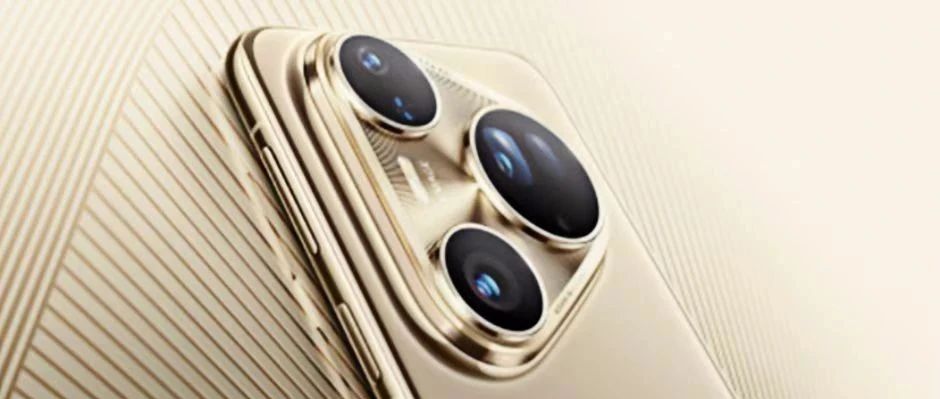
Core Viewpoint - Apple is potentially preparing a significant advancement in image sensor design that could transform everything from iPhones to professional cinema equipment, as indicated by a newly released patent for a "High Dynamic Range Low Noise Stacked Pixel Image Sensor" [1][3]. Group 1: Patent Details - The patent reveals a major advancement in imaging technology, suggesting a fully self-designed image sensor with a dynamic range expected to rival or exceed leading cinema cameras, claiming up to 120 dB dynamic range, equivalent to nearly 20 stops [3][11]. - The sensor architecture includes a stacked sensor chip on a logic chip, featuring a novel 3T pixel design that achieves high dynamic range and low noise without the artifacts common in traditional 4T pixel arrays [5][6][26]. - The sensor utilizes a lateral overflow integration capacitor (LOFIC) mechanism, allowing it to handle three levels of charge storage for light overflow, adapting automatically to extreme brightness or darkness [6][10]. Group 2: Technical Innovations - Each pixel contains a built-in noise sensing circuit that can detect and eliminate thermal noise in real-time, resulting in clearer images even in low-light conditions without the need for post-processing or AI techniques [8][9]. - The 3T pixel design, while typically simpler and noisier, benefits from the innovations mentioned, resulting in lower noise levels compared to standard 4T sensors, thus providing better performance with fewer components [9][20]. Group 3: Potential Impact - If implemented, possibly in future devices like the iPhone 17 Pro or Apple Vision Pro 2, this technology could allow Apple to reduce its reliance on Sony's high-end camera sensors and enter the image sensor market as a competitor [11][18]. - The advancements could lead to mobile devices capable of cinema-grade HDR, real-time noise-free video capture, and ultra-thin form factors with professional-quality imaging [14][16]. - The technology may redefine digital imaging standards not only in smartphones but also in the film industry, indicating a shift towards sensor-first innovations rather than software or AI enhancements [18][19].

谷歌手机迎来长焦微距,或将给整个业界上一课
3 6 Ke· 2025-06-25 02:34
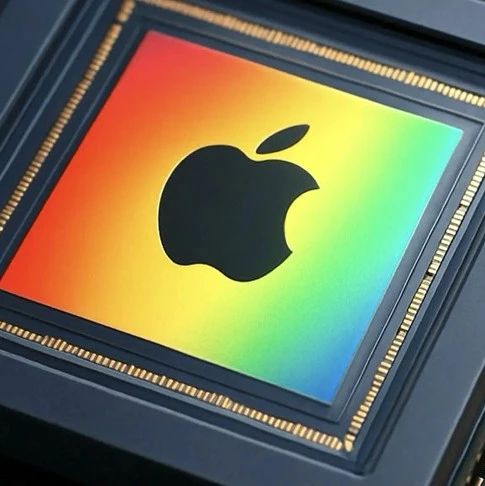
Core Insights - The Google Pixel series holds a unique position in the Android smartphone ecosystem, serving as both a software development platform and a showcase for Google's software technologies [1][3] - The upcoming Pixel 10 series is expected to introduce a "dual macro lens" feature, combining long-focus macro capabilities with the existing ultra-wide macro functionality [5][10] Software Features - Pixel devices are the first to receive major Android updates and exclusive Google AI features, reinforcing their role as a flagship for Android software [1] - The integration of AI for automatic scene recognition in the dual macro system enhances user experience by eliminating the need for manual switching between ultra-wide and long-focus macro modes [10] Hardware Innovations - The Pixel series has historically focused on computational photography rather than raw performance, with the custom Tensor processor enabling advanced imaging capabilities [3] - The introduction of long-focus macro functionality allows users to capture small subjects from a distance, minimizing disturbance to the subject and improving lighting conditions [7] Market Impact - Google's approach to combining both ultra-wide and long-focus macro capabilities may set a new standard in the industry, challenging competitors to rethink their camera configurations [10] - This innovation could lead to increased consumer expectations for imaging capabilities across other brands, fostering healthy competition in the smartphone camera market [10]

重回“堆料”,是华为Pura80系列最让人兴奋之处
3 6 Ke· 2025-06-12 01:27
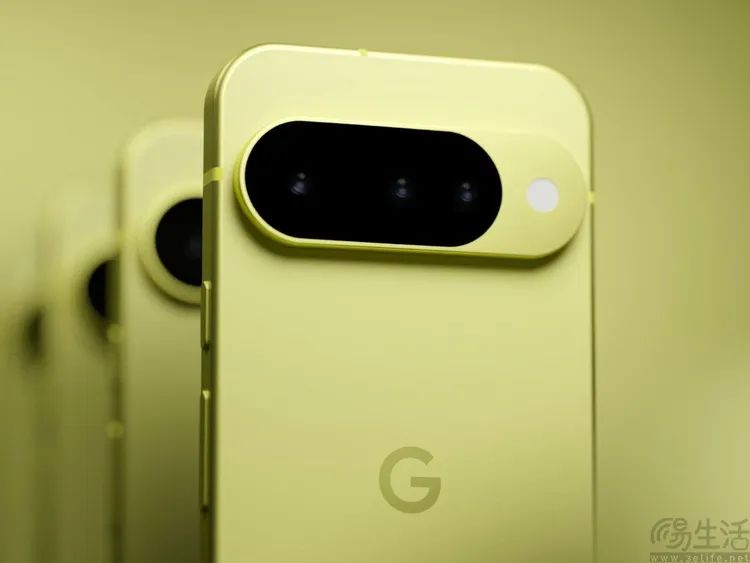
Core Viewpoint - Huawei's Pura80 series marks a significant return to hardware emphasis in smartphone imaging, showcasing advanced sensor configurations and a commitment to high-quality photography [9][22][28] Group 1: Product Development and Features - The Pura80 series includes four models, with the Pro, Pro+, and Ultra versions featuring a combination of 40MP ultra-wide, 50MP 1-inch wide, and 48MP/50MP periscope telephoto sensors [9][11] - The Pura80 Ultra introduces a unique "dual-lens" periscope telephoto system, utilizing a 1/1.28-inch sensor to support both medium and ultra-long focal lengths, setting a new standard in the industry [16] - The series aims to evoke nostalgia for previous successful models like the P30 and P40, indicating a strategic shift back to hardware-centric design [17] Group 2: Market Position and Strategy - The pricing of the Pura80 Ultra is competitive with other top-tier models, reflecting Huawei's improved supply chain capabilities compared to previous years [19][20] - The emphasis on hardware in the Pura80 series signals a positive shift in product design philosophy, appealing to younger consumers who prioritize specifications [22] - Huawei continues to integrate computational photography features alongside hardware improvements, indicating a balanced approach to smartphone imaging technology [23] Group 3: Technological Innovations - The introduction of a customizable "color card" feature allows users to create and share personalized photo filters, enhancing user engagement [25] - The Pura80 series suggests potential improvements in Huawei's self-developed SoC, as it competes with flagship products from other manufacturers [28]
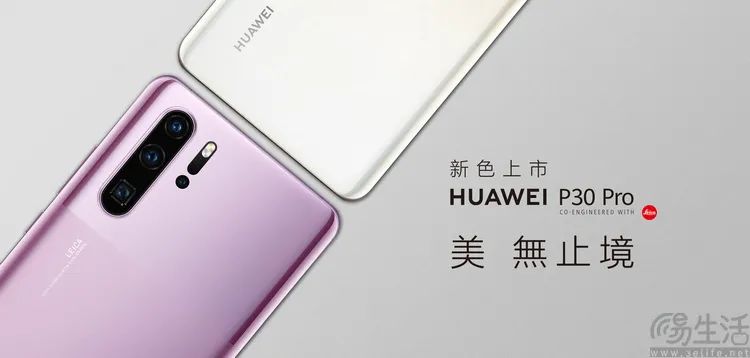
华为公布“一底双长焦”专利,将首发于Pura 80系列
Di Yi Cai Jing· 2025-06-06 08:35
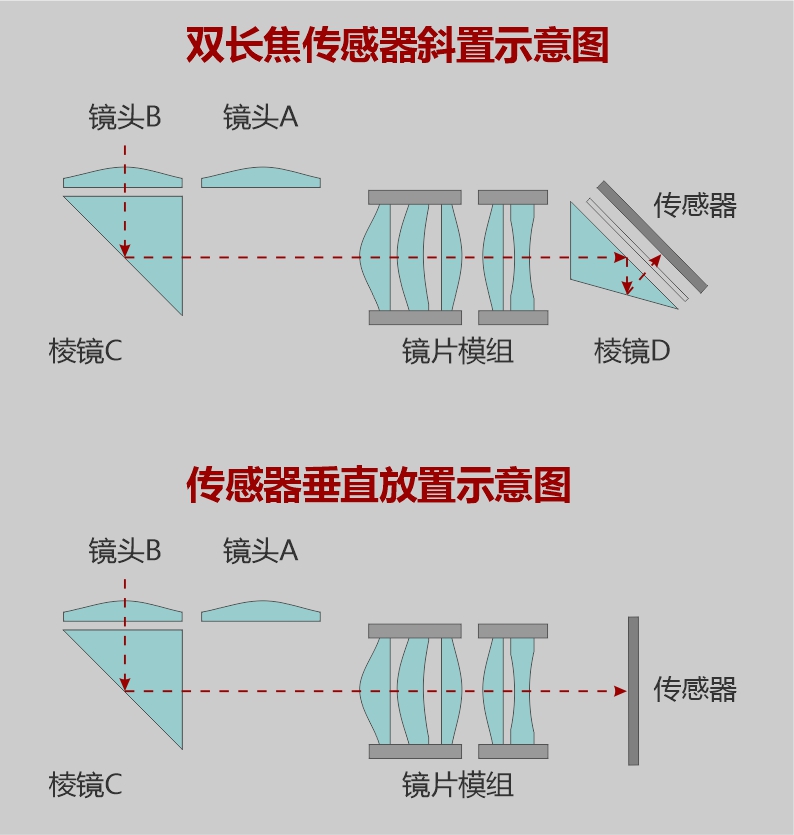
Core Viewpoint - The focus of the consumer electronics supply chain is on mobile imaging technology, with Huawei's recent patent application for an innovative optical lens and camera module expected to enhance its competitive edge in the high-end smartphone market [1][5]. Group 1: Patent and Technology Development - Huawei has applied for a patent for an optical lens that features a "one base, dual lens structure," allowing for light path switching between two focal lengths while sharing a single CMOS sensor and stabilization module [1]. - The new imaging solution is anticipated to debut in the Huawei Pura80 series, showcasing advancements in mobile photography technology [1]. Group 2: Market Position and Sales Performance - Huawei's sales revenue increased by 28.5% year-on-year, with a market share of 19.4%, making it the leading smartphone brand in China, driven by the nova 13 series and Pura 70 series [5]. - The total sales volume of the Pura series is approximately 13 million units, with expectations to exceed 15 million units over its lifecycle [5]. Group 3: Competitive Landscape and Challenges - The high-end market remains competitive, with Huawei facing challenges related to the HarmonyOS 5 upgrade cycle and intensified price competition from other leading smartphone brands [6]. - The ongoing "national subsidy competition" in the consumer electronics market may further complicate Huawei's positioning in the high-end segment [6].