跨市场配置

Search documents
高盛首席策略师预警:美国股市或低估关税冲击 建议跨市场配置
Zhi Tong Cai Jing· 2025-07-29 11:07
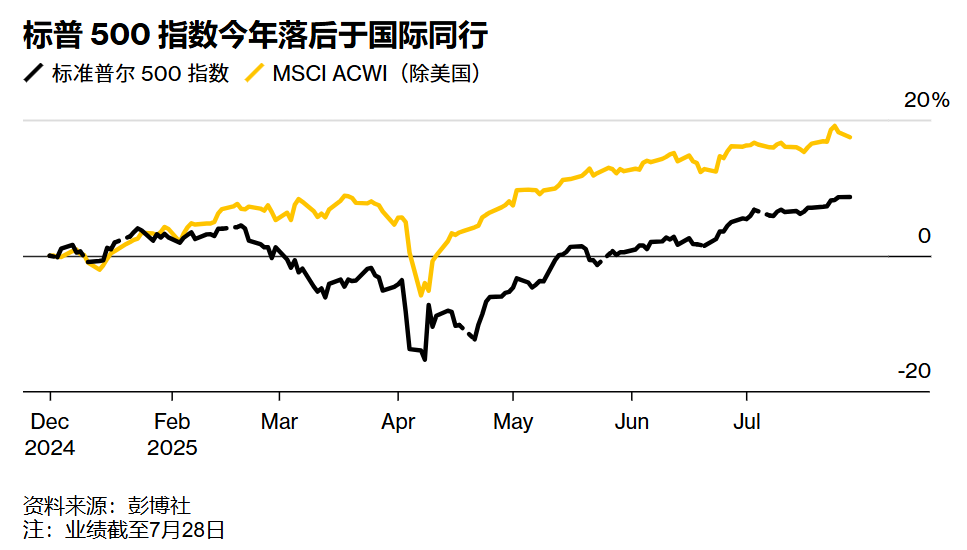
Group 1 - The core viewpoint is that investors have downplayed the risks of economic recession due to tariffs, but Goldman Sachs' chief global equity strategist Peter Oppenheimer remains cautious about the potential impact on stock prices even if agreements are reached with major trading partners [1] - Oppenheimer's previous warnings about the overvaluation of the U.S. stock market and his advocacy for diversifying into international markets have proven effective, as the MSCI ex-U.S. global index has risen 17% this year, significantly outperforming the S&P 500's 8.6% increase [1] - The current market volatility is characterized by a "sharp drop followed by a strong rebound," indicating an event-driven bear market, with potential risks from escalating tariff policies not fully priced in [2] Group 2 - Oppenheimer emphasizes that despite the potential for continued gains in the U.S. stock market, structural changes and cyclical evolution remain the core analytical dimensions of Goldman Sachs' strategy framework [3] - The relative competitiveness of U.S. markets is declining faster than what valuations reflect, which is a key driver for the decision to diversify geographically [2] - The ongoing geopolitical tensions, such as the Ukraine crisis, and challenges related to energy prices and trade dependencies further reinforce the consensus on the over-concentration of the U.S. market [2]


高盛首席策略师预警:美国股市或低估关税冲击,建议跨市场配置
Zhi Tong Cai Jing· 2025-07-29 09:47
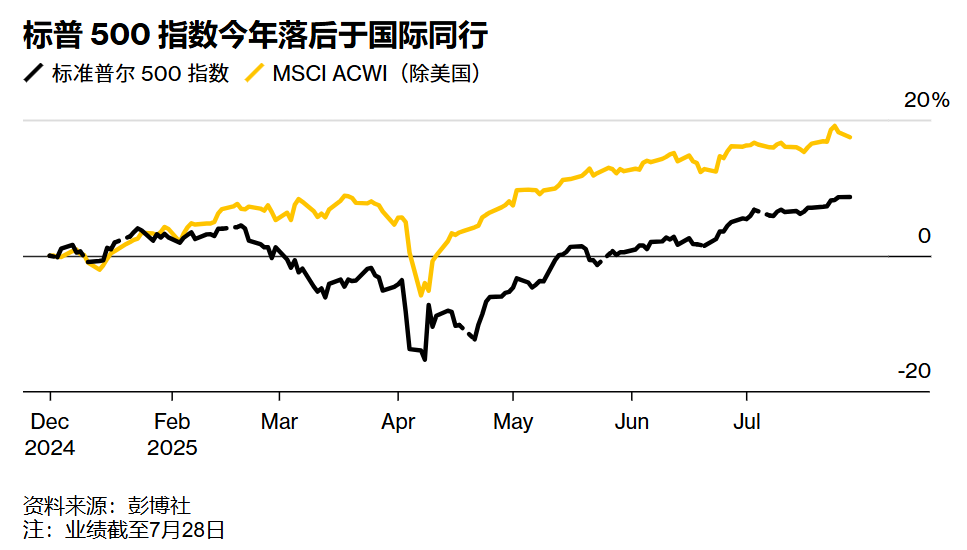
Group 1 - The core viewpoint is that despite the current pricing of the U.S. stock market downplaying the risks of tariffs leading to an economic recession, Goldman Sachs' chief global equity strategist Peter Oppenheimer remains cautious about potential impacts on stock prices even if trade agreements are reached [1][2] - Oppenheimer's analysis indicates that the recent market volatility reflects a "sharp decline followed by a strong rebound," characterizing it as an event-driven bear market, with potential risks from escalating tariff policies not fully priced in [2] - The strategy of diversifying investments into international markets has proven effective, as evidenced by the MSCI ex-U.S. global index rising 17% this year, significantly outperforming the S&P 500's 8.6% increase [1] Group 2 - Oppenheimer emphasizes that the structural changes and cyclical evolution are central to Goldman Sachs' analytical framework, which aims to mitigate the influence of short-term market emotions through a systematic decision-making model [3] - The relative competitiveness of the U.S. market is declining faster than what current valuations reflect, prompting a shift towards geographic diversification [2] - Oppenheimer's previous warnings about the overvaluation of the U.S. stock market were based on its atypical performance compared to other markets over the past decade, which has raised concerns about excessive concentration in the U.S. market [2]
恒生股指期货与 A50 期货的区别:投资标的、波动特点对比
Sou Hu Cai Jing· 2025-07-25 13:59
Core Insights - The Hang Seng Index Futures serve as a bridge connecting the core index of the Hong Kong stock market with global investors, facilitating participation in market fluctuations through flexible contracts [1] - It is an efficient tool for investors focusing on Hong Kong stocks, allowing them to express their views on index movements without directly purchasing constituent stocks [1][5] - The index includes representative stocks from key industries such as finance, real estate, and technology, making it a precise window for observing core assets in the Hong Kong market [1] Trading Mechanism - The dual trading mechanism expands profit opportunities, allowing investors to go long in rising markets and short in declining markets, particularly advantageous in volatile conditions [1] - The internationalization of Hang Seng Index Futures attracts global capital, with trading hours overlapping between Asia-Pacific and European/American markets, enabling quick reflection of international capital movements [1] Market Sentiment and Strategy - The futures market acts as a sensitive barometer, often leading the spot index, which helps investors adjust their positions in anticipation of market trends [2] - Different contract expiration dates cater to diverse needs, with short-term contracts suitable for day trading and medium to long-term contracts for trend positioning [4] - Analyzing changes in positions can reveal market sentiment, providing insights into international capital's views on Hong Kong stocks and aiding in short-term trend analysis [4] Risk Management and Market Maturity - The Hang Seng Index Futures offer an effective choice for risk diversification, allowing for hedging against regional market volatility, especially in a globally interconnected market [4] - The regulated operation of the futures market reflects its maturity, with transparent trading rules and strict risk control systems enhancing investor confidence [5] - Overall, Hang Seng Index Futures are versatile tools in the Hong Kong investment landscape, connecting core assets with global capital and aiding investors in understanding the market better [5]