野生鸟类保护

Search documents
用坚守筑牢野生鸟类“安全屏障”
Shan Xi Ri Bao· 2025-08-25 00:51
Core Points - The article emphasizes the importance of protecting wild birds to maintain ecological balance and ensure sustainable development for humanity [3] - The Shaanxi province is recognized as a significant ecological area with rich bird resources, highlighting the need for wildlife protection and rescue efforts [2] Group 1: Wildlife Protection Efforts - The Shaanxi provincial government is committed to implementing comprehensive bird protection and combating illegal hunting and trading of wild birds [3] - The province plans to accelerate the establishment of flagship species protection research centers and enhance the protection of critical habitats and migratory routes for birds [3] Group 2: Wetland Ecosystem Importance - Wetlands play a crucial role in supporting the survival needs of wild birds, maintaining population stability and diversity [2] - Maintaining hydrological balance in wetlands is essential to prevent shrinkage caused by excessive drainage and reclamation [2] - Protecting wetland vegetation is vital for providing shelter and nesting sites for birds [2] Group 3: Bird Monitoring and Rehabilitation - Regular monitoring of bird populations, distribution, and breeding conditions is necessary to ensure their well-being [2] - Establishing bird rescue stations is important for treating and rehabilitating injured, sick, or lost birds [2] - Successful breeding of species like the crested ibis in natural reserves demonstrates the positive impact of a healthy ecological environment [2]
陕西绥德县:三级网格体系守护野生鸟类
Shan Xi Ri Bao· 2025-08-21 17:16
Core Points - The article highlights the efforts of Suide County in Shaanxi Province to protect wild bird species, particularly focusing on the establishment of a three-tiered grid system for monitoring and protection [1][2] - The county has initiated daily patrols in key habitats and migration routes for wild birds, including the Yellow River and Wuding River basins [1] - Public engagement is emphasized through various educational campaigns and media outreach to raise awareness about the importance of bird conservation [2] Group 1 - Suide County has formed a special action leadership group to implement a monitoring system involving county, town, and village levels [1] - Daily patrols are conducted in critical areas such as parks, markets, and restaurants to prevent illegal trade of birds and their products [1] - The local forestry bureau has established a special task force employing a combination of vehicle and foot patrols for effective monitoring [1] Group 2 - The county has utilized events like "World Wildlife Day" and "Bird Love Week" to promote bird conservation through media platforms [2] - A total of 20,000 promotional materials have been distributed, and over 35,000 individuals have participated in on-site educational activities from June to August [2] - The initiative aims to create a strong societal atmosphere for collective participation in bird protection efforts [2]
赵刚主持召开省政府第二十七次常务会议
Shan Xi Ri Bao· 2025-08-05 00:21
Group 1: Flood Prevention and Disaster Relief - The meeting emphasized the importance of implementing Xi Jinping's directives on flood prevention and disaster relief, focusing on a strong sense of responsibility and proactive measures to ensure the safety of people's lives and property [1] - Authorities are required to closely monitor changes in rainfall, water levels, and flood conditions, enhancing information sharing and emergency response mechanisms [1] - Key risk areas such as reservoirs, flood channels, transportation routes, and disaster-prone zones must be closely monitored, with increased inspection frequency and safety management [1] Group 2: Wildlife Protection - The meeting highlighted the significance of protecting wild birds and other wildlife, focusing on key areas such as capture, transportation, sale, consumption, and illegal hunting [2] - A three-year action plan will be implemented to comprehensively protect birds and combat illegal hunting and trading, aiming to maintain biodiversity [2] - Local responsibilities and departmental oversight will be strengthened, with a full-chain regulatory system established to enhance public awareness and social participation in wildlife protection [2] Group 3: Consumer Spending Initiatives - The meeting called for the launch of special actions to boost consumer spending, aiming to stabilize and expand commodity consumption [2] - Various promotional activities will be organized for key products, and efforts will be made to enhance service consumption and explore new consumption scenarios [2] - The government will coordinate efforts and optimize measures in line with national policies to create a collaborative environment for promoting consumer spending [2]
陕西省人民代表大会常务委员会关于加强野生鸟类保护的决定
Shan Xi Ri Bao· 2025-08-02 00:41
Core Viewpoint - The decision made by the Shaanxi Provincial People's Congress Standing Committee aims to strengthen the protection of wild birds, maintain biodiversity, and promote ecological civilization, ensuring harmony between humans and nature [2][4]. Summary by Sections Protection Principles - Wild bird resources are owned by the state, and all units and individuals in the province must comply with relevant laws and regulations for their protection [4]. - The protection of wild birds follows principles of prioritizing protection, regulated use, strict supervision, and public participation [5]. Classification and Responsibilities - Wild birds are classified into national key protection, provincial key protection, and those with significant ecological, scientific, or social value for graded protection [6]. - County-level governments are responsible for wild bird protection in their jurisdictions, with specific departments assigned relevant duties [6]. Hunting and Trade Regulations - Hunting, killing, or trading of national key protected wild birds is prohibited, with exceptions requiring special permits [7][8]. - Illegal transportation, carrying, or mailing of wild birds and their products is banned, and strict regulations apply to their sale and purchase [8]. Habitat and Environmental Protection - Governments must protect and restore wild bird habitats and migration routes, ensuring compliance with ecological protection standards [9][10]. - Measures to reduce pollution and promote green development are emphasized, including the use of environmentally friendly technologies [10]. Public Awareness and Participation - The government will organize campaigns to raise awareness about wild bird protection, with a designated "Love Birds Week" each April [14]. - Citizens and organizations are encouraged to participate in conservation efforts through donations, volunteer work, and reporting illegal activities [14][17]. Enforcement and Penalties - Violations of the decision will result in administrative penalties or criminal charges, with responsibilities for ecological damage clearly defined [17].
陕西对野生鸟类保护作出明确规定
Shan Xi Ri Bao· 2025-07-31 00:09
Core Points - The Shaanxi Provincial People's Congress passed a decision to strengthen the protection of wild birds, consisting of 18 articles that cover responsibilities, prohibited actions, habitat protection, reasonable use, and public education, effective immediately upon publication [1] Group 1: Protection Measures - The decision focuses on key areas such as "catching, transporting, selling, consuming, playing, and promoting," explicitly prohibiting illegal hunting, trading, transporting, and consumption of wild birds and their products [1] - It comprehensively bans the hunting, trading, and transportation of wild birds that grow and breed naturally in the wild for consumption purposes [1] Group 2: Habitat Protection - The decision legally identifies and publishes the main habitats and migratory routes of wild birds, emphasizing the protection and restoration of forests, grasslands, and important wetlands [1] - The provincial government is tasked with organizing city and county governments to promote the protection and restoration of key habitats and migratory routes in areas such as Qinling, Bashan, Huanglong Mountain, Ziwuling, Longshan, and Baiyu Mountain [1] Group 3: Monitoring and Regulation - Shaanxi will enhance monitoring and regulation of information related to wild birds on e-commerce platforms, social networks, and live streaming platforms, dynamically screening and clearing illegal information [1]
警示牌还是广告牌?国家二级保护动物被公开售卖
Yang Shi Wang· 2025-07-21 10:39
Core Viewpoint - The article highlights the significant improvement in the ecological quality of bird habitats in China, alongside the alarming rise in illegal bird hunting and trading, which has formed a "black and gray industrial chain" around wildlife trafficking [1]. Group 1: Bird Protection Status - China is home to over 1,500 bird species, accounting for approximately one-sixth of the world's bird species [1]. - Wild bird protection levels in China are categorized into four tiers: National Level I, National Level II, Local Key Protection, and "Three Have" protected birds, which possess important ecological, scientific, and social value [1]. Group 2: Illegal Bird Trade - Investigations reveal that bird vendors openly sell protected species, including those listed as National Level II and "Three Have" protected birds, often near signs promoting bird protection [3][4]. - The lack of effective regulation allows illegal bird sales to flourish, with vendors operating in plain sight while regulatory personnel appear to ignore the situation [4]. Group 3: Methods of Bird Capture - Various illegal methods for capturing birds are employed, including the use of "snap traps" and "electronic bird callers" to lure birds into traps [5][7]. - Reports indicate that during migration seasons, illegal trapping activities are rampant, with significant evidence of capture nets found in various locations [9]. Group 4: Online Trading Platforms - Social media and short video platforms have become new avenues for the illegal trade of wild birds, with vendors livestreaming sales of protected species [10]. - Some vendors create hidden WeChat groups for auctioning captured birds, often disguising their activities with misleading labels like "self-breeding" [10][11]. Group 5: Transportation of Illegal Wildlife - Despite regulations prohibiting the shipment of live animals, illegal bird vendors claim they can send birds via express delivery, often mislabeling them as poultry [12]. - Investigations confirm that birds can be shipped successfully, highlighting the loopholes in enforcement of existing laws [12]. Group 6: Ecological Importance and Call to Action - Birds play crucial roles in ecological functions such as predation regulation, pollination, and maintaining biodiversity [14]. - The article emphasizes the need for collective efforts from government, businesses, social organizations, and the public to combat illegal wildlife trade and enhance awareness of bird protection [14].

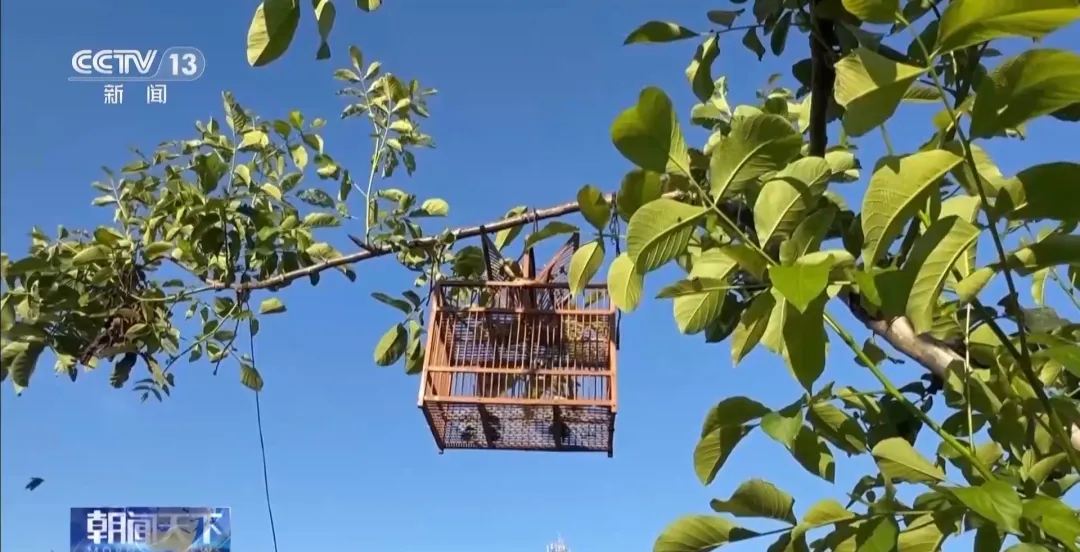
盗猎鸟贩摊位,就摆在保护鸟类的警示牌前 记者调查黑灰产业链
Yang Shi Xin Wen· 2025-07-20 02:09
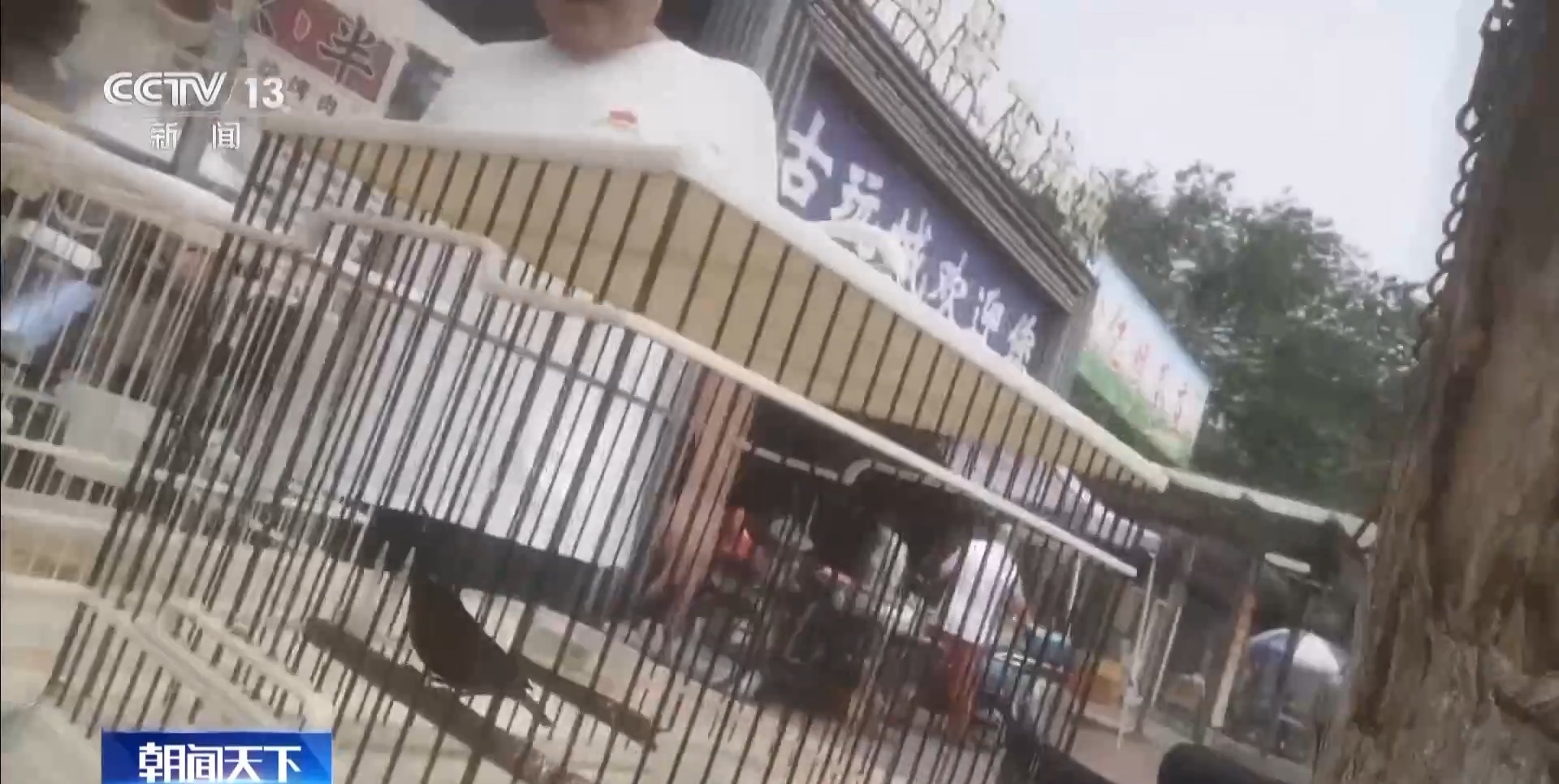
Core Viewpoint - The illegal trade of wild birds in China is thriving despite the country's efforts to protect bird species and their habitats, leading to a significant ecological threat [1][35]. Group 1: Bird Protection and Illegal Trade - Bird species are crucial for maintaining ecological balance, and their populations have been increasing due to improved habitat quality [1]. - Despite legal protections, illegal hunting and trading of birds have formed a "black and gray industrial chain" driven by profit motives [1]. - The Tianjin Qianlidi Bird Market showcases illegal sales, with vendors openly selling protected species like hummingbirds, which are banned from capture and sale [4][6]. Group 2: Regulatory Failures - Regulatory enforcement appears ineffective, with some officials ignoring the illegal sale of wild birds, leading to a tacit agreement between vendors and enforcement personnel [8][9]. - In various locations, such as Shenyang and Liao Yang, vendors operate freely, often in close proximity to regulatory banners that are not enforced [11][13]. Group 3: Methods of Illegal Capture - The use of advanced trapping techniques, including "electronic bird media" and "absolute nets," has been reported, significantly increasing the efficiency of illegal bird capture [20][22]. - During migration seasons, illegal trapping activities are rampant, with volunteers discovering extensive networks of traps in various regions [22]. Group 4: Online Marketplaces - Social media and short video platforms have become new venues for the illegal trade of wild birds, with vendors using these platforms to sell protected species [23][24]. - Some vendors create hidden groups to auction captured birds, often disguising their activities with misleading labels like "self-breeding" [26][28]. Group 5: Transportation of Illegal Trade - Despite regulations prohibiting the shipment of live animals, illegal bird sales often involve deceptive practices, such as labeling birds as "meat and eggs" for shipping [29][34]. - Investigations reveal that vendors are willing to circumvent shipping laws, demonstrating the persistence of the illegal trade network [30][32]. Group 6: Call to Action - The protection of bird species requires a collective effort from government, businesses, NGOs, and the public to dismantle the illegal trade network [35]. - Raising awareness and enforcing existing laws are essential steps to ensure the survival of bird populations and the health of ecosystems [35].
【省司法厅】部署推进野生鸟类保护工作
Shan Xi Ri Bao· 2025-07-09 23:51
Group 1 - The provincial judicial department is implementing comprehensive measures to enhance the protection of wild birds and strengthen biodiversity conservation [1] - Legislative proposals are being made to improve regulations and provide robust institutional support for wildlife protection [1] - There is an emphasis on increasing administrative law enforcement coordination and supervision among various departments to address issues related to wildlife protection [1] Group 2 - The provincial judicial department is collaborating with academic institutions to establish a judicial appraisal expert database for wildlife protection [2] - Public awareness campaigns are being prioritized to instill legal consciousness regarding wildlife protection among the community [2] - The department is encouraging the establishment of judicial appraisal institutions for environmental damage related to wild flora and fauna [2]
强化担当 增强主动 打防并举 标本兼治以专项打击行动促进野生鸟类保护常态长效治理
Xi An Ri Bao· 2025-06-23 03:44
Core Points - The meeting focused on the protection of wild birds and the implementation of special crackdown actions to ensure long-term governance in this area [1][2] - Emphasis was placed on the importance of adhering to Xi Jinping's ecological civilization thought and enhancing the governance capabilities of local authorities [1][2] Group 1 - The meeting was attended by key officials including Mayor Ye Niuping, who highlighted the need for a proactive approach in wildlife protection efforts [1][2] - The meeting reported on the current status of wild bird protection and special crackdown actions, with various departments making commitments to enhance their roles [1][2] - The meeting aimed to establish a comprehensive mechanism for wildlife protection, integrating various responsibilities and ensuring effective oversight [2] Group 2 - Mayor Ye emphasized the need for a dual approach of rectification and exploration, aiming to identify and resolve issues while developing effective solutions [2] - The meeting outlined specific responsibilities for different levels of government and stakeholders, ensuring accountability in wildlife protection efforts [2] - Key focus areas included problem detection, rapid response, and the establishment of a full-chain work mechanism for wildlife rescue and management [2]
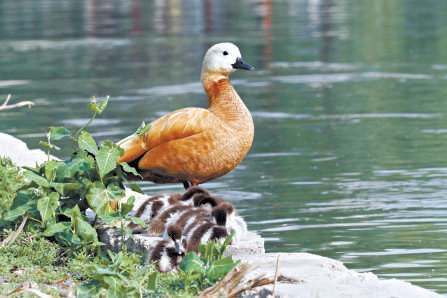
高原精灵赤麻鸭“安家”首钢园
Bei Jing Ri Bao Ke Hu Duan· 2025-06-02 21:17
Core Points - The Beijing protected species, the red-crowned crane, has successfully bred in Shijingshan District's Shougang Park, with 10 ducklings hatched this year [2] - The red-crowned crane is known for its selective nesting habits, typically choosing cliff caves or tree holes near water bodies [2] - The presence of red-crowned cranes in Shougang Park began last year, with two pairs now breeding in the area [2] - The local community has actively participated in protecting the newly hatched ducklings, creating a supportive environment for their growth [2] Wildlife Habitat - Shougang Park has become a significant habitat for various migratory bird species, with sightings of species such as the dark green warbler and the common redstart during the spring migration [3] - The industrial site of Shougang provides suitable living spaces for urban wildlife, including species like the northern redstart and marsh tit [3] - A comprehensive bird species list was published by the Shijingshan District, documenting 242 bird species, including five national first-class protected species [3] - The list includes 34 national second-class protected species and 73 key protected species in Beijing, highlighting the area's biodiversity [3] Conservation Efforts - The Shijingshan District Garden and Greening Bureau advises visitors to adhere to principles of non-disturbance, non-feeding, and non-interference with wildlife [3] - Observers are encouraged to maintain a safe distance to ensure the stability of the birds' living environment [3]