
非法集资

Search documents
黄金高杠杆、预定价交易遭严打!深圳十部门联合划定监管“红线”
Jing Ji Guan Cha Bao· 2026-02-13 13:49
Core Viewpoint - The Shenzhen government has issued a regulatory notice to curb illegal activities in the booming gold market, particularly focusing on high-leverage and pre-priced trading practices that have proliferated amid rising gold prices [1]. Group 1: Regulatory Measures - The notice outlines six prohibited activities for enterprises, targeting illegal pre-priced trading, leveraged trading, and deferred trading as key areas for rectification [2]. - Enterprises are explicitly banned from using internet platforms to conduct gold transactions without actual physical delivery, including practices like collecting deposits to lock in prices [2]. - The notice prohibits companies from promising fixed returns under the guise of gold custody, leasing, or repurchase, and from engaging in unauthorized gold investment activities [2]. Group 2: Advertising and Conduct Standards - Strict requirements are set for advertising, including prohibitions on misleading claims about gold prices and investment returns, as well as the use of exaggerated language [3]. - Companies are not allowed to misrepresent their affiliation with the Shanghai Gold Exchange or engage in deceptive marketing practices [3]. - The notice also bans the development and sale of illegal gold trading software and applications, as well as the provision of technical support for such activities [3]. Group 3: Individual Investor Guidelines - Individual investors are warned against participating in illegal gold trading activities, including pre-priced trading and unauthorized investment schemes [4]. - The notice emphasizes that individuals must not develop or sell illegal trading software or provide support for such applications [4]. Group 4: Financial Institutions and Payment Services - Financial institutions are required to obtain proper approvals before engaging in gold business and must adhere to reporting regulations for large and suspicious transactions [4]. - The notice warns that financial institutions and non-bank payment service providers must not facilitate illegal gold activities or provide services to unlicensed entities [4]. Group 5: Warning Against Illegal Activities - The Shenzhen government has previously issued warnings about illegal financial activities in the gold sector, highlighting the risks associated with fraudulent schemes disguised as gold transactions [5]. - Specific cases of illegal activities have been documented, illustrating how some businesses lure consumers into fraudulent contracts under the pretense of gold investment [6][7].
深圳地方监管出手,黄金预定价、杠杆、延期等交易都不能做了
Di Yi Cai Jing Zi Xun· 2026-02-13 04:34
Core Viewpoint - The Shenzhen Municipal Bureau of Local Financial Management issued a public notice on February 13, 2026, prohibiting illegal gold trading activities, including gold pricing transactions, leveraged trading, and deferred trading, which have been linked to fraudulent fundraising practices [3][4]. Group 1: Regulatory Actions - The notice explicitly states that enterprises are not allowed to engage in illegal gold pricing transactions, leveraged trading, and deferred trading through various online platforms, including WeChat groups and apps [4][6]. - The regulatory body has identified that some gold trading businesses have been operating under the guise of physical gold transactions while actually engaging in futures-like trading activities [4][6]. - The recent increase in gold price volatility has led to the exposure of risks associated with these trading models, prompting a stricter regulatory approach [3][6]. Group 2: Market Practices - Some gold pricing platforms have faced significant repayment difficulties, with reports indicating that the Jie Wo Rui platform has encountered large-scale repayment issues related to gold pricing transactions [3][5]. - The pre-pricing trading mechanism allows investors to lock in gold prices with a small deposit, leading to high leverage trading, which has attracted many inexperienced investors [5][6]. - The practice of using social media to create a false trading atmosphere has been noted, where platforms lure ordinary investors into high-risk trading activities [3][5]. Group 3: Legal Implications - The regulatory notice marks a clear distinction in the classification of these trading activities, indicating a shift towards recognizing their illegal nature [6][7]. - Legal experts predict that regulatory measures will focus on administrative actions against businesses engaging in pre-pricing and financing activities related to precious metals [7]. - Criminal penalties may be imposed on entities that operate with the intent to defraud investors, particularly those that cause significant financial losses or public unrest [7].


深圳地方监管出手,黄金预定价、杠杆、延期等交易都不能做了
第一财经· 2026-02-13 04:27
Core Viewpoint - The Shenzhen Municipal Financial Management Bureau has issued a public notice to further regulate illegal gold trading activities, specifically targeting gold pre-pricing transactions, leveraged trading, and deferred trading, which have been linked to fraudulent investment schemes [3][6][9]. Group 1: Regulatory Actions - The notice explicitly prohibits enterprises from engaging in illegal gold pre-pricing transactions, leveraged trading, and deferred trading, which are often disguised as legitimate gold trading activities [6][9]. - The regulatory body has identified that some gold trading platforms have been operating under the guise of "physical gold transactions" while actually conducting futures-like trading, leading to significant risks for investors [4][9]. - Recent market volatility in gold prices has accelerated the exposure of risks associated with these trading models, prompting a stricter regulatory approach [4][10]. Group 2: Market Practices and Risks - Some gold trading platforms have allowed investors to participate in high-leverage trading with as little as a 2.4% deposit, creating a false sense of security and attracting inexperienced investors [3][6]. - The pre-pricing trading mechanism allows investors to speculate on gold prices without actual physical delivery, which has led to significant financial exposure and risks for both investors and platforms [6][7]. - Recent reports indicate that several gold pre-pricing platforms have faced difficulties in fulfilling payment obligations, with one platform reportedly involved in a crisis affecting over 10 billion yuan [3][7]. Group 3: Legal and Administrative Measures - The regulatory framework will focus on two main areas: pre-pricing business (futures-like activities) and financing activities based on gold, both of which exhibit strong financial characteristics [10]. - Violations of these regulations may result in the revocation of business licenses and administrative penalties for responsible parties, with potential criminal charges for entities engaging in fraudulent practices [10][11]. - The distinction between legitimate physical gold transactions and financial instruments will be crucial in determining the legality of various business operations in the gold market [10].

深圳地方监管出手规范,黄金预定价、杠杆、延期等交易都不能做了!
Di Yi Cai Jing Zi Xun· 2026-02-13 04:07
Core Viewpoint - The Shenzhen Municipal Financial Management Bureau has issued a public notice prohibiting illegal gold trading activities, including gold price reservation trading, leveraged trading, and deferred trading, as well as illegal fundraising activities disguised as gold custody, leasing, and repurchase with promises of fixed returns [1][2][3] Group 1: Regulatory Actions - The notice explicitly states that enterprises are not allowed to engage in illegal gold trading activities through various online platforms, including WeChat groups and apps, under the guise of gold recovery and price reservation [2][3] - The regulatory body has clarified the illegal nature of these activities, marking a shift towards stricter oversight of gold price reservation trading and related financial activities [5][6] Group 2: Market Practices - Some gold traders in Shenzhen have been found to operate under the pretense of gold trading while actually engaging in futures-like price reservation trading, allowing investors to lock in gold prices with minimal deposits [2][5] - The recent volatility in gold prices has exposed significant risks associated with these trading models, leading to difficulties in repayment for several gold price reservation platforms [1][3] Group 3: Legal Implications - The regulatory framework will focus on two main areas: price reservation trading (futures-like activities) and financing activities based on gold, both of which exhibit strong financial characteristics [6] - Violations of these regulations may result in the revocation of business licenses and administrative penalties for responsible parties, with potential criminal charges for entities engaging in fraudulent practices [6]
深圳出手!不得违规开展黄金预定价交易!
证券时报· 2026-02-13 03:20
Core Viewpoint - The article discusses the regulatory measures introduced by Shenzhen's financial authorities to standardize the gold market operations, mitigate market risks, protect consumer rights, and promote healthy market development [1]. Group 1: Prohibited Activities for Corporate Gold Business - The guidelines outline six prohibited activities for corporate gold businesses, including engaging in illegal gold trading activities such as pre-priced transactions, leveraged trading, and deferred transactions through internet platforms [3]. - Companies are prohibited from conducting illegal fundraising activities under the guise of gold custody, leasing, or repurchase that promise fixed returns [4]. - Engaging in unauthorized gold investment activities, such as misleading consumers into purchasing physical gold without actual delivery, is also banned [5]. - Companies must not use internet live streaming or other channels to illegally promote gold products or develop illegal trading software [5]. - Misrepresentation of membership in the Shanghai Gold Exchange or making misleading commercial claims is strictly forbidden [5]. - The use of non-precious metals to impersonate pure gold and other deceptive practices is prohibited [6]. Group 2: Prohibited Activities for Personal Gold Business - The guidelines specify two prohibited activities for personal gold businesses: participation in illegal gold pre-priced transactions and illegal fundraising or investment activities [8]. - Individuals are not allowed to develop or sell illegal gold trading software or provide support for such activities, but qualified investors can participate in gold ETFs and futures through legitimate channels [8]. Group 3: Prohibited Activities for Financial Institutions and Non-Bank Payment Institutions - Financial institutions are prohibited from conducting gold business without proper regulatory approval and must adhere to reporting requirements for large and suspicious transactions [10]. - These institutions must not provide services to merchants engaged in illegal operations or promote illegal gold activities [10]. Group 4: Legal Consequences - The article emphasizes that violations of these regulations may lead to legal consequences, including charges of illegal business operations, fraud, and money laundering, with potential criminal prosecution [11].

深圳市地方金融管理局发布进一步规范黄金市场经营行为的公开提示
Hua Er Jie Jian Wen· 2026-02-13 02:06
Core Viewpoint - The articles highlight the prohibition of illegal gold trading activities, including pre-pricing, leveraged trading, and deferred trading, emphasizing the need for compliance in the gold market [1] Group 1: Prohibited Activities - Enterprises are not allowed to engage in illegal gold pre-pricing transactions, leveraged trading, or deferred trading through internet platforms under the guise of gold recycling and pre-pricing sales [1] - Companies must refrain from conducting illegal fundraising activities that promise fixed returns under the guise of gold custody, leasing, or repurchase [1] - Enterprises are prohibited from misleading consumers into purchasing physical gold while promoting illegal gold investment activities without actual delivery of the gold [1] Group 2: Individual Participation - Individuals are not permitted to organize or participate in illegal gold pre-pricing transactions, illegal fundraising under the name of gold, or any form of illegal gold investment activities [1]
买白酒送“原始股”?新三板居易文化“A+H股上市”揭秘|拆解股市骗局
Sou Hu Cai Jing· 2026-02-11 23:41
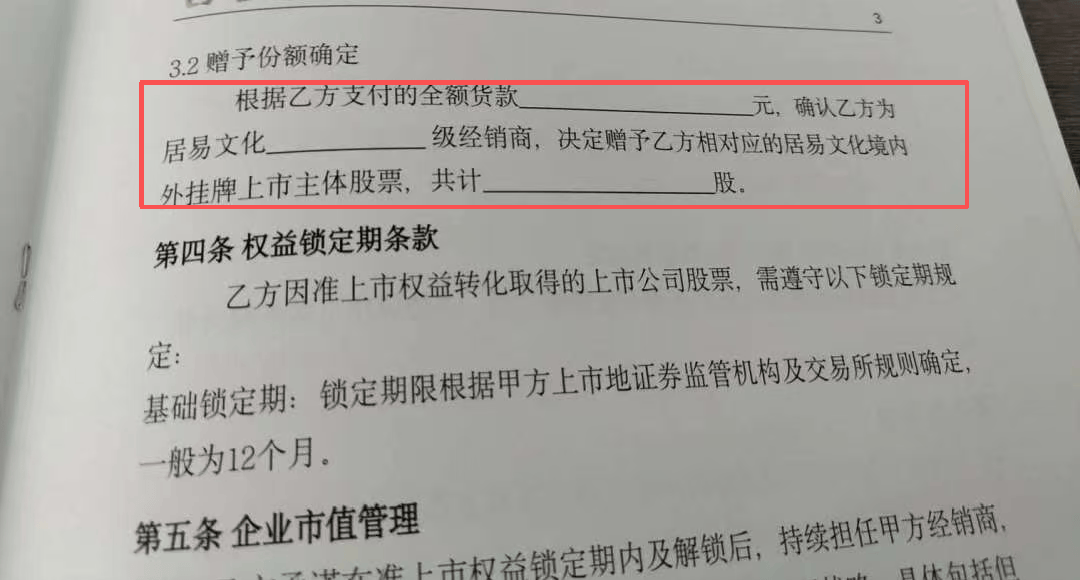
来源:智通财经 "公司即将登陆港交所,1块钱的'原始股'上市就翻50倍!" "承诺8%固定股息,三年后回购,保本保息!" 资本市场非法发行证券行为乱象丛生。小艾(化名)向智通财经记者讲述了自己父亲近期遇到的认购原始股骗局。 "最开始我爸只是在一个'先锋商学院'的群里跟着一位叫周聪的人学炒股,因为头几个月的确赚了两三万,我爸很信任这个人。"小艾感叹,"骗局总是这 样:先推荐你股票、带你炒股赚钱,几个月下来筛选出容易被骗的群体,得到你的信任后就告诉你有一家公司要上市,现在可以购买原始股,上市后能赚 很多倍。" "但原始股也不是想买就能买到的,你得先买他家的白酒到一定额度,才会送你同等价值的原始股。公司会给你寄一个合同,看起来很正规,而且会拉你 进群,每天更新这个公司的排队上市进展。" (图片源自网友提供) (图片源自网友提供) "跟着这位老师,我爸去年花了几万块钱认购了一款名为'居易白酒'的产品,炒股的老师对我爸说,这款酒背后的厂商——居易文化今年(2026年)4月就 会上市。"小艾提到。 白居易文化产业集团官网显示,2024年5月30日,集团董事长肖正君与盈科证券董事邓智仁在深圳签约、确定赴港上市全方位合作;2 ...
昔日广州首富梦碎:张劲领刑无期,雪松控股百亿非法集资帝国崩塌
Guan Cha Zhe Wang· 2026-02-11 10:11
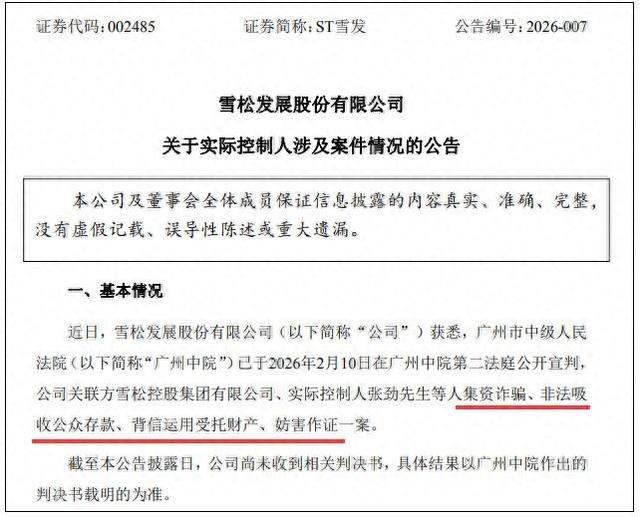
1971年生于广州的他,拥有深圳大学本科、香港理工大学研究生学历,1997年4月创立君华集团有限公 司,这便是雪松实业的前身,也为后来雪松控股的崛起埋下伏笔。2015年,君华集团重组成雪松控股, 张劲提出了雄心勃勃的"三个万亿"目标——未来五年实现万亿销售额、万亿资产和万亿市值。为实现这 一目标,雪松控股开启了疯狂的扩张之路,先后收购齐翔腾达、雪松发展、中江信托等企业,业务版图 不断扩大。 【文/羽扇观金工作室 李丕】 2月10日,广州市中级人民法院的一纸宣判,为雪松控股集团有限公司及其实控人张劲长达数年的非法 金融运作画上了句号。 据雪松发展股份有限公司公告,广州市中级人民法院已于2026年2月10日在广州中院第二法庭公开宣 判,公司关联方雪松控股集团有限公司、实际控制人张劲先生等人集资诈骗、非法吸收公众存款、背信 运用受托财产、妨害作证一案。 据《财新》根据庭审现场消息,张劲这位曾登顶"广州首富"、打造出世界500强企业的资本玩家,被判 处无期徒刑,雪松控股被判处罚金11亿元。这场牵涉近8000名投资者、数百亿元资金的金融骗局,最终 以核心人物锒铛入狱落幕。而从意气风发的 "万亿目标" 到非法集资暴雷,雪 ...
又一家老牌企业暴雷!上百亿资产被套牢,十几万家庭亏得血本无归
Sou Hu Cai Jing· 2026-02-10 13:42
深圳水贝黄金市场本是全国最大集散地,杰我睿珠宝公司从2014年起步,专注黄金原料批发回收。起初 业务简单,上游买金下游卖料,积累点口碑。 2025年国际金价涨势凶猛,公司顺势推线上小程序,卖点是低工费回收和预定价交易。用户充值买金条 或寄料换钱,图个方便。 平台注册用户蹿到15万,许多人把养老钱教育金扔进去,觉得水贝老字号靠谱。张志腾作为老板,常在 小红书直播,讲金价走势,秀金链子,拉人入群。 实际操作中,资金直奔私人账户,没进监管池子。 业务转向高杠杆对赌,用户下单买涨买空,平台自设盘口,没真实库存垫底。40倍杠杆一玩,风险放 大,用户赢了平台赔,赔多了就扛不住。 1月25日,平台甩出兑付方案,本金2折一笔付清,或4折分12期,寄售金银不算在内。用户火大,拒签 叫不公。次日,上百人从各地冲到水贝金座大厦,围门店要钱。 孕妇情绪崩,坐地哭喊70万没了,子女455万泡汤。警方拉警戒线,维持秩序,人群分流到罗湖体育 馆。馆内冲突起,推挤伤人。 1月27日,更多受害者赶来,维权升级。警方隔离人群,投资者递呈报书,初步统计未结算2.46亿,但 整体传超百亿。张志腾直播认现金短缺,没提全额赔。 2025年下半年,白银金 ...
案例警示|房产开发是幌子 某实业公司非法集资千万元
Xin Lang Cai Jing· 2026-02-10 12:39
(来源:宁夏金融工作) 近年来,有不法分子以房地产开发建设为名实施非法集资活动。他们通过成立相关公司,利用群众对房 地产领域的认知错觉进行包装宣传,以按期归还本金并支付高额利息为诱饵,向社会公众募集资金。此 类行为扰乱金融秩序,极易造成群众本金难以收回的财产损失,广大公众应切实提高风险意识,切勿轻 信 "高息" 保本的虚假承诺。 案件情况 2014年5月份,张某指派赵某、尹某等人成立某实业公司。张某为幕后老板,赵某为前期法人,尹某为 后期法人,以周口市某小区开发建设为由吸收存款,承诺一定期限内归还本金和高额利息。经会计师事 务所审计:2014年6月至7月,某实业公司向社会公众吸收存款84户,合同金额为2174万元,实缴金额 1306.78万元,已付利息金额270.21万元。案发后,对集资参与人进行了部分兑付。截至2021年7月,尚 有421.78万元未兑付。 法院经审理认为,张某伙同他人非法吸收公众存款,扰乱金融秩序,数额巨大,其行为已构成非法吸收 公众存款罪。张某在共同犯罪中起主要作用,是主犯;自愿认罪,大部分非法吸收的公众存款已退赔, 依法予以从轻处罚。结合本案犯罪情节,依法判处张某犯非法吸收公众存款罪, ...