高杠杆投资

Search documents
独家|多人爆仓!高杠杆、假收益、“托儿”全上场,水贝黄金预定价交易是这样的危险赌局
Di Yi Cai Jing· 2025-10-10 05:42
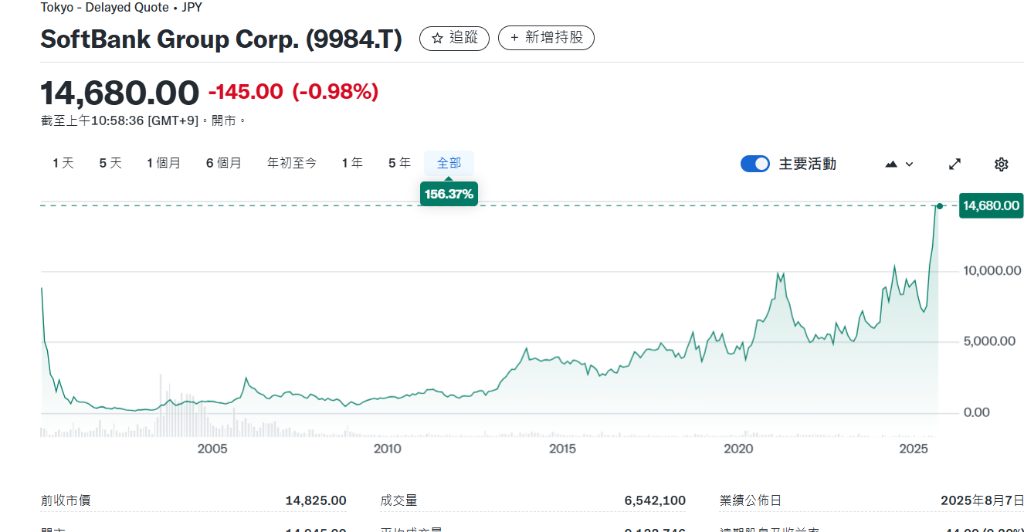
Core Insights - The article highlights the risks associated with gold pre-pricing trading platforms, particularly the high leverage and lack of effective risk management, leading to significant losses for retail investors [1][2][3] Group 1: Market Dynamics - The gold price has surged, with London gold reaching $3985 per ounce, marking an increase of over 50% year-to-date, which has exacerbated the risks in pre-pricing trading [2][3] - Retail investors are drawn to platforms offering low entry costs, such as a minimum deposit of 20 yuan to control nearly 1,000 yuan worth of gold, creating a high-leverage environment [1][2][3] Group 2: Investor Experiences - Investors like Wang Hua and Hu Rong experienced significant losses due to high leverage and market volatility, with Hu Rong's losses escalating from an initial investment of 20,000 yuan to a debt of 50,000 yuan in under two months [3][4] - The trading model allows for both "buying up" and "selling down," requiring only a deposit of 2% to 3% of the gold price, which can lead to rapid liquidation of positions during price fluctuations [4][11] Group 3: Risk Factors - Many platforms lack adequate risk management and may not perform necessary hedging, leading to a situation where retail investors are essentially gambling against the platform [2][16] - The absence of regulatory oversight means that platforms can operate with significant opacity, raising concerns about their financial practices and the potential for fraud [17][19] Group 4: Marketing Strategies - Platforms employ aggressive marketing tactics, including social media promotions and the use of "shills" in trading groups to create a false sense of profitability and urgency among potential investors [12][14] - The structure of these platforms often incentivizes sales personnel with high commissions for attracting new clients, further entrenching the risky trading culture [15]

孙正义,又“一把翻身”了
3 6 Ke· 2025-08-14 02:50
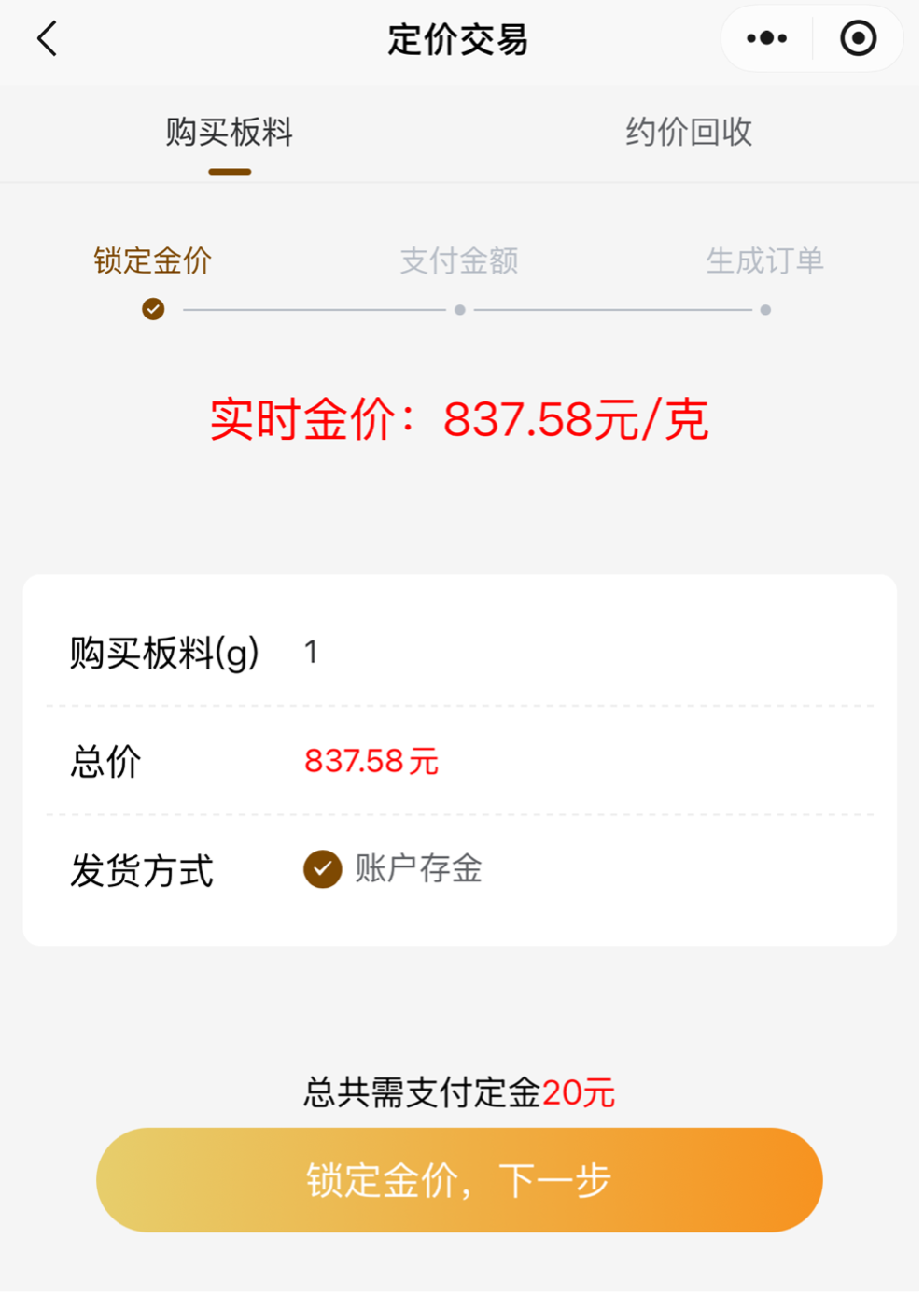
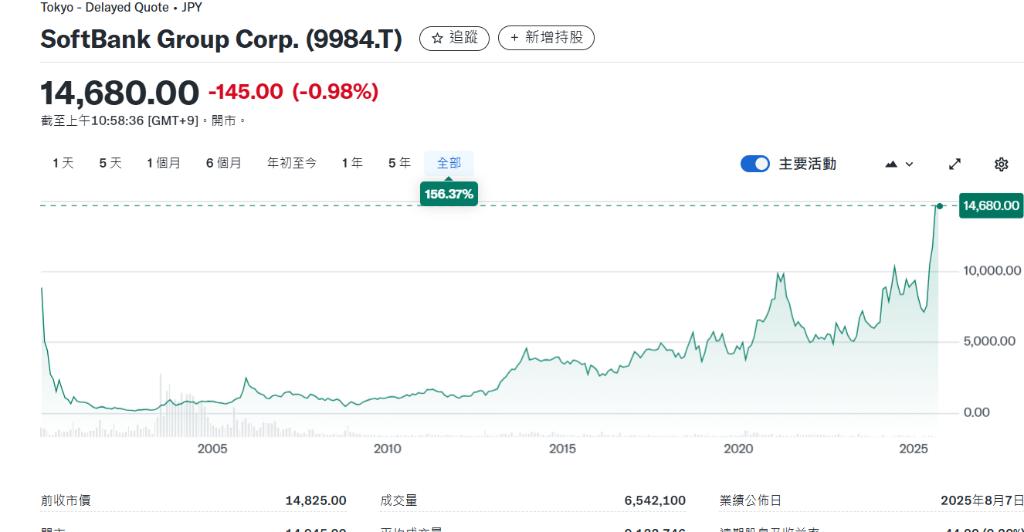
Core Insights - SoftBank's Vision Fund 2 has incurred a staggering loss of $22 billion, yet the valuation surge of OpenAI has propelled SoftBank's stock to a record high, showcasing Masayoshi Son's ability to recover from crises [1][2][4] Investment Performance - SoftBank's stock reached a historical high of 14,825 yen, with a market capitalization of $146 billion, reflecting a 75% increase this year, largely attributed to its investment in OpenAI [1] - The valuation of OpenAI has soared to $500 billion, effectively doubling SoftBank's previous investment value of $9.7 billion, which is crucial for offsetting the losses from Vision Fund 2 [2] Investment Strategy - Vision Fund 2 has performed poorly since its inception in 2019, with losses amounting to $22 billion across investments in 280 companies, representing nearly one-third of its capital [4] - SoftBank's investment in OpenAI employs a high-leverage strategy, involving complex financial maneuvers, including borrowing from various sources to acquire shares [4] - An additional investment of $22.5 billion in OpenAI is anticipated by year-end, potentially increasing SoftBank's stake to 12% if the deal is finalized [4] Governance Concerns - Unlike the first Vision Fund, Vision Fund 2 lacks external investors, leading to Masayoshi Son holding 17.25% of the fund, which ties his personal wealth closely to its performance [5] - Concerns have been raised regarding corporate governance, as Son's personal stake may diminish potential returns for SoftBank's shareholders [5] Concentration Risk - The substantial investment in OpenAI could account for 34% of Vision Fund 2's total size, raising alarms about high concentration risk reminiscent of past failures, such as the WeWork investment [6] - Despite the current positive outlook for the investment, there are warnings that it could end in a similar disaster as previous high-stakes bets [6]

孙正义,又“一把翻身”了
华尔街见闻· 2025-08-13 10:11
Core Insights - SoftBank's Vision Fund 2 has incurred a staggering loss of $22 billion, yet the soaring valuation of OpenAI has propelled SoftBank's stock to new heights, showcasing Masayoshi Son's ability to recover from crises [1][3]. Group 1: SoftBank's Stock Performance - On Tuesday, SoftBank's stock reached a historic high of 14,825 yen, with a market capitalization of $146 billion, reflecting a cumulative increase of approximately 75% this year, largely attributed to Son's investment in OpenAI [2]. - The valuation of OpenAI has surged to $500 billion, effectively doubling its recent valuation, which significantly enhances SoftBank's previous investment value of $9.7 billion in OpenAI [2][3]. Group 2: Vision Fund 2 Performance - Vision Fund 2 has performed poorly since its inception in 2019, with cumulative losses of $22 billion across investments in 280 different companies, representing nearly one-third of its invested capital [5]. - The investment in OpenAI is expected to alter this negative trajectory, as SoftBank employed a high-leverage strategy to acquire shares in OpenAI [6]. Group 3: Investment Strategy and Risks - SoftBank's investment strategy involved complex financial maneuvers, including borrowing tens of billions from various sources, including Japanese banks and private equity firms like Apollo [6]. - An additional investment of $22.5 billion in OpenAI is anticipated by the end of the year, which, if completed, could result in SoftBank holding up to 12% of OpenAI [6][7]. - This investment could lead to potential profits before the funds are even deployed, contingent upon OpenAI's transition to a profit-generating structure [7]. Group 4: Governance and Concentration Risks - Unlike the first Vision Fund, Vision Fund 2 lacks external investors, with Son securing a 17.25% stake for himself, which ties his personal wealth closely to the fund's performance [8]. - Concerns have been raised regarding corporate governance, as Son's personal stake may diminish potential returns for SoftBank's shareholders [9]. - The concentration of investment in OpenAI could account for 34% of Vision Fund 2's total size, reminiscent of past failures like the WeWork investment, raising alarms about risk concentration [10].
豪赌OpenAI,孙正义又“一把翻身”了
Hua Er Jie Jian Wen· 2025-08-13 05:04
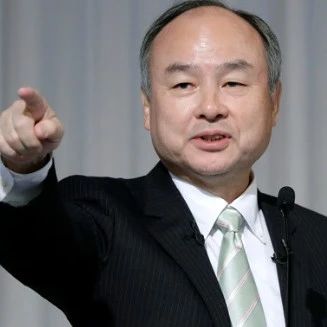
Core Insights - SoftBank's Vision Fund 2 has incurred a staggering loss of $22 billion, yet the soaring valuation of OpenAI has propelled SoftBank's stock to a record high, showcasing Masayoshi Son's ability to recover from crises [1][2][4] Investment Performance - The Vision Fund 2, launched in 2019, has lost $22 billion across investments in 280 companies, representing nearly one-third of its invested capital [4] - OpenAI's valuation has surged to $500 billion, nearly doubling SoftBank's previous investment value of $9.7 billion, which is crucial for offsetting the losses from Vision Fund 2 [2][4] Investment Strategy - SoftBank employed a high-leverage strategy for its investment in OpenAI, borrowing billions from various sources, including Japanese banks and private lenders like Apollo [4] - An additional investment of $22.5 billion in OpenAI is anticipated by the end of the year, potentially increasing SoftBank's stake to 12% if the deal is completed [4] Governance Concerns - Unlike the first Vision Fund, the second fund lacks external investors, leading to Masayoshi Son holding 17.25% of the fund, which ties his personal wealth closely to its performance [5] - Concerns have been raised regarding corporate governance, as Son's personal stake may diminish potential returns for SoftBank's shareholders [5] Concentration Risk - The potential additional investment in OpenAI could account for 34% of the total size of Vision Fund 2, raising alarms about high concentration risk reminiscent of past failures like the WeWork investment [6][7]