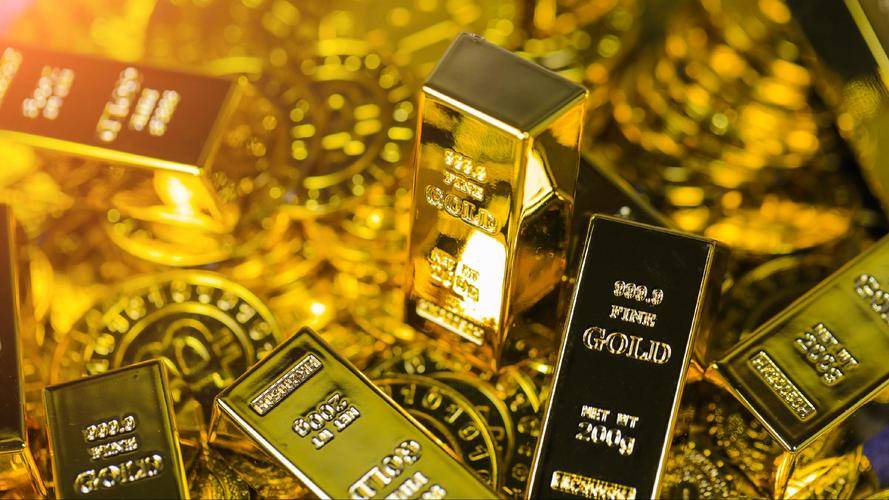
黄金避险资产属性

Search documents
超四成受访央行计划未来一年内增持黄金 短期金价仍将高位运行
Zheng Quan Ri Bao Wang· 2025-06-18 13:41
Group 1 - The core finding of the World Gold Council's survey indicates that over 95% of central banks expect to increase their gold reserves in the next 12 months, marking the highest level since the survey began in 2019 and a 17 percentage point increase from 2024 [1] - The survey collected responses from 73 central banks, the highest participation rate to date, with nearly 43% planning to increase their gold reserves within the next year [1] - China's gold reserves have increased to 7.383 million ounces as of May 2025, up by 6,000 ounces from April, continuing a seven-month trend of increasing reserves [1] Group 2 - Recent geopolitical tensions and weak U.S. economic data have driven a surge in gold prices, with a 3.74% increase observed in the week from June 9 to June 13 [2] - The main motivations for central banks to hold gold have shifted to its long-term value storage (80%), portfolio diversification (81%), and performance during crises (85%) [2] - Despite the positive outlook from central banks, some analysts, like Citigroup, predict a decline in gold prices due to decreasing demand and potential interest rate cuts by the Federal Reserve, forecasting prices to drop below $3,000 per ounce in the coming quarters [2] Group 3 - Short-term expectations for gold prices remain high due to ongoing geopolitical tensions and a potential softening of the Federal Reserve's stance on interest rates, which could support gold prices [3] - Long-term factors influencing gold prices include the stability of credit currencies like the U.S. dollar, with a weakening dollar expected to support gold's value [3] - While the trend for gold prices is upward, the pace of increase may slow down, and short-term fluctuations could lead to price adjustments [3]
大胆预测!明年,金价会暴涨 2500,还是暴跌 500?数据不会说谎!
Sou Hu Cai Jing· 2025-05-08 08:18
Core Viewpoint - The recent surge in gold prices has sparked intense discussions about future price movements, with predictions ranging from a rise of 2000 RMB per gram to a drop of 500 RMB per gram [1] Group 1: International Gold Market Trends - The long-term trend of international gold prices has been upward, driven by global economic uncertainties that make gold a preferred safe-haven asset [3] - Central banks have been significant players in the gold market, with record-high purchases aimed at enhancing financial stability and responding to global economic conditions [3][5] Group 2: Domestic Gold Price Predictions - Some analysts predict that by early 2026, gold prices could reach 4500 USD per ounce, translating to approximately 2500 RMB per gram in the domestic market [5][9] - Current domestic gold prices hover around 1000 RMB per gram, indicating a substantial gap from the predicted target of 2000 RMB per gram [5][11] Group 3: Market Sensitivity and Influencing Factors - Short-term fluctuations in gold prices are highly sensitive to market sentiment and policy changes, which can lead to significant price volatility [7] - The ongoing geopolitical tensions and uncertain U.S. economic policies continue to bolster gold's appeal as a safe-haven asset [7][9] Group 4: Long-term Price Stability - Predictions suggest that by 2026, domestic gold prices will likely stabilize around 1500 RMB per gram, reflecting moderate adjustments in line with international gold prices [11] - The trend of de-dollarization and sustained central bank demand for gold are expected to support long-term price stability [9][11]

买黄金时只需带一根针,真假黄金立马“现原形”,学会受用一生,涨知识了
Sou Hu Cai Jing· 2025-04-27 21:56
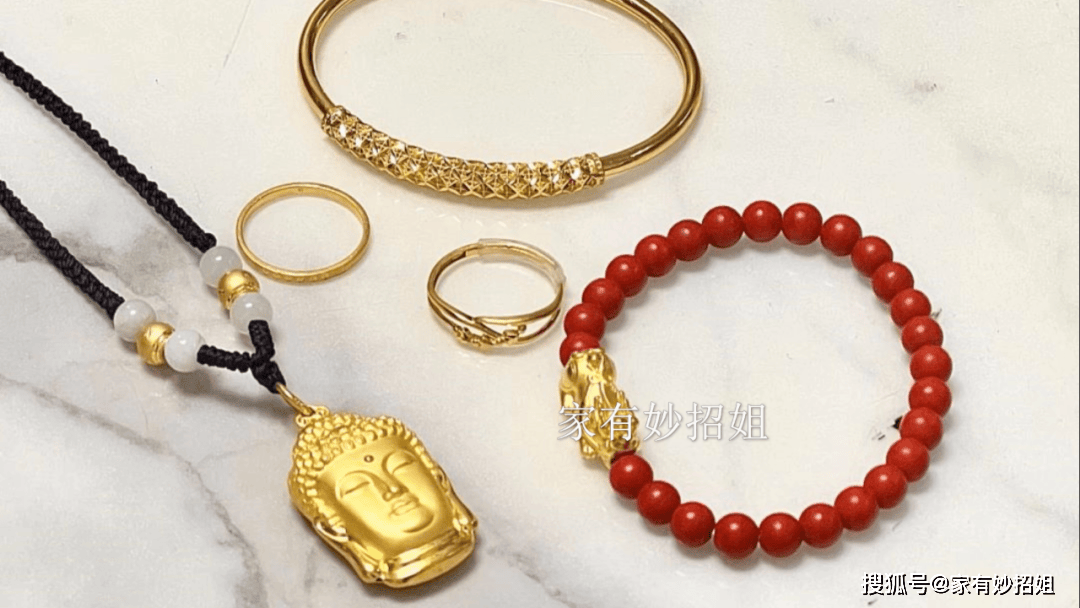
Core Viewpoint - The article emphasizes the importance of identifying genuine gold amidst rising gold prices and the prevalence of counterfeit products in the market. It provides several methods for consumers to distinguish real gold from fake alternatives. Group 1: Identification Methods - Method 1: Look for the hallmark. All gold jewelry must have a hallmark indicating its material and purity. Different purities have distinct hallmarks, such as Au999 for 99.9% gold, Au750 for 75% gold, and Au585 for 58.5% gold. Markings like 18KRGP indicate gold-plated items with low gold content [3][6]. - Method 2: Use a magnet. Gold is non-magnetic, so using a magnet can help identify counterfeit items that may contain magnetic metals like iron or nickel. If the item is attracted to the magnet, it is likely fake [5][6]. - Method 3: Scratch test with a needle. Gold is soft and can be scratched easily, leaving a gold-colored mark. If a needle glides smoothly and leaves a gold mark, it is genuine; if not, it may be a fake [8][13]. - Method 4: Density test. Gold has a high density of approximately 19.3 g/cm³. By measuring the weight and volume of the gold item, one can calculate its density. A significantly lower density suggests it may be counterfeit [10][11]. - Method 5: Ceramic scratch test. Using an unglazed ceramic surface, scratching the gold should leave a gold mark. If the mark is black or gray, the item is likely not genuine [13].
实探金价巨震下的深圳水贝:金条很“抢手”
Zheng Quan Shi Bao· 2025-04-25 15:08
Group 1 - Recent fluctuations in gold prices have led to increased demand for gold bars, particularly smaller ones, as retail customers respond to price changes [1][2] - The price of gold has dropped below 800 yuan per gram, with a decrease of nearly 40 yuan per gram from its peak, prompting customers to purchase small gold bars [1] - Larger gold bars are reportedly out of stock, indicating a surge in demand that may exceed current inventory levels [1] Group 2 - Consumer foot traffic in jewelry stores has decreased, with some expressing heightened risk awareness due to unexpected price movements [2] - Market sentiment may improve if gold prices stabilize or decline further, especially with the upcoming "May Day" holiday [2] - Analysts note that international gold prices are likely to experience increased volatility following recent highs, although gold retains its status as a safe-haven asset [2][3] Group 3 - The Shanghai Gold Exchange has adjusted margin levels and price fluctuation limits for various gold and silver contracts in response to market volatility [3] - The margin for gold contracts has been increased from 12% to 13%, and the fluctuation limit has been raised from 11% to 12% [3] - The exchange has urged members to enhance risk awareness and prepare emergency risk management plans to ensure market stability [3]
startrader:黄金涨到连土豪都剁手!“买黄金”变成“卖黄金”
Sou Hu Cai Jing· 2025-03-25 11:12
Core Viewpoint - The recent surge in gold prices, surpassing $3000 per ounce with a year-to-date increase of over 15%, has led to a significant shift in consumer behavior in Asia and the Middle East, where customers are now selling their gold rather than buying it [1][3]. Group 1: Market Dynamics - The ongoing trend of selling gold could potentially reduce gold imports in major markets, which may suppress the upward momentum of gold prices [3]. - In India's Zaveri Bazaar, a "scrap gold frenzy" is occurring, with individuals like textile merchant Unmesh Patel selling gold coins for a 25% profit, indicating a strong incentive to sell rather than hold [3]. - The price of gold in India has skyrocketed by 32% since the government reduced import taxes, reaching a historic high of 89,796 rupees per 10 grams [3]. Group 2: Consumer Behavior - The wedding season in India, typically a peak time for gold purchases, has transformed into a "trade-in season," with customers opting to exchange old gold for new items due to high prices [3]. - In the Middle East, even affluent consumers are hesitant to purchase gold, with a notable decline in demand, particularly among Indian tourists who previously shopped extensively in Dubai [4]. - In China, consumers are shifting from buying gold jewelry to investing in gold bars, reflecting a broader trend of prioritizing investment over consumption [4][5]. Group 3: Regional Insights - In Singapore, an influx of gold shops has emerged, with customers seeking to cash in on old gold jewelry, highlighting a shift in market dynamics [5]. - The overall sentiment in the gold market is described as "psychologically split," where gold as a cultural symbol is losing ground to consumer financial constraints, while its status as a safe-haven asset remains strong [5].