
新零售

Search documents
探路者涨2.09%,成交额1.98亿元,主力资金净流入1597.58万元
Xin Lang Cai Jing· 2025-12-22 03:57
Group 1 - The core viewpoint of the news is that Ternary has shown significant stock performance with a year-to-date increase of 53.74% and a recent uptick in trading activity, indicating positive market sentiment [1] - As of December 22, Ternary's stock price reached 10.76 CNY per share, with a total market capitalization of 9.509 billion CNY [1] - The company experienced a net inflow of main funds amounting to 15.976 million CNY, with large orders contributing significantly to the buying activity [1] Group 2 - Ternary Holdings Group Co., Ltd. was established on January 11, 1999, and went public on October 30, 2009, with its main business segments being outdoor products and semiconductor chips [2] - The revenue composition of Ternary includes outdoor clothing (63.31%), chip business (17.13%), outdoor footwear (13.29%), outdoor equipment (3.71%), and other services (2.56%) [2] - As of September 30, the number of shareholders decreased by 29.16% to 41,100, while the average circulating shares per person increased by 41.16% to 21,485 shares [2] Group 3 - Ternary has distributed a total of 5.09 billion CNY in dividends since its A-share listing, with cumulative distributions of 30.417 million CNY over the past three years [3]

广百股份涨2.55%,成交额4.29亿元,主力资金净流出1159.67万元
Xin Lang Zheng Quan· 2025-12-22 03:23
Core Viewpoint - Guangbai Co., Ltd. has shown a significant increase in stock price and trading activity, despite a decline in revenue and net profit for the year [1][2]. Group 1: Stock Performance - As of December 22, Guangbai's stock price increased by 2.55% to 8.45 CNY per share, with a trading volume of 4.29 billion CNY and a turnover rate of 7.46%, resulting in a total market capitalization of 59.23 billion CNY [1]. - Year-to-date, Guangbai's stock price has risen by 20.03%, with a 12.52% increase over the last five trading days, a 31.83% increase over the last 20 days, and a 25.93% increase over the last 60 days [1]. - The company has appeared on the trading leaderboard eight times this year, with the most recent appearance on December 16 [1]. Group 2: Financial Performance - For the period from January to September 2025, Guangbai reported a revenue of 2.787 billion CNY, a year-on-year decrease of 31.60%, and a net profit attributable to shareholders of -30.9974 million CNY, reflecting a year-on-year decrease of 159.01% [2]. - The number of shareholders as of September 30 was 34,300, a decrease of 14.47% from the previous period, while the average circulating shares per person increased by 16.92% to 15,079 shares [2]. Group 3: Shareholder and Dividend Information - Since its A-share listing, Guangbai has distributed a total of 1.358 billion CNY in dividends, with 49.2827 million CNY distributed over the last three years [3]. - As of September 30, 2025, the top ten circulating shareholders included Dazhong Jingheng Mixed A (090019) as the seventh largest shareholder, holding 4.8936 million shares as a new investor [3].

永辉超市跌2.08%,成交额12.66亿元,主力资金净流出4441.13万元
Xin Lang Cai Jing· 2025-12-22 01:54
Group 1 - The core point of the news is that Yonghui Supermarket's stock has experienced fluctuations, with a recent decline of 2.08% and a year-to-date drop of 11.04%, despite a notable increase of 40.65% over the past 20 days [1] - As of September 30, 2025, Yonghui Supermarket reported a revenue of 42.434 billion yuan, a year-on-year decrease of 22.21%, and a net profit attributable to shareholders of -710 million yuan, a significant decline of 811.60% [2] - The company has a market capitalization of 51.183 billion yuan and has seen significant trading activity, including a net inflow of 6.56 billion yuan on December 16, 2025 [1] Group 2 - Yonghui Supermarket's main business segments include food and daily necessities (56.78%), fresh and processed products (38.42%), other revenues (3.30%), and rental income (1.51%) [1] - The company has not distributed any dividends in the past three years, with a total payout of 7.101 billion yuan since its A-share listing [3] - As of September 30, 2025, the number of shareholders decreased by 14.02% to 309,400, while the average circulating shares per person increased by 16.30% to 29,332 shares [2]

广州设计师卖女装,年销30个亿
Xin Lang Cai Jing· 2025-12-22 01:20
Core Insights - In August 2023, Inman opened its new headquarters in Guangzhou, marking a significant milestone for the company founded by Fang Jianhua 27 years ago [2][31] - Inman, which initially thrived on Taobao, has evolved into a comprehensive new retail brand, moving beyond the "Double 11" sales concept [2][31] Group 1: Company Growth and Strategy - In 2024, Huimei Group's sales are projected to reach 3 billion yuan, with Inman contributing approximately 70%, equating to over 2 billion yuan from a single brand [5][33] - Fang Jianhua aims for Inman to achieve 10 billion yuan in sales within five years, while Huimei Group plans to restart its IPO process when the timing is right [5][34] - Inman has maintained its presence in the market while many early "Taobao brands" have faded away [5][34] Group 2: Retail Expansion - Inman has over 600 stores, with around 60 being directly operated, and is planning to increase the proportion of sales from offline channels from 20% to 40%-50% [9][42] - The company is cautious about its expansion pace, focusing on sales growth per store rather than just the number of new openings [9][42] - Inman is adopting a "zero franchise fee, zero inventory, zero soft decoration" model to alleviate inventory pressure for its partners [9][38] Group 3: Product Differentiation and Target Market - Inman has established a unique market position by emphasizing comfort and aesthetic appeal, with a focus on a relaxed style [15][44] - The brand targets women aged 25 to 40, including teachers, civil servants, healthcare workers, and refined mothers [19][48] - Inman collaborates with designers from renowned brands like Coach and Chanel to create exclusive products, aiming to develop a network of co-branded brands [19][48] Group 4: Multi-Brand Strategy and Financial Performance - After facing financial challenges with multiple brands, Huimei Group has streamlined its focus to three main brands: Inman, Chuyue, and Living on the Left [21][52] - The brand "Living on the Left" has shifted to a high-end market, focusing on traditional craftsmanship, while "Chuyue" has turned profitable after restructuring [21][53] - Huimei Group's IPO plans remain on hold, with a focus on improving financial performance before proceeding [21][58]

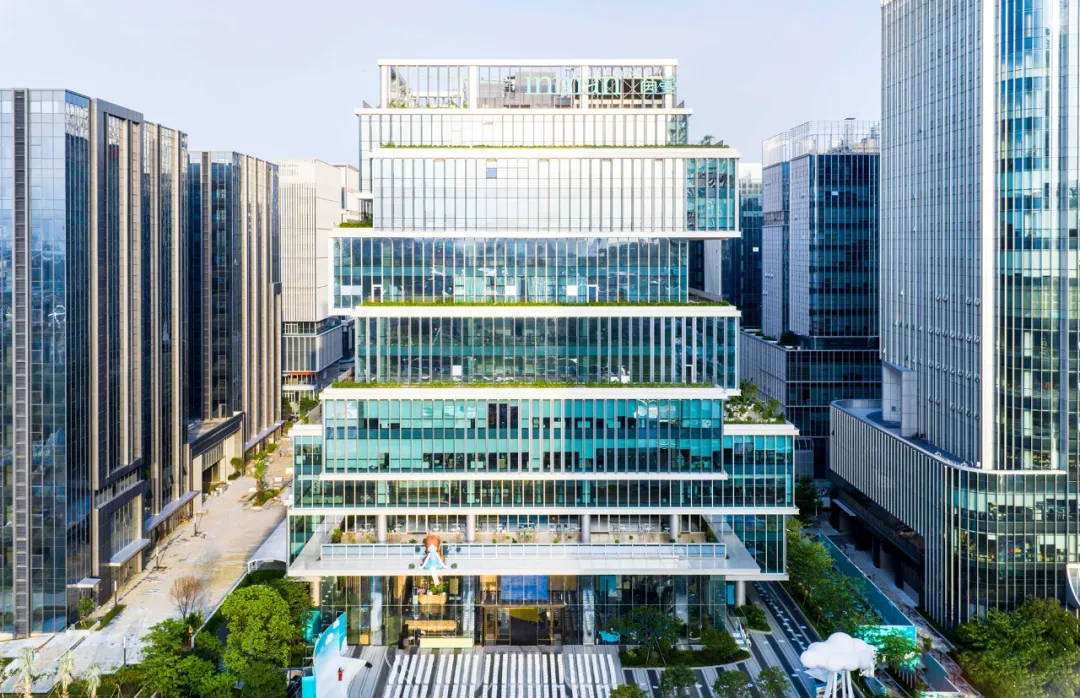
亦庄新城迎新零售标杆 盒马旧宫店开业首日客流破2万
Sou Hu Cai Jing· 2025-12-19 13:43
Core Insights - Hema Fresh officially opened its new store in Beijing's Yijuan New City on December 19, marking a significant expansion in the region and filling a gap in high-quality fresh food retail [1][5] - The store features an integrated "online + offline + instant delivery" model, quickly becoming a "fresh lifestyle center" for local residents [1][5] Store Details - The new store is located in Vanke Plaza, covering nearly 3,000 square meters and offering over 5,000 product varieties, including direct-sourced seafood, organic fruits and vegetables, baked goods, and private label items [3] - The store experienced a high customer turnout on its opening day, with over 20,000 visitors and long queues at the checkout [5] Product Highlights - Popular items included fresh salmon, live Boston lobsters, and organic strawberries, with Chilean cherries becoming a best-seller due to a 50% increase in production compared to the previous year, alongside reduced logistics costs [3][5] Market Strategy - Hema aims to leverage the dense population and significant consumer potential in the Jiukong Town area to promote a lifestyle centered around "freshness, convenience, and quality" [5] - The company has been expanding its presence in Beijing, establishing multiple stores in key areas and integrating into the Beijing-Tianjin-Hebei collaborative development framework [5] - Hema's "direct sourcing + order agriculture" model has led to the creation of several "Hema Villages" in the region, ensuring fresh and traceable products reach consumers while supporting rural industry upgrades and farmer income [5]
济南迎来第9家盒马鲜生 泉城新消费再添一子
Sou Hu Cai Jing· 2025-12-19 12:14
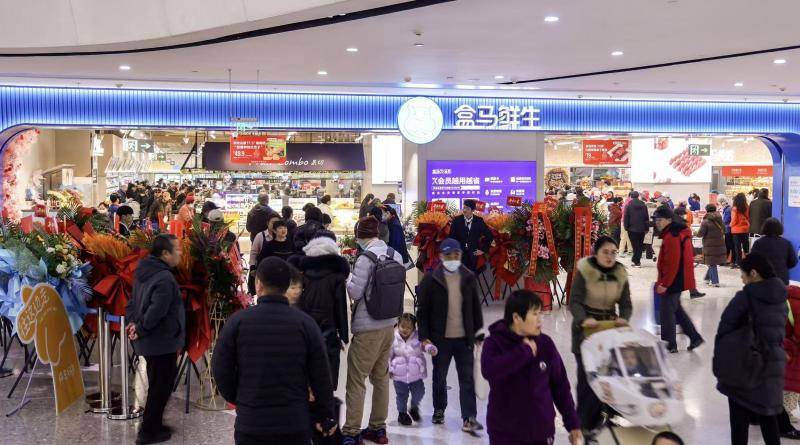
海报新闻记者 李金珊 报道 2025年12月19日,济南盒马鲜生世纪大道万达店正式开门迎客。这是济南第9家盒马鲜生。盒马山东区 域负责人王龙池表示:"山东是经济大省,也是消费大省,挑起了稳定经济的大梁。在今年陆续开店 中,我们充分感受到山东的市场活力和消费热情。济南是我们重要的战略机遇城市,我们将以更好的服 务满足市民需求。" 自2021年首店落户济南以来,盒马以"超市+餐饮+即时配送"三位一体的新零售模式迅速赢得市场青 睐。从经四路到花园路,从世贸广场到奥体国际城,从西客站新城到如今的东部产业聚集带,盒马的门 店已覆盖济南多个主要城区。 "济南作为山东省会城市,人口密集、消费力强、物流便捷,是我们持续加码投资的重要考量,仅今年 就新开了3家门店。过去一年,济南门店客流量稳定,客单价稳步提升,充分证明这座城市旺盛的消费 动能。盒马与济南,是双向奔赴。"王龙池表示。 不止是济南。2025年以来,盒马鲜生在山东进入了多个城市,覆盖青岛、烟台、临沂、淄博、菏泽等城 市。"山东是经济大省,也是人口大省,居民消费优化升级,蕴含着巨大增长空间。盒马鲜生通过选品 适应不同群体的实际需要,并通过高质量供给提高居民消费意愿,为 ...
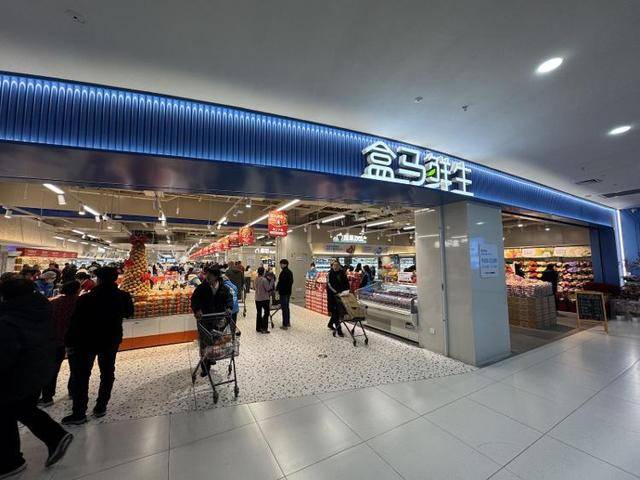
2026年中国食品饮料行业投资策略——捕捉细分渠道及品类增长
野村东方国际证券· 2025-12-19 10:03
Core Viewpoint - The retail sector is under pressure, with social retail sales growth slowing down and valuations in the food and beverage sector at a low point [2][3][10]. Group 1: Social Retail Sales and Consumer Price Index - Social retail sales growth has declined, with total retail sales in October 2025 increasing by 2.9% year-on-year, while the growth rates for dining and commodity retail sales were 1.1% and 4.0% respectively [3][6]. - The Consumer Price Index (CPI) turned positive in October 2025, following a decline in food prices, with food CPI down 2.9% year-on-year [3][10]. Group 2: Food and Beverage Sector Performance - The food and beverage sector is experiencing significant pressure, with the overall profit of the liquor sector down 23.9% year-on-year in Q3 2025, largely due to strict regulations impacting the industry [12]. - The beverage segment shows strong growth from leading companies, with soft drink revenue reaching 106.2 billion yuan, up 14.4% year-on-year, while the dairy sector faced challenges with a slight decline in revenue [13][14]. Group 3: Market Trends and Consumer Confidence - The online retail channel is growing faster than offline, with a 6.3% year-on-year increase in online sales as of October 2025, driven by food categories [16]. - Consumer confidence is gradually improving, with the consumer confidence index rising from 87.5 in January to 89.4 in October 2025, contributing significantly to GDP growth [18][21]. Group 4: Valuation and Investment Opportunities - The food and beverage sector is currently at a low valuation level, with a price-to-earnings ratio of approximately 21.4 times, placing it in the 10.9% percentile of the last decade [10][11]. - The sector's dividend rate has slightly decreased but still has room for improvement, with the overall dividend rate fluctuating between 60% and 73% from 2019 to 2023 [23].

利好!涨停潮
Zheng Quan Shi Bao· 2025-12-19 05:41
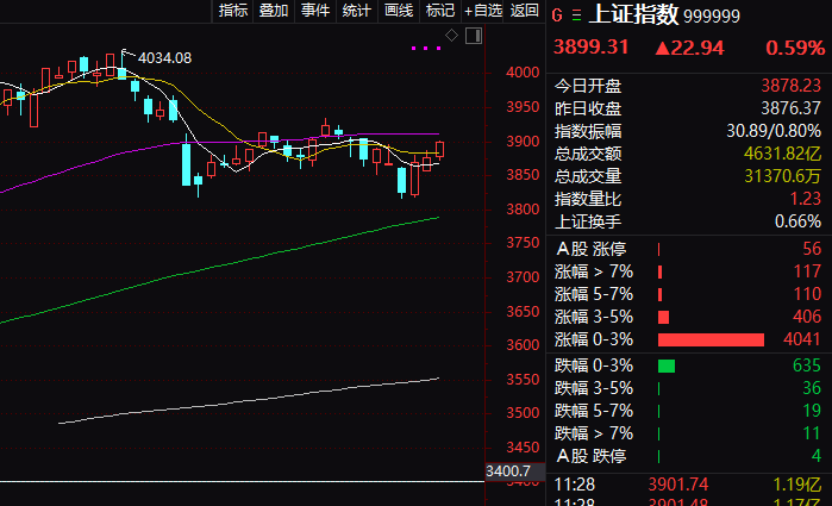
Core Viewpoint - The consumer sector in the A-share market experienced a significant surge, with major indices rising and a notable increase in stock prices within the retail sector on December 19, 2023 [1][2][4]. Group 1: Market Performance - The A-share market showed an overall upward trend, with the Shanghai Composite Index closing at 3899.31 points, up 0.59%, and briefly surpassing 3900 points during the session [2]. - Other major indices also saw gains, with the Shenzhen Component Index rising by 0.93%, the ChiNext Index increasing by 0.99%, and the STAR Market 50 Index up by 0.69% [2]. Group 2: Retail Sector Highlights - The retail sector experienced a substantial increase, with the sector's stocks rising nearly 4% during the session, leading to a wave of stocks hitting the daily limit [4]. - Notable stocks that reached their daily limit included Debon Group, Central Plaza, Shanghai Jiubai, Dalian Friendship, and Dongbai Group, with Debon Group rising by 19.99% to a price of 22.51 [5]. Group 3: New Stock Listing - A new stock, Youxun Co., was listed on the A-share market, experiencing a peak increase of over 450% during trading, although the gain later narrowed [7]. - Youxun Co. specializes in the research, design, and sales of optical communication front-end transceiver chips, which are critical components in optical communication systems [9]. Group 4: Government Initiatives - The Ministry of Commerce and the Ministry of Finance issued a notice to implement pilot programs for new consumption formats in 50 cities, aimed at boosting consumption and enhancing the supply of quality goods and services [6]. - The pilot programs are part of a broader initiative to stimulate consumption and improve living standards, emphasizing the importance of local government involvement in the implementation process [6].
利好!涨停潮!
证券时报· 2025-12-19 04:53
Core Viewpoint - The consumer sector in the A-share market has experienced a significant surge, with the retail trade sector leading the gains and individual stocks hitting the daily limit up [2][3][4]. Market Performance - On December 19, the A-share market showed an overall upward trend, with the Shanghai Composite Index closing at 3899.31 points, up 0.59%, and briefly surpassing 3900 points during the session [4][5]. - The Shenzhen Component Index rose by 0.93%, the ChiNext Index increased by 0.99%, and the STAR 50 Index gained 0.69% [4]. Consumer Sector Highlights - The retail trade sector saw a substantial increase, with the sector's stocks rising nearly 4% during the session. Notable stocks that hit the daily limit include Debi Group, Central Plaza, Shanghai Jiubai, Dalian Friendship, and Dongbai Group [5][6]. - Specific stock performances included: - Debi Group: +19.99% [6] - Central Plaza: +10.04% [6] - Shanghai Jiubai: +10.02% [6] - Dalian Friendship: +10.01% [6] - Dongbai Group: +9.99% [6] - YH Supermarket: +8.20% [6] New Stock Listing - A new stock, Youxun Co., was listed on the A-share market, with its price surging over 450% at one point during the trading session [9][10]. - Youxun Co. specializes in the research, design, and sales of optical communication front-end transceiver chips, which are critical components in optical communication systems [12]. Policy and Industry Support - The Ministry of Commerce and the Ministry of Finance have initiated a pilot program for new consumption formats in 50 cities, aimed at boosting consumer spending and enhancing the supply of quality goods and services [7]. - The pilot program is part of a broader initiative to stimulate consumption and improve living standards, emphasizing the importance of local government involvement in project management and support [7]. Other Sector Movements - Other sectors such as light industry manufacturing, real estate, and comprehensive services also saw gains, with increases exceeding 2% [7]. - Conversely, the banking and coal sectors experienced overall declines [7].

徐家汇涨2.01%,成交额2.01亿元,主力资金净流出452.99万元
Xin Lang Cai Jing· 2025-12-19 03:05
Group 1 - The core viewpoint of the news is that Xu Jia Hui's stock price has shown a significant increase recently, with a 5.13% rise year-to-date and a 12.50% increase over the last five trading days [1] - As of December 19, Xu Jia Hui's stock price reached 9.63 yuan per share, with a total market capitalization of 4.004 billion yuan [1] - The company reported a net outflow of 4.5299 million yuan in principal funds, with large orders showing a buy of 45.4788 million yuan and a sell of 48.5226 million yuan [1] Group 2 - Xu Jia Hui's main business is in department store retail, with 100% of its revenue coming from this sector [1] - The company has distributed a total of 1.721 billion yuan in dividends since its A-share listing, with 125 million yuan distributed in the last three years [2] - As of November 30, the number of shareholders for Xu Jia Hui was 40,000, with an average of 10,360 circulating shares per person [1]
