
作风建设

Search documents
市政府党组召开学习教育查摆问题情况检视交流会:刀刃向内真查实改,推动学习教育取得更大实效
Chang Jiang Ri Bao· 2025-07-14 09:56
Core Viewpoint - The meeting emphasized the importance of adhering to the spirit of the Central Eight Regulations and improving the government's work style to enhance the effectiveness of education and learning, ultimately supporting the transformation of Wuhan's advantages and its role in regional development [1][2]. Group 1 - The government will conduct a comprehensive "seven checks and seven looks" approach to identify issues, focusing on subjective causes and deep-rooted problems to ensure thorough and accurate problem identification [2]. - There is a strong emphasis on modernizing government governance, implementing a system to manage power and responsibilities, and ensuring that the authority granted by the party and the people is used for their benefit [2]. - The leadership is expected to lead by example, promoting accountability and encouraging government officials to take initiative and contribute to economic and social development [2].
以优良作风推动高质量发展
Qi Huo Ri Bao Wang· 2025-07-14 00:58
在认真谋划、统筹推进上出实招 中央八项规定是新时代加强党的作风建设的破题之举、开篇之作。中信建投期货党委深刻领会习近平总 书记关于作风建设的重要论述和中央八项规定及其实施细则精神的重大意义,把深入贯彻中央八项规定 精神学习教育作为重大政治任务,加强警示教育,深入锤炼党性,提高思想觉悟,一体推进学查改,以 作风建设新成效提升服务实体经济的战斗力,为公司坚定走好高质量发展之路、加快建设一流衍生品投 行提供了有力支撑。 中信建投期货党委坚持站在讲政治的高度,推动学习教育扎实有序开展。公司党委召开"2025年党的工 作和纪检工作会议",及早谋划学习教育的核心要点,深入贯彻上级部署,第一时间制定实施方案;采 用清单式管理方式,将工作要求消化吸收,转化制定为党委、党支部两个层级的动作清单;召开指导交 流会,进行全面动员和总体部署。 加强指导,密切联系群众。采用现场指导、听取汇报等方式,对党支部学习教育开展情况进行指导,进 一步规范动作。统筹2025年调查研究工作,践行新时代群众路线,持续落实基层联系点制度,公司领导 分别赴福州、漳州等地分支机构进行走访调研,收集和了解业务一线反馈的意见建议,将亟待解决的突 出问题纳入集中 ...
建章立制 抓常抓长(锲而不舍落实中央八项规定精神)
Ren Min Ri Bao· 2025-07-13 22:00
"职能部门有没有'吃拿卡要'、办事拖拉、推诿扯皮等行为?"近日,浙江省丽水市缙云县纪检监察干部 深入企业走访。 缙云县完善政商交往正面、负面、倡导"三张清单",明确10方面"要为"、10方面"不得为",收受、索要 红包等问题被纳入负面清单。 深入贯彻中央八项规定精神学习教育开展以来,各地坚持"当下改"与"长久立"相结合,完善作风建设常 态化长效化制度机制,让人民群众看到变化、得到实惠。 "前段时间家里水管坏了,联系网格员后没多久,就有人过来上门维修。"江西省浮梁县峙滩镇侈溪村村 民刘忠信说。 针对涉企检查过多问题,宜昌市伍家岗区纪委监委督促推动全区26家涉企执法单位实施"综合查一次"改 革,梳理市场监管、应急管理、生态环境等部门检查事项,实行"组团式"联合检查,为企业减负。 "环城北路现在好走多了!"近日,云南省玉溪市峨山彝族自治县居民王江萍说。聚焦群众反映强烈的坑 洼道路修复推进慢问题,相关部门向县住建局、县综合行政执法局等发出"黄灯"提醒,不到1个月,项 目就完工了。 玉溪市围绕干部作风问题,建立"黄橙红"三色督促预警机制,对重点工作进度未达预期或落实不到位 的,首次"黄灯"提醒约谈,第二次"橙灯"限期督 ...
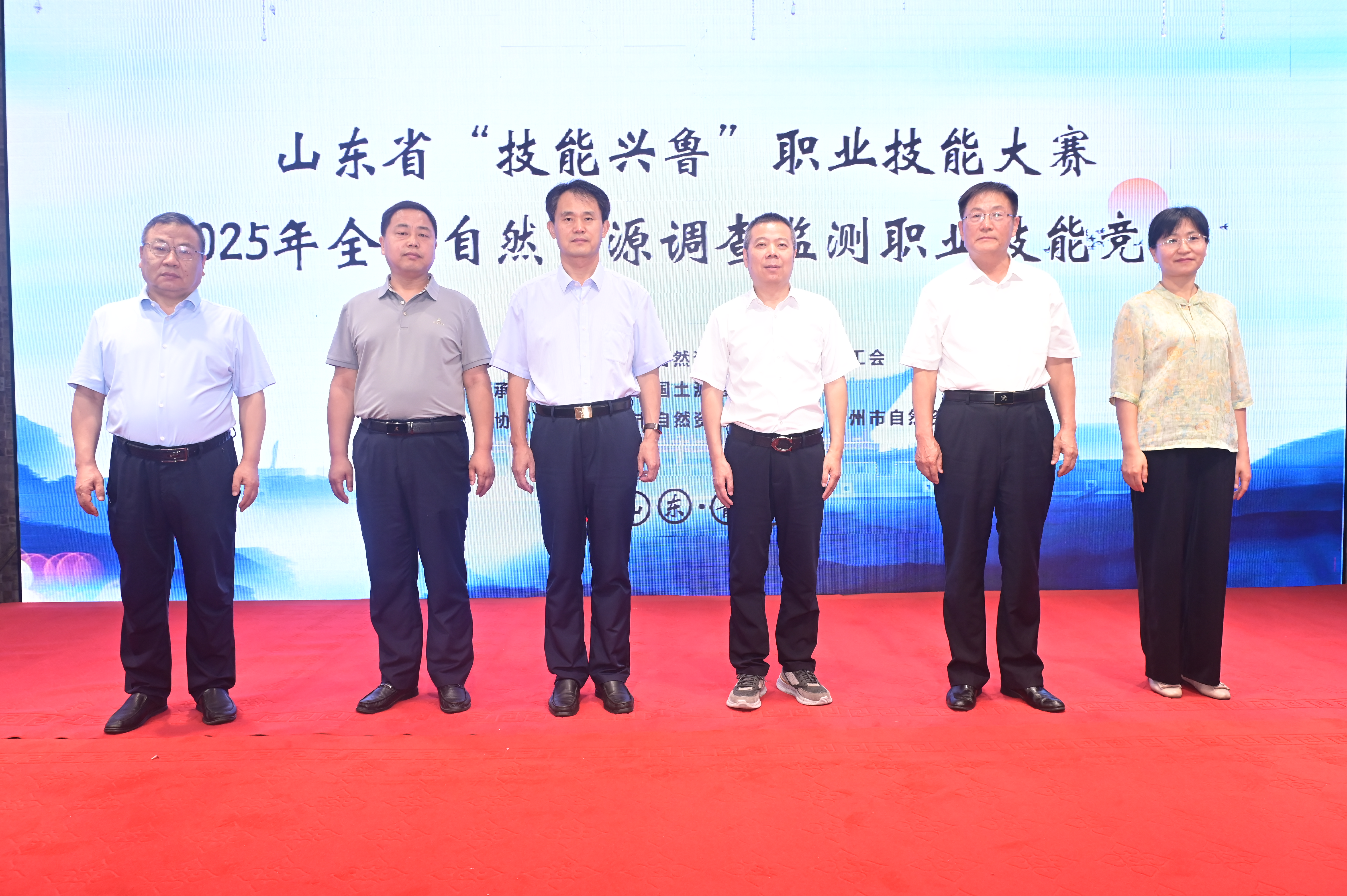
山东省自然资源调查监测职业技能竞赛在青州举办
Qi Lu Wan Bao· 2025-07-11 11:56
Core Viewpoint - The "Skills Empower Shandong" vocational skills competition held from July 8 to 10 in Qingzhou focuses on enhancing investigation and monitoring skills to support ecological civilization construction and natural resource management [1][5]. Group 1: Competition Overview - The competition was jointly organized by the Shandong Provincial Natural Resources Department and the Shandong Provincial Federation of Trade Unions, with support from local governments and planning departments [5]. - A total of 17 teams and 50 individuals participated in the finals, which included written exams, field operations, and presentations to determine the winners [5]. - Awards were given to nine units for collective achievements, 15 individuals for personal awards in geographic information collection, and nine individuals for natural resource monitoring management [5]. Group 2: Importance of Natural Resource Monitoring - The natural resources department plays a dual role in resource protection and development, with monitoring being a foundational task that aids in understanding resource status, detecting changes, and evaluating effectiveness [10]. - The 2025 urban land space monitoring work in Shandong has four key characteristics: demand-driven monitoring elements, dual-track monitoring for urban and overall areas, segmented technical support, and deep integration of monitoring results with planning [15]. Group 3: Skills Competition Significance - The skills competition serves as a platform for assessing employee skill levels, discovering technical elites, and facilitating skill exchange among workers [20]. - The Shandong Provincial Natural Resources Department aims to leverage this competition to promote labor spirit and enhance the political, mission, and ownership awareness among employees in the natural resource monitoring field [20].

江苏油田:学查改贯通发力 全链条巩固作风
Zhong Guo Hua Gong Bao· 2025-07-11 02:12
江苏油田坚持学查改一体推进,扎实开展深入贯彻中央八项规定精神学习教育,以过硬作风助力奋进新 油田建设。 全方位集中整治。油田对查摆的问题坚持一问题一方案,推动立行立改、专项整治、限时销号;将文风 会风不实、为基层减负不到位、"过紧日子"意识淡薄等3项共性问题纳入油田领导班子重点整治清单, 明确整改措施18条,着力推动问题整改见底见效;在文风会风整治中,实施会议统筹管理,全年压缩会 议数量38%,精简文件篇幅10%;在基层减负方面,出台油田评比表彰管理办法,压减检查评比事项 8%;在成本管控上,全面开展攻坚创效行动,预计全年压减非生产性支出670万元。 多维度深学细悟。学习教育活动聚焦"学到位",坚持以上率下,依托党委会、中心组学习、专题读书班 等多种形式,逐字逐句读原著,及时跟进学精神,开展专题学习研讨11场次,做到197个党支部全面覆 盖,3742名党员全员参与;坚持以辅强基,编制学习攻略,推出"石理春风"大讲堂10期,组织联学联研 118次,推动理论学习入脑入心;坚持以案为鉴,加强系统内典型问题学习反思,制作1部警示教育片、 2期微视频,开展"以案四说"警示教育21场,覆盖党员干部1200余人次,切实筑牢 ...
动真碰硬查摆问题整改问题
Liao Ning Ri Bao· 2025-07-11 01:07
Group 1 - The implementation of the Central Eight Regulations has been actively pursued across various regions and departments, ensuring effective learning and education [1] - The Shenyang First Prison has rigorously advanced the education on the Central Eight Regulations, focusing on practical results and solidifying work style construction [2] - The prison has identified five specific issues through a checklist approach, with three issues undergoing concentrated special rectification and two long-term mechanism measures proposed [2] Group 2 - Shenyang University of Technology has implemented a "Five Ones" initiative for young cadres, promoting effective learning and education [3] - The university has organized a theoretical study session and a network training course, enhancing the political and job performance capabilities of young cadres [3] - A warning education program has been conducted, compiling 27 cases of young cadres' violations to raise awareness and establish a strong sense of discipline [3]
锲而不舍落实中央八项规定精神丨正本清源推动作风建设持续深化
Zhong Yang Ji Wei Guo Jia Jian Wei Wang Zhan· 2025-07-11 00:30
加强教育引导 狠刹不正之风 正本清源推动作风建设持续深化 中央纪委国家监委网站 陈昊 6月30日,习近平总书记在主持中共中央政治局第二十一次集体学习时,对开展深入贯彻中央八项规定 精神学习教育提出明确要求,指出"各级党组织要认真履行政治责任,勇于直面问题,督促整改到位, 狠刹各种不正之风"。 "小事小节论"、"影响发展论"、"行业特殊论"等错误思想在少数地方和单位仍有市场,反映出作风建设 还存在盲区死角,一些不良风气出现反弹回潮,必须以钉钉子精神常抓不懈、久久为功,对反复发作的 老问题紧盯不放,对隐形变异的新动向深挖细查,不断把作风建设向纵深推进。 日前,中央纪委国家监委驻国家电网有限公司纪检监察组与国家电网公司党组联合召开集中整治违规吃 喝推进会,印发工作方案并细化整治措施,明确关于严禁违规吃喝的具体要求。 "整治方案既聚焦违规吃喝共性问题,又结合实际作出针对性部署。"驻国家电网纪检监察组有关负责同 志介绍,方案结合国家电网业务特点,明确提出"严禁在投资建设、招标采购、供电服务、电源接入、 电力交易、考核评价等工作中,利用公司授予的权力或职务影响,违规组织或参加管理和服务对象、供 应商、合作方安排的吃喝"等 ...
从细处加固中央八项规定堤坝(评论员观察)
Ren Min Ri Bao· 2025-07-10 22:52
党员干部须从思想上正本清源,牢记"小节不守,大节不保""不防于小,终亏大德"的道理,修炼好共产 党人的"心学",时刻保持慎独慎微、严守纪律的清醒和自觉 全国共查处违反中央八项规定精神问题21843起,批评教育和处理28189人,其中党纪政务处分19004 人……近日,中央纪委国家监委网站公布今年5月全国查处违反中央八项规定精神问题汇总情况。连续 141个月公布月报数据,凸显"严字当头、全面从严、一严到底"的管党治党决心。 行动上的偏差,根源在于思想认识不到位。思想防线上的小缺口,若是放任不管,廉洁自律就容易"溃 坝",走向腐化堕落。堵住"思想大坝"上的"蚁穴",才能防患未然。电视专题片《反腐为了人民》里, 一名落马官员反思"之所以走到今天",原因就在于"对小事小节不太注意,就是慢慢地演变,最后小事 就变成大事"。对顶风违纪行为动真格、抓现行、抓典型、抓通报,绝不是"小题大做"。党员干部须从 思想上正本清源,牢记"小节不守,大节不保""不防于小,终亏大德"的道理,修炼好共产党人的"心 学",时刻保持慎独慎微、严守纪律的清醒和自觉。 抓早抓小、防微杜渐,是约束,也是保护。湖北枣阳市,500多辆公车全部接入公车综合 ...
应急管理部推动持续筑牢作风防线
Zhong Yang Ji Wei Guo Jia Jian Wei Wang Zhan· 2025-07-10 00:19
Core Viewpoint - The Ministry of Emergency Management emphasizes the importance of maintaining strict discipline and integrity among its members, using case studies to educate and warn against violations of the Central Eight Regulations [2][3][4]. Group 1: Education and Awareness - The Ministry held a warning education meeting to promote awareness among party organizations and members about the importance of adhering to the Central Eight Regulations [2]. - Participants watched a warning education video featuring serious violations within the Ministry, highlighting issues such as abuse of power for personal gain and disregard for public welfare [2][3]. - The Ministry has organized over 24,000 individuals to watch warning education films, fostering a culture of strict adherence to regulations [5]. Group 2: Accountability and Responsibility - The Ministry's leadership acknowledges that some members have violated regulations, damaging the reputation of the organization and the political ecosystem [3]. - There is a call for deeper understanding and implementation of Xi Jinping's important discussions on strengthening party conduct, emphasizing the need for accountability and responsibility among leaders [3][4]. - The Ministry aims to establish a mechanism for continuous education and self-examination among party members to ensure compliance with regulations [5]. Group 3: Addressing Issues and Challenges - The Ministry's disciplinary body stresses the need to recognize the severe harm caused by misconduct and to prevent complacency among members [4]. - There is a focus on addressing persistent issues such as the improper acceptance of gifts and excessive spending, as well as bureaucratic and formalistic problems [4]. - The Ministry encourages members to internalize the spirit of the Central Eight Regulations and translate educational warnings into actionable commitments [5].
市委常委会召开学习教育查摆问题情况检视交流会:动真碰硬真查实改,推动学习教育走深走实
Chang Jiang Ri Bao· 2025-07-09 07:05
Core Points - The meeting focused on implementing the spirit of the Central Eight Regulations and improving the party's work style, emphasizing the need for self-examination and problem identification [1][2] - The importance of addressing prominent issues through rigorous investigation and rectification was highlighted, with a call for effective tracking of progress in problem-solving [2] Group 1 - The meeting was chaired by Guo Yuanqiang, who emphasized the need for deep self-examination and problem analysis to enhance the effectiveness of educational initiatives [1] - Participants were encouraged to confront issues directly and ensure that problems are accurately identified and addressed [2] - The meeting aimed to strengthen the party's self-revolution and promote a culture of accountability and integrity among party members [2] Group 2 - Guo Yuanqiang stressed the importance of establishing and enforcing regulations to close institutional loopholes and ensure consistent implementation of party discipline [2] - The need for continuous improvement in party conduct and the elimination of corruption was underscored, with a focus on the role of leadership in setting an example [2] - The meeting aimed to foster a collaborative spirit among party members to drive high-quality development in Wuhan [2]