效能革命

Search documents
陇南徽县:从“招商突围”到“双向奔赴”之约
Zhong Guo Xin Wen Wang· 2026-02-14 09:55
Core Viewpoint - The article highlights the transformative development in Huixian County, Gansu, driven by investment attraction, showcasing a blend of industrial growth and cultural tourism integration [1][3]. Investment and Economic Growth - During the 14th Five-Year Plan period, Huixian County signed contracts totaling 229.97 billion yuan, with 182.84 billion yuan actually received, leading to the rapid establishment of new factories and modern production lines [3]. - The number of industrial enterprises above designated size increased from 11 to 20, with four companies entering the provincial top 100 private enterprises and two successfully listed on the A-share market, indicating a structural upgrade in the industrial ecosystem [3]. - Industrial fixed asset investment surged by 94.5%, and the resource utilization level significantly improved, with low-carbon cement materials capable of processing 300,000 tons of industrial waste annually [3]. Service Optimization and Government Role - A case of bureaucratic hurdles faced by a food technology company catalyzed reforms in Huixian's business environment, shifting the government’s approach from compliance to proactive service [5]. - New mechanisms such as "joint handling of certificates," "pre-approval guidance," and "deficient acceptance" were implemented, reducing the approval time for businesses significantly [5]. Targeted Investment and Sustainable Development - The county has developed a clear investment blueprint for the 15th Five-Year Plan, targeting 7.6 billion yuan across various sectors, focusing on enhancing existing industrial chains rather than indiscriminate expansion [8]. - The strategy includes deep processing of meat products from pig farming and upgrading the mining sector towards high-value products like titanium alloys [8]. Development Logic Transformation - Huixian County has shifted its development logic from "policy competition" to "environmental superiority," from "resource-based investment" to "chain-based investment," and from "government-led" to "market interaction" [9]. - This transformation aims to create a robust "gravity field" for high-quality development, fostering a strong connection between enterprises and talent [9].


市政府党组召开2025年度民主生活会暨中央和省委联动巡视反馈意见整改专题民主生活会
Chang Jiang Ri Bao· 2026-01-19 00:37
Core Viewpoint - The meeting focused on implementing the spirit of the 20th National Congress and the feedback from the Central and Provincial inspections, emphasizing the importance of improving governance and service delivery to meet public expectations [1][2]. Group 1: Meeting Overview - The city government held a democratic life meeting to discuss the implementation of the Central Eight Regulations and the rectification of inspection feedback [1]. - The meeting involved extensive learning, discussions, and self-criticism among members to prepare for the session [1]. - A report was presented on the progress of implementing the Central Eight Regulations and the feedback from previous meetings [1]. Group 2: Key Themes and Actions - The meeting emphasized the need for serious self-criticism and problem analysis to enhance unity and improve work efficiency [2]. - There is a commitment to strengthen the city government’s internal construction and to build a modern service-oriented government [3]. - The focus is on maintaining political integrity, enhancing public service performance, and ensuring effective governance through practical actions [3].
市政府党组理论学习中心组开展集体学习:带头做到笃信务实担当自律,以优良作风引领和保障高质量发展
Chang Jiang Ri Bao· 2026-01-17 00:59
Core Viewpoint - The meeting emphasized the importance of adhering to the spirit of Xi Jinping's speech at the Central Political Bureau's democratic life meeting, aiming to unify thoughts and deepen understanding for the upcoming municipal government party group democratic life meeting [1][2]. Group 1 - The municipal government party group conducted collective learning to reinforce the ideological foundation for the democratic life meeting [1]. - Xi Jinping's speech was highlighted as providing direction for deepening work style construction and advancing the party's self-revolution [1][2]. - The meeting underscored the need for leadership to exemplify the principles of "faith, pragmatism, responsibility, and self-discipline" [2]. Group 2 - Emphasis was placed on strengthening political loyalty and aligning with the central party led by Xi Jinping [2]. - The government is urged to focus on practical actions that benefit the public and promote long-term development [2]. - There is a call for a robust government system reform and the establishment of a regular research mechanism to empower grassroots efforts [2]. Group 3 - The need for accountability and maintaining a clean political environment was stressed, with a focus on self-discipline and managing responsibilities effectively [2]. - Preparation for the 2025 annual democratic life meeting was highlighted, focusing on addressing key issues and conducting thorough self-criticism [2].
市政府召开第六次全体(扩大)会议:凝心聚力抓发展、快马加鞭抓落实,以奔跑之姿实现“十五五”良好开局
Chang Jiang Ri Bao· 2026-01-10 00:45
Group 1 - The meeting emphasized the importance of focusing on high-quality development and project execution to drive economic growth in the city [2][3] - The government aims to enhance consumer spending by creating new consumption models and scenarios, thereby unlocking consumption potential [2] - There is a strong push for urban transformation and modernization, including smart city initiatives and improved governance in large cities [2] Group 2 - The meeting highlighted the need for a "revolution of efficiency" to transform government functions and improve service delivery [3] - A shift in mindset and methods is necessary to enhance execution and efficiency in government operations [3] - The government aims to foster a positive working environment and promote unity and discipline among officials to build a satisfactory and efficient administration [3]
凝心抓落实 实干显担当
Ren Min Ri Bao· 2025-12-24 22:32
Core Viewpoint - The article emphasizes the importance of reducing bureaucratic burdens on grassroots levels to enhance efficiency and service delivery, as highlighted by President Xi Jinping's focus on addressing formalism and supporting grassroots officials in their responsibilities [1][11]. Group 1: Policy Implementation and Mechanisms - The central government has prioritized the reduction of formalism as a key area for improvement, establishing a special mechanism to address this issue and ensuring compliance across various levels of government [1][3]. - Local governments are actively implementing measures to streamline processes, such as reducing unnecessary reporting and focusing on core responsibilities, which has led to improved service delivery [3][4]. Group 2: Case Studies of Effective Implementation - In Heilongjiang Province, the police department has eliminated unnecessary assessments and reporting, allowing officers to focus on community service, resulting in faster processing times for citizens [3][4]. - In Tianjin, a new assessment mechanism has reduced the paperwork required for year-end evaluations, allowing officials to concentrate on practical outcomes rather than bureaucratic formalities [3][4]. Group 3: Empowerment and Resource Allocation - The article discusses how the management of personnel transfers has been improved in Ningbo, ensuring that local officials are not overburdened by excessive borrowing of staff, thus enhancing local governance capacity [4][5]. - In Guangdong Province, the establishment of clear responsibility lists has clarified roles in community service, reducing confusion and improving efficiency in handling social security matters [5][6]. Group 4: Technological Integration - The introduction of digital platforms in Nanjing has significantly reduced the administrative burden on community workers, allowing for more efficient data management and service delivery [8][9]. - The use of technology in governance has enabled more precise and timely responses to community needs, exemplified by the proactive care for vulnerable residents through smart monitoring systems [8][9]. Group 5: Overall Impact on Governance - The article concludes that the ongoing efforts to reduce bureaucratic burdens represent a fundamental shift towards modernizing grassroots governance, enhancing both efficiency and community engagement [10][11].
邮储银行提速“效能革命”:近四万网点如何寻路盈利厚度
Hua Er Jie Jian Wen· 2025-12-12 08:10
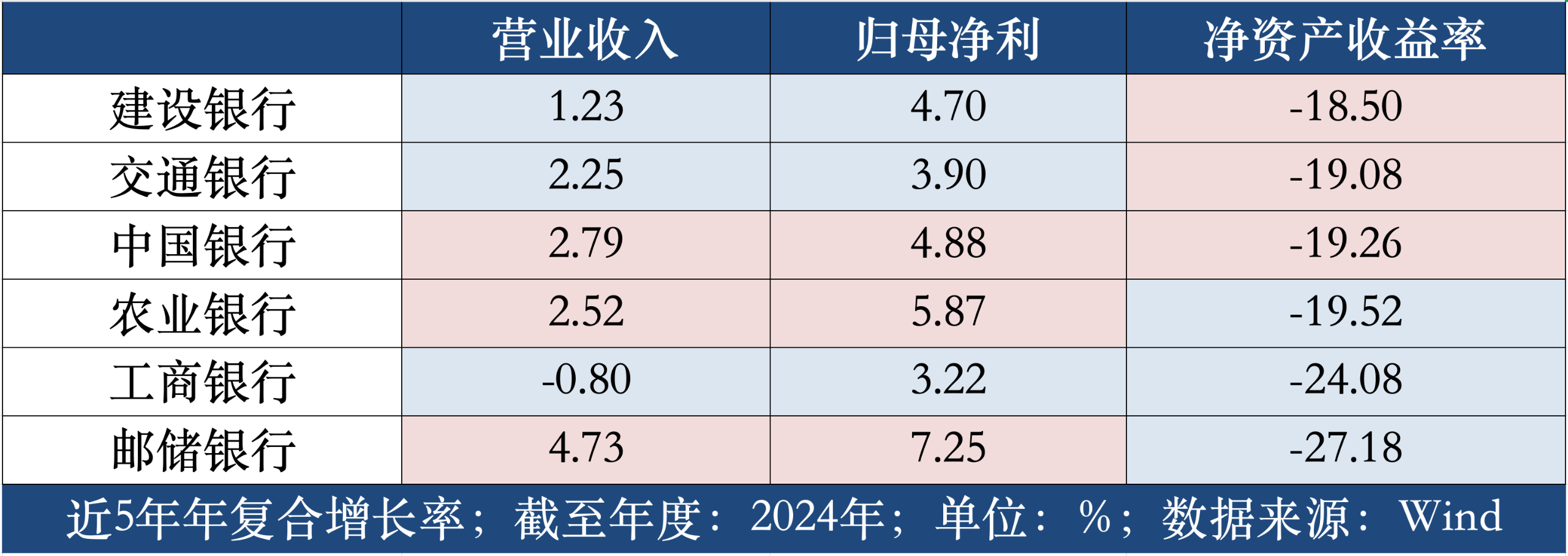
Core Viewpoint - Postal Savings Bank is undergoing significant structural changes, focusing on enhancing its financial market operations and improving overall efficiency amid a challenging economic environment [1][16]. Group 1: Management Changes - The appointment of Yang Xilin as a member of the company's party committee and potential financial market business director indicates a shift towards prioritizing financial market operations [1]. - This change reflects the bank's intention to diversify its focus beyond retail banking [1]. Group 2: Branch Network Adjustments - In 2023, Postal Savings Bank closed 265 branches and opened 65 new ones, leading the six major banks in both closures and openings [2]. - This strategy signifies a rapid internal resource reallocation while addressing the need to convert its extensive network in lower-tier markets into profitability [2]. Group 3: Financial Performance - For the first three quarters, Postal Savings Bank reported revenues of 265.08 billion yuan and net profits of 76.562 billion yuan, with year-on-year growth rates of 1.82% and 0.98%, respectively, ranking fourth among the six major banks [3]. - The bank's revenue contributions are primarily from interest income (79.41%), followed by fee-based income (8.71%) and investment income (11.94%) [3]. Group 4: Key Operational Metrics - The bank maintains a high asset and liability growth rate of 8.9% and 8.64%, respectively, with a loan growth rate of 8.68%, the highest among the six major banks [4]. - It boasts a net interest margin of 1.68%, leading the sector, and an asset quality with a non-performing loan ratio of 0.94%, the best among its peers [4]. Group 5: Market Position and Challenges - Despite strong operational metrics, Postal Savings Bank's market valuation remains limited, with its A-share growth in single digits year-to-date, lagging behind peers like ICBC and CCB [6]. - The bank's primary challenge lies in operational efficiency rather than fundamental growth, as indicated by its negative return on equity of -27.18%, the lowest among the six major banks [7]. Group 6: Efficiency and Cost Management - The bank's revenue per employee and profit per employee rank fifth and sixth among the six major banks, respectively, indicating room for improvement in efficiency [8]. - The reliance on a high proportion of agency branches (80%) poses challenges in terms of operational efficiency and cost management, with significant expenses related to agency fees [9][10]. Group 7: Strategic Initiatives - Postal Savings Bank is implementing a two-pronged channel strategy, focusing on self-operated branches in high-capacity cities while extending its reach in lower-tier markets through agency branches [11][12]. - The bank is also enhancing its digital capabilities and adjusting agency fee structures to improve net interest margins and overall efficiency [13][14]. Group 8: Future Outlook - The bank aims to strengthen its financial market and asset management operations under the leadership of Yang Xilin, with a focus on improving asset utilization and overall efficiency [16]. - The success of these reforms in translating unique channel advantages into tangible profitability remains to be seen [16].

山东省自然资源调查监测职业技能竞赛在青州举办
Qi Lu Wan Bao· 2025-07-11 11:56
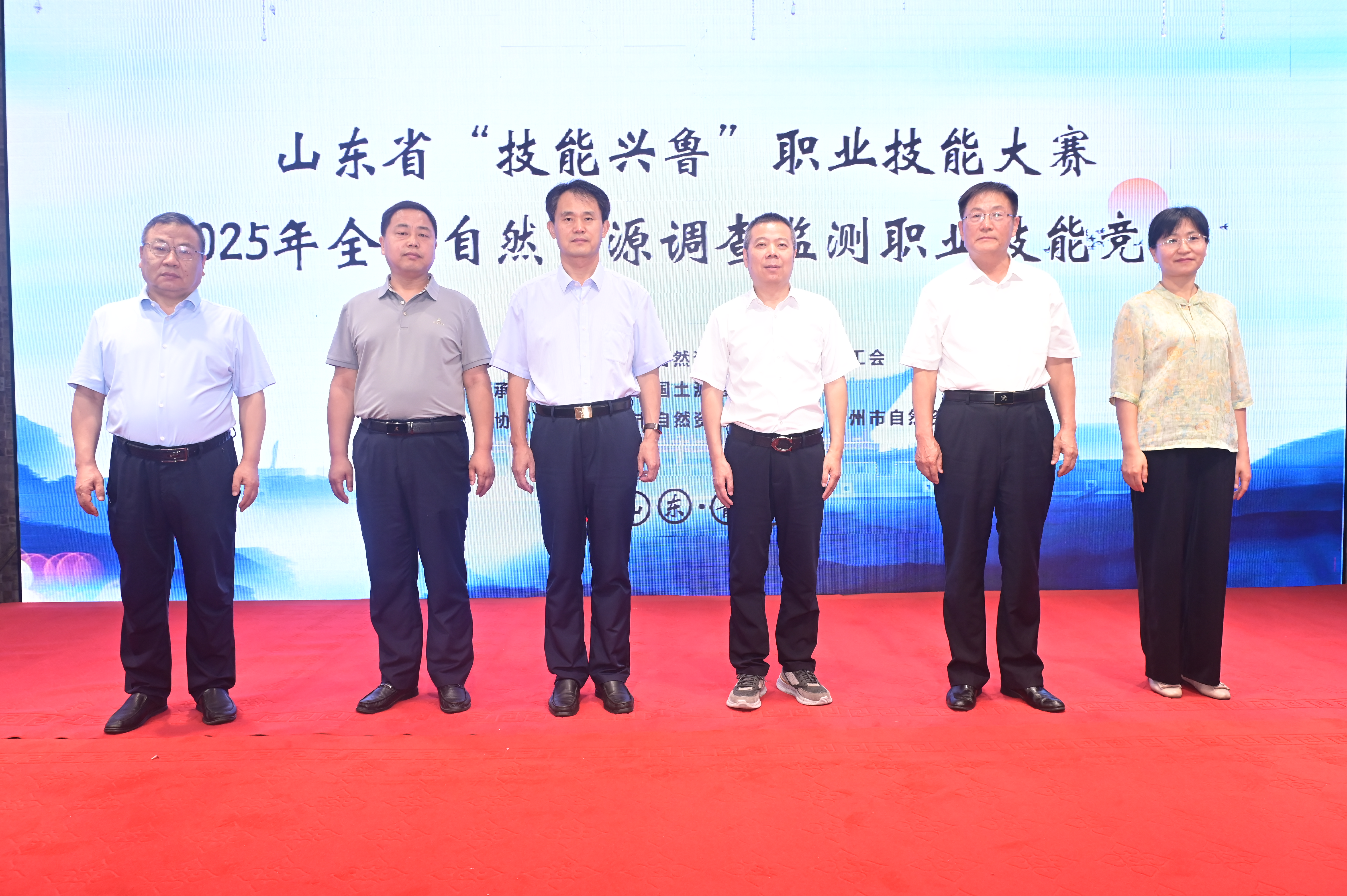
Core Viewpoint - The "Skills Empower Shandong" vocational skills competition held from July 8 to 10 in Qingzhou focuses on enhancing investigation and monitoring skills to support ecological civilization construction and natural resource management [1][5]. Group 1: Competition Overview - The competition was jointly organized by the Shandong Provincial Natural Resources Department and the Shandong Provincial Federation of Trade Unions, with support from local governments and planning departments [5]. - A total of 17 teams and 50 individuals participated in the finals, which included written exams, field operations, and presentations to determine the winners [5]. - Awards were given to nine units for collective achievements, 15 individuals for personal awards in geographic information collection, and nine individuals for natural resource monitoring management [5]. Group 2: Importance of Natural Resource Monitoring - The natural resources department plays a dual role in resource protection and development, with monitoring being a foundational task that aids in understanding resource status, detecting changes, and evaluating effectiveness [10]. - The 2025 urban land space monitoring work in Shandong has four key characteristics: demand-driven monitoring elements, dual-track monitoring for urban and overall areas, segmented technical support, and deep integration of monitoring results with planning [15]. Group 3: Skills Competition Significance - The skills competition serves as a platform for assessing employee skill levels, discovering technical elites, and facilitating skill exchange among workers [20]. - The Shandong Provincial Natural Resources Department aims to leverage this competition to promote labor spirit and enhance the political, mission, and ownership awareness among employees in the natural resource monitoring field [20].
以问题为导向 衡阳石鼓区政策“追”着企业跑
Zhong Guo Jin Rong Xin Xi Wang· 2025-05-16 09:12
Core Insights - Hunan Province's Hengyang City Shigu District is undergoing a transformation driven by an efficiency revolution, with over 70% of industrial enterprises adopting intelligent upgrades and new industries accounting for 45% of investments, leading to an average output increase of over 30% for key enterprises [1] Group 1: Mechanism Innovation - The establishment of a cross-departmental "attack team" involving 12 departments has facilitated the development of a "three-year doubling plan" for enterprises, addressing various needs from land approval to digital transformation [4] - The unique "five-step normalization" service system in Shigu District has created a comprehensive ecosystem for enterprise support, integrating problem diagnosis and performance assessment for service teams [4] Group 2: Service Evolution - The district's proactive approach to service delivery has transformed from a passive "waiting for enterprises to come" to an active "providing assistance in times of need," exemplified by the rapid coordination of loans for new production lines [5] - The "Stone Drum Acceleration" initiative has led to swift responses to logistical issues, with departments collaborating to repair damaged roads in record time, showcasing a commitment to efficient service [7] Group 3: Efficiency Revolution - The tax bureau's initiative to streamline tax refund processes has significantly improved service efficiency, with an online tax filing rate projected to reach 98.09% in 2024, and substantial financial support provided to small and micro enterprises [8] - The shift in service logic emphasizes proactive engagement with enterprises, ensuring that support is delivered before issues arise, thereby enhancing the overall business environment [8]