产业AI

Search documents
广联达(002410) - 002410广联达投资者关系管理信息20250621
2025-06-21 13:35
Group 1: AI Strategy and Advantages - The company has developed a large model, AecGPT, specifically for the construction industry, which was released in 2024 and can pass the national construction examination with high scores [2] - Key elements for successful industrial AI include high-quality data, valuable scenarios, and reliable models [2] - The company possesses a comprehensive engineering construction knowledge base that supports the construction large model [2] Group 2: AI Application Scenarios - The company focuses on three main directions for AI scenario implementation: integrated design, refined cost management, and precise construction management [3][4] - In integrated design, AI is used to enhance design workflows and assist in construction drawing design [3] - Refined cost management leverages AI and data to drive detailed cost management throughout the project lifecycle [4] Group 3: Value Measurement and Commercialization - High-value AI applications should be able to deliver a complete task process, be measurable in value, and continuously learn and optimize [5] - The AI intelligent bidding product has been implemented in 716 construction bidding projects in Hainan, resulting in an average bid reduction rate of 8% and saving approximately CNY 4.56 billion [5] - The commercial value of AI products is closely linked to technological maturity and the ability to meet new demands [6] Group 4: Future AI Opportunities - Future high-value AI scenarios will emerge from both technological breakthroughs and evolving market demands [7] - The upcoming market reforms in September 2025 will drive the need for effective data management and cost control in the construction industry [7] - The company is developing an automatic database construction product that will enhance data collection and analysis efficiency [7]

警惕重蹈日本AI的覆辙
3 6 Ke· 2025-06-05 11:33
Core Insights - Japan's AI industry has faced significant challenges despite initial strengths, leading to a decline in its global competitiveness [1][3][4] - The historical context of Japan's AI development reveals a pattern of overconfidence and misallocation of resources, particularly in large-scale projects like the Fifth Generation Computer project [6][8] - The current trajectory of China's AI industry shows a stark contrast to Japan's past, emphasizing the importance of openness, inclusivity, and consumer engagement in technological advancement [23][24][26] Group 1: Historical Context of Japan's AI - Japan's AI was once a formidable force, comparable to the US, but has since struggled to maintain its position due to a lack of practical applications and innovation [1][3] - The Fifth Generation Computer project, initiated in 1981 with a budget of 100 billion yen, aimed to create an advanced AI system but ultimately failed to meet expectations, leading to a decline in Japan's AI capabilities [4][6] - The focus on large-scale, government-led AI initiatives created a closed ecosystem that stifled innovation and excluded smaller players from contributing to the industry [8][10] Group 2: Lessons for China's AI Development - China's AI industry is characterized by a large domestic market that supports both industrial and consumer demands, unlike Japan's reliance on exports [23][24] - The foundation of China's AI sector is built on a diverse range of technologies, including telecommunications and cloud computing, fostering a culture of innovation and openness [24][26] - To avoid repeating Japan's mistakes, China's AI development must prioritize inclusivity and adaptability, ensuring that the industry can respond to changes and validate its value in the market [26]


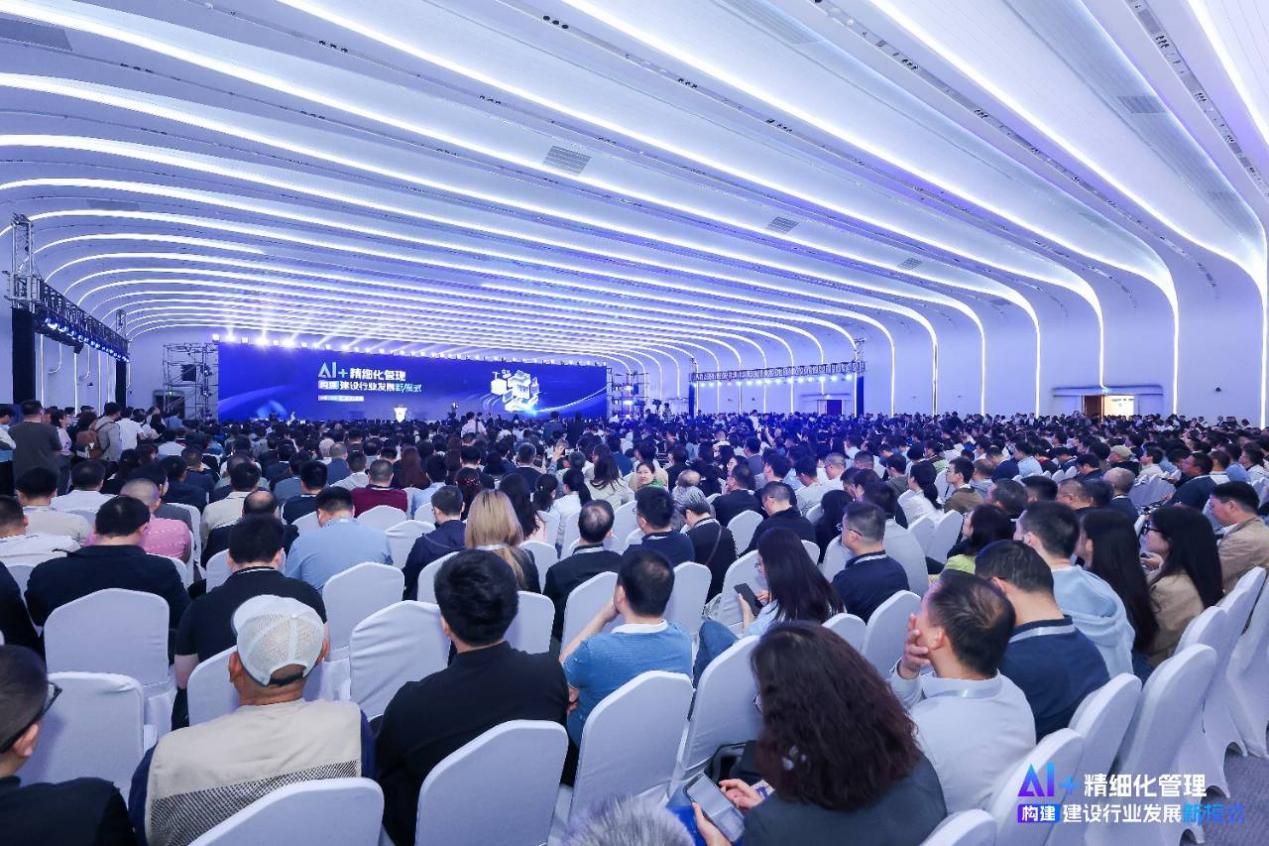
用产业AI打造“好房子” “AI+精细化管理”系列活动在北京举行
Zhong Guo Jing Ji Wang· 2025-05-19 03:22
Core Insights - The China Digital Construction Conference held on May 16-17 focused on "AI + Fine Management" to explore new development models in the construction industry [2][16] - The event attracted nearly a hundred industry organizations and large enterprises, highlighting the importance of digital transformation and AI integration in construction [2][4] Group 1: Industry Trends - The global service trade's digital technology penetration has surpassed 65%, indicating a significant shift in the construction industry from traditional methods to a more integrated digital approach [4] - The construction industry is experiencing a transformation characterized by the integration of AI and fine management, which injects new vitality into traditional practices [4][6] Group 2: AI Integration - The concept of "AI + Fine Management" is seen as a practical process for discovering, organizing, and utilizing resources within the construction sector [6] - The integration of AI in construction is expected to reshape traditional business models and create new digital ecosystems [6][10] Group 3: Digital Infrastructure - The establishment of a global mutual recognition system for "AI + Standards" and the development of digital service trade infrastructure are essential for high-quality industry growth [4] - The construction industry is encouraged to leverage a comprehensive digital platform that integrates various levels of production and service industries [8] Group 4: Company Innovations - Companies like Glodon are focusing on creating high-quality data through the integration of BIM and IoT, which supports the entire lifecycle of construction projects [12] - Huawei Cloud is promoting intelligent upgrades in the construction industry through cloud and AI technologies, emphasizing the importance of data aggregation and efficient governance [15] Group 5: Collaborative Efforts - The conference served as a platform for industry collaboration, allowing enterprises to share development opportunities and engage in practical cooperation [16] - Various presentations highlighted the importance of AI in enhancing project management and operational efficiency within the construction sector [12][15]