
价值洼地

Search documents
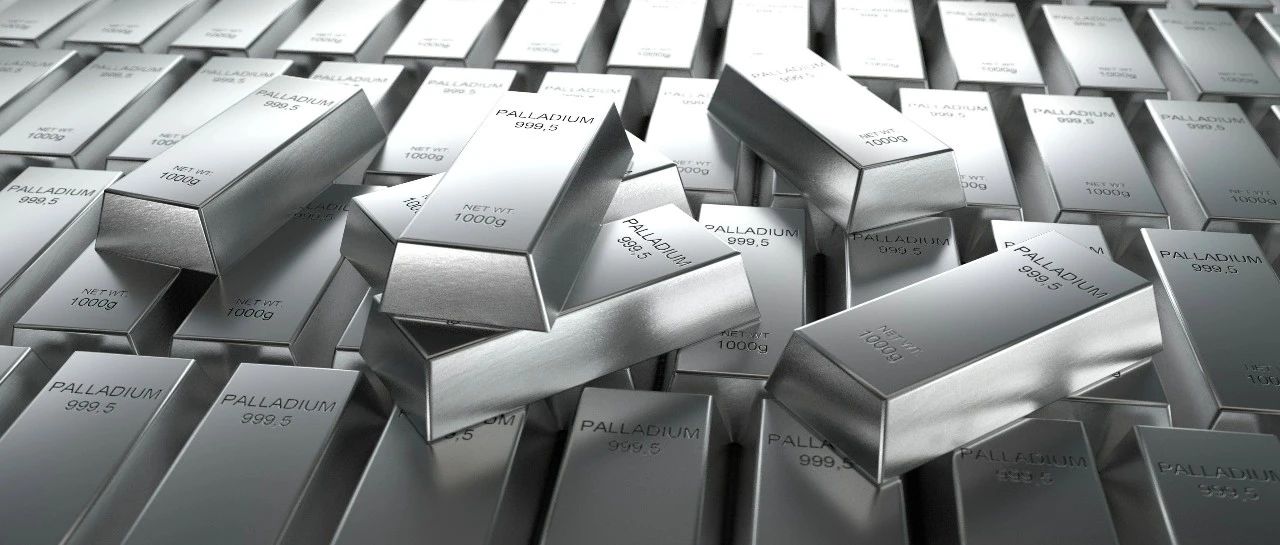
黄金大涨“带火”铂金:有人百万资金囤购,年轻人直播间“扫货”
经济观察报· 2025-06-01 05:07
Core Viewpoint - The platinum market is experiencing a revival, with a significant price increase of 25% year-to-date, driven by strong investment demand and a shift in consumer preferences from gold to platinum [1][2][19]. Group 1: Market Dynamics - Platinum prices surged, with the New York Mercantile Exchange's main futures contract reaching a high of $1,104.8 per ounce, marking a significant increase in investor interest [2][3]. - The global demand for platinum increased by 10% year-on-year in Q1 2025, reaching approximately 71 tons, with notable growth in China where demand for investment-grade platinum bars surged by 140% [3][19]. - The current market conditions have led to a shortage of platinum inventory, with many retailers reporting zero stock and requiring full payment for pre-orders [13][14]. Group 2: Consumer Behavior - Consumers are increasingly shifting their focus from gold to platinum due to high gold prices, with many finding platinum to be a more attractive investment option [6][7][10]. - The rise in platinum prices has led to increased activity in online sales channels, with consumers purchasing platinum jewelry through live-streaming platforms [7][11]. - Retail demand for platinum jewelry remains subdued, with many traditional jewelry stores reducing their platinum offerings in favor of gold [9][10]. Group 3: Industry Insights - The platinum market is characterized by a strong industrial demand, particularly in automotive catalytic converters, which accounted for 39% of total demand in 2019 [17]. - The recent surge in platinum prices is seen as a response to the high gold prices, positioning platinum as a value opportunity in the current market [15][19]. - Industry experts suggest that the current platinum market dynamics are driven by upstream supply adjustments, with a need for greater participation from downstream retail to sustain growth [19][20].

巴菲特“最后一课”:卸任前夜,他留给世界的三个答案与一场无声的告别
Sou Hu Cai Jing· 2025-05-05 16:42
Core Insights - Warren Buffett announced that Greg Abel will succeed him as CEO of Berkshire Hathaway by the end of the year, emphasizing Abel's international experience and his own commitment to not selling Berkshire shares, indicating confidence in the company's future [2][3]. Group 1: Leadership Transition - Buffett highlighted that Abel is more internationalized than himself, which reflects a strategic shift in leadership [3]. - Buffett's promise to gradually donate his shares signifies a long-term commitment to Berkshire's future [3]. Group 2: Financial Position - Berkshire Hathaway holds a record cash reserve of $347 billion, which Buffett views as a safety net for future investment opportunities [3]. - Buffett noted that significant investment windows may arise in the next five years, making cash a crucial asset for seizing opportunities [3]. Group 3: Investment Strategy - Abel plans to continue the focus on "long-termism," with capital allocation directed towards understandable businesses and national infrastructure needs, suggesting a potential shift towards energy and public utilities [3]. - Buffett's investment in Japanese trading companies has been notably successful, with an initial investment of $13.8 billion leading to a market value of $23.5 billion and annual dividend income exceeding $800 million [5]. Group 4: Economic Philosophy - Buffett reiterated his belief in free trade, advocating for mechanisms to address trade imbalances rather than tariff confrontations [4]. - He expressed concerns about the impact of tariffs, noting a 14% profit decline in the first quarter due to tariff impacts and a $713 million foreign exchange loss from dollar depreciation [4]. Group 5: Cultural and Strategic Insights - Buffett's investment philosophy emphasizes the importance of choosing the right people to work with, suggesting that the path to success is through collaboration with exceptional individuals [10]. - He warned that if the speculative nature of the market overshadows the foundational aspects of the economy, it could lead to a loss of the nation's core values [11].
