减糖

Search documents
首个减糖指数发布: 今年低糖、无糖消费创新高 气温高则吃糖少
Mei Ri Shang Bao· 2025-08-11 22:46
Core Insights - The "Resident Sugar Reduction Index" has been officially released, indicating a continuous growth in the consumption of low-sugar and sugar-free food and beverages in China, reflecting an increasing awareness of healthy eating among residents [1][2] - The index is calculated based on the sales proportion of low-sugar and sugar-free products among all food and beverage sales, with data sourced from JD Supermarket [1] Group 1: Index and Consumption Trends - The index for the first half of this year stands at 180, showing a consistent increase over the past three years [1] - Low-sugar food and beverage consumption is growing at a faster rate compared to sugar-free products, despite the latter having a higher market share [2] - Seasonal variations are evident in the consumption habits of urban and rural residents, with the second quarter consistently showing higher index values compared to other quarters [2] Group 2: Industry Support and Challenges - JD Supermarket has implemented various support measures in terms of traffic, marketing, and supply chain collaboration for low-sugar and sugar-free products [2] - Despite the rapid development of the low-sugar and sugar-free food and beverage industry, significant development obstacles still exist [2]

冰茶市场百亿新局 健康化趋势引发行业变革
Yang Guang Wang· 2025-08-06 07:17
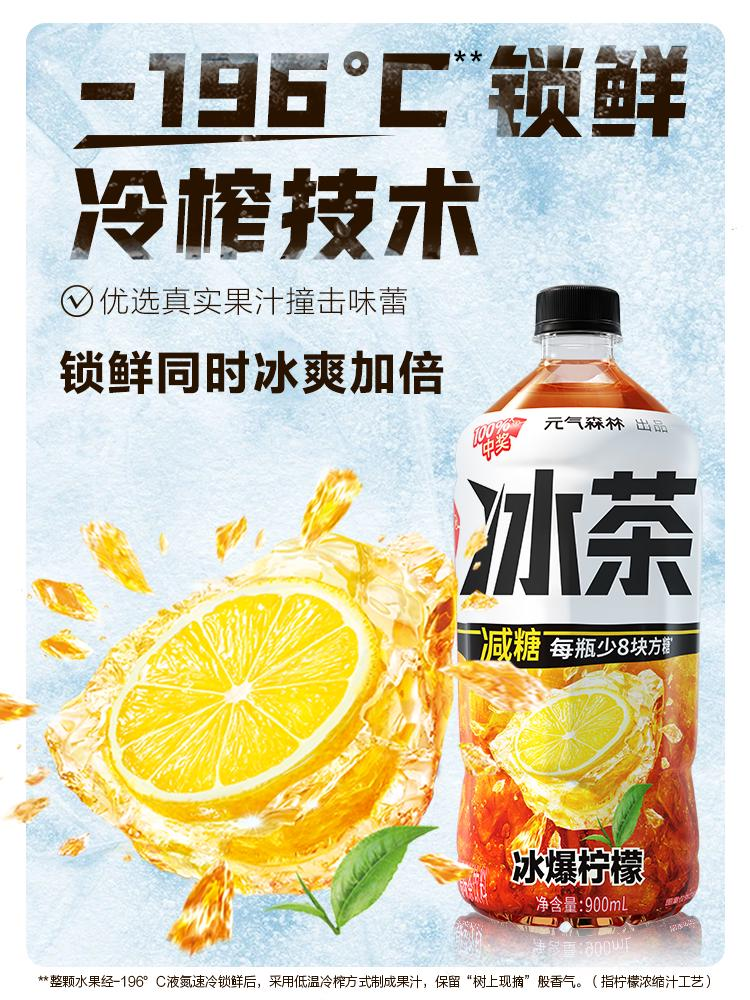
Core Insights - The ice tea market is evolving from a brand-centric approach to a category-focused one, with various brands like Yuanqi Forest and Nongfu Spring entering the market to redefine product standards through differentiated technology [1][2][3] - Health consciousness among consumers is driving the trend towards reduced sugar content in beverages, with 71.4% of consumers prioritizing "sugar-free/reduced sugar" labels when purchasing iced tea [2][3] - The global iced tea market is projected to grow from $53.3 billion in 2023 to over $100 billion by 2033, with a compound annual growth rate of 6.7% [6][9] Industry Trends - The Chinese government has initiated health promotion policies focusing on reducing sugar, salt, and oil in food, signaling a shift towards healthier beverage options [2][3] - Traditional brands like Master Kong and Uni-President leverage established distribution networks, while new brands utilize innovative technologies and health-focused marketing to capture younger consumers [6][9] - The competition in the iced tea market is intensifying, with both established and emerging brands striving to balance health benefits with taste, as consumer preferences shift towards lower sugar options [4][5][10] Consumer Preferences - Taste remains a critical factor in consumer purchasing decisions, with sweetness, tea flavor, and aroma being the top three attributes valued by iced tea drinkers [4][5] - Younger consumers (ages 18-25) exhibit higher loyalty and repurchase rates for iced tea, particularly valuing a rich and balanced flavor profile [4][5] - Brands are responding to consumer demand for reduced sugar without compromising taste, with innovations such as Yuanqi Forest's use of liquid nitrogen freezing technology to enhance flavor [5][9] Competitive Landscape - New brands are differentiating themselves through unique formulations and health claims, such as Hao Wang Shui's electrolyte-infused iced tea targeting fitness enthusiasts [9][10] - Yuanqi Forest has reported a 53.9% year-on-year sales growth in its iced tea category, indicating strong market acceptance and brand recognition [9][10] - The market is characterized by a clear segmentation, with traditional brands maintaining a stronghold through extensive distribution while new entrants challenge them with innovative products [6][9]



从解渴到健康,冰茶市场迈入减糖新阶段
Zhong Guo Xin Wen Wang· 2025-06-19 05:55
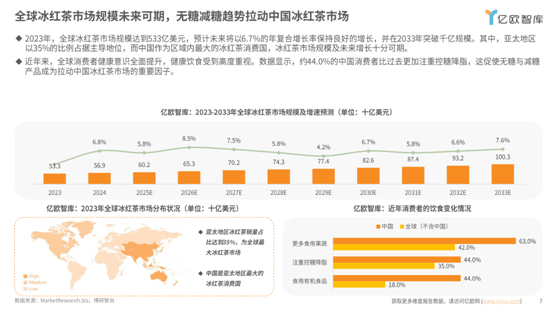
Core Insights - The iced tea market is experiencing significant growth, with a global market size reaching $53.3 billion in 2023 and projected to grow at a compound annual growth rate (CAGR) of 6.7%, potentially exceeding $100 billion by 2033 [1][2]. Market Trends - A substantial 71.4% of consumers prioritize "reduced sugar/no sugar" labels when selecting iced tea, and 82.9% prefer reduced sugar formulations [2]. - The shift towards health-conscious consumption is evident, as consumers are increasingly valuing quality ingredients and taste over price [4]. Historical Context - The iced tea category in China began in 1993 with the introduction of bottled iced tea by Xuri Sheng, followed by major brands like Master Kong and Uni-President in 1996, which quickly captured consumer attention with classic flavors [6]. - The evolution of iced tea reflects a broader trend towards health, with reduced sugar and natural ingredients becoming key selling points [6]. Innovations and New Entrants - The unicorn brand Yuanqi Forest has redefined traditional iced tea by launching a "true tea, true fruit juice, reduced sugar" product, significantly reducing sugar content compared to standard iced teas [6][8]. - Yuanqi Forest's iced tea is projected to achieve sales of 1 billion units in 2024, a 500% increase from approximately 200 million units in 2023 [6]. Competitive Landscape - Established brands are also entering the iced tea market, with companies like Nongfu Spring launching carbonated tea drinks and other brands like Dongpeng and Wahaha introducing innovative products targeting specific consumer segments [10]. - The market is witnessing a transformation from merely quenching thirst to prioritizing health and ingredient quality, indicating a significant shift in consumer preferences [10][11].
糖酒会吹“减糖”风 “体重管理”助力健康经济
Zhong Guo Xin Wen Wang· 2025-03-25 11:36
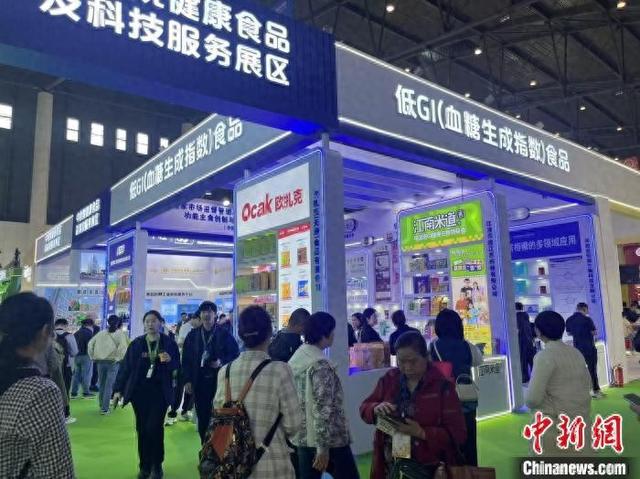
Core Insights - The 112th National Sugar and Wine Commodity Fair in Chengdu has introduced a health food and technology service section, showcasing various low-GI (glycemic index) foods aimed at weight management [1][3] - The fair serves as a significant platform for the food and beverage industry in China, reflecting the evolving trends in sugar consumption and the growing emphasis on health-oriented products [1][3] Industry Trends - The fair highlights a shift towards healthier eating habits in China, with an increase in the variety of sugar products despite the "sugar reduction" trend [1][3] - Traditional brands, such as Quanjude, are adapting to the health trend by reducing sugar and fat in their products, indicating a broader industry transformation towards healthier offerings [3] Government Initiatives - The Chinese government has launched a "Weight Management Year" initiative, emphasizing the importance of weight management and healthy eating, which has gained significant attention during the recent National People's Congress [4]