
务实外交

Search documents
环球人物:李在明当选韩国第21届总统
人民网-国际频道 原创稿· 2025-06-04 05:40
Core Viewpoint - Lee Jae-myung, the candidate from the Democratic Party, has been elected as the 21st President of South Korea, marking a significant milestone in his political career characterized by resilience and challenges [1] Background and Early Life - Lee Jae-myung was born on December 22, 1964, in a poor family in Andong, Gyeongsangbuk-do, as the fifth of seven siblings. He dropped out of school due to financial difficulties and began working in factories at the age of 13, suffering multiple injuries that left him with a lifelong disability [2] - Despite his hardships, he self-studied and graduated with a law degree from Chung-Ang University, passing the bar exam in 1986, which led to his career as a labor rights lawyer and social activist [2] Political Career - Lee began his political journey by advocating for the rights of marginalized groups and became a symbol of social justice. He was first elected as the mayor of Seongnam in 2010 and implemented innovative social welfare policies, successfully reversing the city's financial crisis [3] - He was elected as the governor of Gyeonggi Province in 2018 and later became a prominent advocate for broader social policies after entering the National Assembly in 2022 [3] Political Ideology and Support - Lee is known as the "Labor President," with his governance philosophy rooted in his experiences from the lower social strata, emphasizing fairness, justice, and an inclusive society. His commitment to the belief that "no one should be left behind" has garnered significant support from youth and progressive voters [5] Political Rivalry and Challenges - In the 2022 presidential election, Lee narrowly lost to Yoon Suk-yeol by just 0.73 percentage points. However, he was elected to the National Assembly later that year and became the leader of the Democratic Party with a high approval rating [7] - Lee's political rivalry with Yoon escalated, leading to significant events such as the "123 Martial Law Incident," where he actively opposed Yoon's government actions and called for public mobilization through social media [8][9] Legal and Economic Challenges - Despite his political achievements, Lee faces serious legal challenges, with multiple corruption and abuse of power allegations since 2018. Analysts suggest these charges may be politically motivated, reflecting the intense struggles within South Korea's political landscape [9] - As president, Lee is confronted with economic challenges, including a projected GDP growth of only 0.8% for 2024 and high youth unemployment rates. He has proposed policies such as "basic income for youth," support for entrepreneurship, and increased public housing supply to address these issues [10] Foreign Relations Strategy - Lee emphasizes a "national interest first" approach in foreign policy, aiming to strengthen the South Korea-U.S. alliance and improve relations with Japan while maintaining a focus on regional stability. He also seeks to enhance ties with China and Russia and expand strategic cooperation with global southern countries and ASEAN [11]

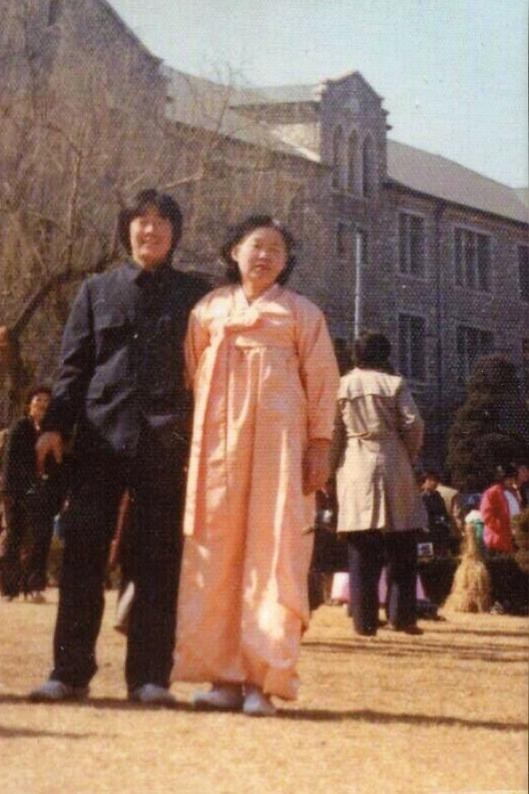
韩国总统李在明:将推动务实外交。
news flash· 2025-06-04 02:25
Core Viewpoint - South Korean President Lee Jae-myung emphasizes the importance of pragmatic diplomacy to enhance the country's international relations and economic standing [1] Group 1 - The administration aims to strengthen ties with neighboring countries and global partners to foster economic growth [1] - A focus on practical solutions in foreign policy is highlighted, moving away from ideological constraints [1] - The government plans to engage in active dialogue and cooperation with various nations to address regional and global challenges [1]
韩国新总统李在明:在刺杀与诉讼中幸存下来的寒门政客
吴晓波频道· 2025-06-04 00:49
Group 1 - The article discusses the election of Lee Jae-myung as the 21st President of South Korea following a period of political turmoil and the impeachment of former President Yoon Suk-yeol [3][4][6][7] - Lee Jae-myung won the election with a vote share of 49.31%, while his opponent Kim Moon-soo received 41.3% [9][12] - The political landscape in South Korea is characterized by significant division and challenges, including a slowing economy and unresolved diplomatic issues [28][31] Group 2 - Lee Jae-myung's presidency is expected to focus on economic revitalization, with predictions of a decline in economic growth to 1% by 2025 and rising youth unemployment at 6.8% [31][32] - The article highlights Lee's commitment to pragmatic diplomacy, particularly in response to the recent increase in tariffs by the U.S. under Trump, which could impact South Korea's export-driven economy [32][36] - Lee aims to balance relations with major trading partners, including the U.S. and China, while also addressing domestic economic issues through increased government spending and support for key industries [38][40]

英欧峰会“重置”双方关系 双方在经贸、防务、青年交流等多个领域达成共识
Ren Min Ri Bao· 2025-05-29 22:09
Economic Agreements - The UK and EU have signed a new 12-year fisheries agreement, ensuring sustainable access for UK fishing vessels to EU waters while maintaining existing quotas for EU vessels in UK waters, providing a stable foundation for both fisheries [1] - A plant and animal health agreement has been reached, simplifying food export procedures from the UK to the EU, which is expected to facilitate the re-entry of UK products like hamburgers and sausages into the EU market, promoting bilateral trade [1] - The agreements are projected to boost the UK economy by nearly £9 billion (approximately $12 billion) by 2040, injecting new vitality into economic recovery and development [3] Defense Cooperation - A security and defense cooperation framework agreement has been established, allowing the UK to participate in the EU's €150 billion joint arms procurement program, enhancing the UK's military capabilities and overall European defense collaboration [2] Youth and Cultural Exchange - The launch of a "Youth Mobility Scheme" will allow young people from the UK and EU to work and study in each other's countries for up to three years, with set limits on mobility and duration [2] - The UK will rejoin the EU's student exchange program, providing more opportunities for youth learning and cultural exchange, while the EU will ease travel restrictions for UK travelers in the Schengen area [2] Diplomatic Context - The recent agreements mark a return to pragmatic diplomacy for the ruling UK Labour Party, highlighting the importance of strengthening cooperation in light of changing international dynamics [3] - Despite the agreements, significant unresolved issues remain, such as the Northern Ireland border and Gibraltar sovereignty, indicating that the real test of UK-EU relations is just beginning [3]