
香肠

Search documents
传承四百余年的省级非遗
Xin Lang Cai Jing· 2026-02-25 18:57
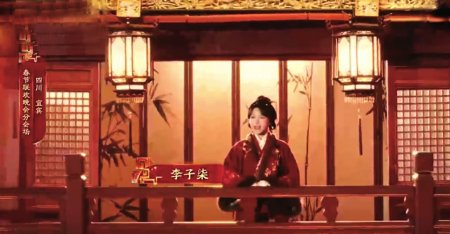
Core Viewpoint - The article highlights the cultural significance of "Qing Chun Jiu," a traditional spring banquet in southern Sichuan, which has been celebrated for over 400 years and was featured in the 2026 CCTV Spring Festival Gala, showcasing its importance as a cultural heritage and social gathering event [11][12]. Summary by Sections Cultural Significance - "Qing Chun Jiu" is a provincial-level intangible cultural heritage in Sichuan, recognized in 2018, and is celebrated from the Spring Festival to the Lantern Festival, embodying a cultural feast that integrates rituals, emotions, and blessings [12][13]. - The tradition is documented in various local chronicles, indicating its historical roots and the customs associated with it, such as family gatherings and offerings to deities [12][13]. Celebration Process - The banquet consists of three main courses: the first course includes tea and sweets, the second features alcoholic beverages paired with cured meats, and the third serves a main meal with various steamed dishes [13][14]. - The practice of "Qing Chun Jiu" is not unique to southern Sichuan; similar customs exist across China, often referred to by different names, indicating a widespread cultural phenomenon of inviting friends and family to celebrate the new year [14][15]. Regional Variations - Various regions in China, including Taiwan, have their own interpretations of "Qing Chun Jiu," with local customs and practices that reflect the same underlying theme of gathering and celebration during the spring season [15][16]. - The essence of "Qing Chun Jiu" lies in the act of inviting people rather than just serving alcohol, emphasizing the importance of reconnecting with friends and family during the festive season [15].

传统与新潮交汇年货市集
Xin Lang Cai Jing· 2026-02-23 22:47
Core Viewpoint - The city of Liupanshui is revitalizing its holiday consumer market through a series of online and offline New Year goods fairs, blending traditional customs with modern expressions [1] Group 1: Event Highlights - The New Year goods fair features various stalls selling agricultural products, clothing, and handicrafts, attracting many citizens to shop [1] - A live streaming area has been set up at the fair, allowing internet influencers to promote products, enabling consumers to order online and pick up items offline [1] - The intangible cultural heritage performances at the fair, such as farmer paintings and local creative products, have become a highlight, integrating local characteristics into everyday items [1] Group 2: Product Offerings - The "Liangdu Handicraft" store offers city gift boxes containing local specialties like red heart kiwi juice, buckwheat tea, cured meat, and sausages, available in four price ranges: 188 yuan, 288 yuan, 588 yuan, and 1288 yuan [1] - Consumers appreciate the practicality and local characteristics of these gift boxes, making them suitable for gifting to friends from other regions [1] Group 3: Cultural Integration - The New Year goods fairs serve as a platform for showcasing traditional customs while also innovating with modern trends, creating a vibrant holiday atmosphere in the city [1]
贵州烟火气·黔味中国年丨思南以非遗美食唤醒团圆年味
Xin Lang Cai Jing· 2026-02-21 08:00
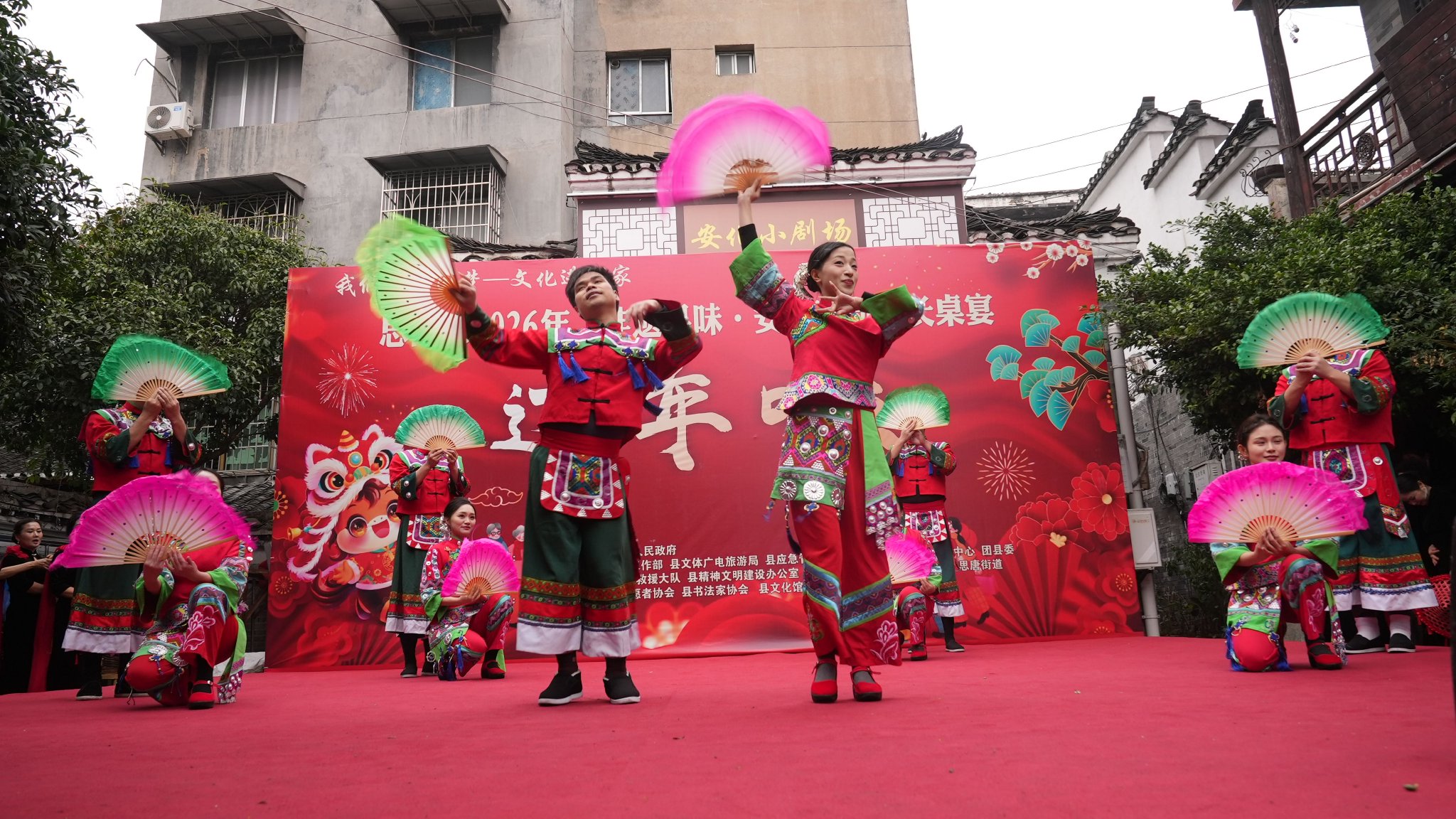
Core Viewpoint - The "Non-Heritage Flavor: Anhua Welcomes the New Year" long table banquet in Tongren City, Guizhou Province, showcases the unique charm of local intangible cultural heritage through a blend of food and culture, creating a warm festive atmosphere for the Spring Festival [1][12]. Group 1: Event Description - The long table banquet features over a hundred meters of tables lined along the ancient street, adorned with red lanterns, enhancing the festive ambiance [3]. - Local residents, invited guests, and returning hometown compatriots gather around the long table to share stories and enjoy the warmth of family reunions [6]. - The event is characterized by a lively atmosphere, with participants capturing moments through videos and photographs [8]. Group 2: Culinary Highlights - The banquet offers a rich selection of local specialties, including sausages, cured meats, and traditional sweets, prepared by experienced local chefs to ensure quality and authenticity [4][5]. - The careful selection of ingredients and the involvement of skilled cooks reflect the commitment to providing an authentic taste of the region [5]. Group 3: Cultural Significance - The event integrates various elements of intangible cultural heritage, such as Tujia cuisine and traditional performances, allowing attendees to appreciate both the food and the cultural depth [10]. - Activities like calligraphy for Spring Festival couplets and family portrait photography contribute to the cultural experience, enhancing community bonds [10]. - The long table banquet serves as a platform for the transmission and promotion of local intangible cultural heritage, fostering a sense of community and cultural identity among residents [12].
一株马齿苋撑起增收一片天
Xin Lang Cai Jing· 2026-02-17 19:44
Core Insights - The company, Qingyun Agricultural Technology Research Institute, has successfully developed a market for purslane, a vegetable with medicinal properties, which has not been widely cultivated in China [1][2] - The company plans to expand its production capacity and aims to become the largest purslane processing base in the country, targeting an annual output of 500 tons [3] Group 1: Company Operations - The company was founded in 2015, focusing on agricultural technology, and began working with purslane three years ago after identifying its potential in the local community [1] - The company has established a fully automated processing line for purslane, which includes cleaning, blanching, and drying, significantly reducing labor intensity [2] - In 2023, the company generated nearly 100,000 yuan from the sale of purslane-derived products, with expectations to double sales in the upcoming year [2] Group 2: Market Potential - Purslane can be harvested multiple times a year, with an average yield of 2,000 pounds per acre and a selling price of 0.8 yuan per pound, leading to an annual income of approximately 5,000 yuan per acre [2] - The local market has shown strong demand, with partnerships established with local restaurants and brands, indicating a growing interest in purslane products [3] - The company is actively promoting the cultivation of purslane among local farmers, which has led to increased interest and participation in the market [3]
为春节“预先准备的菜”吃不完,根本吃不完
Xin Lang Cai Jing· 2026-02-16 10:55
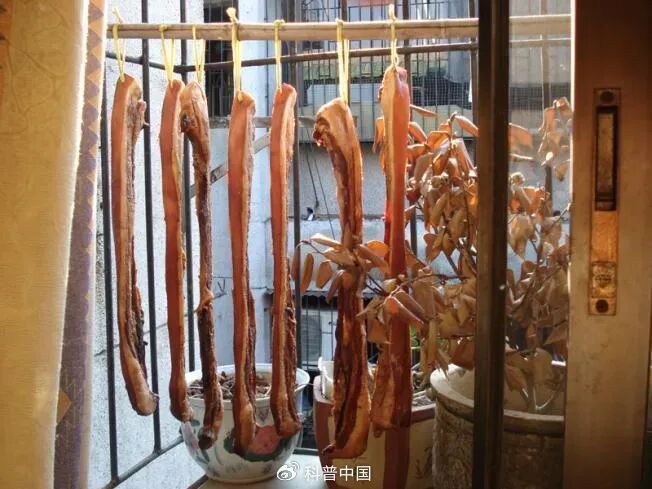
Group 1 - The article discusses the traditional Chinese New Year dinner, emphasizing the importance of preparing various dishes in advance, a practice rooted in historical customs and resource scarcity [1] - Different regions have unique specialties for the New Year, such as hanging sausages and cured meats in Sichuan and Hunan, which are prepared to enhance flavor through drying and smoking [1][3] - The preparation of fried foods is a common practice across China, with various types of meatballs and snacks being made to symbolize completeness and prosperity during the festive season [4][7] Group 2 - Specific dishes like egg dumplings and various fried snacks are highlighted as essential components of the New Year feast, showcasing regional variations in preparation methods [6][10] - The article mentions the significance of large communal dishes, such as the "su guo" (crispy pot), which is a hearty mix of meats and vegetables, symbolizing abundance and hospitality [10] - The "pen cai" (basin dish) is described as a festive dish that combines multiple ingredients, each carrying auspicious meanings, reinforcing family bonds during the New Year celebrations [11] Group 3 - The article emphasizes the importance of vegetarian dishes like "ten vegetable dish," which is a colorful mix of various vegetables, symbolizing good fortune and health [14] - Dumplings are highlighted as a staple in northeastern China during the New Year, with families preparing large quantities to celebrate the occasion [16] - The preparation of traditional staples like steamed buns and rice cakes is noted, with each carrying auspicious meanings related to prosperity and good fortune [18][19]
“每逢佳节胖三斤” 健康过节到底怎么吃才好?
Xin Lang Cai Jing· 2026-02-16 03:38
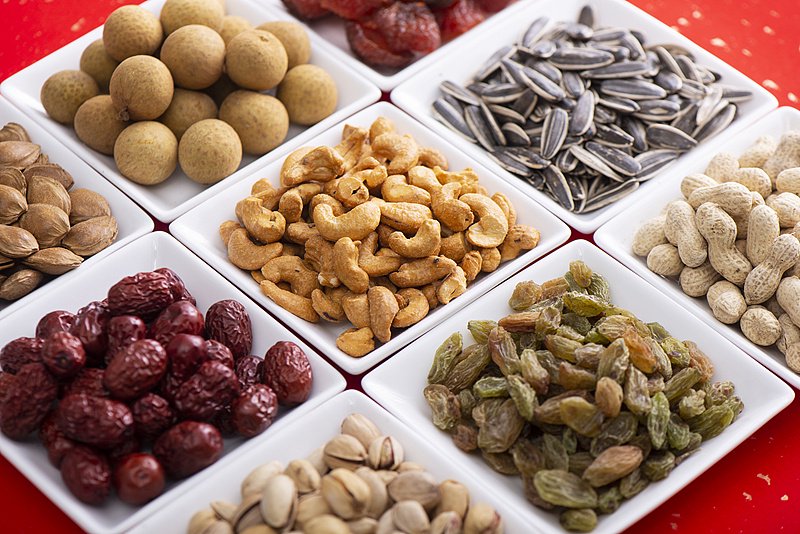
Core Viewpoint - The article emphasizes the importance of healthy eating during the Spring Festival, highlighting the need to balance festive indulgence with health considerations to avoid gastrointestinal issues and other health risks. Group 1: Health Risks of Common Snacks - Many popular holiday snacks, such as flavored sunflower seeds and dried fruits, contain high levels of salt and sugar, which can exceed recommended daily limits [3][5] - For instance, 100g of flavored sunflower seeds can contain 2 to 3 grams of salt, while 50g of preserved plums may have 15 to 20 grams of sugar [3][5] - The Chinese dietary guidelines recommend that daily sugar intake should not exceed 25 grams and salt intake should not exceed 5 grams [3] Group 2: Dietary Recommendations - It is advised to consume salty and oily foods in moderation, as they can lead to health issues such as hypertension and increased cardiovascular risks [5][7] - A balanced approach to meals is recommended, starting with vegetables, followed by protein sources like shrimp and fish, and limiting fatty meats and fried foods [7] - Monitoring weight and maintaining a healthy lifestyle through exercise is crucial during the holiday season [7] Group 3: Gastrointestinal Health Concerns - Gastrointestinal diseases are more prevalent during the Spring Festival, often due to foodborne illnesses or overeating [8] - Individuals with pre-existing conditions such as gallstones or high cholesterol should be particularly cautious to avoid acute pancreatitis and cholecystitis [8] - The article stresses the importance of enjoying the holiday while maintaining a focus on healthy eating habits to enhance overall well-being [8]
[新春走基层]就好这一口年味儿
Xin Lang Cai Jing· 2026-02-15 22:17
Group 1 - The core idea of the articles revolves around the revival of traditional agricultural practices and local products in Guizhou, particularly through the efforts of local entrepreneurs like Chen Yiying and her sister, who have transformed their family tea garden and traditional food production into a thriving business [2][3] - The sisters have successfully integrated online and offline sales channels for their agricultural products, including cured meats and tea, leading to a significant increase in customer orders, especially during the festive season [2][3] - The local market, or "乡场," has evolved from a simple exchange point for goods to a vibrant hub for rural tourism, local brand promotion, and community engagement, reflecting the changing dynamics of rural economies [4] Group 2 - The sisters' business model emphasizes the importance of traditional craftsmanship and local ingredients, which resonate with customers seeking authentic experiences and flavors during the festive season [2][3] - The personal connection and community aspect of the local market are highlighted, showcasing how these markets serve as social centers that foster relationships and cultural traditions, regardless of modern changes [3][4] - The articles illustrate a growing trend where local agricultural products are gaining popularity, driven by consumer demand for quality and authenticity, particularly during significant cultural events like the Lunar New Year [2][4]
元通古镇“村糖会”春节专场大年初一开启
Xin Lang Cai Jing· 2026-02-15 19:04
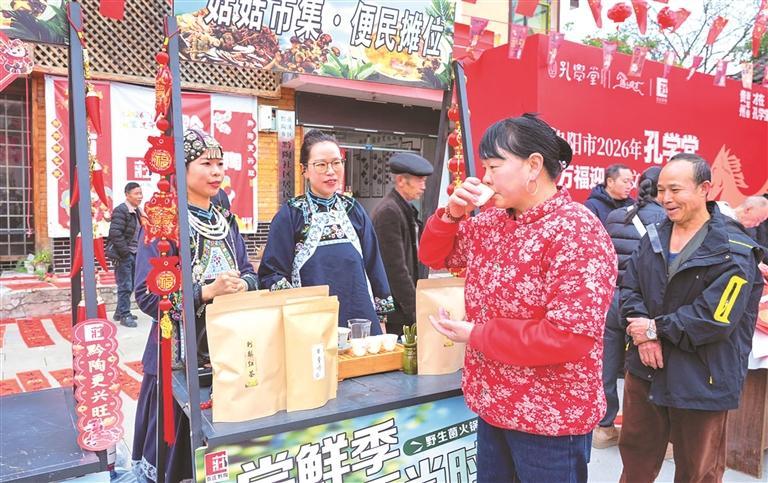
Group 1 - The core event "Village Sugar Fair" will take place in Yuantong Ancient Town from February 17 to February 20, coinciding with the Lunar New Year [1] - The theme of the event is "Seeking the Flavor of the Year," integrating intangible cultural heritage, traditional food, handmade crafts, and festive parades to create a cultural feast for citizens and tourists [1] - The market will feature over 20 local traditional candy vendors and artisans, selling various traditional sweets such as steamed cakes, handmade maltose, peanut candy, sesame candy, and puffed rice candy [1] Group 2 - Special food stalls will offer local delicacies including "Four Flowers" (oil flower, bean flower, tofu flower, and pig's trotter flower), as well as pepper duck, cured meat, sausages, and fine wines, enhancing the festive atmosphere [1] - The event will also showcase a "Non-material Cultural Heritage Spring Festival" performance, featuring Sichuan opera skills like face-changing and fire-spitting, scheduled to perform daily at landmark locations [1] - These performances aim to provide a dual visual and auditory experience for visitors, enriching the festive spirit through traditional artistry [1]
焦点访谈丨透过年货清单,见证中国消费市场的蓬勃活力
Yang Shi Wang· 2026-02-14 13:30
Core Viewpoint - The article highlights the evolving nature of Chinese New Year shopping, showcasing a blend of traditional and modern consumer behaviors, with an emphasis on cultural significance and economic implications. Group 1: Traditional and Modern Shopping Trends - Traditional markets are experiencing a resurgence, with local specialties and festive foods being popular among consumers [3][5] - The integration of online platforms with traditional markets is enhancing the shopping experience, allowing farmers to promote their products through live streaming [5] - Consumers are increasingly purchasing a mix of local and international products, reflecting a globalized shopping trend during the New Year [7] Group 2: Travel and Experience as New Year Goods - Travel has become a significant category of New Year goods, with an increase in average travel days during the holiday, reaching 5.9 days, up by 1.1 days from the previous year [9] - Various promotional activities, including the distribution of over 3.6 billion yuan in consumer vouchers, are encouraging travel and cultural experiences during the holiday [9] Group 3: Technological and Cultural Products - The demand for upgraded electronic products, such as energy-efficient appliances and smart devices, has surged, with sales exceeding 590 billion yuan in January alone [13] - Cultural products, particularly those related to zodiac themes and traditional crafts, are gaining popularity, with unique items like the "crying horse" toy becoming bestsellers [17] Group 4: Cultural Significance and Global Influence - The inclusion of the Spring Festival in the UNESCO list of intangible cultural heritage has expanded its global influence, attracting foreign consumers to participate in the New Year shopping [19] - The blending of consumption and cultural expression reflects a growing cultural confidence in China, as consumers increasingly seek products that embody cultural symbols [21]
“小上海村”里置办土味年货
Xin Lang Cai Jing· 2026-02-12 23:43
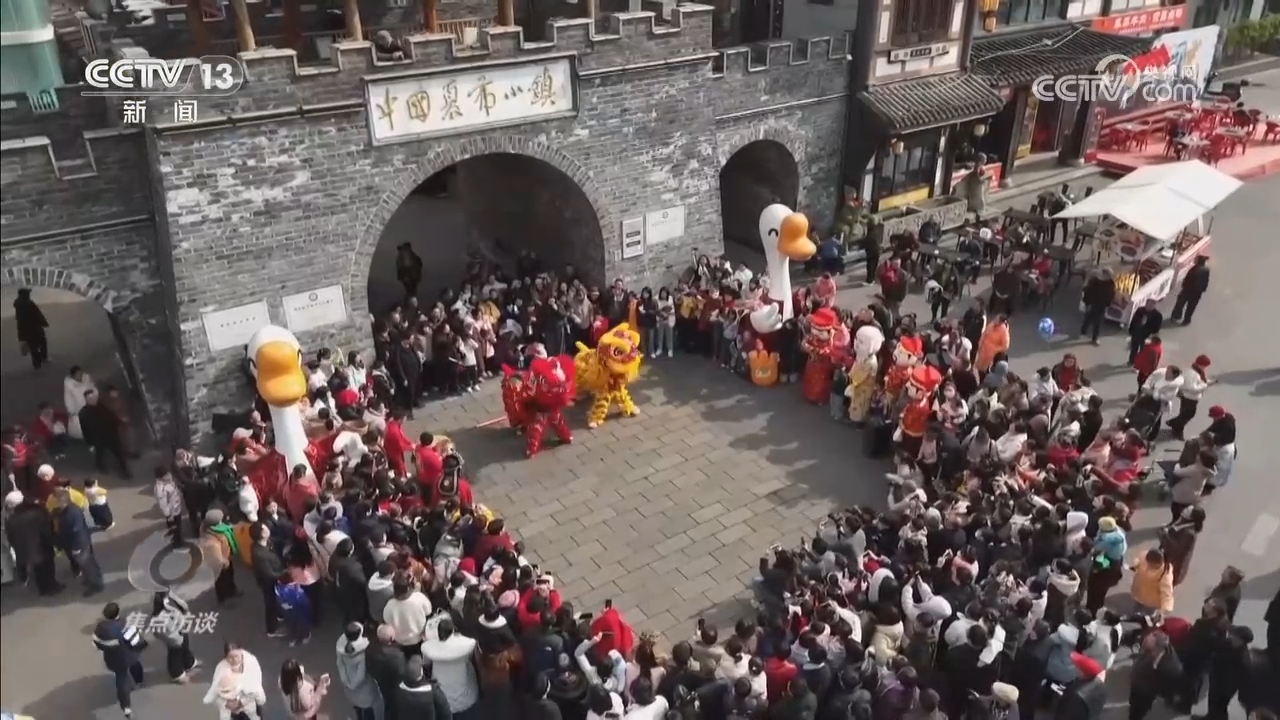
Core Insights - The article highlights the bustling atmosphere of the Guozhu Village market in Changxing County, which is a major hub for local agricultural products and specialties, particularly during the pre-Chinese New Year shopping season [1][2] Group 1: Market Dynamics - Guozhu Village hosts over 430 agritourism businesses, making it one of the largest agritourism clusters in the Yangtze River Delta, attracting many repeat visitors, particularly from Shanghai [1] - The market features nearly 300 vendors selling a mix of traditional agricultural products, local specialties, health products, and cultural creative items, resembling a vibrant New Year goods expo [1] Group 2: Consumer Behavior - Tourists, such as a visitor from Suzhou, express a habitual desire to purchase local specialties like sausages, cured meats, and eggs, indicating a strong emotional connection to the shopping experience [1] - Remote orders are increasing, with vendors receiving requests from previous customers who wish to send local products back home, showcasing the market's reach beyond local visitors [2] Group 3: Logistics and Operations - The peak season for shipping local specialties is noted, with delivery personnel handling over 300 orders daily, primarily consisting of items like eggs, cured meats, and dried bamboo shoots, predominantly sent to Shanghai and Jiangsu [2] - Vendors are actively managing inventory in anticipation of continued high demand, reflecting the operational challenges and opportunities during the festive season [2]