
廉洁文化建设

Search documents
坚决把党的自我革命要求落实到位 推动我区政治生态实现全面净化根本重塑
Xin Lang Cai Jing· 2026-01-17 01:15
Core Viewpoint - The meeting emphasizes the importance of deepening the understanding of anti-corruption education and the necessity of maintaining a strict approach to governance and party discipline to ensure a clean political environment in Guangxi [1][2][4]. Group 1: Importance of Anti-Corruption Education - The meeting highlights the need to analyze the root causes of corruption and the evolution of minor mistakes leading to major issues, reinforcing the importance of anti-corruption education [2]. - Leaders are urged to recognize the urgency of anti-corruption efforts and maintain a clear and firm stance against corruption, reflecting the central government's unwavering commitment to strict governance [2][3]. Group 2: Key Issues Identified - Six critical issues are identified for reflection, including the dangers of deviating from the "two safeguards," the erosion of party character, and the violation of the party's organizational principles [3]. - The meeting stresses the importance of maintaining political loyalty, theoretical grounding, and a people-centered approach to prevent the loss of communist ideals [3]. Group 3: Responsibilities and Measures - The meeting calls for enhanced accountability in party governance, emphasizing the need for a complete responsibility chain among party leaders to foster a strict atmosphere and promote positive conduct [4]. - It is essential to implement corrective measures based on the lessons learned from corruption cases, ensuring that political tasks are prioritized and effectively addressed [4]. Group 4: Cultural and Systemic Changes - The meeting advocates for the establishment of a robust system to supervise and restrict power, ensuring transparency and accountability in decision-making processes [4]. - There is a focus on cultivating a culture of integrity and moral education among party members to prevent corruption and promote ethical behavior [4].
得意之笔丨坚持正面引导与反面警示相结合 持续筑牢拒腐防变思想堤坝
Zhong Yang Ji Wei Guo Jia Jian Wei Wang Zhan· 2026-01-12 00:18
Group 1 - The core message emphasizes the importance of ideological education and the need to strengthen the belief system among party members to combat corruption effectively [5][6][9] - The article highlights the necessity of a comprehensive approach to anti-corruption, integrating the concepts of "dare not corrupt," "cannot corrupt," and "do not want to corrupt" as fundamental strategies for governance [5][6][9] - It discusses the role of historical education and revolutionary traditions in reinforcing the ideals and responsibilities of party members, particularly through the use of red resources and cultural heritage [7][12] Group 2 - The article outlines the implementation of the "First Agenda" system within state-owned enterprises to ensure adherence to central government policies and enhance corporate governance [8] - It details the importance of case-based education in warning party members about the consequences of corruption, using real cases to foster a culture of integrity and accountability [9][10][11] - The article mentions the establishment of various educational initiatives, including exhibitions and cultural events, aimed at promoting a clean governance ethos and integrating traditional cultural values into modern governance practices [13][14][15]

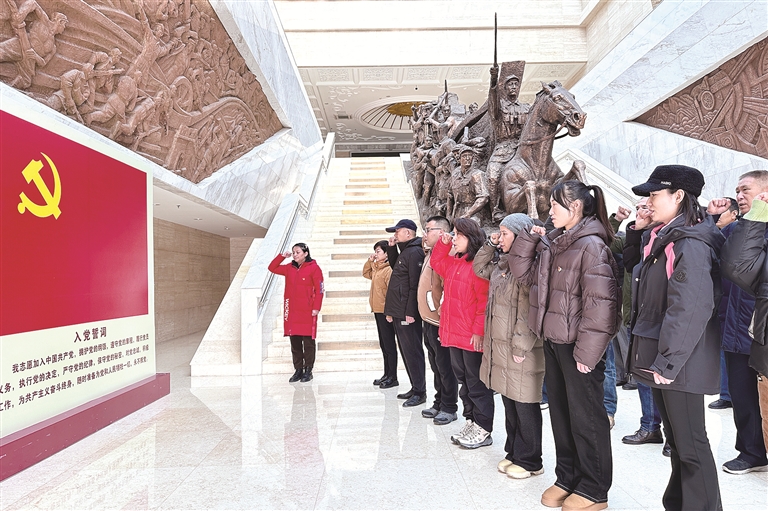
苏州高新区通安镇深化廉洁文化建设
Xin Lang Cai Jing· 2026-01-11 21:22
此外,通安镇还不断加强廉洁村居建设,推动廉洁文化与基层治理互促融合。树山村通过"月月听民 声"活动,定期收集村民对村务运行的意见建议,通过线上线下双渠道公开公示处理进度,推动停车 难、道路拥堵等问题得到有效缓解。达善社区通过开展廉洁手工活动、清廉主题评弹、清廉读书会等, 将廉韵清风融入居民日常生活与社区文化肌理,持续擦亮"廉洁从家出发"品牌。 通安镇纪委将继续加强"小微权力"监督和干部作风建设,不断深化廉洁村居建设,形成以清廉建设优化 基层治理、以治理优化促进清廉建设的良性循环。 李延昭 当前,通安镇不断创新活动形式、丰富教育载体,大力推动廉洁文化建设。苏州高新区"和美家风 廉居 共筑"主题活动落地通安,让廉洁教育深入家庭;结合传统节日和本地民俗,通安镇带动各党组织开展 清风迎新春、咏诗品廉、弘扬清廉家风等系列廉洁文化特色活动……一系列主题活动,让廉洁文化在通 安镇蔚然成风。 (来源:新华日报) 近日,苏州高新区通安镇纪委、妇联联合举办"树清廉家风 展巾帼风采"主题活动,发布了《清廉家风 倡议书》,并以一个个生动情节和鲜活事例,鼓励妇女发挥在家风建设中的独特作用,以良好家风带动 社风民风政风,为基层治理注入动 ...

勇于自我革命 答好“窑洞之问”
Xin Lang Cai Jing· 2026-01-11 18:13
每逢"五一"端午、中秋国庆、元旦春节等重要节点公开通报典型问题;截至目前已连续147个月公布全 国查处违反中央八项规定精神问题月报数据;学习教育期间公开通报3批共4起违规吃喝严重违反中央八 项规定精神问题…… 2025年,各级纪检监察机关着力推动正风反腐一体深化,坚持由风查腐、由腐纠风,以"查""治"贯通阻 断风腐演变,着力营造风清气正的政治生态。 扎牢"不能腐"的笼子,强化对权力运行的监督制约—— 2025年,二十届中央第五轮、第六轮巡视先后开展,完成对省区市巡视全覆盖。 与此同时,巡视组织方式创新不断深化,二十届中央第五、六轮巡视中,除常规巡视外,还对云南省昆 明市开展了提级巡视,对15个副省级城市开展了联动巡视,全面提升监督精准性有效性,不断提高巡视 发现问题的能力和水平。 各地也积极创新,穿插运用机动巡视、专项巡视和"回头看"等方式,推动巡视巡察上下联动、同向发 力。2025年,31个省区市和新疆生产建设兵团党委共巡视2663个党组织,一届任期内巡视覆盖率达到 85.7%。 一手抓监督到位,一手抓制度完善。 2025年6月1日,修改后的《中华人民共和国监察法》及其实施条例同步施行。 修改后的监察法及其 ...
苏州浒墅关经开区纪检监察工委:墨香伴清风 送“联”更颂“廉”
Xin Lang Cai Jing· 2026-01-08 22:04
乡村振兴实践馆前的广场上,书法家们铺展红纸、泼墨挥毫,村民们围聚桌前,争相领取这些蘸满了新 年祝福与清风正气的春联。活动现场还同步开展了修补鞋具、磨剪戗刀、爱心义剪等便民服务。线下送 福活动热闹非凡,线上提醒短信也准时触达辖区党员干部:"纪检监察工委提醒您,过节亦过关,元旦 期间请自觉遵守中央八项规定精神,自觉抵制'四风',清白过节、平安迎新。"这样的节前廉洁提示已 成为经开区纪检监察工委的常规工作内容,在元旦、春节、中秋、国庆等重要节点,通过"全覆盖"警示 提醒,督促党员干部时刻把规矩意识和纪律意识挺在前面,将廉政理念融入日常、抓在经常。 加强新时代廉洁文化建设是一体推进"三不腐"的基础性工程,其生命力在于扎根本地,引起共鸣。历史 上的浒墅关作为大运河畔的重要钞关,曾见证无数商旅往来,更积淀着深厚的廉吏文化。为了用好用活 这笔宝贵的文化遗产,经开区纪检监察工委组织牵头,各单位积极响应,共征得佳作近40篇,精心编印 成《浒墅关廉洁故事》读本。该书以生动笔触再现了历史廉吏的刚正操守,以真挚情感讲述当代榜样的 勤廉作风,充分挖掘"政通人和、民淳俗厚"背后的清廉根基,为党员干部们提供了接地气、有温度的本 地廉洁文化 ...
乐东注重家庭家教家风建设,取得显著成效
Hai Nan Ri Bao· 2025-12-30 01:45
乐东注重家庭家教家风建设,取得显著成效 涵养良好家风 筑牢家庭防线 昌化江从乐东县城经过。海南日报全媒体记者 王程龙 摄 海南日报全媒体记者 刘操 通讯员 林志笛 家风正则民风淳,民风淳则社稷安。领导干部的家风,不仅关系自己的家庭,而且连着党风政风。 近年来,乐东黎族自治县纪委监委把家风建设作为清廉乐东建设的重要载体,着力教育引导党员干部尤 其是领导干部发挥示范引领作用,清白做人、勤俭齐家、干净做事、廉洁从政,从严管好自己和家人,以清 廉家风涵养清朗党风政风社风,为乐东高质量发展注入奋发向上的精神力量。 突出"两个对象" 持续强化家风教育 近年来,乐东坚持把加强家风建设作为一体推进"三不腐"的基础性工程,与党风廉政建设同谋划、同部 署、同推进、同考核。整合纪检监察、组织、宣传、妇联等部门力量,出台《关于加强党员领导干部家风建 设的实施方案》,突出党员领导干部及其家属两个对象,持续强化家风教育。 如何抓住党员领导干部这个关键少数深化家风建设?乐东将强化家教家风作为干部履新"第一课",以新入 职、新提拔、新调动党员干部为重点,常态化开展任前廉政谈话,面对面提醒党员干部严格管好家属和身边 人,确保家风"硬约束"入脑 ...

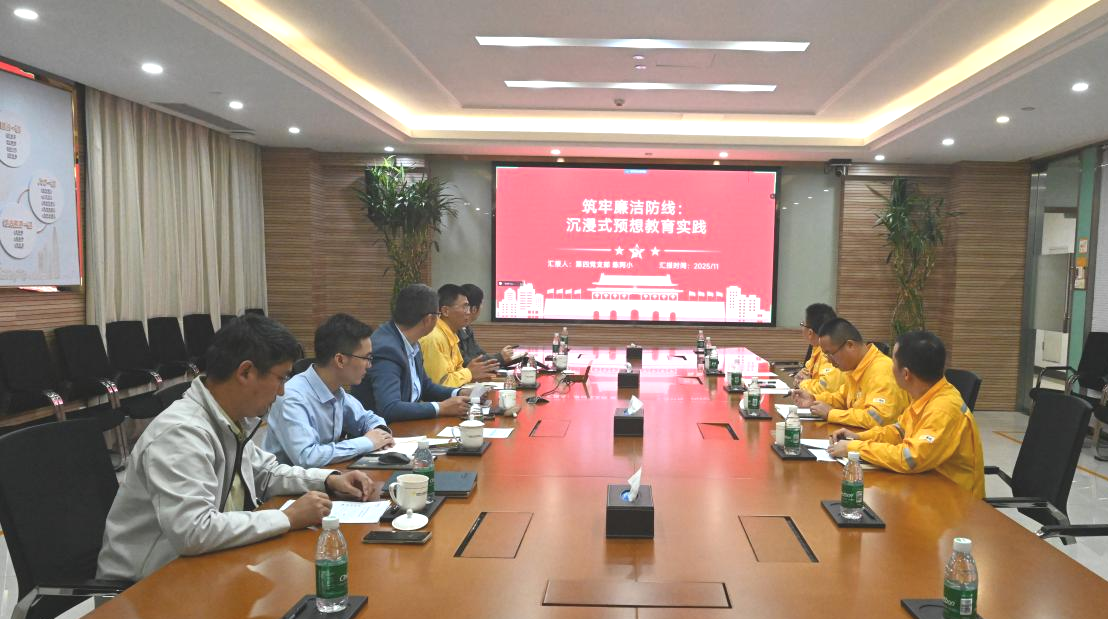
华润电力深汕公司 创新“沉浸式预想”廉洁教育活动 增强廉洁文化浸润力
Zhong Guo Neng Yuan Wang· 2025-12-29 06:49
Core Viewpoint - The article emphasizes the importance of innovative "immersive" integrity education in state-owned enterprises, particularly in the energy sector, to enhance anti-corruption efforts and promote high-quality development [1][8]. Group 1: Immersive Integrity Education - The company has adopted an "immersive imagination" approach to integrity education, moving away from traditional methods that often lack engagement and effectiveness [2][6]. - This approach encourages employees to envision potential integrity risks in their roles and to simulate the consequences of violations, thereby fostering a proactive mindset towards compliance [2][7]. Group 2: Practical Application of Risks - Employees are guided to transform abstract disciplinary concepts into concrete scenarios relevant to their specific job functions, making the risks more relatable and tangible [4][5]. - Examples include procurement staff considering the implications of accepting gifts from suppliers, and technical staff reflecting on the consequences of falsifying experimental data [4][5]. Group 3: Comprehensive Education Mechanism - The company has established a full-chain mechanism for integrity education that includes case creation, group discussions, insights extraction, corrective actions, and follow-up visits [6]. - This structured approach aims to ensure that the integrity education process is thorough and effective, addressing common issues identified during discussions [6][8]. Group 4: Enhanced Awareness and Culture - The immersive education practice has led to a significant increase in the awareness of disciplinary compliance among employees, fostering a culture where everyone actively participates in identifying and mitigating risks [7][8]. - The initiative has created a positive environment where integrity is prioritized, and employees feel a collective responsibility to uphold ethical standards [7][8]. Group 5: Key Insights for Future Education - The practice highlights the necessity for integrity education in state-owned enterprises to be closely aligned with job realities, ensuring that all employees can relate to the scenarios presented [8]. - It also stresses the importance of a robust supervisory system that integrates organizational, familial, and disciplinary oversight to reinforce integrity [8].

国有企业破解新型与隐性腐败难题的思考
Jing Ji Wang· 2025-12-29 03:36
Core Viewpoint - The fight against corruption in state-owned enterprises remains a significant challenge, with new and hidden forms of corruption emerging, necessitating urgent and systematic governance measures [1][2][13]. Group 1: Characteristics of New and Hidden Corruption - New and hidden corruption exhibits five prominent characteristics: indirect profit acquisition, concealed transactions, technological empowerment, cross-sector involvement, and delayed consequences [1]. - Indirect profit acquisition involves methods such as "shadow companies" and false transactions, elongating the benefit transfer chain [1]. - Concealed transactions disguise corrupt practices under normal market activities using terms like "consulting fees" and "service fees" [1]. - Technological empowerment utilizes digital currencies and blockchain to obscure fund flows [1]. - Cross-sector involvement integrates corruption into finance, capital operations, and technological innovation [1]. - Delayed consequences mean that the harmful effects may only become apparent years later, often resulting in significant losses of state assets [1]. Group 2: Upgrading Supervision and Governance - Traditional supervision methods focusing on overt cash transactions are inadequate against sophisticated corruption tactics [2]. - The Central Commission for Discipline Inspection has issued guidelines to aid in the discovery and evidence collection of new forms of corruption [2]. - State-owned enterprise discipline inspection departments must evolve from passive responses to proactive warnings and from isolated actions to systematic governance [2]. Group 3: Integration of Political and Professional Supervision - There is a need to reshape the understanding of discipline inspection, moving beyond mere case handling to recognizing the political implications of hidden corruption [3]. - Supervision should focus on whether the supervised entities are loyal to the party and the people's interests, prioritizing national and enterprise benefits over personal gains [3]. Group 4: Professional Knowledge and Risk Management - Inspectors must possess expertise in finance, capital operations, and digital economy to effectively identify hidden corruption [4]. - A shift from reactive corrections to proactive involvement in decision-making processes is essential, particularly in high-risk areas like major investments and acquisitions [5]. Group 5: Establishing a Robust Supervision System - A comprehensive and intelligent supervision system is necessary to combat new forms of hidden corruption [6]. - Key processes in decision-making, procurement, and personnel selection should be transparent and subject to public scrutiny [6]. - The establishment of a "clean risk big data pool" will facilitate the use of big data and AI to identify and preemptively address corruption risks [7]. Group 6: Cultural and Ethical Foundations - Building a culture that discourages corruption is crucial, requiring long-term efforts to create an environment that nurtures integrity [10]. - Education on corruption risks should be relevant and relatable to employees, using real cases to illustrate the consequences of corrupt behavior [10]. - Leadership must exemplify integrity, ensuring that ethical behavior is ingrained in the organizational culture [11][12]. Group 7: Continuous Improvement and Strategic Focus - Addressing new and hidden corruption is a long-term battle that tests the political acumen and professional capabilities of discipline inspectors [13]. - A holistic approach combining political supervision, institutional strength, intelligent oversight, and cultural integrity is essential for effectively combating corruption [13].
国机集团:把巡视利剑磨得更光更亮
Zhong Yang Ji Wei Guo Jia Jian Wei Wang Zhan· 2025-12-26 03:57
Group 1 - The core viewpoint emphasizes the importance of advancing inspection work as a strong tool for strict governance of the Party, focusing on creating a distinctive inspection supervision system [1] - The inspection system aims to enhance the effectiveness of political inspections, ensuring that the supervision is targeted and penetrating, particularly focusing on key areas such as advanced equipment manufacturing and engineering contracting [2][3] - The company is committed to building a high-quality professional cadre team to support the new industrialization efforts, addressing issues related to talent management and organizational capacity [3] Group 2 - The company is implementing a comprehensive inspection mechanism that includes various types of inspections to identify and address major contradictions affecting high-quality development [2] - A systematic approach is being established to ensure the effective use of inspection results, with a focus on rectifying issues and enhancing the political ecology within enterprises [4] - The company is strengthening its internal supervision mechanisms and promoting a culture of integrity through continuous education and awareness programs [3][4]
盱眙农商银行营造风清气正的政治生态和经营环境
Jiang Nan Shi Bao· 2025-12-25 13:47
今年来,盱眙农商银行党委理论学习中心组带头开展专题学习18次,深入研讨新时代廉洁文化的内涵与 实践路径。在信贷领域,通过对资金流向的穿透式追踪,强化贷后资金用途的真实性监测;在员工行为 管理方面,运用数据挖掘技术分析账户交易、社交关系等疑点数据,提升对"微腐败"和不正之风的发现 能力;在采购招投标等领域,探索利用数据比对技术增强过程监督的客观性。多元化拓展教育载体。开 展"廉洁文化作品征集"活动,收到书画、摄影、微视频等作品26件。与地方纪委监委合作建立廉洁教育 基地,组织8批320人次参观学习。推出"廉洁故事会"活动,邀请老员工讲述廉洁从业经历,增强教育感 染力。常态化推进共建共享。与县纪委监委建立联动监督机制,每季度召开联席会议,共享监督信息。 建立廉洁建设成效评估体系,将评估结果纳入分支机构和员工绩效考核。 孙丹丹 江南时报讯 今年以来,盱眙农商银行将廉洁文化建设作为推进全面从严治党的重要抓手,通过一系列 扎实举措,持续营造风清气正的政治生态和经营环境,为全行高质量发展提供坚强保障。 ...