
旅游市场整治

Search documents
假期旅游怕被坑?文旅部打出整治组合拳
券商中国· 2025-07-09 15:20
Core Viewpoint - The article discusses the measures taken by the Ministry of Culture and Tourism to address forced shopping in the tourism market, ensuring a safer and more enjoyable travel experience for tourists [2][3][4]. Group 1: Special Governance Actions - The Ministry of Culture and Tourism, in collaboration with the Ministry of Public Security and the State Administration for Market Regulation, has launched a one-year special governance campaign to tackle forced shopping issues in the tourism market [3]. - The ministry emphasizes a "zero tolerance" approach, focusing on key areas where shopping activities are concentrated, and will take immediate action against reported violations to protect tourists' rights [3][4]. Group 2: Release of Guidelines and Manuals - The Ministry has released the "Tourism Avoid Pitfalls Guide" and "Tourism Safety Practical Manual" to help tourists avoid scams and ensure safety during their travels [7]. - The "Avoid Pitfalls" section highlights six types of scams, including false advertising, unqualified operators, and low-price bait-and-switch tactics [7]. - The "Avoid Risks" section provides safety tips for common risks, including natural disasters and transportation accidents, and emphasizes self-protection skills [8]. Group 3: Quality Improvement in Scenic Areas - The Ministry is continuously promoting quality improvement actions in scenic areas, including dynamic management of quality ratings and implementing foundational renewal actions [9]. - As of 2024, 229 A-level scenic areas have been downgraded or had their ratings canceled, with a focus on enhancing service quality and visitor experience [9]. - The ministry aims to strengthen reservation management and crowd control in popular scenic areas while integrating cultural elements to enhance the overall visitor experience [9].


整治强迫购物、诱导消费等行为,文旅部规范暑期旅游市场秩序
Bei Jing Shang Bao· 2025-07-09 11:32
Core Viewpoint - The Ministry of Culture and Tourism (MCT) is intensifying efforts to regulate the tourism market ahead of the summer travel peak, focusing on combating forced shopping and price fraud to protect consumer rights and maintain market order [1][3][4]. Group 1: Regulatory Actions - MCT will conduct a nationwide crackdown on illegal activities in the tourism sector, targeting travel agencies, shopping stores, tour guides, and online travel operators [3][5]. - A one-year special rectification campaign has been initiated to address forced shopping issues through comprehensive governance [3][6]. - The first batch of 15 entities identified as serious credit offenders in the tourism market has been published, including companies like Xinjiang Huayu Stone Tourism Co., Ltd. and Hainan Youmeng International Travel Agency Co., Ltd. [6][8]. Group 2: Specific Violations Targeted - The focus will be on travel agencies engaging in unauthorized operations, luring tourists with below-cost prices, and obtaining kickbacks through shopping arrangements [5][9]. - Tourist shopping stores will be scrutinized for misleading consumers, promoting overpriced low-quality goods, and using false discounts for price fraud [3][5]. - Tour guides will be monitored for inducing or forcing tourists to consume, operating without a valid guide certificate, and unauthorized contracting of guiding services [5][9]. Group 3: Collaborative Efforts - MCT will collaborate with public security and market regulation departments to strengthen enforcement against unlicensed travel agencies, false advertising, and other illegal practices [9]. - Daily monitoring will be enhanced to regulate pricing behaviors in related tourism sectors, including dining, accommodation, and online travel platforms [9]. - Continuous inspections will be conducted to identify and report issues related to forced shopping and safety hazards in popular tourist routes and attractions [9].
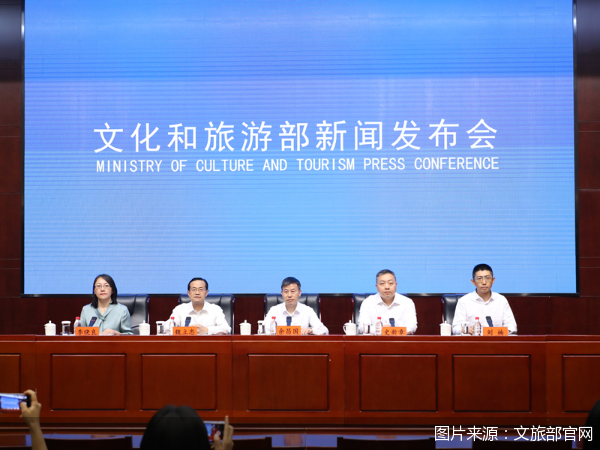
整治旅游市场强迫购物,文旅、公安、市监三部门将联合行动
Nan Fang Du Shi Bao· 2025-07-09 09:22
Core Viewpoint - The Ministry of Culture and Tourism is launching a year-long campaign to combat forced shopping in the tourism sector, which severely infringes on tourists' rights [1][4]. Group 1: Regulatory Actions - The campaign will focus on areas with concentrated tourism shopping activities, targeting travel agencies, shopping stores, tour guides, and online travel operators [3]. - Travel agencies will be scrutinized for illegal operations, such as conducting business without a license and luring tourists with prices below cost to gain kickbacks through shopping arrangements [3]. - Tourism shopping stores will be monitored for misleading consumers, promoting overpriced low-quality goods, and engaging in price fraud through false discounts [3]. Group 2: Enforcement Measures - Tour guides will face penalties for inducing or forcing tourists to consume, operating without a tour guide license, and privately undertaking guiding services without agency assignment [3]. - Online travel operators will be targeted for offering travel products below cost, inducing off-platform transactions, and illegally collecting deposits [3]. - The campaign will adopt a combined approach of prevention and punishment, ensuring synchronized governance between tourist source and destination areas, as well as online and offline regulation [3]. Group 3: Collaborative Efforts - The initiative will involve collaboration with the Public Security Bureau and the Market Supervision Administration to address illegal activities such as unlicensed travel agency operations, false advertising, and forced transactions [4]. - The Ministry aims to create a safe consumption environment for tourists by rigorously enforcing laws against various forms of fraud and coercion in the tourism sector [4].
清风为伴产业兴丨湄洲岛上旅游旺
Zhong Yang Ji Wei Guo Jia Jian Wei Wang Zhan· 2025-05-14 23:54
Group 1 - The tourism industry is a pillar for Meizhou Island, and optimizing the business environment is crucial for attracting investors and ensuring a healthy development of the industry [1][2] - The local supervisory committee has identified issues in the tourism market, including illegal solicitation by businesses and inadequate supervision from relevant departments, which affect market order [1] - A special meeting was convened to address these issues, resulting in serious discussions with 12 heads of relevant units and 3 leaders in charge [1] Group 2 - The island features over 600 unique homestays, providing employment for nearly 3,000 island residents [2] - A special supervision initiative in the homestay sector revealed that inadequate policy promotion led to misunderstandings among homestay owners regarding design unit selection [2] - The supervisory committee urged tourism departments to enhance promotional efforts and established three oversight groups to address issues in the homestay approval process, including disorganized procedures and low efficiency [2]
整治乱象!文旅部公布首批旅游市场强制消费16个典型案例
Nan Fang Du Shi Bao· 2025-05-12 23:14
Core Viewpoint - The Ministry of Culture and Tourism has initiated a special rectification action to address issues such as forced consumption and guide misconduct in the tourism market, releasing a list of 16 typical cases of forced consumption [1] Group 1: Case Summaries - Case 1: A tour guide was sentenced to 7 months in prison and fined 6,000 yuan for forcing tourists to buy a self-paid project ticket priced at 1,680 yuan, violating regulations [2] - Case 2: A tour guide was fined 5,000 yuan for coercing tourists to shop by threatening to have them sign a termination agreement if they did not comply [3] - Case 3: A tour guide was fined 15,000 yuan and had their license revoked for detaining tourists until they purchased a self-paid project costing 390 yuan [4] - Case 4: A travel agency was penalized for misleading tourists into shopping by falsely claiming government subsidies, resulting in fines and license revocation [5] - Case 5: A tour guide was penalized for coercing tourists to participate in self-paid projects, using inappropriate language to pressure them [7] - Case 6: A tour guide was fined 5,000 yuan for deceiving tourists into purchasing self-paid projects with false statements [8] - Case 7: A tour guide misled tourists into shopping by claiming a government partnership, resulting in fines and penalties for the travel agency [15] - Case 8: A tour guide was fined for coercing tourists to shop by making inappropriate threats [17] - Case 9: A travel agency was penalized for organizing tours at below-cost prices and forcing tourists to shop, leading to significant fines [22] - Case 10: A tour guide was fined for using false claims about government policies to pressure tourists into shopping [26]