民宿服务

Search documents
不卖石头卖风景
Ren Min Ri Bao· 2026-02-25 00:03
Core Insights - The article highlights the transformation of the Woxian Valley area in Jiangxi, where local businesses have shifted from traditional stone mining to tourism and hospitality, resulting in significant economic benefits for the community [1][5]. Group 1: Business Transformation - The owner of a local restaurant, Wu Qifu, reports an annual revenue of over 5 million yuan, a stark contrast to his previous life as a stone miner [2][5]. - The closure of 179 stone factories in 2007 allowed the area to recover and pivot towards tourism, leading to a more sustainable economic model [5][6]. Group 2: Economic Impact on Local Residents - Local residents, such as Zhou Ganhua, have capitalized on the tourism boom, with his family earning over 300,000 yuan from lodging and additional income from renting out space for dining [6]. - Young entrepreneurs like Mei Xiangcai are innovating in the hospitality sector by managing accommodations through digital platforms, enhancing the visitor experience with services beyond just lodging [7]. Group 3: Community Development - The local government has supported this transition by providing subsidized loans to residents for upgrading their properties, contributing to the overall economic uplift of the area [6]. - The shift from "selling stone" to "selling scenery" reflects a broader trend of valuing environmental conservation alongside economic growth, as noted by local officials [5].
马年春节假日盘点·消费篇
Xin Lang Cai Jing· 2026-02-24 14:12
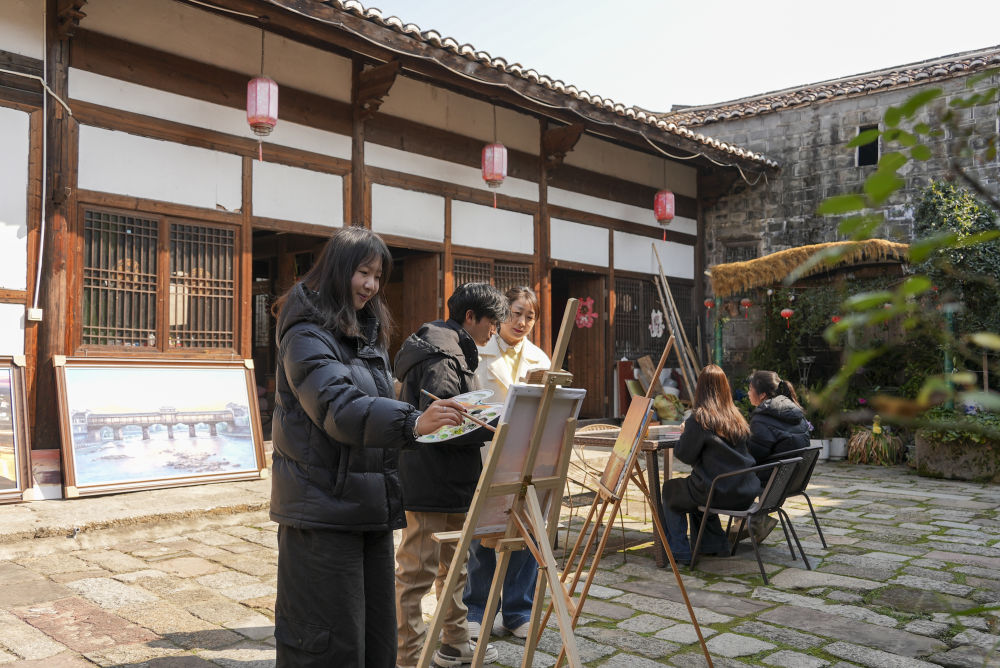
Group 1: New Scenes - The 2026 Spring Festival is characterized by a shift towards "traveling for the New Year" and "vacation-style celebrations," with families increasingly opting for travel experiences over traditional visits [2][4] - In Fuzhou, the ancient city of Lichuan saw a surge in family outings, with fully booked accommodations and popular activities like free oil painting experiences attracting visitors [2][4] - Young consumers are becoming the main force in Spring Festival spending, with unique venues like Yuefang ID MALL in Changsha and the "Future Ocean" exhibition in Tianjin drawing significant crowds [4][6] Group 2: New Trends - There is a noticeable shift from purchasing physical goods to services, with consumers willing to pay for convenience and quality [5][6] - In Chongqing, the rise of home chef services reflects this trend, with families finding value in customized meal preparations [5][6] - Professional cleaning services are also gaining popularity, particularly among younger families, indicating a growing trend of outsourcing household tasks [5] Group 3: New Flow - The Spring Festival has seen a boost in "China Travel" and "China Shopping," with an increase in foreign tourists and a more open approach to international visitors [6][7] - In Hainan, the duty-free shopping experience has become a major attraction, with significant sales figures reported during the holiday period [6][7] - The implementation of visa-free policies for certain countries has further enhanced the appeal of China as a destination for international travelers, with predictions of over 2.05 million travelers entering the country during the holiday [7]

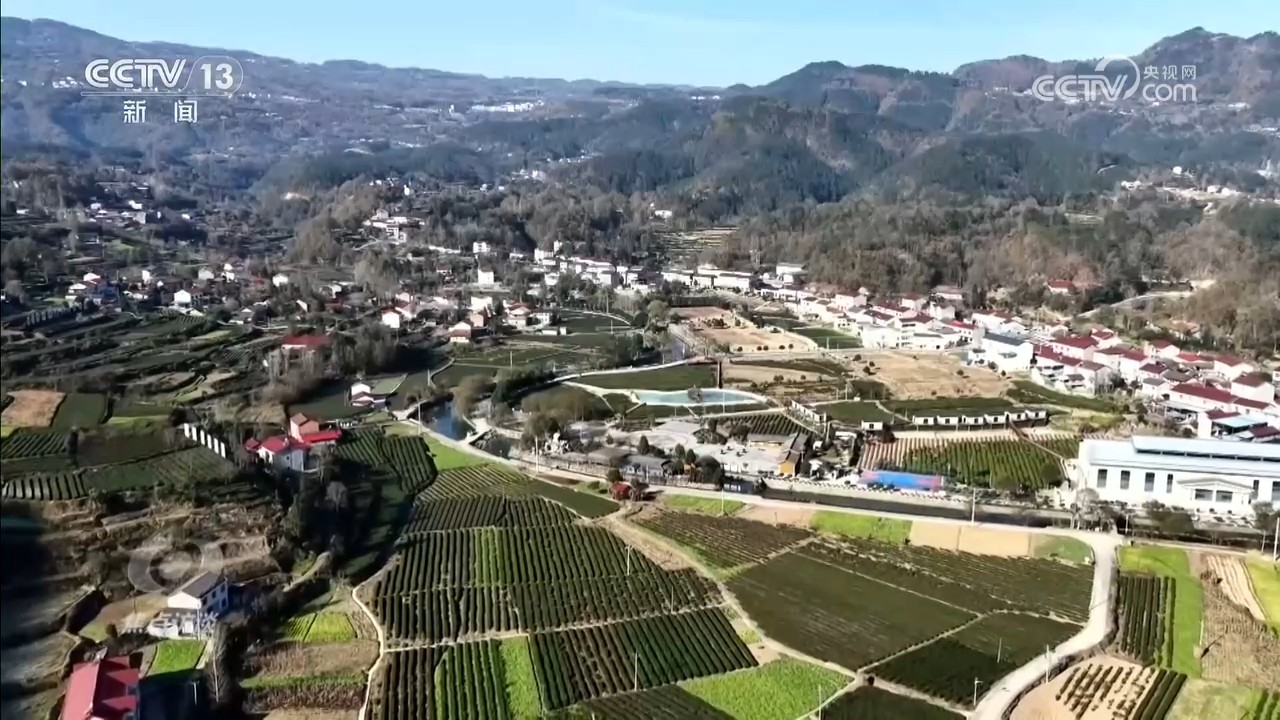
“赤溪村的变化,说不完!”
Ren Min Ri Bao· 2026-02-20 03:34
Core Viewpoint - The article highlights the significant transformation of Chixi Village in Fujian Province over the past decade, showcasing improvements in infrastructure, education, healthcare, and economic development driven by targeted poverty alleviation efforts and local initiatives. Group 1: Economic Development - The average disposable income of villagers increased from 15,696 yuan to 41,856 yuan over the past ten years [6] - The village has diversified its economy by developing tourism, agriculture, and local businesses, including homestays and specialty food services [9][10] - The establishment of the "Happiness Chixi" trademark aims to promote local tea products, enhancing the value chain from cultivation to sales [10] Group 2: Infrastructure and Education - The village has seen improvements in educational facilities, with the establishment of a new primary school that has increased student enrollment from over 60 to more than 100 [4] - A new village hospital has been built, reducing the need for residents to travel to the city for minor health issues [4] - Community leaders are focused on upgrading infrastructure from "adequate" to "excellent" to better serve the needs of residents [4] Group 3: Community Engagement and Initiatives - Villagers actively participate in discussions about future development, indicating a strong sense of community and collaboration [8] - The village has implemented various projects, such as bamboo rafting and outdoor activities, to attract tourists and generate income [10] - Local leaders emphasize the importance of tailored approaches to development, ensuring that initiatives align with the unique characteristics of the village [10]
一位民宿管家的守岁年
Xin Lang Cai Jing· 2026-02-15 23:22
Core Insights - The article highlights the experiences of a homestay manager during the Chinese New Year, emphasizing the dedication and warmth provided to guests during this festive period [1][2] Group 1: Homestay Operations - The homestay manager, Ning Zhong, begins his day early, ensuring the cleanliness and festive decorations of the property, which reflects the importance of maintaining a welcoming environment for guests [1] - During the New Year, the majority of guests are families, often staying for several days to celebrate together, indicating a trend towards family-oriented travel during this holiday [1] - Guests frequently inquire about traditional activities such as firecrackers and dumpling-making, showcasing the demand for authentic cultural experiences during their stay [1] Group 2: Guest Interaction and Experience - Ning Zhong emphasizes the importance of personal interaction with guests, often sharing meals and engaging in conversations to foster a sense of community and warmth [1] - The article recounts a specific instance where a couple, unable to return home for the New Year, felt a sense of belonging and warmth through the homestay experience, highlighting the emotional impact of such services [1] - The manager's commitment to creating a memorable experience for guests during the New Year is evident, as he prioritizes activities that enhance the festive atmosphere and provide comfort [1][2]
老牛湾村,民宿生意好(新春走基层·建设宜居宜业和美乡村)
Ren Min Ri Bao· 2026-02-15 23:13
Core Insights - The article highlights the successful transformation of Laoniuwan Village in Shanxi Province, where the local economy has improved significantly through the development of the homestay business, driven by tourism and environmental restoration efforts [1][2]. Group 1: Business Performance - The homestay business in Laoniuwan Village has become increasingly profitable, with each of the 40 guest rooms generating over 200,000 yuan in net profit annually [1]. - The village received nearly 200,000 tourists last year, contributing to an average annual disposable income of over 35,000 yuan per person for the villagers [2]. Group 2: Environmental and Infrastructure Development - The implementation of the "Three-North" Shelter Forest Program has improved the ecological environment, increasing vegetation coverage and attracting more visitors to the village [1]. - Recent infrastructure improvements include the construction of a sewage treatment plant, viewing platforms, and a visitor center, along with plans to install new energy charging stations to enhance tourist convenience [1]. Group 3: Challenges and Adaptations - Despite the success, the business faces challenges such as customer complaints, exemplified by a recent negative review regarding a caterpillar in a room, prompting the owner to enhance cleanliness and comfort standards [2]. - The village has standardized and branded over 200 homestays in the past two years, moving towards a more organized and collective development approach [2].
以多元形式点燃乡村年味,第二届德胜乡村振兴大集启幕
Xin Lang Cai Jing· 2026-02-14 15:36
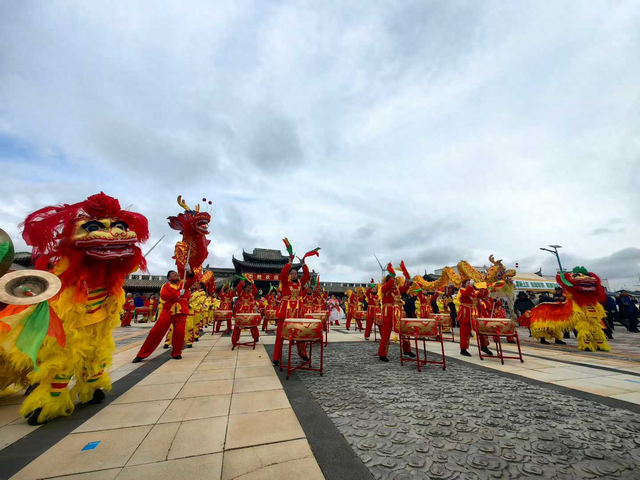
Core Viewpoint - The event "Happy Opening Smile, Prosperous Desheng Year" showcased the achievements of rural revitalization in Desheng Village, combining folk performances, public welfare, and cultural tourism to celebrate the New Year and foster community spirit [1][3]. Group 1: Event Highlights - The event featured vibrant folk performances, including a grand parade of folk dances, dragon and lion dances, and street performances, creating a lively atmosphere that attracted attendees [1][3]. - A special area for local cuisine was set up, offering traditional dishes that reflect the village's culture, while public welfare activities distributed "Fu" characters to convey New Year blessings [3]. - The night concluded with a dazzling lantern display and a bonfire gathering, where villagers and visitors celebrated together, enhancing the cultural experience [3]. Group 2: Economic Development - Desheng Village has developed three key industries: potatoes, photovoltaics, and homestays, with annual potato production exceeding 10 million yuan, stable income from photovoltaics over 600,000 yuan, and over 50,000 tourists hosted in homestays [5]. - The village's average annual income per capita is projected to reach 25,800 yuan by 2025, with collective annual income reaching 3.5 million yuan, marking a significant transformation from a poor village to a prosperous one [5]. - Efforts to strengthen cultural teams and improve cultural facilities have integrated traditional culture with modern civilization, enriching the village's cultural atmosphere [5].
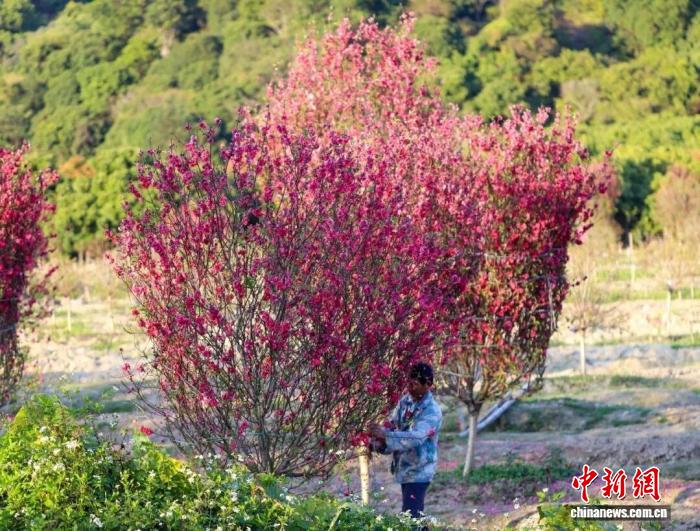
广东锦二村:“桃花经济”节前热 特色产业赋能乡村振兴
Zhong Guo Xin Wen Wang· 2026-02-07 08:28
Core Viewpoint - The article highlights the "Peach Blossom Economy" in Jin Er Village, Guangzhou, which is thriving ahead of the Spring Festival, showcasing the integration of agriculture and tourism to empower rural revitalization [1][4]. Group 1: Peach Blossom Industry - Jin Er Village, known as "Peach Blossom Village," has a history of over 40 years in peach blossom cultivation, benefiting from favorable soil and climate conditions [4]. - The peach blossoms are characterized by strong branches, vibrant colors, and dense buds, making them a popular choice in the Pearl River Delta and Hong Kong-Macau regions for the Spring Festival flower market [4]. - Farmers in Jin Er Village utilize rich planting experience and scientific management techniques to ensure each peach blossom has both ornamental value and auspicious meaning [4]. Group 2: Rural Tourism Development - The village has developed a model of "Agriculture + Cultural Tourism," leveraging the peach blossom industry to create unique rural tourism experiences [4]. - Visitors can not only purchase peach blossoms but also engage in activities such as picking watercress, tasting authentic farmhouse cuisine, and staying in distinctive homestays, allowing for an immersive experience of rural beauty [4].
浙江德清“百寿宴”举办十载 演绎乡村善治“暖风景”
Xin Lang Cai Jing· 2026-02-04 14:19
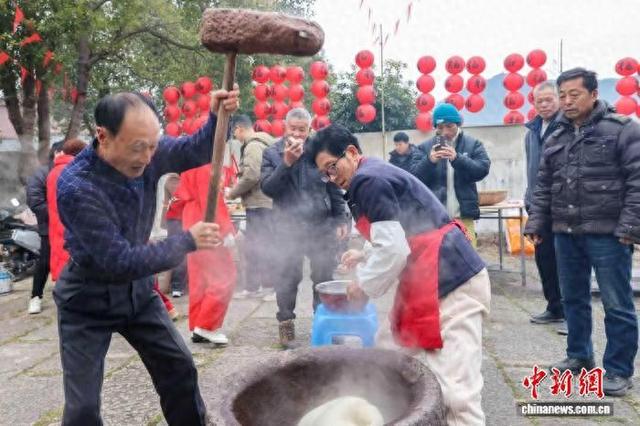
Core Viewpoint - The "Hundred Birthday Feast" in Xiantan Village, Deqing County, Zhejiang Province, serves as a significant cultural event that fosters community spirit and honors elderly residents, reflecting the village's development and the growth of its homestay industry [1][7]. Group 1: Event Overview - The tenth "Hundred Birthday Feast" gathered 117 elderly residents over 80 years old, showcasing traditional performances and activities such as making rice cakes and writing Spring Festival couplets [1][3]. - Each elderly participant received a 380 yuan red envelope from local homestay owners as a gesture of respect and blessing [1]. Group 2: Community and Economic Impact - The event is organized by local homestay owners and caring enterprises, highlighting the community's commitment to honoring its elders [1][5]. - The growth of the homestay industry is linked to the overall development of the village, with 166 homestays currently operating and new business formats like cafes and camping sites emerging [1][7]. - In 2023, the village welcomed over 150,000 tourists, leading to a collective economic income of 5.36 million yuan [1][7]. Group 3: Cultural Significance - The "Hundred Birthday Feast" has become a cultural brand for the village, promoting unity and warmth among residents while enhancing the village's image [1][7]. - The event reflects the positive changes in the village, with a focus on improving living conditions and attracting investment, driven by the return of young entrepreneurs [1][7].
“生态赤字”如何变为“美丽经济”?这些乡村给出了答案
Yang Shi Xin Wen Ke Hu Duan· 2026-01-31 12:32
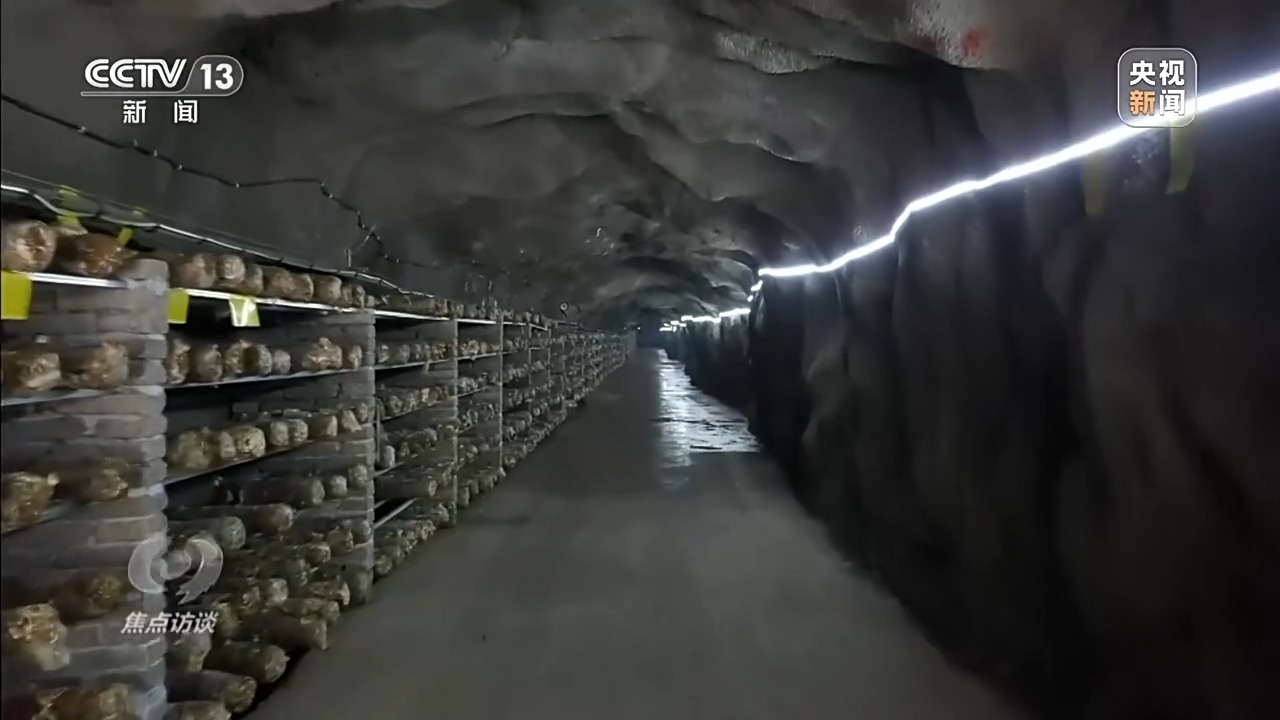
Core Viewpoint - The construction of beautiful rural areas is crucial for rural revitalization, the overall development of a beautiful China, and ecological civilization [13] Group 1: Beautiful Rural Areas and Ecological Development - The Ministry of Ecology and Environment has announced the first batch of beautiful rural pilot areas, which includes 23 counties (cities, districts) [13] - Beautiful rural areas are characterized by clean villages, effective sewage and waste management, and the elimination of black and odorous water bodies [9] - The pilot areas are expected to explore high-quality, low-cost environmental governance technologies and practices that can be replicated and promoted [11] Group 2: Case Study of Baokang County - Baokang County has transformed its economy from mining to edible mushroom production, utilizing abandoned mines for cultivation, achieving an annual output value exceeding 50 million yuan [5] - The county has implemented ecological restoration and improved rural living environments, with over 75% of rural sewage treated and 97% of household waste managed harmlessly [7] - The local tourism revenue is projected to reach 5.5 billion yuan by 2025, with a green GDP contribution rate of over 40% [7] Group 3: Integration of Urban and Rural Development - The development of beautiful rural areas is also aimed at promoting urban-rural integration and addressing the dual structure of development [15] - In Liyang, Jiangsu, the "Liyang No. 1 Road" connects various rural tourism points, enhancing the local tourism industry and increasing farmers' incomes [17][19] - The integration of cultural, sports, and tourism industries in rural areas has led to significant economic benefits for local communities [19] Group 4: Future Goals and Initiatives - By 2027, the goal is to support around 100 counties in building beautiful rural pilot areas, aiming for a 40% completion rate of beautiful rural areas across over 2,800 agricultural counties [27] - The quality of rural ecological environments is expected to improve continuously, with a target of 20% completion of beautiful rural areas by 2025 [27] - The emphasis is on creating high-quality living spaces in rural areas to enhance the sense of gain and happiness among farmers [27]
焦点访谈|为何要建美丽乡村先行区?答案藏在这些变化里
Yang Shi Wang· 2026-01-30 13:30
Core Viewpoint - The construction of beautiful villages is crucial for rural revitalization, the overall ecological civilization, and the development of a beautiful China, with the Ministry of Ecology and Environment recently announcing the first batch of 23 beautiful village pilot areas [1][8]. Group 1: Beautiful Village Pilot Areas - The first batch of beautiful village pilot areas includes 23 counties (cities, districts) such as Anji in Zhejiang, Shaoshan in Hunan, and Panjin in Liaoning, which meet basic conditions like clean mountains and waters, effective sewage and waste management, and the elimination of black and odorous water bodies [5][8]. - These pilot areas are expected to explore high-quality, low-cost environmental governance techniques and promote replicable experiences in transforming ecological advantages into economic benefits [6][12]. Group 2: Ecological Restoration and Economic Transformation - In Baokang County, the transition from mining to edible mushroom production in abandoned mines has led to an annual output of 3 million mushroom sticks and a revenue exceeding 50 million yuan, showcasing a successful model of ecological restoration [3][5]. - The county has also achieved over 75% sewage treatment and 97% harmless waste disposal rates, indicating a shift from ecological deficit to a "beautiful economy" [5][12]. Group 3: Urban-Rural Integration and Development - The development of the "1st Road" in Liyang, Jiangsu, has connected 312 natural villages and over 220 rural tourism spots, facilitating the integration of urban management experiences into rural development [10][12]. - The establishment of a homestay industry association has helped local villages like Wangjia Village to enhance their tourism offerings, resulting in collective operating income exceeding 300,000 yuan [10][12]. Group 4: Agricultural and Environmental Improvements - In Huaiyang District, Zhoukou, Henan, systematic governance of a previously polluted pond has restored its ecological system, enhancing agricultural productivity and water conservation [14][16]. - The introduction of "fishing-solar complementary" projects in local ponds has generated significant income through both aquaculture and renewable energy production, demonstrating innovative agricultural practices [16][18]. Group 5: Future Goals and Vision - By 2027, the goal is to support around 100 counties in establishing beautiful village pilot areas, aiming for a 40% completion rate of beautiful villages across over 2,800 agricultural counties [16][18]. - The emphasis on creating high-quality living spaces in rural areas aligns with the broader vision of making beautiful villages a hallmark of a modernized strong nation and a vibrant ecological civilization [18].