
日本再军事化

Search documents
日本拉拢美菲动作不断,中方:暴露“再军事化”企图
Huan Qiu Shi Bao· 2026-01-16 22:44
Group 1 - The core viewpoint of the articles highlights the strengthening of the Japan-U.S. alliance, particularly in response to increasing military activities by China in the Taiwan Strait and surrounding regions [1][2] - Japan's Defense Minister, Kono Shinjiro, and U.S. Defense Secretary Lloyd Austin agreed to prioritize the expansion of joint presence in Japan's southwestern islands, including Okinawa, as a key aspect of their alliance [1] - Discussions included the significant increase in production of the upgraded interceptor missile "SM-3 Block 2A," indicating a focus on enhancing regional deterrence capabilities [1] Group 2 - The Japanese government is seeking to confirm U.S. military involvement in Asian defense to maintain deterrence, with Kono's visit to the U.S. being part of this effort [2] - Japan and the Philippines signed a mutual logistics support agreement, with Japan pledging millions of dollars in security assistance, emphasizing the importance of trilateral cooperation with the U.S. [2] - Chinese officials have criticized Japan's military security movements, accusing it of militarization and expansionist ambitions, reflecting concerns over Japan's historical militarism [2]
坚决抵制日本军国主义死灰复燃
Xin Lang Cai Jing· 2026-01-16 22:13
Core Viewpoint - The Chinese government expresses strong opposition to the military cooperation between Japan and the Philippines, emphasizing the need to resist the resurgence of Japanese militarism and maintain regional peace and stability [1]. Group 1: Military Cooperation - Japan and the Philippines have signed an agreement to enhance military logistics cooperation, with Japan pledging to provide millions of dollars in security assistance to strengthen their so-called "quasi-alliance" [1]. - The Chinese government asserts that cooperation between countries should not target third parties or undermine their interests, nor should it disrupt regional peace and stability [1]. Group 2: Historical Context - The spokesperson highlights Japan's militaristic past, specifically its invasion of the Philippines during World War II, which involved the persecution of Filipino people and the killing of Chinese diplomatic officials [1]. - There is a call for remembrance of this history and a demand for accountability regarding Japan's past actions [1]. Group 3: Regional Reactions - There is a growing criticism from Southeast Asian countries and the international community regarding Japan's military security movements [1]. - The spokesperson accuses Japan of not reflecting on its past and instead fabricating excuses to expand its military capabilities, revealing intentions of re-militarization and military expansion [1].
外交部回应日菲加强军事合作:应坚决抵制日本军国主义死灰复燃
Yang Shi Xin Wen Ke Hu Duan· 2026-01-16 08:02
Core Viewpoint - The Chinese government expresses strong opposition to the military cooperation agreement between Japan and the Philippines, emphasizing that such collaborations should not target third parties or undermine regional peace and stability [1] Group 1: Historical Context - The spokesperson highlights Japan's militaristic past, specifically its invasion of the Philippines during World War II, which involved violence and oppression against the Filipino people [1] - The historical grievances include the brutal killing of Chinese diplomatic officials by Japanese forces, which the spokesperson insists must be remembered and addressed [1] Group 2: Current Military Dynamics - There is a growing criticism from Southeast Asian countries and the international community regarding Japan's military security movements, which are perceived as a resurgence of militarism [1] - Japan is accused of fabricating excuses to expand its military capabilities and export lethal weapons, indicating a push from right-wing factions in Japan for re-militarization and military expansion [1] Group 3: Call to Action - The spokesperson urges all peace-loving nations and peoples to firmly resist the resurgence of Japanese militarism and re-militarization, advocating for the maintenance of regional peace and stability [1]
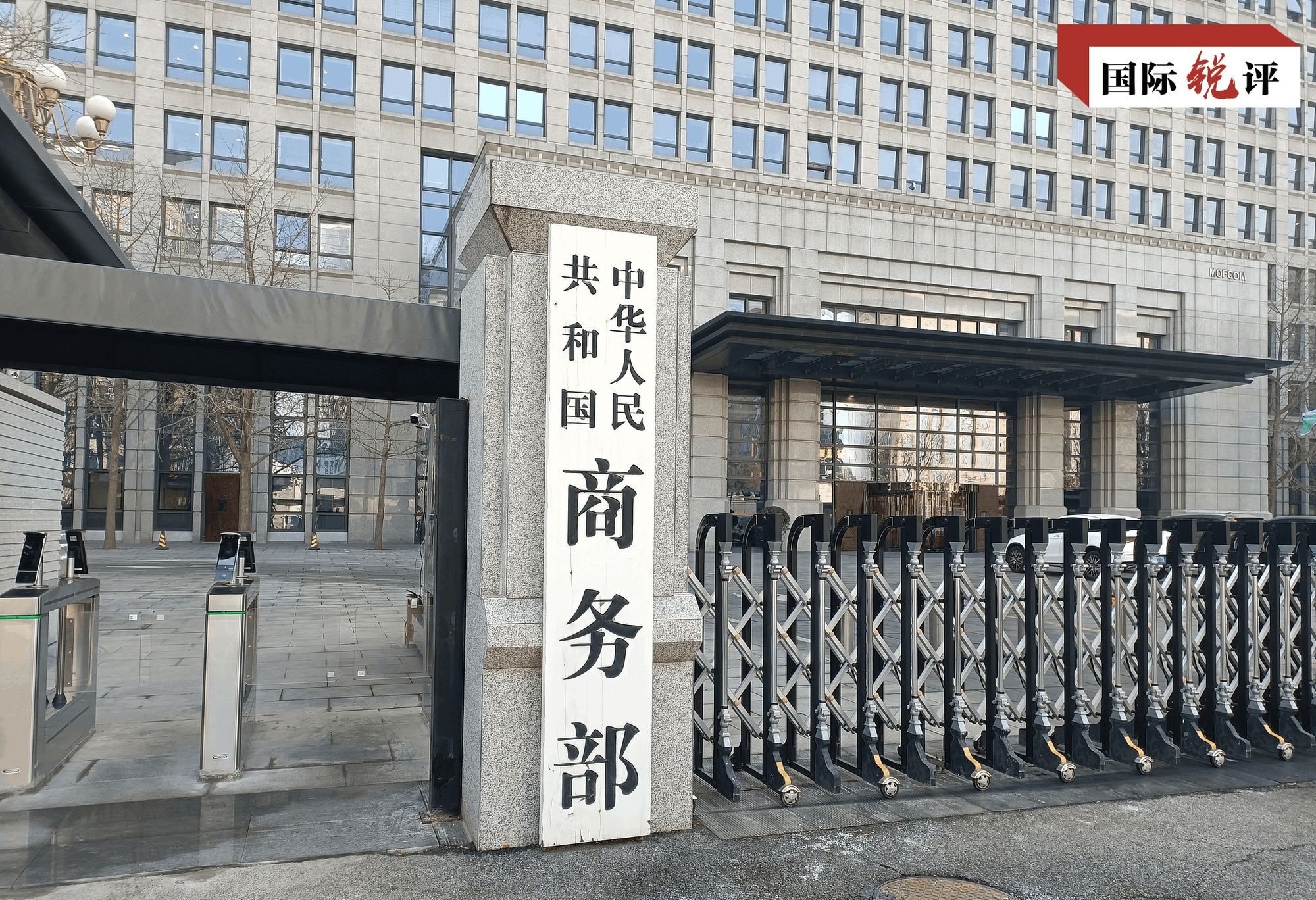
国际锐评丨中方对日两用物项出口管制正当合理
Xin Lang Cai Jing· 2026-01-15 15:17
Core Viewpoint - China has implemented stricter export controls on dual-use items to Japan in response to Japan's military expansion and nuclear ambitions, asserting that this measure is both justified and necessary [1][4][7]. Group 1: Definition and Justification of Export Controls - Dual-use items refer to goods, technologies, and services that have both civilian and military applications, particularly those that can be used in the design, development, or production of weapons of mass destruction [3]. - The rationale behind the enhanced export controls is Japan's recent military provocations and attempts to revise its security policies, which pose a threat to regional peace and stability [4][6]. Group 2: Japan's Military Expansion - Japan's defense budget is projected to exceed 9 trillion yen (approximately 60 billion USD) in the fiscal year 2026, marking a historical high and reflecting a continuous increase over 14 years [4]. - Japan's strategic direction includes plans to amend its security policies to develop a so-called "counterattack capability," significantly increasing defense spending and relaxing arms export restrictions [6]. Group 3: Nuclear Concerns - Japan currently possesses 47 tons of separated plutonium, sufficient to produce around 6,000 nuclear warheads, raising international concerns about its nuclear ambitions [6]. - High-ranking officials in Japan have publicly advocated for the country to possess nuclear weapons, further complicating the regional security landscape [6][8]. Group 4: International Response - The international community is urged to take concrete actions to restrain Japan's military expansion, including enhancing oversight of Japan's nuclear materials to ensure compliance with non-proliferation obligations [8]. - A unified international stance is deemed essential to prevent the resurgence of Japanese militarism and to maintain global peace and security [8].

张高胜、冯晨曦:警惕日本“再军事化”危险提速
Xin Lang Cai Jing· 2026-01-09 22:52
Core Viewpoint - Japan's Prime Minister, Sanae Takaichi, has set a goal to revise the "Three Security Documents" within the year, indicating a dangerous acceleration in Japan's "re-militarization" efforts, which poses significant risks to regional and global peace and security [1][2]. Group 1: Domestic Factors - The revival of militarism in Japan is driven by domestic forces, particularly the ruling Liberal Democratic Party (LDP), which views the pacifist constitution as an obstacle and uses "threat narratives" to manipulate public perception of security [2]. - The push for constitutional revision to formally recognize the Self-Defense Forces has intensified under Takaichi's government, echoing historical militaristic rhetoric [2]. Group 2: External Influences - The United States has played a role in Japan's re-militarization by easing military restrictions and supporting Japan's integration into a U.S.-led space warfare framework, thereby encouraging Japan's military expansion [2]. - Japan is also forming quasi-military alliances with countries like the UK, France, and Australia, enhancing military cooperation and joint exercises to improve its long-range deployment capabilities [2]. Group 3: Regional and Global Implications - Japan's re-militarization threatens to disrupt the strategic balance in the Asia-Pacific region and could lead to an arms race, exacerbating regional tensions, particularly regarding Taiwan [2]. - The modification of Japan's arms export restrictions raises concerns about the proliferation of military technology, potentially escalating conflicts and undermining global arms control efforts [2][3]. Group 4: Historical Context and Consequences - Japan's military expansion is seen as a serious challenge to the post-war international order and could set a dangerous precedent for other nations to disregard international norms [3]. - The historical context of Japan's militarism, including its war crimes, complicates its re-militarization efforts and risks damaging trust with neighboring countries that suffered from its past aggression [3]. Group 5: Societal Impact - The focus on military spending diverts resources from critical areas such as education, technology, and social welfare, potentially harming the well-being of the Japanese populace [3].
国防部奉劝日方:不要搬起石头砸自己的脚!
证券时报· 2026-01-08 04:42
Group 1 - The core viewpoint of the article emphasizes China's sovereignty over the Diaoyu Islands and criticizes Japan's military expansion and nuclear ambitions, urging Japan to refrain from actions that could escalate tensions [3][4]. Group 2 - The article reports that Chinese Coast Guard vessels have been present in the Diaoyu Islands area for 356 days as of the end of 2025, surpassing the previous year's record of 355 days, indicating increased patrol activity [3]. - Japan's government is reportedly considering nuclear capabilities and has significantly increased its defense budget for projects aimed at enhancing security cooperation with Southeast Asian countries, including the provision of advanced military equipment [4].

日本在野党批评军备扩张充满危险与矛盾 国际人士认为高市早苗错误言论危害地区和平与发展
Yang Guang Wang· 2026-01-08 02:19
Group 1 - The Japanese Prime Minister, Fumio Kishida, plans to continue relaxing defense equipment export regulations, including lethal weapons, by 2026, and to further increase defense spending [1] - Japanese Communist Party Chairperson, Tomoko Tamura, criticizes this approach as dangerous and contradictory, suggesting it undermines peace and threatens the livelihood of the Japanese people [1] - International figures express concern that Kishida's militarization efforts and controversial statements pose risks to regional peace and development [1][2] Group 2 - Former European Parliament member, Willy Meyer, argues that Kishida's attempts to revive militarism contradict Japan's constitutional principles and threaten regional stability [1] - Serbian professor Veljko Mijushkovic states that Japan's actions could harm its own economy and exacerbate tensions, calling for a de-escalation of the situation [2]
日方军事动作频频,国防部回应
券商中国· 2026-01-08 02:11
Core Viewpoint - The article discusses the recent comments made by a Chinese defense spokesperson regarding Japan's military expansion and nuclear ambitions, emphasizing the concerns of the international community, particularly Southeast Asian nations, about Japan's militarization efforts and the potential revival of militarism [1]. Summary by Sections Japan's Military Expansion - The Japanese government is reportedly considering nuclear capabilities and has significantly increased its budget for "government security enhancement support," which includes providing advanced military equipment to Southeast Asian countries [1]. International Response - There is a growing criticism from the international community, including Southeast Asian nations, regarding Japan's military actions. The spokesperson highlights that Japan is not reflecting on these criticisms but is instead escalating its military buildup and arms exports [1]. Concerns Over Militarism - The spokesperson warns that Japan's actions reveal the dangerous intentions of right-wing forces in Japan to promote militarization and revive militarism, urging peace-loving nations to recognize and counter Japan's ambitions to prevent a resurgence of militarism [1].

中方加强两用物项对日出口管制,日媒担忧:或对日企业务造成广泛影响
Huan Qiu Shi Bao· 2026-01-06 23:03
Group 1 - The Chinese Ministry of Commerce announced strengthened export controls on dual-use items to Japan, citing Japan's recent provocative statements regarding Taiwan and military intervention as the primary reason for this decision [1] - The announcement includes a prohibition on all dual-use items for military users in Japan and any other end-users that could enhance Japan's military capabilities [1] - Violations of these regulations will lead to legal consequences for organizations and individuals transferring or providing dual-use items from China to Japan [1] Group 2 - Japanese media interpret China's export control measures as a counteraction to Prime Minister Kishi's comments on Taiwan, with potential impacts on Japanese businesses due to the unclear scope of restricted items, including rare earth materials [1] - A guest professor from Chiba University expressed concerns about the unexpected discussions surrounding a "rare earth embargo," indicating that if tensions escalate, Japan's industry could face stagnation [2] - Prime Minister Kishi is reportedly planning to relax export regulations on defense equipment, including lethal weapons, and increase defense spending, which may further strain Japan-China relations [2]
国际社会必须高度警惕
Xin Lang Cai Jing· 2026-01-06 19:29
Core Viewpoint - Japan is accelerating its militarization efforts, as indicated by Prime Minister Fumio Kishida's goal to revise the "security three documents" within the year, which raises concerns about regional peace and stability [1][2] Group 1: Japan's Security Policy Changes - The revision of the "security three documents" will focus on increasing defense spending, modifying the "three non-nuclear principles," lifting restrictions on arms exports, and significantly developing offensive military capabilities [1] - This shift is seen as a dangerous trend towards militarization that could undermine regional peace [1] Group 2: Historical Context and International Response - Historical documents such as the Cairo Declaration and the Potsdam Proclamation stipulate that Japan should be completely disarmed and not maintain industries that could lead to rearmament [1] - The current push by Japan's right-wing forces to expand military capabilities challenges post-war international norms and order [1][2] - There is a strong stance from China and other peace-loving nations against the resurgence of militarism in Japan, emphasizing the need to prevent a historical regression [2]