流感疫苗接种

Search documents
专家:“硬扛”流感有健康风险
Zhong Guo Xin Wen Wang· 2025-11-07 13:46
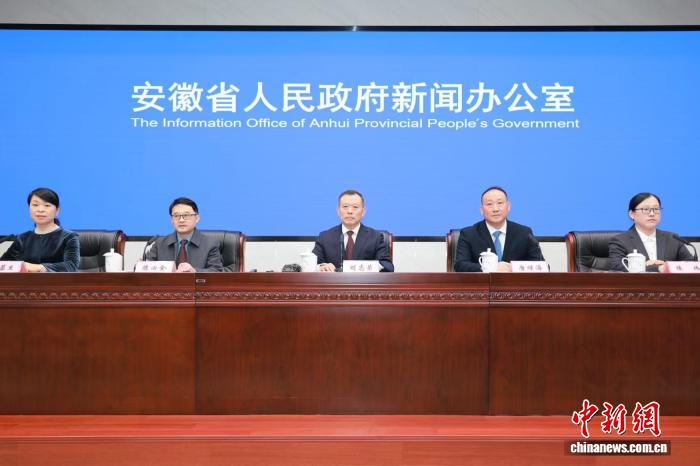
Core Viewpoint - The article emphasizes the health risks associated with the misconception that one can simply "tough it out" when infected with influenza, highlighting the need for proper medical intervention and vaccination [1][3]. Group 1: Differences Between Influenza and Common Cold - Influenza is fundamentally different from the common cold in terms of pathogens, symptoms, transmissibility, and potential complications [3]. - Influenza has a strong transmissibility and spreads primarily through droplets and close contact, leading to outbreaks in populations, while the common cold has weaker transmissibility and is mostly seen in sporadic cases [3]. - Complications from influenza can include severe conditions such as pneumonia, myocarditis, and encephalitis, which can even lead to death, necessitating the use of antiviral medications [3]. Group 2: Vaccination Recommendations - The current period is identified as the optimal time for influenza vaccination, particularly for individuals aged six months and older without contraindications, especially the elderly, children, and those with chronic underlying conditions [3]. - It is advised that individuals seek medical attention promptly if influenza symptoms appear, rather than self-medicating or "toughing it out," to avoid delays in treatment [3]. Group 3: Nature of Influenza Virus - The influenza virus is characterized by its high variability, with different strains circulating globally each year, which is why annual vaccination is necessary [3]. - The protective antibody levels generated by the influenza vaccine tend to decline significantly after six to eight months, further underscoring the need for yearly vaccinations [3]. Group 4: Current Health Status - The overall level of respiratory infectious diseases in Anhui Province is currently at a low level, despite the winter and spring being peak seasons for respiratory and gastrointestinal infections [3].

三价流感疫苗安尔来福®扩龄至6月龄及以上全人群
Huan Qiu Wang· 2025-10-30 08:08
Core Viewpoint - The approval of the Anlailufu® trivalent influenza vaccine for infants aged 6-35 months expands its target population to include all individuals aged 6 months and older, enhancing immunization coverage against influenza [1] Group 1: Vaccine Approval and Target Population - The Anlailufu® trivalent influenza vaccine (0.5ml/dose) has received approval from the National Medical Products Administration (NMPA) to include infants aged 6-35 months, thus broadening its applicability to all individuals aged 6 months and above [1] - Anlailufu® is the first preservative-free trivalent influenza vaccine launched in China in 2006 [1] Group 2: Public Health Implications - Infants aged 6-35 months are considered a high-risk group for influenza-related complications, making vaccination a crucial and cost-effective preventive measure [1] - The recent approval of the four-valent and trivalent influenza vaccines by Sinovac within the same month allows for a unified vaccination approach for seasonal influenza for individuals aged 6 months and older, providing stronger immune protection for infants and other target populations [1] Group 3: Influenza Surveillance Data - According to the China CDC's report for the 42nd week of 2025, there were 49 reported outbreaks of influenza-like cases, a twelvefold increase from the previous week [1] - The predominant strain detected during the 2025-2026 influenza season is the H3N2 subtype of the influenza A virus [1] - Experts recommend promoting influenza vaccination, particularly among high-risk groups such as students, the elderly, and individuals with chronic diseases, to reduce the risk of infection and related severe cases and deaths [1]
今年流感高发时间提前 !流感疫苗接种如何选择
Xin Lang Cai Jing· 2025-10-28 06:35
Core Insights - The flu season in Guangdong province has started earlier this year, with the predominant strain being the H3N2 virus, indicating a potential increase in flu intensity and the need for early prevention measures [1][2] Group 1: Flu Activity and Trends - The Guangdong Provincial Center for Disease Control and Prevention reports that flu activity is currently at an epidemic level, particularly in densely populated collective units [1] - Monitoring data from the China CDC indicates that while northern provinces are experiencing low flu activity, southern provinces are seeing an increase [1] - Clinical observations show a significant rise in flu patients, primarily with symptoms such as fever, sore throat, headache, body aches, and fatigue [1] Group 2: Vaccination Recommendations - Experts recommend flu vaccination as the most effective means of preventing flu and its complications, advising all individuals aged six months and older to get vaccinated unless contraindicated [2] - High-risk groups, including children under five, the elderly, and individuals with chronic conditions, should be prioritized for vaccination [2]
流感季即将到来 科学防护保健康
Xin Hua She· 2025-10-27 05:54
Core Insights - The flu season is approaching, with rising flu activity in southern China, particularly the H3N2 strain, prompting health experts to recommend early vaccination and preventive measures [1][2][3] Group 1: Flu Activity and Trends - Recent monitoring indicates an increase in flu activity in southern provinces of China, with a notable rise in the positive rate of H3N2 flu virus [1] - The main circulating strain this year is H3N2, differing from last year's predominant H1N1 strain, with international data showing early flu seasons in countries like Japan [2] - Experts predict a potential flu peak in China between late November and mid-December due to various factors, including international travel and colder weather [2] Group 2: Vaccination Recommendations - Vaccination is highlighted as the most effective and economical method to prevent flu, significantly reducing severe cases and mortality, especially among vulnerable populations [3] - The flu vaccine for this year includes components targeting the H3N2 strain, and public health officials encourage early vaccination without waiting for new vaccine formulations [3] - In Shanghai, various types of flu vaccines are available, and the city has set up numerous vaccination clinics, with free vaccinations for specific demographics ending in late November 2025 [3] Group 3: Health Protection Measures - The National Disease Control Bureau has issued health guidelines emphasizing the importance of personal hygiene and preventive measures to combat respiratory infections during the fall and winter [4] - Recommendations include regular handwashing, proper mask-wearing, and avoiding crowded places, especially for families with flu patients [4] - Medical resources are being prepared in advance, with increased pediatric services and community-based vaccination initiatives to enhance immunity [5]
生活观察|流感季即将到来 科学防护保健康
Xin Hua She· 2025-10-26 12:06
Core Viewpoint - The flu season is approaching, with rising flu activity in southern China, prompting experts to recommend early vaccination and daily protective measures to safeguard public health [1][2]. Group 1: Flu Activity and Virus Monitoring - Recent monitoring indicates an upward trend in flu activity in southern provinces of China, with increased positivity rates for the H3N2 strain [1][2]. - The main circulating strain this year is H3N2, differing from last year's H1N1 dominance, and there is a potential risk of flu peaks occurring between late November and mid-December due to international travel and seasonal factors [2]. - Current data shows no significant antigenic variation or emergence of highly pathogenic strains that could lead to vaccine failure [2]. Group 2: Vaccination Recommendations - Vaccination is highlighted as the most effective and economical method to prevent flu, particularly for vulnerable groups such as children, the elderly, and those with chronic illnesses [3]. - The flu vaccine available this year includes components targeting the H3N2 strain, and public health officials recommend early vaccination, ideally between October and November, to establish immunity [3]. - In major cities like Beijing and Shanghai, there are ample vaccine supplies, and various vaccination clinics have been set up to facilitate access for the public [3]. Group 3: Health Protection Measures - The National Disease Control Bureau has issued health tips emphasizing the importance of personal hygiene, including handwashing, ventilation, and mask-wearing, to prevent respiratory infections [4][5]. - Medical institutions in several regions have increased pediatric services and are promoting family-based vaccination strategies to enhance community immunity [5]. - Public awareness is crucial, as flu symptoms can be severe, and individuals are advised to seek medical attention for persistent high fever or respiratory distress [5].
生活观察丨流感季即将到来 科学防护保健康
Xin Hua Wang· 2025-10-26 12:05
Core Insights - The flu season is approaching, with rising flu activity in southern China, particularly an increase in the positivity rate of the H3N2 strain [1][2] - Experts recommend early vaccination and daily protective measures to strengthen health defenses against respiratory diseases [1][4] Group 1: Flu Virus Trends - The main circulating strain this year is H3N2, differing from last year's H1N1 dominance [2] - International monitoring indicates that countries like Japan have entered the flu season earlier, raising concerns about potential importation risks to China [2] - Current data shows no significant antigenic variation or emergence of highly pathogenic strains that could render vaccines ineffective [2] Group 2: Vaccination Recommendations - Vaccination is highlighted as the most effective and economical method to prevent flu, particularly for vulnerable groups such as children, the elderly, and those with chronic conditions [3] - The flu vaccine for this year includes components targeting the H3N2 strain, and public health officials encourage early vaccination within the ideal window of October to November [3] - In Beijing, 471 vaccination clinics have been set up, with free vaccinations for specific demographics ending in late November 2025 [3] Group 3: Health Protection Measures - The National Disease Control Bureau has issued health tips to prevent respiratory infections, emphasizing the importance of personal hygiene and avoiding crowded places [4][5] - Medical institutions in major cities have increased pediatric services and are promoting family-based vaccination strategies to enhance community immunity [5] - Public awareness is urged regarding the seriousness of flu symptoms, with recommendations for timely medical consultation in severe cases [5]
流感季或将提前!三价疫苗政采价持续走低,海外玩家“返场”,流感疫苗市场将如何变化?|传真
Xin Lang Cai Jing· 2025-10-26 04:46
Group 1 - The flu season for 2025 is expected to be on par with pre-pandemic levels, with a notable increase in flu patients reported recently [1][5][6] - The dominant strain this year is A(H3N2), which has lower immunity in the population compared to last year's A(H1N1) strain [5][6] - Vaccination remains the most effective preventive measure, with a surge in vaccine demand observed in various regions [2][7] Group 2 - The price of trivalent flu vaccines has decreased significantly, reaching a low of 5.5 yuan per dose, while quadrivalent vaccines have maintained stable pricing [3][13] - Sanofi, a major overseas player, has resumed supply to the Chinese market after a 10-month hiatus, but this has not significantly impacted the domestic market dynamics [3][12] - Domestic vaccine manufacturers, such as Sinopharm, Beijing Kexing, and Hualan Biological, continue to dominate the market with a total of 322 batches of vaccines approved this year, compared to only 22 batches from Sanofi [12] Group 3 - The flu vaccine market is characterized by a growing demand, with experts indicating that the market is expanding rather than becoming more competitive due to the presence of Sanofi [12][14] - The pricing strategy for trivalent vaccines is shifting towards volume-based pricing, while quadrivalent vaccines are stabilizing after previous price wars [13][14] - The overall flu vaccine market is expected to differentiate between standard and premium products, catering to different consumer segments [14][15]
今年流感季或提前到来,毒株与去年不同,医生提醒
Qi Lu Wan Bao· 2025-10-23 09:21
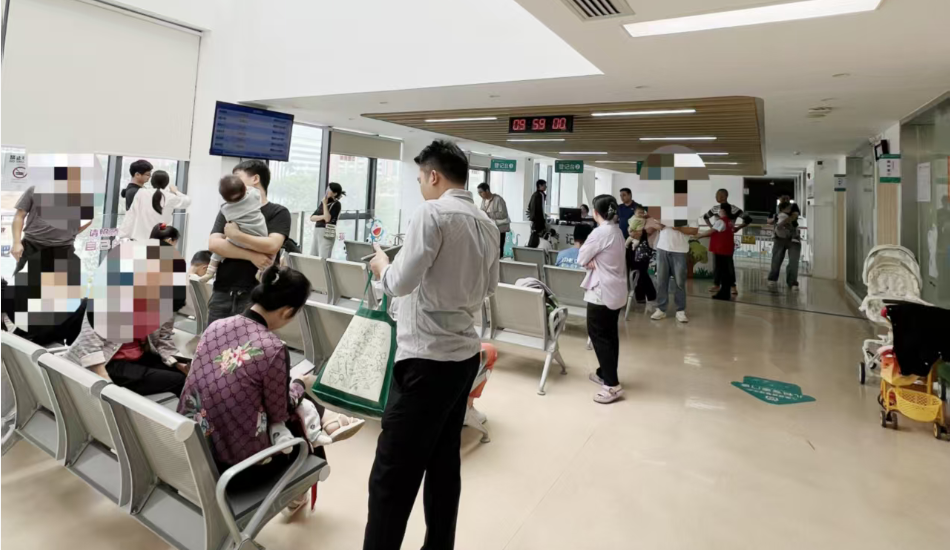
Core Viewpoint - The flu season in China is expected to arrive earlier this year, with an increase in flu activity reported in southern provinces, and a different strain of the virus predicted to circulate, leading to a potential rise in infection rates [1][5]. Group 1: Flu Season Trends - The flu season may start earlier this year, as indicated by reports from Japan and several European countries experiencing an increase in flu cases [5]. - The dominant flu strain this year is predicted to be H3N2, contrasting with last year's H1N1, which may result in lower immunity among the population [5]. - Extreme weather conditions in various regions of China, particularly sudden cold snaps, are likely to weaken respiratory defenses, facilitating flu outbreaks [5]. Group 2: Symptoms and Differences - Flu symptoms are characterized by a sudden onset of high fever (39-40°C), severe body aches, and fatigue, with a typical duration of 7-10 days, distinguishing it from the common cold [6][7]. - Common cold symptoms are generally milder, with lower fever and shorter duration (3-5 days) [7]. Group 3: Recommendations for High-Risk Groups - High-risk individuals, including children under 5, seniors over 65, pregnant women, and those with chronic diseases, are advised to get vaccinated before the peak flu season, ideally between September and November [14]. - Maintaining good hygiene practices, such as regular handwashing and wearing masks in crowded places, is recommended to mitigate flu risks [10][11][12]. Group 4: Nutritional and Lifestyle Recommendations - A balanced diet rich in essential nutrients, including vitamins C, A, D, E, zinc, and protein, is crucial for enhancing immune function [16][18]. - Adequate sleep (7-8 hours) and maintaining a regular sleep schedule are emphasized as vital for immune health [20][21][23].
北京471家门诊可打流感疫苗,免费接种工作11月底结束
Xin Jing Bao· 2025-10-22 06:29
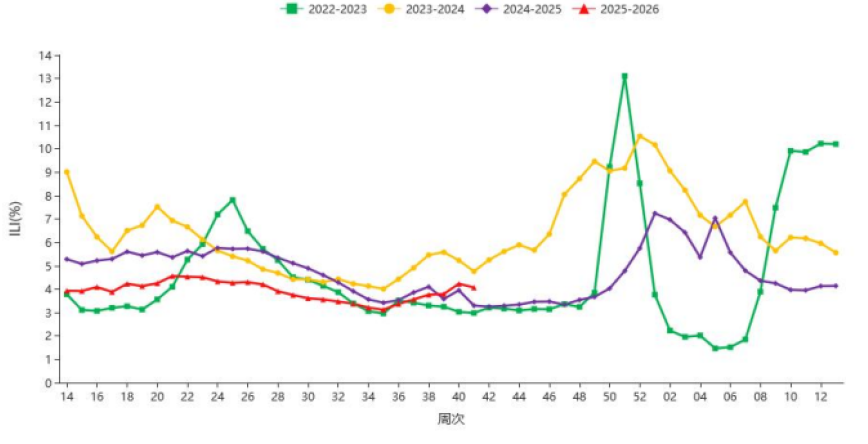
Core Points - Beijing has set up 471 flu vaccination clinics to facilitate citizens in receiving flu vaccine services during the flu season [1] - Free flu vaccination for residents aged 60 and above, as well as school students, is scheduled to end by November 2025, while self-paid vaccinations will continue until the end of February 2026 [1] Summary by Category - **Vaccination Clinics** - A total of 471 flu vaccination clinics have been established in Beijing [1] - Clinics are available for both free and self-paid vaccinations [1] - **Vaccination Schedule** - Free flu vaccination for eligible groups will conclude by November 2025 [1] - Self-paid vaccination services will be available until February 2026 [1] - **Appointment and Information Access** - Citizens can access information about vaccination clinics through the Beijing CDC website [1] - Multiple appointment methods are available, including the "Jing Tong" app, Capital Vaccine Service app, clinic phone calls, and on-site registration [1] - **Dynamic Service Adjustments** - Vaccination times at clinics will be adjusted based on daily preventive vaccination activities [1] - It is recommended for citizens to contact clinics for service details before visiting [1]
毒株与去年不同,流感季或提前,防护要趁早
财联社· 2025-10-21 01:07
Core Viewpoint - The flu season in China is expected to arrive earlier this year, with a predominant strain of H3N2, differing from last year's H1N1 strain, leading to lower immunity levels in the population [1][2]. Summary by Sections Flu Characteristics - The main circulating strain this year is H3N2, with an increase in flu cases reported in Japan, the UK, Germany, and Italy since October [2]. - Symptoms of H3N2 include fever, cough, sore throat, body aches, fatigue, and headaches, similar to H1N1 and B strains [3]. Comparison with Common Cold - Flu is caused by influenza viruses (A and B), while common cold is caused by other viruses like rhinovirus [4]. - Flu has a higher transmission rate, significant seasonal peaks, and more severe symptoms, including high fever (39-40°C) and potential complications like pneumonia [4][5]. Vaccination Recommendations - Vaccination is the most effective method to prevent flu and reduce severe cases, with the recommended vaccination period being September to November [6]. - Annual vaccination is necessary due to the rapid mutation of flu viruses, which may differ each year [7]. High-Risk Groups - The National Health Commission recommends vaccination for all individuals over 6 months old, especially for high-risk groups such as children under 5, the elderly over 65, pregnant women, and those with chronic health conditions [8][11]. Pediatric Considerations - Children, especially those under 5, are at higher risk for severe complications from flu, necessitating careful monitoring and care [10][12].