消费结构转型

Search documents
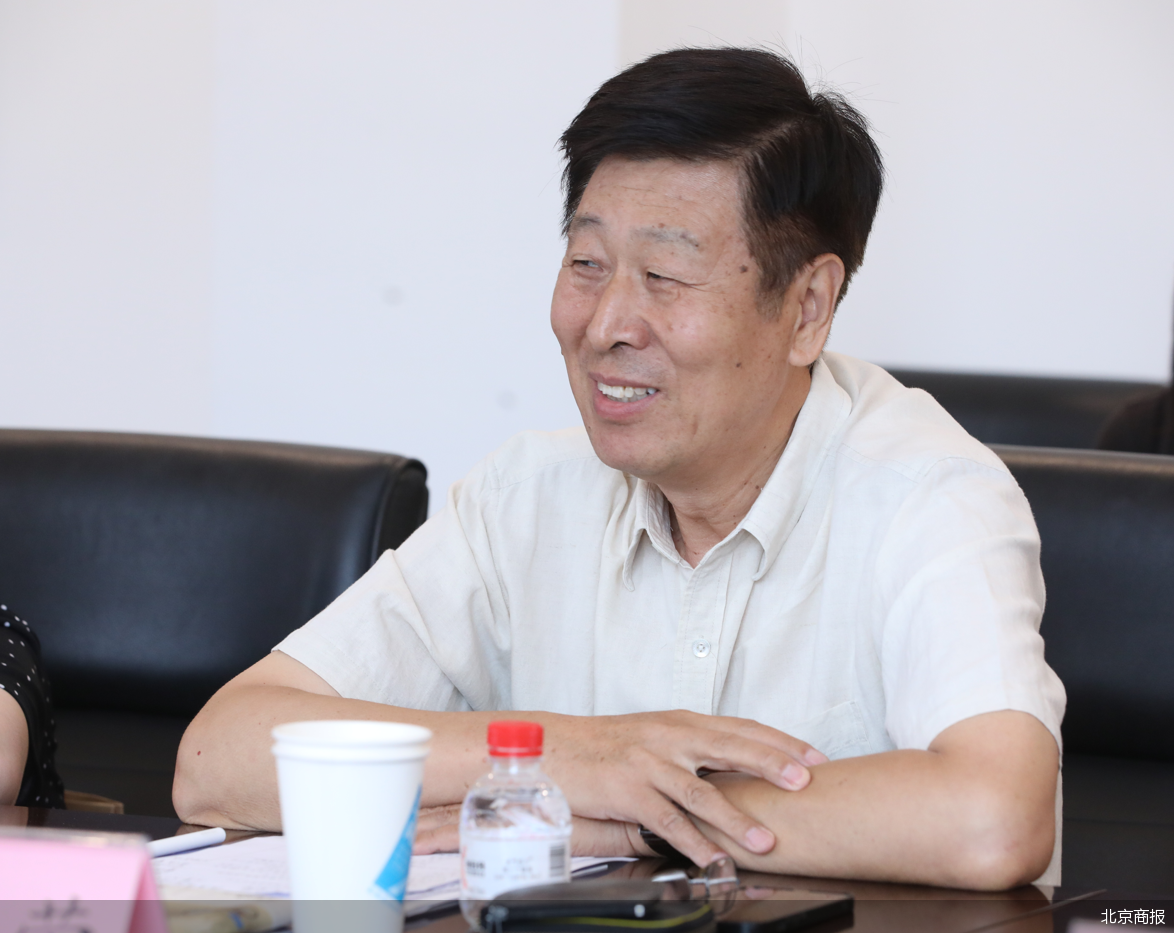
北京消费结构与趋势|北京商业经济学会会长王成荣:消费结构动态变化,需多措并举增强消费动力
Bei Jing Shang Bao· 2025-07-14 06:25
Group 1 - The core viewpoint emphasizes the need for systematic policies and precise actions to create a favorable consumption environment in China [1][3] - China's consumption structure has undergone significant changes, evolving from a single to a diversified model and from basic to high-quality consumption [3][4] - The initial major adjustment in consumption structure was marked by an optimization of the internal composition of goods, with a notable decline in food expenditure and an increase in clothing and home appliance spending [3] Group 2 - The transformation of consumption structure is characterized by a shift from material consumption to service-oriented consumption, with a notable increase in service and cultural consumption outpacing traditional goods consumption [3][4] - To stimulate consumer demand and market vitality, it is crucial to create a more attractive consumption environment through innovative measures across multiple dimensions [3] - The integration of culture, commerce, and tourism has become a vital path for driving consumption, enhancing the consumer experience and providing new momentum for service consumption growth [4]

充分释放消费潜力,大力提振消费|宏观经济
清华金融评论· 2025-05-06 10:31
Core Viewpoint - China is transitioning to a high-income stage, with significant potential for consumption growth as the economic environment and consumer characteristics evolve. It is essential to effectively implement the decisions of the central government to stimulate consumption and improve livelihoods, thereby creating a virtuous cycle of economic development and social welfare [1][2]. Group 1: Consumption Growth Potential - Resident consumption in China has substantial growth potential, driven by changes in social and economic conditions [2]. - International experiences indicate that as countries transition to high-income status, there is typically a deceleration in consumption growth, but new growth drivers emerge. For instance, in the five years before reaching high-income status, OECD countries saw an average decline of 1.7 percentage points in consumption growth [3]. - The increase in economic development and urbanization is expected to drive service consumption growth, with service consumption's income elasticity being high. As income levels rise, the focus of consumer spending shifts from goods to services [3][4]. Group 2: Urbanization and Service Consumption - Urbanization leads to population concentration and industrial integration, which stimulates demand for services such as education, healthcare, and entertainment. The service consumption share is positively correlated with urbanization rates [4]. - In 2024, China's urbanization rate is projected to be 67%, still 9 percentage points lower than the average of similar high-income countries, indicating significant room for growth in service consumption [4]. Group 3: Diverse Consumer Preferences - There is a clear trend of consumption differentiation among various income, age, and regional groups, with digital technology enabling diverse consumer needs [4][6]. - Over 50% of lower-income groups allocate most of their income to daily necessities, while nearly 30% of higher-income groups are shifting towards development and enjoyment-oriented consumption [6]. - Different generational preferences are evident, with younger consumers valuing social attributes and experiences, while older consumers focus on practicality and essential goods [7]. Group 4: Quality and Value in Consumption - A significant portion of consumers prioritize cost-effectiveness, with over half indicating that price-performance ratio is their main concern when shopping [8]. - The demand for high-quality, cost-effective products is expected to grow, similar to trends observed in Japan during the 1990s, where consumers favored value-for-money products [8]. Group 5: Service Demand and Family Structure Changes - The trend towards smaller family units is increasing the demand for outsourced family services, such as elder care and childcare. The average household size in China has decreased from 3.1 to 2.62 persons per household from 2010 to 2020 [9]. - The market for household services reached approximately 1.2 trillion yuan in 2023, with an annual growth rate of about 20% from 2015 to 2023, indicating a strong demand for marketized services [9]. Group 6: Challenges in Consumption Growth - There is a growing pressure on residents' consumption capacity, with the nominal growth rate of per capita disposable income in 2024 projected at 5.3%, a decline of 3.5 percentage points compared to 2019 [13]. - The supply and demand mismatch in the service sector needs to be addressed, as the service industry is lagging in development compared to high-income economies, with insufficient supply and quality issues in education, healthcare, and other sectors [14]. - Consumer expectations regarding product quality are not being met, with a significant number of complaints related to product quality and service issues, particularly in the elderly consumer market [15].