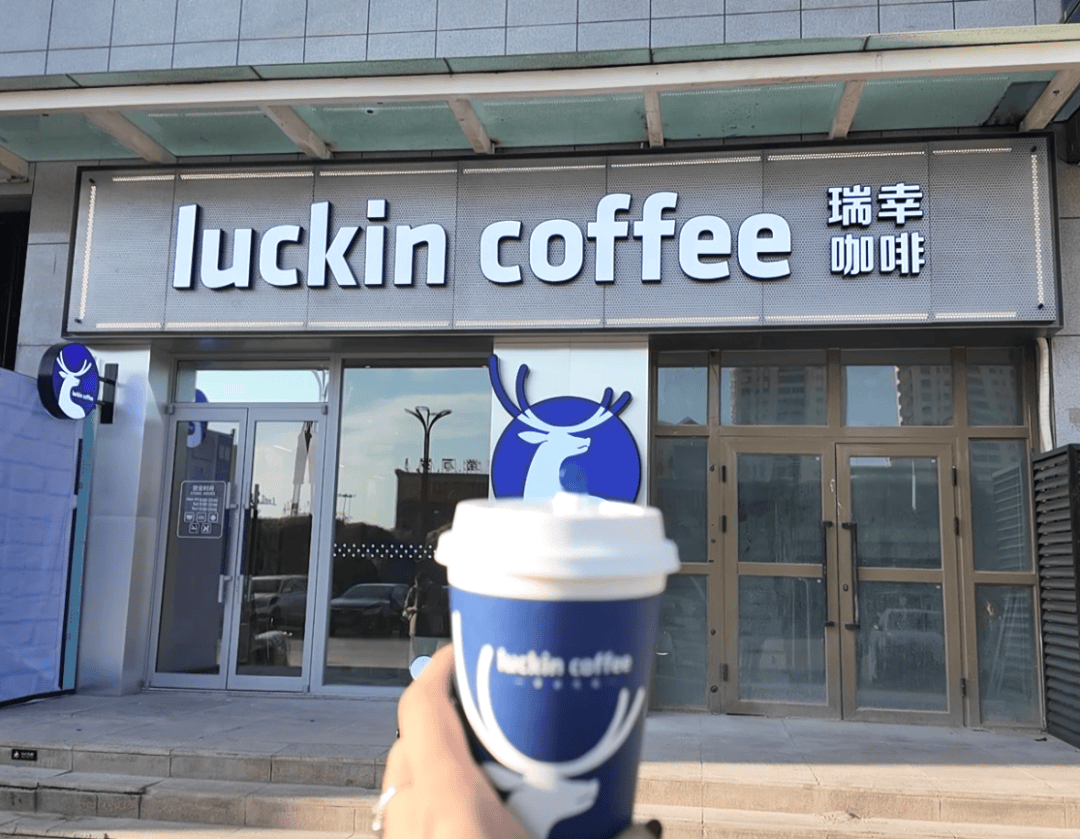
首店经济

Search documents
中国消费第一城,正式易主
商业洞察· 2026-03-11 09:33
Core Viewpoint - The urgency to expand domestic demand and boost consumption in China is increasingly prominent, with the driving effect of central cities becoming crucial [4]. Group 1: Consumption Rankings - Chongqing has surged to the top, with a projected retail sales total of 1,668.85 billion yuan by 2025, surpassing Shanghai at 1,660.093 billion yuan, making it the number one consumption city in China [7][11]. - Chengdu has overtaken Guangzhou and Shenzhen, ranking as the fourth largest consumption city in China and the top among sub-provincial cities [7]. - Hangzhou has jumped three places to rank seventh, becoming the second largest consumption city in the Yangtze River Delta [7]. - Other cities like Qingdao and Zhengzhou have each risen by one rank, while Fuzhou and Xi'an have each risen by three ranks [7]. Group 2: Reasons for Ranking Changes - The significant changes in rankings are largely due to the fifth national economic census, which revised the retail sales totals for various cities, with some cities seeing data adjustments upwards and others downwards [8]. - For instance, Hangzhou's retail sales total was revised from 788.4 billion yuan to 915.1 billion yuan, an increase of 126.7 billion yuan, leading to a substantial rise in its ranking [8]. - Conversely, Suzhou's retail sales total was adjusted downwards, resulting in a projected 2025 total of 909.22 billion yuan, causing a drop in its ranking [8]. Group 3: Factors Behind Chongqing and Chengdu's Success - Chongqing's rise to the top is attributed to its population advantage, with a resident population of 31.905 million in 2024, significantly higher than Shanghai's 24.8 million, providing a strong consumer market base [16]. - The city's development in cultural, commercial, and tourism sectors has also contributed, with 473 million domestic tourists in 2024 and a 183.6% increase in inbound tourists, enhancing overall consumption [16]. - Chengdu's ability to surpass Guangzhou and Shenzhen is similarly linked to its population growth, reaching 21.474 million in 2024, and its strong commercial development, particularly in luxury goods and fashion consumption [19]. Group 4: Hangzhou's Position in the Yangtze River Delta - Hangzhou's rise to the second largest consumption city in the Yangtze River Delta is driven by its leadership in the digital economy, high consumer spending power, diverse consumption scenarios, and strong policy support [22]. - The city is projected to achieve over 420 billion yuan in online sales in 2025, with a per capita disposable income of 80,017 yuan and per capita consumption expenditure of 55,592 yuan, bolstering consumption growth [22][23]. - Additionally, Hangzhou's strategy of hosting numerous international events and concerts has effectively converted traffic into consumption [23]. Group 5: Understanding Retail Sales Total - The social retail sales total (社零总额) measures the retail market's sales to individuals and social groups, including dining income, but excludes wholesale markets, service consumption, and real estate sales [26]. - This metric reflects the activity level of a region's offline retail market, focusing on physical goods rather than service consumption or real estate [26].


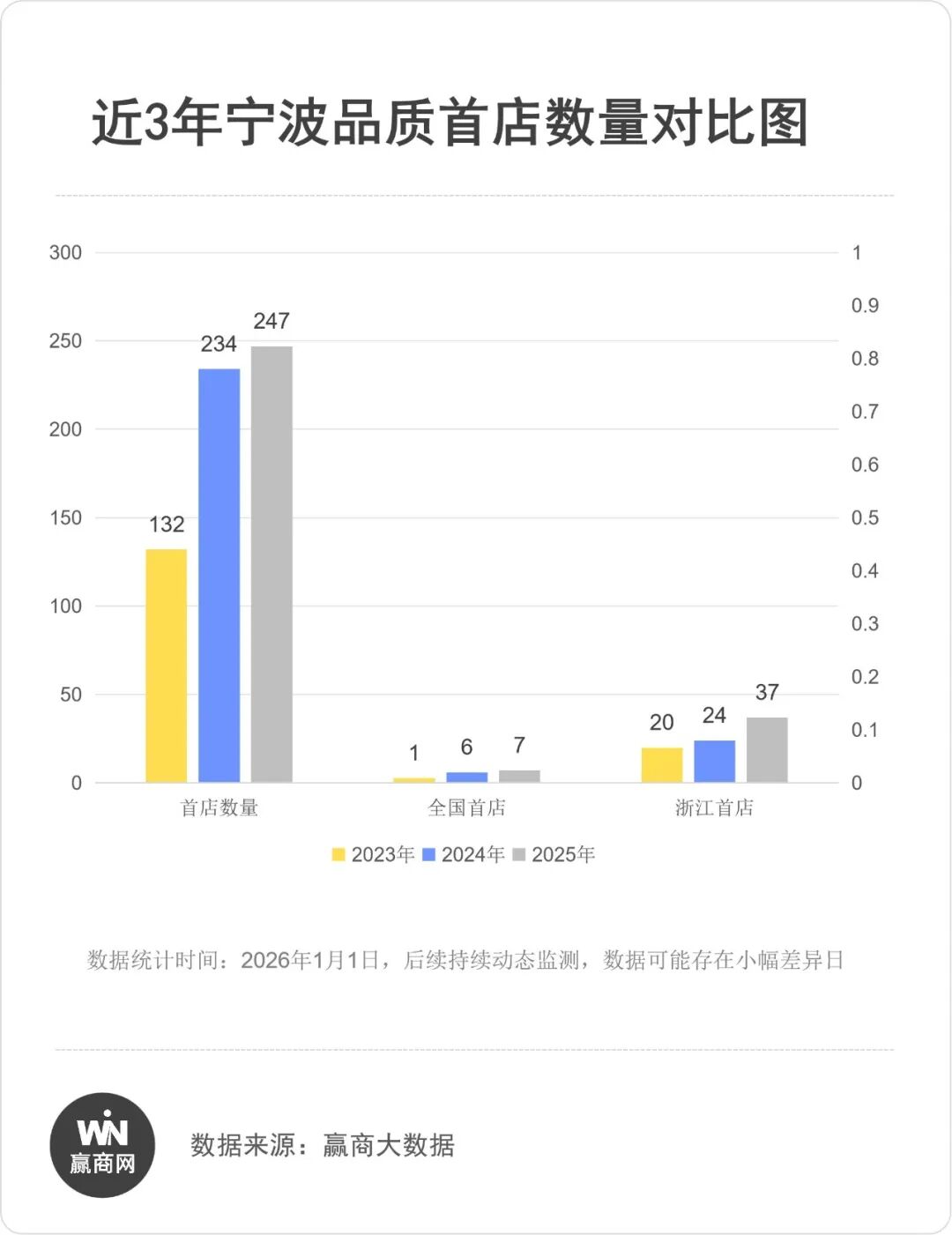
宁波2025年开出247家首店,天一广场、万象城与阪急角逐第一!
3 6 Ke· 2026-02-28 02:33
Core Insights - Ningbo's commercial vitality is reflected through the emergence of "first stores," indicating the temperature of its consumer market, brand attraction, and commercial innovation [1] - In 2025, Ningbo opened 247 quality first stores, achieving a steady growth of 6% year-on-year, showcasing a dual leap in both quantity and quality [1][2] Group 1: Growth in First Stores - Over the past three years, the number of quality first stores in Ningbo increased from 132 in 2023 to 247 in 2025, indicating a clear upward trend in market expansion [2] - High-energy first stores have significantly increased, with the number of national quality first stores rising from a few to 7, and provincial quality first stores growing to 37, establishing Ningbo as a major stage for brand expansion and innovation in the Yangtze River Delta [2] Group 2: Innovative Store Formats - Among the 234 quality first stores, over 41 are non-standard stores, accounting for 17%, featuring flagship, concept, and experience stores that reshape commercial spaces [4] - Notable examples include the first Xiaomi Home store and Beifa AI's first AI cultural experience store, showcasing innovation in retail scenarios [4] Group 3: Brand Composition - The majority of new stores are C-level brands, totaling 131, indicating a strong influx of regional, emerging, or mass chain brands, while B and A-level brands serve as the backbone and leading force [6] - A-level brands in the restaurant sector are relatively scarce, primarily found in casual dining and formal dining, while A-level retail brands are more prevalent in fashion and apparel [6] Group 4: District Performance - Yinzhou District leads in the number of first stores, opening 107, nearly half of the city's total, aligning with its designation as the "new urban center" [8] - Other districts like Haishu and Jiangbei maintain stable attractiveness through cultural and commercial integration, with Haishu focusing on immersive first stores and Jiangbei emphasizing family-oriented consumption [10] Group 5: Commercial District Dynamics - The Pan-Sanjiangkou business district remains dominant with 62 quality first stores, benefiting from historical accumulation and project density [10] - Emerging business districts like the Southern Business District and Eastern New City also show strong performance, introducing popular lifestyle and dining brands [12] Group 6: Competitive Landscape - The competition among major commercial centers is balanced, with Hankyu Department Store, Tianyi Plaza, and MixC each introducing 26 quality first stores [14] - Hankyu focuses on high-end selections with a significant proportion of international brands, while Tianyi Plaza offers a diverse mix catering to a broad audience, and MixC targets quality family consumption [16] Group 7: Industry Evolution - The restaurant sector dominates with 138 stores, accounting for 55.1%, driving customer attraction [18] - Retail, with 73 quality first stores, emphasizes fashion and lifestyle, shifting focus from mere product sales to experiential and lifestyle-oriented spaces [19] Group 8: Future Outlook - Ningbo's first store economy has made significant strides in both scale expansion and depth of content, reflecting a shift from merely abundant offerings to a focus on unique experiences and brand innovation [21]
发挥首店经济!盐城盐南落户新零售旗舰首店,上半年将建成运营
Yang Zi Wan Bao Wang· 2026-02-27 05:43
Core Insights - JD Electronics is set to open its first integrated home appliance flagship store in Jiangbei, located in Yancheng's Yannan High-tech Zone, with operations expected to commence in the first half of this year [1][2] - The store will cover approximately 18,000 square meters and aims to create a comprehensive shopping experience by integrating 3C digital products, trendy home appliances, and furniture [1] - The flagship store will feature over 40,000 square meters of JD Home Gallery, seven lifestyle model rooms, and immersive experiences such as coffee and family gaming areas [1] Company Strategy - The collaboration between JD Electronics and the Sixth Space aims to bridge online and offline experiences, leveraging JD's online traffic and supply chain capabilities alongside local services from Sixth Space [2] - The flagship store's establishment is expected to enhance the "pull effect" and "aggregation effect" of the first store, attracting consumers from surrounding cities and positioning Yannan as a regional consumption destination [2] Market Impact - The opening of the flagship store is a significant step in improving the consumption quality and capacity in Yancheng's Yannan High-tech Zone, reflecting the integration of digital and physical commerce [2] - The project is anticipated to stimulate the gathering of upstream and downstream brands, promoting upgrades in the home appliance and furniture industry, thereby contributing to high-quality economic development in the region [2]

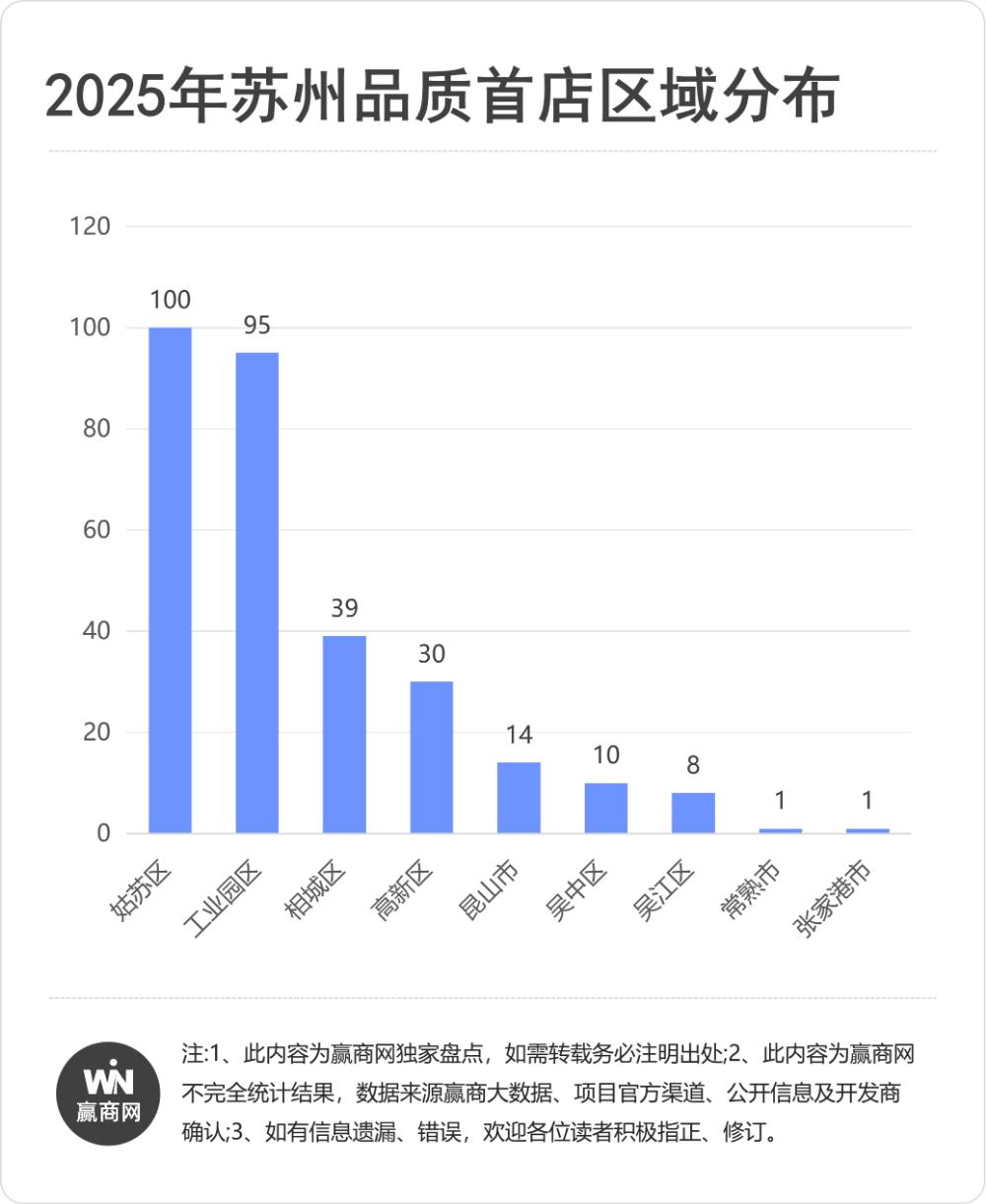
苏州2025年狂揽近300家首店,万象天地“险胜”苏州中心?
3 6 Ke· 2026-02-27 02:50
Core Insights - In 2025, Suzhou's first-store economy achieved significant milestones with a total of 298 new quality first stores, indicating a clear trajectory of urban consumption upgrade [1] - The upward trend in the quality and level of first stores is a notable characteristic of Suzhou's first-store economy in 2025, with 13 national first stores, 9 East China first stores, 55 Jiangsu first stores, and 221 Suzhou first stores [1] Group 1: Regional Distribution - The first-store distribution in Suzhou shows a dual-core leadership from Gusu District and the Industrial Park, with both areas contributing nearly two-thirds of the city's first-store resources [2][4] - Gusu District leads with 100 first stores, accounting for over one-third of the total, while the Industrial Park follows closely with 95 first stores [4] Group 2: Project Performance - Suzhou Vientiane World opened 58 first stores, becoming the top performer, while Suzhou Center Mall introduced 56 first stores, reinforcing its leading position in the trendy market [5][9] - The combined efforts of major projects like Suzhou Vientiane World, Suzhou Center Mall, and Longfor Suzhou Lion Mountain Street accounted for 141 first stores, representing 47% of the total [9][10] Group 3: Industry Composition - The restaurant sector dominated with 143 first stores, making up approximately 48% of the total, while retail followed with 110 first stores, accounting for about 37% [11] - The restaurant industry showcased strong innovation, with casual dining and dessert categories exceeding 40% of total restaurant entries, reflecting consumer preferences [13] Group 4: Non-standard Stores - Over 60 non-standard store types, including concept stores and flagship stores, were introduced, making up over 20% of the total first stores, indicating a shift towards innovative retail experiences [16] - Notable non-standard stores include Tesla's technology flagship store and the cultural reimagining of traditional tea at Yulian Tea House, highlighting the importance of unique consumer experiences [16] Group 5: Overall Trends - The core characteristics of Suzhou's first-store economy in 2025 have shifted from quantity explosion to quality deepening, with significant improvements in store levels and innovative store types [17]
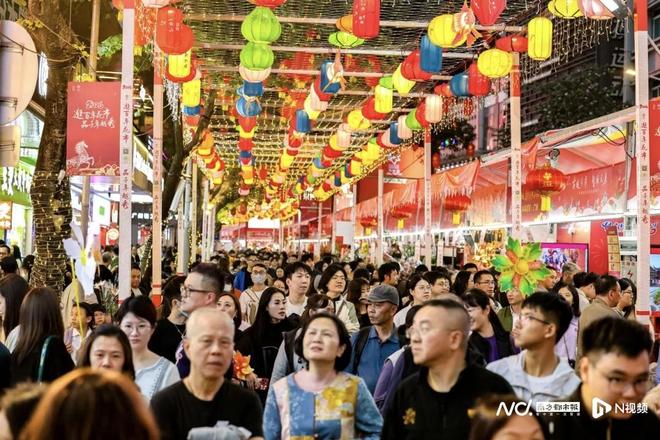
增长超11%!广州春节消费市场购销两旺
Nan Fang Du Shi Bao· 2026-02-24 05:10
Core Insights - Guangzhou's consumption market experienced a robust growth of 11.25% during the 2026 Spring Festival compared to the previous year, driven by various promotional policies and events [1][8]. Consumption Growth - Significant growth was observed in various sectors: beverages (38.5%), communication equipment (22.3%), cosmetics (28.6%), and clothing (15.2%) [1]. - Restaurant consumption also saw a notable increase of 13.1% during the same period [1]. Food and Beverage Initiatives - The "Eat in Guangzhou" initiative distributed 50 million yuan in government dining vouchers, encouraging local dining and attracting both domestic and foreign tourists [3]. - The city saw a surge in restaurant patronage, with popular dining spots experiencing high foot traffic during the holiday [3]. Retail and Shopping Experiences - Traditional and modern consumption methods were integrated, with various shopping festivals and events enhancing the shopping experience [3]. - Key shopping districts reported increased foot traffic: Beijing Road (4.28 million visitors) and Changlong Wanbo (3.57 million visitors), marking growth of 6.43% and 10% respectively compared to last year [3]. Online Consumption Trends - Online shopping initiatives, including the "Spring Action" and "National Online New Year Goods Festival," provided significant discounts and fast delivery options, enhancing the online shopping experience [5]. - The influx of foreign tourists at Baiyun Airport increased by 51.1%, indicating a strong recovery in inbound tourism [5]. Tourism and Travel - Guangzhou's metro system recorded a peak of 5.02 million passengers on the first day of the New Year, highlighting the city's popularity as a travel destination [6]. - Various promotional packages were offered by hotels in conjunction with shopping districts, enhancing the overall travel experience [6]. Policy and Incentives - The city implemented a series of consumer incentives, including subsidies for various products and a lottery system for receipts, which collectively stimulated consumer spending [8]. - The "Guangdong Quality Purchase" initiative led to significant sales in home appliances and automobiles, totaling 26 billion yuan in sales [8].
“乐购新春”马年开门红!广州春节消费增长超11%
Guang Zhou Ri Bao· 2026-02-23 16:27
Core Insights - Guangzhou's consumption market experienced a robust growth of 11.25% during the 2026 Spring Festival compared to the previous year, driven by various government initiatives and promotional activities [1] Group 1: Consumption Growth - The consumption growth was particularly strong in beverages (38.5%), communication equipment (22.3%), cosmetics (28.6%), and clothing (15.2%) [1] - Restaurant consumption also saw a significant increase of 13.1% during the same period [1] Group 2: Food and Dining Promotions - The "Eat in Guangzhou" initiative distributed 50 million yuan in government dining vouchers, which stimulated the restaurant sector and attracted both local and foreign tourists [3] - Popular dining spots experienced a surge in customer traffic, with Guangzhou ranking among the top three in the "must-eat" list during the Spring Festival [3] Group 3: Cultural and Tourism Integration - Guangzhou promoted a deep integration of commerce, tourism, culture, and sports, with various food-related activities attracting 4.95 million visitors [4] - The city hosted multiple themed events, including flower markets and cultural parades, enhancing the festive atmosphere and consumer experience [4] Group 4: Retail and Shopping Experiences - Major shopping districts launched unique Spring Festival activities, such as the "Guangdong Goods Going Global" New Year goods festival, which attracted significant foot traffic [5] - New retail stores, including the first Dior Beauty concept store in South China, contributed to the "first-store economy" effect [5] Group 5: Transportation and Online Consumption - Transportation hubs and tourist attractions organized New Year goods consumption activities, enhancing the shopping experience for visitors [7] - Online platforms also participated in the Spring Festival promotions, offering discounts and fast delivery options to boost consumer spending [7] Group 6: Inbound Tourism and Services - Guangzhou remained a top destination for international tourists, with over 34,000 foreign visitors entering through Baiyun Airport, marking a 51.1% increase [8] - The city introduced new services for inbound tourists, including a dedicated app for local services and tax refund options [8] Group 7: Hotel and Accommodation Promotions - Hotels around major shopping areas offered special packages to attract guests, with Guangzhou ranking among the top three cities for hotel bookings during the Spring Festival, showing a 35% increase year-on-year [10] Group 8: Policy Incentives and Consumer Engagement - The city implemented various consumer incentive policies, including subsidies for purchasing new appliances, which significantly boosted sales in multiple categories [11] - The "Lucky Invoice" program encouraged consumer spending, with nearly 500 million invoices issued and over 470 million yuan in rewards distributed [12]
马年新春,在南京玄武遇见N种“年味”
Xin Lang Cai Jing· 2026-02-23 14:34
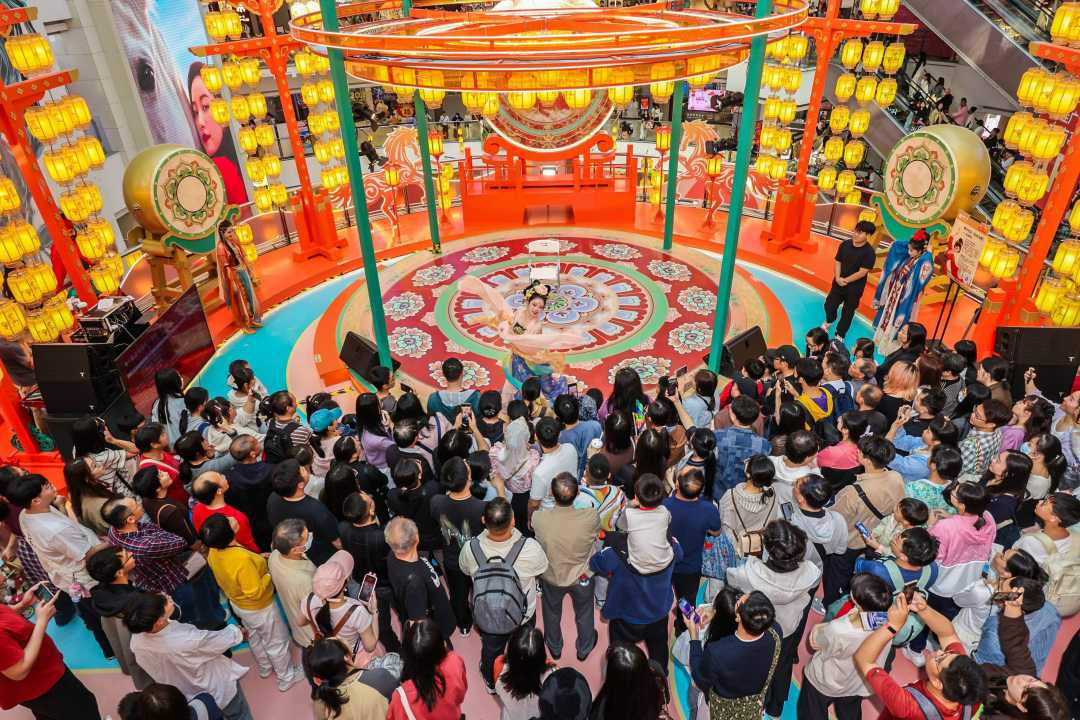
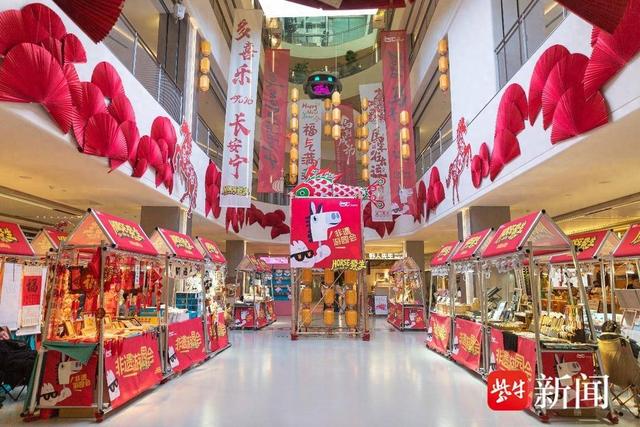
Core Viewpoint - The article highlights the successful integration of traditional customs, cultural heritage, and modern consumer trends during the Spring Festival in Nanjing's Xuanwu District, resulting in significant increases in sales and visitor numbers. Group 1: Consumer Spending and Economic Impact - During the Spring Festival, nearly 30 monitored commercial enterprises in Xuanwu District achieved a total sales revenue of approximately 8.5 billion, reflecting a year-on-year growth of over 15% [1] - The total foot traffic reached nearly 3.5 million, marking a year-on-year increase of over 14% [1] - Six A-level scenic spots in the district received 3.7822 million visitors, a year-on-year increase of 29.3%, generating revenue of 57.5526 million, which is a 29.7% increase compared to the previous year [1] Group 2: Cultural and Entertainment Activities - The Red Mountain Forest Zoo attracted many visitors with themed activities, blending the auspicious meanings of the Year of the Horse with animal protection education [3] - Various promotional activities were organized by major supermarkets and commercial enterprises to capitalize on the Spring Festival shopping window, enhancing market activity [5] - Dining experiences in trendy areas like Jinling STYLE and Aishang Tiandi were vibrant, with young people enjoying meals together, contributing to the festive atmosphere [7] Group 3: Cultural Heritage and Non-material Experiences - The "Jumama Welcomes Spring" cultural performance showcased the charm of intangible cultural heritage, closely linking it with the festive atmosphere [11] - Visitors engaged in hands-on experiences with intangible cultural heritage, such as writing auspicious characters and making traditional crafts, enhancing their connection to local culture [14] - The integration of cultural exhibitions and performances into commercial areas created immersive experiences that attracted visitors and stimulated consumption [14] Group 4: Technological Innovations and New Retail Experiences - The introduction of new retail stores, including the first stores of several high-end brands in the district, provided fresh options for consumers during the Spring Festival [19] - Digital technology transformed the Spring Festival experience, with exhibitions like the "Exploring the Silk Road: Dunhuang Art Exhibition" offering immersive experiences through XR technology [21] - Interactive installations and augmented reality experiences in public spaces engaged visitors, blending traditional culture with modern technology [21]
齐鲁年味里藏着哪些消费新潮?
Sou Hu Cai Jing· 2026-02-23 02:52
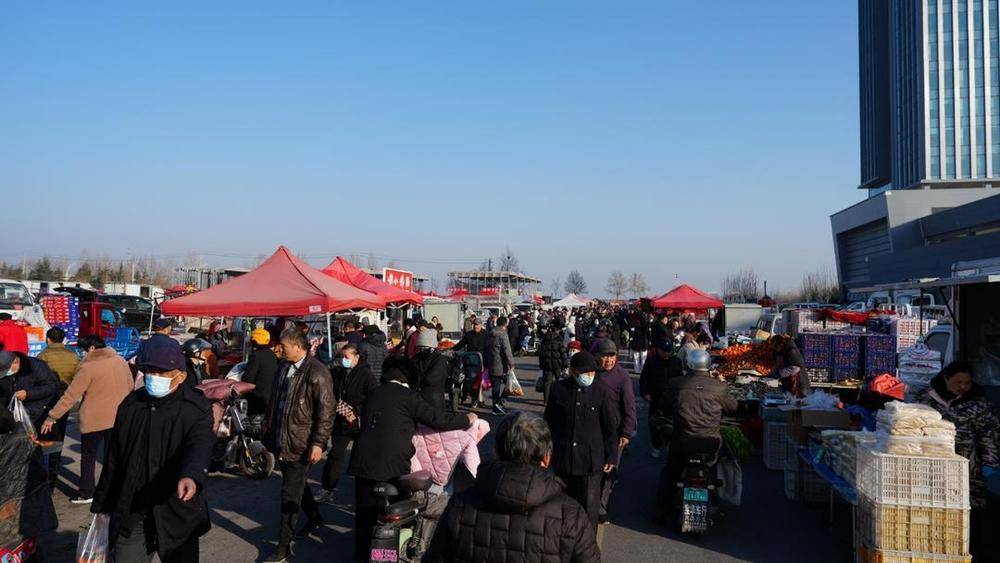
Group 1: New Consumption Trends During Spring Festival - The Spring Festival in Shandong has seen new consumption trends, with a focus on unique experiences and social media engagement [1][4] - Traditional markets are evolving, with live streaming and social media becoming integral to the shopping experience, particularly among younger consumers [2][4] - Non-heritage products are gaining popularity, with a 187% year-on-year increase in sales of related items, especially those themed around the Year of the Horse [7][8] Group 2: Rural Tourism and Cultural Consumption - Rural tourism is experiencing a surge, driven by returning visitors seeking authentic local experiences, with over 10,000 tickets sold for events in rural areas [11][13] - Cultural consumption, particularly theater performances, is becoming a preferred choice for many, especially younger audiences, who value the immersive experience [14][16] - The inbound tourism market in Qingdao is thriving, with international visitors exploring the city beyond traditional tourist spots, enhancing the local economy [17][19] Group 3: New Retail Formats - The "first store economy" is emerging as a new driver of consumption during the Spring Festival, with unique offerings and engaging environments attracting customers [8][10]
人文经济激活消费新动能丨天津老街区何以“破圈”成为消费热土?
Xin Hua Wang· 2026-02-22 11:48
Core Insights - The article highlights the transformation of the Tianjin Cotton 3 Creative District, which integrates historical industrial architecture with modern commercial spaces, creating a vibrant cultural and consumer hub [3][4]. Group 1: Urban Renewal and Historical Preservation - The Cotton 3 Creative District is a blend of over a century-old factory buildings and newly constructed commercial complexes, showcasing the city's commitment to urban renewal [3]. - The district is recognized as the most intact collection of Republican-era industrial architecture in Tianjin, with restoration efforts aimed at preserving the historical essence of the old factories [3][4]. - The revitalization of old factories has activated previously dormant resources, contributing to the emergence of new consumer landmarks in Tianjin [3]. Group 2: Consumer Engagement and Cultural Activities - During the Spring Festival, various themed activities were organized in the old districts, focusing on cultural traditions, family gatherings, and shopping, which stimulated a surge in consumer spending [4]. - The Tianjin Business Bureau planned over 500 unique events under the theme "Happy Shopping New Spring," enhancing the festive atmosphere and consumer experience [4]. - The Italian Style District introduced artistic light installations and interactive experiences, attracting significant foot traffic and enhancing the area's appeal [5]. Group 3: Economic Impact and Future Prospects - The Tianjin Art Street, which underwent comprehensive planning and updates, has quickly become a popular consumer destination since its opening in July 2025, indicating strong market demand [6]. - The integration of various business models, such as first-store economy and night economy, has allowed the old districts to break free from traditional homogenized competition [5][6]. - The revitalization efforts not only restore the historical charm of the streets but also inject new vitality into the city's economic development, fostering a sustainable growth environment [6].
首店纷至!阿图什“消费地图”持续焕新升级
Sou Hu Cai Jing· 2026-02-21 13:25
Core Insights - The article highlights the rapid growth and transformation of the consumer landscape in Atushi City, driven by the entry of several well-known brand flagship stores, enhancing the quality of life for residents [1][9]. Group 1: Market Dynamics - The Atushi market shows significant potential, with a vibrant consumer atmosphere that exceeds expectations, as evidenced by the high foot traffic at local establishments like Pizza Hut, especially during weekends [3]. - The entry of popular brands such as Bawang Tea and Hu Shang Ayi has made them preferred spots for young people, contributing to a lively social scene [5]. - The unique flavors offered by local brands like Mafifei Hot Pot have successfully captured the taste preferences of Atushi residents, indicating a strong demand for specialty dining options [5]. Group 2: Consumer Experience - The diverse range of dining and snack options available in Atushi allows residents to enjoy various culinary experiences, from Western fast food to unique local flavors, catering to different age groups and consumer needs [5][9]. - The convenience of accessing high-quality products locally has significantly improved residents' quality of life, as expressed by consumers who previously had to travel to other cities for similar offerings [7]. - The integration of new consumption scenarios into daily life, such as family gatherings and casual meet-ups at tea shops, reflects a shift towards a more enriched consumer experience in the city [9]. Group 3: Economic Development - The "first store economy" strategy has been pivotal in enhancing commercial quality and stimulating market vitality in Atushi, with the local government actively attracting quality brands through supportive policies and improved business environments [7]. - The establishment of flagship stores not only diversifies consumer choices but also subtly elevates the overall quality of life and happiness index for residents [9].