节能降耗

Search documents
鲁西化工(000830) - 2025年12月2日投资者关系活动记录表
2025-12-02 10:10
Group 1: Company Operations and Market Conditions - The overall production and operational situation of the company is normal, with a focus on safety management, energy conservation, and efficiency improvement to maximize economic benefits [1] - In Q4 2025, chemical product prices are expected to fluctuate due to varying operating rates of peer and downstream companies, changes in demand, and oil price volatility [1] - The company adjusts its product prices based on market conditions, ensuring transparency through online sales in the Lushi Mall [1] Group 2: Dividend Policy and Market Predictions - The company adheres to regulatory requirements for cash dividends, balancing profitability, operational funding needs, and shareholder returns [2] - The market price of chemical products is influenced by multiple factors, making predictions uncertain; the company will closely monitor market changes and adjust strategies accordingly [2]

行业聚焦:全球自给式真空装载机行业头部企业市场份额及排名情况(附厂商名单)
QYResearch· 2025-11-27 02:08
Industry Chain Analysis - The self-contained vacuum loader integrates vacuum suction and material transportation, widely used in industries such as plastic processing, pharmaceuticals, food, chemicals, and electronics for automatic conveying of granular or powdered materials [3] - The industry chain consists of three main segments: upstream raw material supply, midstream equipment manufacturing and integration, and downstream application industries [3] - Upstream suppliers include vacuum pumps, motors, filtration systems, stainless steel or aluminum hoppers, control systems, pneumatic components, and electronic sensors, with vacuum pumps being critical for performance and energy consumption [3] - Midstream focuses on equipment manufacturing and system integration, with manufacturers enhancing automation and energy efficiency through modular design and intelligent control [3] - Downstream applications are concentrated in plastic injection, extrusion, blow molding production lines, and pharmaceutical and food packaging, forming a complete raw material automation delivery system [4] Development Trends, Opportunities, and Challenges - The self-contained vacuum loader industry is transitioning from traditional mechanization to intelligent and green solutions, with five key trends: intelligent control upgrades, energy-saving optimizations, system integration, lightweight and modular design, and digital operation services [9] - Intelligent upgrades involve the use of sensor networks and PLC systems for automated delivery and remote diagnostics, improving operational efficiency and reducing downtime risks [9] - Energy efficiency is a focus, as vacuum pump systems account for about 70% of total machine power, leading to trends in variable frequency control and energy recovery systems [9] - The rise of the plastic recycling industry presents new demand growth, while strict hygiene requirements in pharmaceuticals and food packaging continue to drive market demand [10] - Challenges include intensified market competition, price pressures, and inadequate after-sales service systems [10] Downstream Industry Analysis - The downstream industries for self-contained vacuum loaders are diverse, with significant demand in plastic processing and pharmaceutical and food packaging sectors, where the plastic industry accounts for over 60% of total demand [12] - In the pharmaceutical sector, vacuum loaders are used for the automatic transport of powders and capsules, adhering to GMP standards with features like anti-static and easy cleaning [12] - The food industry emphasizes hygiene and safety standards for transporting powdered ingredients, while the chemical and electronics industries require high-purity powder transport with low noise and no residue [12] Entry Barriers - The self-contained vacuum loader industry has multiple entry barriers, including technological, customer trust, brand loyalty, capital, and standardization barriers [14] - Technological barriers arise from the need for expertise in vacuum fluid mechanics, noise control, and intelligent control algorithms, particularly in high-end markets [15] - Customer trust and brand loyalty are critical, as established brands dominate the high-end market, making it difficult for new entrants to gain credibility [15] - Capital barriers exist due to the need for precision manufacturing equipment and compliance with international standards such as CE, UL, and ISO9001 [16]


云南石化获评石油和化工行业双效“领跑者”标杆企业
Zhong Guo Jin Rong Xin Xi Wang· 2025-11-21 13:19
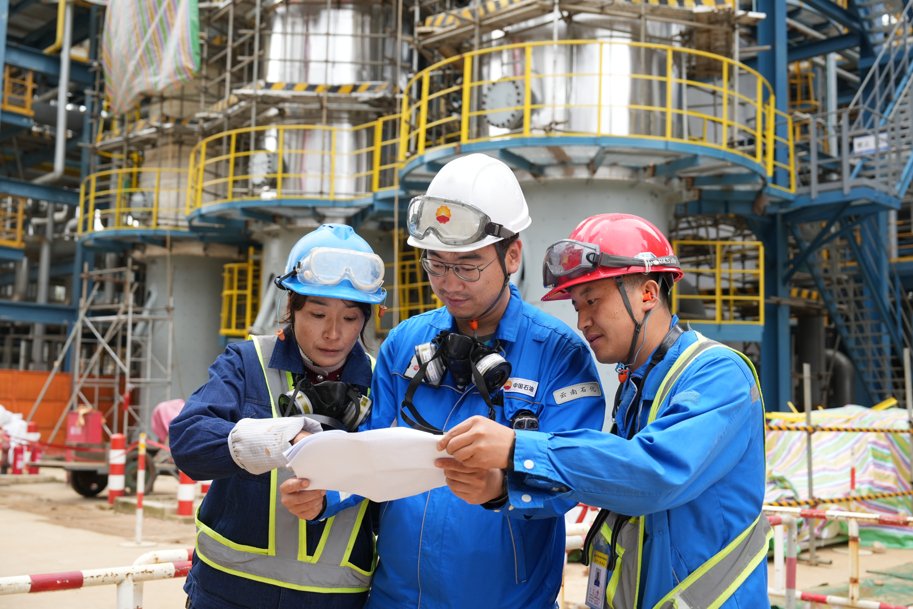
Core Points - Yunnan Petrochemical Company has been recognized as a "leader" in energy efficiency and water efficiency in the crude oil processing sector, marking a significant achievement in the industry [1][2] - The company has implemented various energy-saving measures, resulting in a continuous decline in energy consumption over the past five years, with key performance indicators ranking among the top in the China National Petroleum Corporation [1] - The energy-saving renovation project for heating furnaces is expected to improve thermal efficiency to over 95%, saving approximately 8 million cubic meters of natural gas annually, equivalent to the annual consumption of nearly 80,000 households in Yunnan, and reducing carbon emissions by about 15,000 tons [1] - Yunnan Petrochemical has also focused on wastewater treatment, with facilities operating at 2-3 times the industry average, implementing strict measures for water recycling and management [2] - The company has engaged employees in energy-saving initiatives through various activities, fostering a culture of energy conservation and low-carbon development [2] - The recognition as a dual "leader" in energy and water efficiency serves as authoritative acknowledgment of the company's innovative practices in energy conservation and carbon reduction [4]

三聚焦”打造节能典范 | 大家谈 如何当好“碳路先锋
Zhong Guo Hua Gong Bao· 2025-10-28 05:19
Core Insights - The article emphasizes the importance of energy conservation and development in the chemical industry as a solution to energy supply challenges in China's expanding economy and social development [1] Group 1: Energy Conservation Strategies - The company focuses on three main strategies to create an energy-saving model: precise operations, core device breakthroughs, and raw material optimization [1] Group 2: Precise Operations - Guangdong Petrochemical's ethylene plant, with an annual capacity of 1.2 million tons, is the largest domestic ethylene facility and has maintained production loads between 80% and 100% since its launch in February 2023, achieving a maximum ethylene yield of 43.25% [1] - The average energy consumption of the facility reached 547.2 kg of standard oil per ton, with a processing loss rate of 0.105%, positioning it at an advanced level within the industry [1] Group 3: Core Device Breakthroughs - The company has eight cracking furnaces in its ethylene plant, which account for 80% of the energy consumption. Efforts to improve fuel gas efficiency include regular temperature measurements and strict control of oxygen levels in the furnace [2] - The implementation of an IPC system has allowed the company to maintain the temperature deviation of the cracking furnace outlet within 5°C, enhancing thermal efficiency while ensuring ethylene yield [2] - The longest operational cycle for gas furnaces reached 101 days, and for liquid furnaces, it was 84 days, with the highest thermal efficiency of the cracking furnaces reaching 94.7%, leading the industry [2] Group 4: Raw Material Optimization - The company is advancing the lightening of ethylene raw material structure by increasing the proportion of ethane gas and reducing the content of isomeric alkanes in liquefied petroleum gas [3] - Technical personnel have optimized the steam and circulating water design values for distillation towers, achieving energy consumption below design values while maintaining product quality [3] - Adjustments to the three-unit system's throttle and compressor speed have led to a 47.5% reduction in steam energy consumption, significantly lowering steam and circulating water usage while reducing product costs, with ethylene yield exceeding 43% [3]
产量箭头向上 能耗曲线向下
Zhong Guo Fa Zhan Wang· 2025-10-27 03:45
Core Insights - Daqing Head Oilfield Development Co., Ltd. has initiated a "Three Personnel Action" campaign focusing on production enhancement, energy conservation, and frontline technical support [1][2] - The company emphasizes meticulous management of each well and aims to reduce energy consumption by monitoring production and energy usage closely [1] - The Fourth Operating Area has implemented targeted strategies for production improvement, addressing issues with specific wells and achieving a monthly oil production increase of 30.5 tons [2] Group 1 - The company has established a "Measures for Energy Conservation and Consumption Reduction" ledger, implementing a closed-loop management system with weekly analysis and monthly assessments [1] - A daily tracking system for production and weekly reporting on energy consumption has been instituted, along with the formation of three energy inspection teams to address management and equipment issues [1] - The company has effectively reduced gas and electricity consumption by retrofitting 30 underperforming oil wells with transitional wheels and addressing pump condition issues in 37 wells [1] Group 2 - The Fourth Operating Area has conducted a comprehensive inspection for production improvement, creating tailored plans for each well and tracking progress, successfully addressing issues in eight wells [2] - The company has launched a "Sword Action for Energy Conservation and Consumption Reduction," producing educational materials to raise employee awareness about energy-saving practices [2] - A thorough inspection of the electrical systems across all operational areas has been initiated, focusing on identifying issues such as aging wiring and improper use of high-power appliances [2]
粮食安全看山东”之东营:多维发力筑牢粮食安全“压舱石
Zhong Guo Fa Zhan Wang· 2025-10-24 15:23
Core Viewpoint - Food security is a top priority for national governance, directly impacting people's livelihoods and social stability. The company has developed a comprehensive food security assurance system through various initiatives in information technology, energy conservation, scientific storage, and fire safety to safeguard the "big country's granary" [1] Group 1: Information Technology - The company has implemented a "Digital Granary" project in collaboration with Shandong University since 2008, enhancing food management efficiency and accuracy through data integration and visualization [2] - A centralized data security center and video monitoring system provide real-time visibility into storage conditions, including layout, quantity, variety, quality, and flow, achieving comprehensive regulatory coverage [2] - The use of big data analysis and simulation techniques has improved risk identification and monitoring capabilities, enhancing the ability to manage storage risks [2] Group 2: Energy Conservation - The company recognizes energy conservation as essential for reducing storage costs and achieving sustainable food security [3] - Implementation of photovoltaic projects has led to an average temperature reduction of 3-5 degrees Celsius in storage facilities, delaying pest activity by approximately 30 days and reducing pest control costs by 23.1% [3] - New technologies have been adopted to lower energy consumption in ventilation by nearly 30% and reduce fumigation chemical usage by 30% [3] Group 3: Scientific Storage - The company employs differentiated storage strategies based on the characteristics of various grains, ensuring quality and minimizing losses through advanced technologies [4] - Standardized storage processes and regular training for personnel help maintain low loss rates and high-quality storage [4] - The company has developed a strong talent pool in the grain industry, completing over 50 research projects and publishing more than 60 papers, supporting scientific storage initiatives [4] Group 4: Fire Safety - The company has established a comprehensive safety management system, revising 17 emergency plans and 36 safety management regulations to ensure stable operations [5] - A three-tiered fire safety system has been constructed, integrating human, material, and technical defenses to enhance fire risk management [6] - Regular fire safety training and the installation of advanced monitoring systems ensure early detection and response to fire hazards, protecting the granary's safety [6]
大庆油田头台公司:“三员行动”向油井要产量 向管理要效益
Zhong Guo Fa Zhan Wang· 2025-10-24 08:14
Core Viewpoint - The Daqing Taitai Company is undergoing a comprehensive transformation focused on maximizing oil production, energy conservation, and technological innovation to ensure stable crude oil output and high-quality development [1][2][13]. Group 1: Production and Operational Strategies - The company has implemented a "three-pronged action" approach involving all employees to enhance production, energy efficiency, and technical support [1][2][13]. - The Taitai Company has maintained an upward trend in oil production for four consecutive years, despite challenges such as the absence of new wells and difficulties in selecting measures [5]. - The company has executed adjustments to water injection schemes for 68 wells, resulting in a 1.68 percentage point decrease in water content year-on-year [5]. Group 2: Flood Prevention and Production Assurance - The company is located in a flood-prone area and has developed measures to ensure production continuity during flood seasons, including the installation of elevated motor devices to maintain operations at high water levels [3][4]. - Employees are actively engaged in monitoring and managing production during adverse weather conditions, emphasizing the importance of maximizing output before potential flooding [4]. Group 3: Technological Innovation and Application - The initiative to send technical personnel to the field aims to bridge the gap between theoretical knowledge and practical application, enhancing problem-solving capabilities on-site [6][7]. - The company has established a comprehensive database with over 41,000 data points to support high-quality development through detailed investigations of production conditions and techniques [10]. Group 4: Energy Conservation Efforts - The company has adopted a culture of energy conservation, implementing measures to reduce electricity and gas consumption, which directly impacts production costs and operational efficiency [11][12]. - Specific initiatives include the installation of 86 transitional wheels, resulting in a daily electricity savings of approximately 350 kilowatt-hours, and various other energy-saving measures that collectively reduced energy consumption significantly [12]. Group 5: Overall Impact and Future Outlook - The ongoing "three-pronged action" is expected to drive the company towards achieving its high-quality development goals, with a strong emphasis on practical results and employee engagement [13]. - The company is committed to continuous improvement in production efficiency, technological advancement, and energy conservation as part of its long-term strategy [11][13].
山东能源鲁西煤矿:矿区劲吹“节约风”
Qi Lu Wan Bao Wang· 2025-10-16 08:09
Core Insights - The company is implementing energy-saving measures, resulting in a cultural shift towards cost reduction and efficiency improvement across all departments [1][2]. Group 1: Cost Control Measures - The company has achieved a 2.26% reduction in electricity costs compared to budget and a 3.5% decrease in unit costs from January to July [2]. - Specific measures include a daily inspection and monthly assessment of non-production electricity usage, leading to savings of over 900,000 yuan in electricity expenses from January to July [4]. - The company has optimized material costs, keeping the cost of materials per ton of coal below 120 yuan through enhanced management of key expenses [4]. Group 2: Internal Efficiency and Employee Engagement - The shift to a market-oriented operation has encouraged employees to take initiative in cost-saving measures, resulting in an 11% year-on-year decrease in material costs from January to July [5]. - Non-production expenses such as meeting and travel costs have decreased by 22% year-on-year, with savings reinvested into production technology improvements [7]. Group 3: Marketing and Sales Performance - The company has capitalized on market opportunities, achieving a comprehensive premium of 552,000 yuan through long-term coal contracts and competitive bidding for low-sulfur mixed coal [8]. - From January to July, the sales volume of premium coal increased by 12% year-on-year, supported by improved coal quality and effective marketing strategies [8]. Group 4: Future Outlook - The company aims to maintain a stringent cost control mindset, targeting a production cost reduction of over 11% and a 5% decrease in expenses through comprehensive participation and management [10].
全固态电池“最后一公里”,环境控制难题何解?
高工锂电· 2025-10-13 11:26
Core Viewpoint - Solid-state batteries, particularly sulfide solid-state batteries, face significant challenges in mass production due to stringent production environment requirements and safety hazards, which are referred to as the "last mile" bottleneck in industrialization [1][3]. Group 1: Production Challenges - The production of sulfide solid-state batteries requires extremely high humidity control, with poor humidity management leading to increased defect rates and inconsistent battery performance [3]. - Lithium sulfide, a key material, is highly hygroscopic, and moisture can lead to hydrolysis reactions that degrade material purity, affecting ionic conductivity [4][5]. - The reaction of sulfides with moisture produces toxic hydrogen sulfide gas, posing health risks to workers and impacting battery performance [6][10]. Group 2: Energy Consumption and Cost Reduction - The energy consumption of dehumidification systems in battery production can account for nearly 40% of total factory energy use, leading to high operational costs [14]. - A new dehumidification system developed by a Chinese environmental control solutions provider can reduce energy costs significantly, with traditional high-temperature systems costing over 1 million yuan compared to 300,000 to 400,000 yuan for the new system, achieving a 65% energy savings [17][21]. - The new system is designed for easier installation and operation, reducing setup time and complexity compared to traditional segmented systems [19]. Group 3: Technological Innovations - The company has developed a fifth-generation dehumidification system in collaboration with Tsinghua University, which utilizes low-grade energy sources and is more efficient than previous models [15][22]. - The company is also exploring advanced cooling and heating solutions, such as magnetic levitation compressors, to further enhance energy efficiency in battery production [22]. - The company emphasizes the importance of addressing energy efficiency and hydrogen sulfide gas management from the outset of solid-state battery production to avoid repeating past mistakes seen in liquid battery production [24]. Group 4: Market Dynamics - There is a notable difference in environmental control requirements between power batteries and energy storage batteries, with power batteries needing lower dew point temperatures [20]. - The company has established partnerships with international battery giants to implement its solutions in solid-state production lines, demonstrating the global demand for effective environmental control in battery manufacturing [13]. Group 5: Intellectual Property and Global Standards - The company has accumulated over a hundred patents related to environmental control in the battery industry, highlighting its commitment to innovation and intellectual property [23]. - The company stresses the need for Chinese enterprises to respect scientific technology and intellectual property rights to gain global respect as they expand internationally [25].

渤海之滨打造“绿色油田”——冀东油田绿色转型观察
Xin Hua Wang· 2025-10-11 11:29
Core Viewpoint - The article discusses the green transformation of the Jidong Oilfield, focusing on carbon recycling and energy efficiency improvements in oil production processes [1][2][4]. Group 1: Carbon Recycling and Utilization - The Jidong Oilfield is implementing a project to inject 20,000 cubic meters of carbon dioxide into oil layers to enhance oil recovery, with a maximum injection capacity of 60,000 cubic meters per day expected after full production [1][2]. - The project aims to recycle over 30,000 tons of carbon dioxide annually, significantly reducing external procurement costs and ensuring stable production [2]. Group 2: Energy Efficiency and Cost Reduction - The Jidong Oilfield has optimized its operational systems, promoted energy-saving equipment, and implemented meticulous management, leading to an 18.5% improvement in energy efficiency across production systems [4]. - The oilfield has closed down 7 oil transfer stations, 185 metering rooms, and 7 water injection stations, reducing the total length of various pipelines by 323 kilometers, resulting in a 44.9% decrease in energy consumption compared to historical highs [4]. Group 3: Clean Energy Integration - The Jidong Oilfield is accelerating the replacement of traditional energy sources with clean energy, including solar thermal and waste heat utilization, to achieve a greener production process [4][6]. - The oilfield has installed 1,495 solar panels, generating over 920,000 kilowatt-hours annually, and has developed the largest water surface photovoltaic project under PetroChina, saving 28,200 tons of coal per year [6]. Group 4: Future Goals and Certifications - The Jidong Oilfield's land operation area became the first oil extraction unit in PetroChina to receive "carbon neutrality" certification, with plans to expand the use of renewable energy and implement carbon storage and carbon-driven oil projects [6].