青少年心理健康

Search documents
七个维度发力,助碎片化生活中重构生命节律
Xin Lang Cai Jing· 2025-12-19 23:35
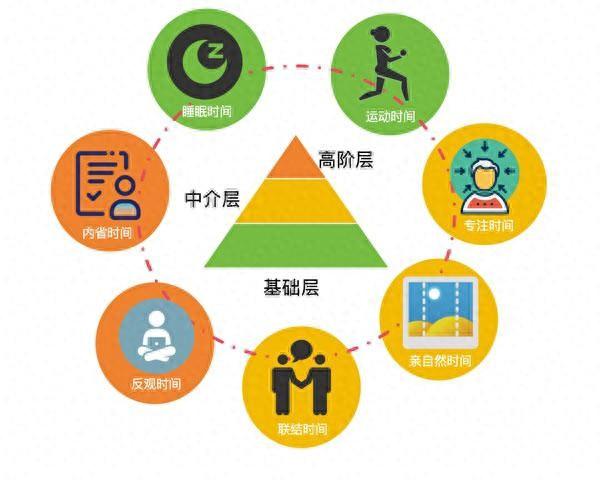
"七时间模型"的三层金字塔-循环心理生态图(睡眠时间、运动时间属于基础层,专注时间、亲自然时 间、联结时间属于中介层,反观时间、内省时间属于高阶层)。受访者供图 "你的一天24小时是如何度过的?是否充实、平和、愉快?" 在浙江大学医学院附属精神卫生中心的青少年心理健康诊疗(生活方式干预)门诊,浙江大学医学院附 属精神卫生中心党委书记、主任医师骆宏常常对前来就诊的青少年提出这个问题,并让他们通过"七时 间模型",完成自我觉察。 在试运行的半年里,约383个孩子走进这间诊室,他们大多在12-18岁之间,刚开始沟通时比较消极、被 动,不太愿意说话,在医生的帮助下慢慢打开自己。12月15日,青少年心理健康诊疗(生活方式干预) 门诊正式运行。 世界卫生组织和联合国儿童基金会的研究显示,全球10-19岁人群中有1/7存在心理健康问题困扰,4.4% 的10-14岁青少年和5.5%的15-19岁青少年患有焦虑症。在我国,儿童青少年心理健康问题也呈现出高检 出率和高增长率的特点。 如何早期识别并发现青少年的心理健康问题?中国科学院心理研究所发布的《中国国民心理健康发展报 告(2023-2024)》显示,在心理健康的影响因素方面 ...

多维剖析青少年心理健康问题,不要让成长中的“小疙瘩”长成“大心结”
Yang Shi Wang· 2025-12-17 07:33
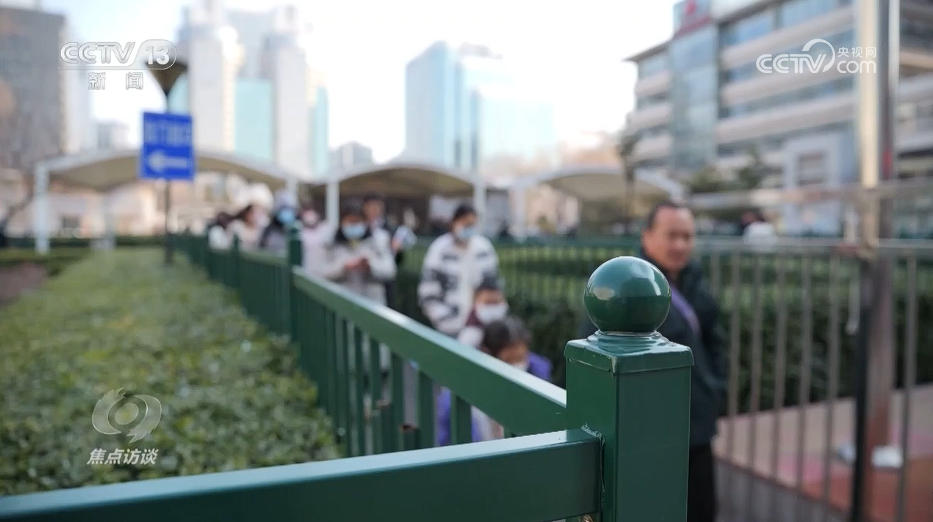
当然,并不是每个孩子都会遇到成长中的心理困扰。但一旦出现拒学、厌学或在同伴关系、自我认同、亲子关系上感到困惑就需要第 一时间关注并干预。这些成长的"小疙瘩",若能及早疏导大多都能顺利化解。但要是不管不问,时间久了就可能长成"大心结",变成 更严重的心理负担,影响孩子的长远发展。 央视网消息(焦点访谈):儿童青少年是初升的朝阳,是祖国的希望。他们的健康成长不仅牵动每个家庭的幸福,也关乎国家未来的 发展根基与社会的和谐稳定。然而,在成长的道路上,有些孩子遇到了心灵"迷雾",陷入心理困境。今天(12月16日),我们就来聚 焦这个和千万家庭息息相关的重要话题:在当下的成长环境中,孩子们究竟需要怎样的心理守护?教育部门、学校、家庭又该如何携 手并肩,凝聚合力,为他们筑起一道坚实又温暖的心理防线? 不久前,"拒绝上学门诊一号难求"的新闻受到很多人的关注。在一些大城市的三甲医院,专门为孩子开设的心理门诊前排起长队,有 的号源甚至要等上几个月。这一现象,折射出的是我国中小学生心理健康问题的严峻现实。 北京师范大学心理学部教授、博士生导师 教育部全国学生心理健康工作咨询委员会秘书长乔志宏:"拒学伴随着一定的情绪问题、心 理问题 ...
焦点访谈|多维剖析青少年心理健康问题,不要让成长中的“小疙瘩”长成“大心结”
Yang Shi Wang· 2025-12-16 13:40
央视网消息(焦点访谈):儿童青少年是初升的朝阳,是祖国的希望。他们的健康成长不仅牵动每个家庭的幸福,也关乎国家未来的 发展根基与社会的和谐稳定。然而,在成长的道路上,有些孩子遇到了心灵"迷雾",陷入心理困境。今天(12月16日),我们就来聚 焦这个和千万家庭息息相关的重要话题:在当下的成长环境中,孩子们究竟需要怎样的心理守护?教育部门、学校、家庭又该如何携 手并肩,凝聚合力,为他们筑起一道坚实又温暖的心理防线? 不久前,"拒绝上学门诊一号难求"的新闻受到很多人的关注。在一些大城市的三甲医院,专门为孩子开设的心理门诊前排起长队,有 的号源甚至要等上几个月。这一现象,折射出的是我国中小学生心理健康问题的严峻现实。 北京师范大学心理学部教授、博士生导师 教育部全国学生心理健康工作咨询委员会秘书长乔志宏:"拒学伴随着一定的情绪问题、心 理问题,对学校感到恐惧、厌恶、沮丧,也可能是感到无聊或者伤心,校园环境失去了吸引力。它是孩子在成长过程中暂时性无法应 对外部困难和挑战的一种退缩现象,是一种自我保护,把他从一个无法面对和无法应对的环境里面保护起来,所以它是一个复杂的信 号。" 当然,并不是每个孩子都会遇到成长中的心理困 ...
光,我们一起点亮
Ren Min Ri Bao· 2025-12-11 22:11
Core Insights - The book "To Have Light" by Liang Hong explores the mental health challenges faced by adolescents, highlighting the interconnectedness of family, education, and societal pressures [2][3] - It emphasizes the importance of understanding the emotional struggles of youth and the need for a supportive environment to foster their growth [3] Group 1: Adolescent Mental Health - Adolescents are identified as a high-risk group for mental health issues, often stemming from emotional detachment in their families and the competitive pressures of education [2] - The author uses various narrative techniques, including dialogues and diaries, to present the inner worlds of children, making the data relatable and emotionally resonant [2] Group 2: Educational and Familial Reflections - The book prompts reflection on parenting and educational practices, questioning the traditional metrics of success that may burden children [2] - It argues that education should focus on nurturing growth rather than competition, positioning the responsibility for children's well-being as a societal mission [3] Group 3: Sources of Hope - "Light" is depicted as coming from various sources, including dedicated teachers, supportive family members, and resilient children who strive to overcome their challenges [3] - The stories of recovery and resilience among children serve as a powerful reminder of the potential for growth and healing in the face of adversity [3]

当妈妈直言“看不起孩子”,这个家和孩子身上发生了什么?
Di Yi Cai Jing· 2025-11-28 02:20
Core Insights - The book "To Have Light" by Liang Hong explores the fundamental question of what love is and how to express it, particularly in the context of children suffering from emotional issues and school dropout [2][4] Group 1: Themes of Parental Influence - The narrative highlights that mothers can be a source of pain for their children, as seen in the case of a girl named Minmin, who faced physical abuse from her mother during a tumultuous period in their family [4][8] - Liang Hong reflects on her own experiences as a mother, revealing her internal conflicts and the emotional toll of trying to connect with her son amidst growing tensions [4][5] Group 2: Mental Health Statistics - Liang Hong's research indicates that 30% of depression patients are under 18, with 50% of these being school students, showcasing a concerning trend of increasing mental health issues among youth [6] - The prevalence of depression among adolescents is reported to be between 15% and 20%, indicating a significant public health concern that requires urgent attention [6] Group 3: Personal Stories and Experiences - The book includes personal accounts from various children, such as a girl named Yaya, who experienced severe anxiety and depression due to academic pressure, leading to a mental health crisis [7][10] - Another case involves a boy known as the "Flower Arm Boy," who faced abandonment and neglect, resulting in severe emotional and psychological issues [9] Group 4: Societal Reflections - Liang Hong's observations reveal a broader societal issue where parents often express disdain for their children when they struggle academically, reflecting a harsh reality in parental expectations [11] - The narrative emphasizes the need for a cultural shift in how parents perceive and interact with their children, suggesting that deep-seated beliefs and behaviors contribute to the ongoing cycle of emotional distress [11][12]
陕西省关心下一代心理健康关爱服务中心成立
Shan Xi Ri Bao· 2025-11-27 22:36
Core Points - The establishment of the Shaanxi Province Youth Mental Health Care Service Center aims to address the psychological needs of adolescents through various supportive measures [1][2] - The center will leverage the expertise of the provincial mental health center to foster collaboration among schools, families, society, and medical institutions [2] Group 1 - The center was jointly established by multiple provincial and municipal organizations, including the Shaanxi Provincial Committee for Caring for the Next Generation and the Provincial Mental Health Center [1] - A comprehensive survey was conducted involving 263,600 students, 97,300 parents, and 6,951 teachers to assess the mental health status of youth in the province [1] - The center plans to implement a pilot integrated mental health service model across four counties by the end of 2024, focusing on the role of the committee in youth mental health [1] Group 2 - The center will promote mental health education through the publication of a series of popular science books on children's and adolescents' mental health [1] - The initiative reflects a proactive approach to addressing the challenges faced by youth during their development [1][2]
特写:为青少年减忧的“王妈聊天室”
Zhong Guo Xin Wen Wang· 2025-11-26 11:15
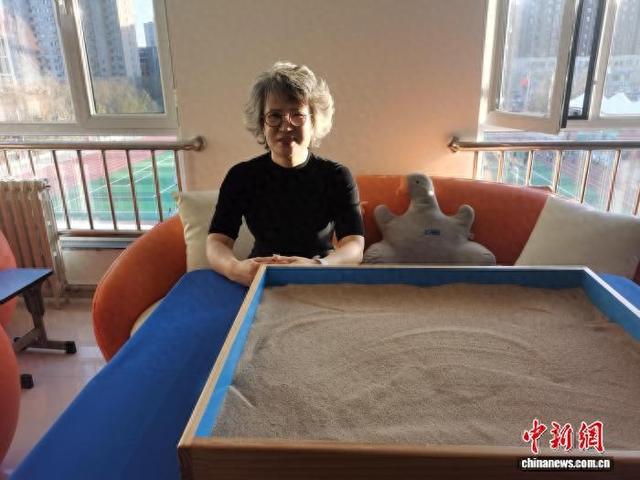
Core Viewpoint - The article highlights the efforts of Wang Caixia, known as "Wang Ma," in addressing the psychological issues faced by adolescents in Ordos City, Inner Mongolia, through her initiative called "Wang Ma Chat Room" [1][3][4]. Group 1: Background and Motivation - Wang Caixia, a 48-year-old former elementary school teacher, started her journey in psychological counseling after realizing her daughter was struggling with emotional issues during her transition to middle school [3][4]. - The initial motivation for Wang to engage in psychological education was to mend her relationship with her daughter, which led her to study psychology and family education [4][6]. Group 2: Chat Room Activities - The "Wang Ma Chat Room" is designed to create a comfortable environment for troubled adolescents, utilizing various games and activities to help them express their feelings [4][6]. - Wang has developed multiple supportive tools and games, such as sand play, to facilitate emotional release and communication among the youth [4][6]. Group 3: Community Impact - Wang's efforts have gained recognition, leading to the establishment of the Yijinhuoluo Banner Education Training Center in collaboration with local organizations, promoting family education and psychological support [6][8]. - Many adolescents have expressed gratitude towards Wang for her support, indicating a positive impact on their mental well-being and emotional recovery [6][8].
基于生态系统理论构建“休学—复学”全链条支持体系
Xin Hua Wang· 2025-11-19 03:20
Group 1 - The phenomenon of students taking leave from school due to mental health issues has shifted from an individual occurrence to a widespread issue, with 14.8% of adolescents showing varying degrees of depression risk and 4.0% at severe risk according to a survey of over 30,000 youths [2] - Among adolescents with depression or mental disorders, 53.85% have experienced school leave, with an average of 1.71 times, and the average age for the first leave is 13.74 years [2] - The current system lacks a comprehensive support mechanism for students transitioning from leave to return, highlighting the urgent need for a closed-loop mechanism from diagnosis to support [2][3] Group 2 - The challenges behind school leave include difficulties in treatment due to mental health issues, weakened family functions, lack of school support, and deficiencies in institutional collaboration [3] - Families often go through a cycle of denial, anxiety, and pressure regarding their child's mental health, which can exacerbate the child's psychological stress [3] - Schools face challenges such as the absence of clear evaluation processes for returning students and insufficient psychological support resources, leading to a focus on academic recovery rather than emotional and social adaptation [3][4] Group 3 - There is a lack of coordination between medical, educational, and social service systems, which hampers effective support for adolescents [4] - The absence of timely information sharing between hospitals and schools can obstruct appropriate recovery arrangements for students [4] - The current situation reflects a failure in the collaborative mechanisms among family, school, and social governance, necessitating a cross-departmental cooperation framework [4] Group 4 - The ecological systems theory provides a structured framework for understanding the interconnectedness of various support systems for students [5] - Recovery support should focus not only on whether the student has recovered but also on the collaboration among different systems [5] - The process of returning to school should be viewed as a collective responsibility rather than an individual burden [5][6] Group 5 - A comprehensive support system is needed to transition from reactive measures to systematic governance, focusing on policy support, mechanism collaboration, and family involvement [6] - Policies should expand the number of dedicated psychological health teachers in schools and ensure that students with mental health issues receive appropriate educational rights during their leave [6][7] - Schools should establish a "return support group" to regularly assess and adjust support for students returning from leave [7] Group 6 - Community platforms can implement low-threshold intervention projects to assist students in their transition from leave to return [7][8] - Parents should be educated to avoid hasty decisions regarding their child's return to school, and support systems should be established to help them recognize mental health signals [8] - A mutual support platform for families of students on leave can help alleviate feelings of isolation and provide emotional support [8] Group 7 - The issue of school leave reflects the serious state of adolescent mental health and the shortcomings of the current educational system in addressing these challenges [9] - School leave should not be labeled as a failure but rather as a critical transitional period for recovery and skill rebuilding [9] - A three-dimensional support system encompassing policy, mechanism, and family involvement is essential for effective transition from leave to return [9]
初中生抑郁沉迷游戏,妈妈的应对之策
Jing Ji Guan Cha Bao· 2025-11-19 01:36
Core Insights - The article discusses the complex reasons behind children's depression and gaming addiction, particularly among middle school students during their developmental phase [1] - It emphasizes the importance of communication, family environment, and structured routines in addressing these issues [2][3][4][5][6][7] Group 1: Understanding the Problem - Children may experience depression and gaming addiction due to academic pressure, social challenges, and feelings of helplessness [1] - The allure of gaming, with its competitive nature and reward systems, can lead to escapism from real-life challenges [1] - Family dynamics, such as parental relationships and parenting styles, significantly impact children's emotional well-being [1] Group 2: Communication Strategies - Effective communication is crucial; parents should approach discussions with empathy and understanding, avoiding criticism [2] - Parents should listen actively to their children's feelings and share their own experiences to foster trust [2] Group 3: Family Environment - A warm and harmonious family atmosphere is essential for recovery; parents should model positive behavior and avoid conflicts in front of children [3] - Establishing family routines and engaging in activities together can enhance family bonds and reduce gaming dependency [3] Group 4: Routine and Structure - Parents should help children create a balanced daily schedule to improve their sleep patterns and overall health [4][5] - Encouragement and supervision are necessary to help children adhere to their routines without feeling criticized [5] Group 5: Balancing Gaming and Learning - Parents should guide children to view gaming as a part of life, not the entirety, and help them find a balance between gaming and academic responsibilities [6] - Setting specific gaming times as rewards for completing schoolwork can motivate children to engage in both activities [6] Group 6: Seeking Professional Help - If a child's depression is severe, parents should seek professional assistance, including psychological evaluation and support from teachers [7] - Community resources and activities focused on youth mental health can also aid in the child's recovery [7]
做“难而正确的事”
Ren Min Ri Bao· 2025-11-05 22:11
Core Viewpoint - The film "Blooming Towards the Light" addresses the serious issue of youth mental health, particularly depression, and aims to raise awareness and understanding of this topic through storytelling [2][4]. Group 1: Film Development - The project began in 2021 after the director was inspired by a report on a "pro-life" advocate, leading to a collaboration with the subject, Xu Shihai, to adapt his experiences into a film [2]. - The script development took three years, involving collaboration with various writers and extensive research into real-life cases of youth mental health struggles [3][4]. Group 2: Financing and Support - The director actively sought funding for the film, facing skepticism from potential investors regarding market risks, but ultimately decided to self-fund the project with support from Mango TV [3]. Group 3: Artistic Approach - The film's style is characterized by restraint, simplicity, and authenticity, aiming to explore the psychological challenges faced by youth in today's digital environment [4]. - The director emphasizes the importance of portraying the inner struggles of young people and the impact on their families, advocating for a deeper understanding of mental health issues [4]. Group 4: Social Responsibility - The film serves as a call to action for society to support and understand the mental health of children and adolescents, highlighting the urgency of this issue [4][5].