
全球治理倡议

Search documents
新华时评丨为全球治理体系变革凝聚南方共识
Xin Hua She· 2025-11-23 14:38
Group 1 - The G20 summit held in Johannesburg marks the first time the event is hosted on the African continent, reflecting the collective desire of global South countries to express development demands and play a greater role in global governance reform [1] - The G20 members account for approximately 85% of the global economy and represent two-thirds of the world's population, making it a key platform for global economic governance [1] - The summit's declaration emphasizes the need for multilateral cooperation to address global challenges and calls for increased support for developing countries to promote inclusive growth and sustainable development [1] Group 2 - The current international situation is characterized by rising unilateralism, protectionism, and geopolitical tensions, leading to sluggish global economic growth and an expanding development gap [2] - A report released before the summit highlights significant disparities between the global North and South in wealth, trade, resources, and education, warning that global prosperity cannot be built on the foundation of increasing poverty for the poor and wealth for the rich [2] - The Johannesburg summit, themed "Unity, Equality, and Sustainability," is particularly important as the global South accelerates its awakening, transitioning from passive participants in international rules to key shapers of global governance [2] Group 3 - As a major G20 member and the largest developing country, China is committed to promoting unity and revitalization among the global South [3] - China's global governance initiative, proposed in September, emphasizes principles such as sovereign equality, adherence to international law, and a focus on people-centered, action-oriented approaches, gaining broad international recognition [3] - The deepening cooperation between China and Africa aims to enhance the autonomous development capabilities of African countries and elevate the importance of the African development agenda in the international community [3]
新华时评:为全球治理体系变革凝聚南方共识
Xin Hua She· 2025-11-23 11:10
Group 1 - The G20 summit, held for the first time in Africa, emphasizes the collective desire of global South countries to express development demands and play a greater role in global governance reform [1] - The summit's declaration stresses the importance of multilateral cooperation to address global challenges and calls for increased support for developing countries to promote inclusive growth and sustainable development [1] - South African President Ramaphosa highlighted the need for the G20 agenda to reflect the development priorities of the global South and Africa, which is crucial for global stability, resource pressure alleviation, and conflict risk reduction [1] Group 2 - The current international situation is characterized by unilateralism, protectionism, and geopolitical tensions, leading to sluggish global economic growth and widening development gaps [2] - A report released before the summit revealed alarming disparities in wealth, trade, resources, and education between the global North and South, indicating that global prosperity cannot be built on the foundation of increasing poverty for the poor and wealth for the rich [2] - The Johannesburg summit, themed "Unity, Equality, Sustainability," is particularly significant as the global South accelerates its awakening and transitions from passive participants to key shapers of global governance [2] Group 3 - As a major G20 member and the largest developing country, China is committed to promoting unity and revitalization among global South countries [3] - China's global governance initiative, proposed in September, emphasizes sovereign equality, adherence to international law, multilateralism, and a people-centered approach, gaining broad international recognition [3] - The deepening of China-Africa cooperation focuses on enhancing the autonomous development capabilities of African countries and increasing the international community's attention to the African development agenda [3]
王毅表态:3个绝不允许
Zhong Guo Ji Jin Bao· 2025-11-23 09:06
Core Points - The first strategic dialogue between China and Tajikistan was held, focusing on deepening mutual cooperation and implementing the consensus reached by the leaders of both countries [1][4] - China aims to enhance the comprehensive strategic partnership with Tajikistan, emphasizing high-quality development and the Belt and Road Initiative [1][2] Group 1: Strategic Cooperation - Both countries agreed to establish a strategic dialogue mechanism to strengthen communication and mutual trust in response to new challenges and risks [2][3] - China expressed unwavering support for Tajikistan's development path and national security measures, opposing external interference in Tajikistan's internal affairs [2][4] Group 2: Economic and Cultural Collaboration - The dialogue emphasized the need to enhance economic and trade cooperation, including increasing imports of high-quality Tajik agricultural products and encouraging Chinese investments in Tajikistan [3][4] - Cultural exchanges will be promoted through institutions like Confucius Institutes and health initiatives, aiming to strengthen people-to-people ties [3][4] Group 3: Security and Multilateral Cooperation - Both nations committed to strengthening security cooperation to address various risks and challenges, including terrorism [3][5] - China supports Tajikistan's greater role in international platforms and collaboration within organizations like the Shanghai Cooperation Organization [3][5]
王毅表态:3个绝不允许
中国基金报· 2025-11-23 09:00
Core Viewpoint - The strategic dialogue between China and Tajikistan aims to deepen mutual cooperation and implement the consensus reached by the leaders of both countries, marking a new phase in their bilateral relations [2][4]. Group 1: Strategic Cooperation - China and Tajikistan are described as good friends and partners, with their relationship continuously improving under the strategic guidance of their leaders [4]. - The two countries have held two meetings this year, which have led to new deployments for bilateral relations [4]. - China expresses its commitment to support Tajikistan's development path that aligns with its national conditions and to oppose any external interference in Tajikistan's internal affairs [6][8]. Group 2: Economic and Trade Relations - Both parties aim to enhance the scale of economic and trade cooperation, utilizing platforms like the China-Tajikistan intergovernmental economic cooperation committee [7]. - China is willing to increase imports of high-quality agricultural products from Tajikistan and encourage Chinese enterprises to invest in Tajikistan [7]. Group 3: Cultural and Human Exchange - The two countries plan to enhance cultural exchanges through institutions like Confucius Institutes and health initiatives, aiming to boost local cooperation and friendship [7]. Group 4: Security Collaboration - China and Tajikistan recognize their shared security interests and aim to jointly address various risks and challenges, including terrorism [8]. Group 5: Multilateral Cooperation - China supports Tajikistan's greater role in international platforms like the United Nations and aims to strengthen collaboration within the Shanghai Cooperation Organization and China-Central Asia mechanisms [8].

王毅:日本现职领导人竟然公开发出试图武力介入台湾问题的错误信号,讲了不该讲的话,越了不应碰的红线,中方必须予以坚决回击!
Zhong Guo Ji Jin Bao· 2025-11-23 08:22
(原标题:王毅:日本现职领导人竟然公开发出试图武力介入台湾问题的错误信号,讲了不该讲的话, 越了不应碰的红线,中方必须予以坚决回击!) 来源:外交部网站 11月23日,外交部网站发布《王毅在结束对中亚三国访问后接受中国媒体采访》,全文如下: 三、近年来,中国—中亚机制快速发展,请介绍一下合作的主要进展。 王毅:5年前,中国同中亚五国着眼合作需要,顺应时代潮流,共同创立了中国—中亚机制。2023年, 中国—中亚机制升级至元首层级后,先后在中国西安和哈萨克斯坦阿斯塔纳两度成功举行峰会,机制建 设的四梁八柱迅速成型,13个部级合作平台有效运作,机制常设秘书处全面运营,正在呈现出元首引 领、政府推动、各界参与、多轨并行、全面推进的立体多元合作格局。 中国同中亚贸易水平不断攀升,已成为中亚最大贸易伙伴。今年前三季度,中国同中亚五国双边贸易额 接近800亿美元、同比增长15.6%,全年有望突破1000亿美元大关。双方贸易结构正在不断优化,越来 越多的中亚优质产品进入中国市场。 中国同中亚投资规模也在持续扩大。中国成为中亚国家主要投资来源国。截至目前,中国对中亚国家投 资累计超过500亿美元,农业、能源、基础设施等传统领域 ...
王毅:日本现职领导人竟然公开发出试图武力介入台湾问题的错误信号,讲了不该讲的话,越了不应碰的红线,中方必须予以坚决回击!
中国基金报· 2025-11-23 07:44
来源:外交部网站 11月23日,外交部网站 发布《 王毅在结束对中亚三国访问后接受中国媒体采访》,全文如下: 2025年11月19日至22日,中共中央政治局委员、外交部长王毅应邀赴吉尔吉斯斯坦、乌兹别克 斯坦、塔吉克斯坦举行外长战略对话,并同三国领导人友好交流。访问结束后,王毅接受中国媒 体采访。 王毅:5年前,中国同中亚五国着眼合作需要,顺应时代潮流,共同创立了中国—中亚机制。 2023年,中国—中亚机制升级至元首层级后,先后在中国西安和哈萨克斯坦阿斯塔纳两度成功 举行峰会,机制建设的四梁八柱迅速成型,13个部级合作平台有效运作,机制常设秘书处全面运 营,正在呈现出元首引领、政府推动、各界参与、多轨并行、全面推进的立体多元合作格局。 中国同中亚贸易水平不断攀升,已成为中亚最大贸易伙伴。今年前三季度,中国同中亚五国双边 贸易额接近800亿美元、同比增长15.6%,全年有望突破1000亿美元大关。双方贸易结构正在不 断优化,越来越多的中亚优质产品进入中国市场。 中国同中亚投资规模也在持续扩大。中国成为中亚国家主要投资来源国。截至目前,中国对中亚 国家投资累计超过500亿美元,农业、能源、基础设施等传统领域持续巩 ...
王毅表态:3个绝不允许
第一财经· 2025-11-23 05:43
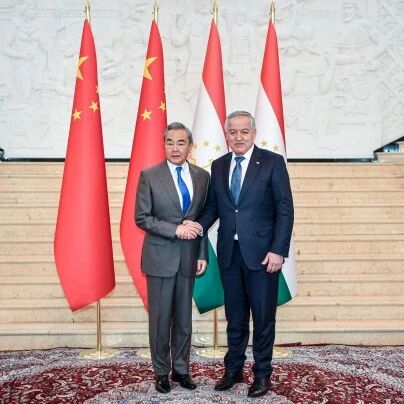
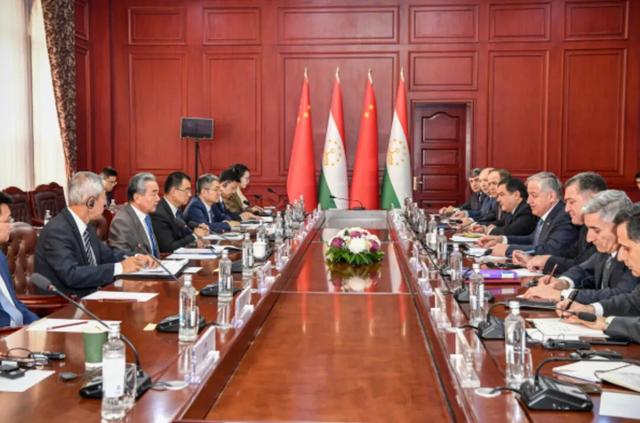
2025.11. 23 本文字数:1694,阅读时长大约3分钟 据外交部网站消息,当地时间11月22日,中共中央政治局委员、外交部长王毅在杜尚别同塔吉克斯坦 外长穆赫里丁举行首次战略对话。双方就落实两国元首共识、深化互利合作进行深入沟通,达成广泛共 识,共同启动两国外长战略对话机制。 王毅表示,中国和塔吉克斯坦是山水相连的好朋友、好伙伴。在习近平主席和拉赫蒙总统战略引领下, 中塔关系不断迈上新台阶。两国元首今年两度会晤,为双边关系发展作出新的部署。中方愿同塔方以元 首共识为遵循,从战略高度看待和发展双边关系,赓续世代友好,高质量共建"一带一路",推动中塔新 时代全面战略合作伙伴关系取得新进展。 王毅介绍了中共二十届四中全会有关情况,表示科学制定和接续实施五年规划,是中国共产党治国理政 的重要经验,也是中国特色社会主义的重要政治优势。越来越多国家认同中国的治理模式,希望加强经 验交流。中方有信心如期实现第二个百年目标,中国的高质量发展和高水平开放也将为塔方和各国带来 发展新机遇,开辟合作新前景。面对变乱交织的国际形势,双方启动战略对话机制正当其时,有利于加 强战略沟通,夯实战略互信,共同应对新挑战新风险,维护国 ...
王毅:中方绝不允许日本右翼势力开历史倒车,绝不允许外部势力染指中国台湾地区,绝不允许日本军国主义死灰复燃
Bei Jing Qing Nian Bao· 2025-11-23 05:20
Core Points - The strategic dialogue between China and Tajikistan aims to deepen mutual cooperation and implement the consensus reached by their leaders [1][3] - Both countries emphasize the importance of high-quality development and strategic partnership in the context of global challenges [3][5] Group 1: Strategic Cooperation - The dialogue mechanism between the foreign ministers of China and Tajikistan has been officially launched to enhance strategic communication and mutual trust [1][3] - China expresses its commitment to support Tajikistan's development path and national security measures, opposing external interference in Tajikistan's internal affairs [3][5] Group 2: Economic and Trade Relations - Both parties aim to increase the scale of economic and trade cooperation, with China willing to import high-quality agricultural products from Tajikistan and encourage Chinese enterprises to invest in Tajikistan [4][5] - The focus will also be on enhancing connectivity and cooperation in mineral resource development, as well as implementing key investment cooperation documents [4] Group 3: Cultural and Human Exchange - The two countries plan to enhance cultural exchanges through institutions like Confucius Institutes and health initiatives, aiming to boost local cooperation and friendship [4][5] Group 4: Security Collaboration - China and Tajikistan recognize their strategic partnership in security and aim to jointly address various risks and challenges, including terrorism [5] Group 5: Multilateral Cooperation - China supports Tajikistan's role in international platforms like the United Nations and aims to strengthen collaboration within the Shanghai Cooperation Organization [5][7]
中华人民共和国和塔吉克斯坦共和国外交部长首次战略对话联合声明
Xin Hua She· 2025-11-22 13:32
Core Points - The first strategic dialogue between the foreign ministers of China and Tajikistan was held, emphasizing the stable development of the comprehensive strategic partnership between the two countries under the leadership of their heads of state [1][2] - Both sides expressed satisfaction with the past decade of high-level exchanges and cooperation mechanisms, laying a solid foundation for efficient development of China-Tajikistan cooperation [2] - The dialogue highlighted mutual support on core issues of national sovereignty, security, and territorial integrity, with Tajikistan reaffirming its support for the One China principle [2][3] Group 1 - Both parties agreed to deepen cooperation in various fields, including green mining, and to enhance the role of the intergovernmental economic and trade cooperation committee [3][4] - The two countries will continue to promote the Belt and Road Initiative and align it with Tajikistan's national development strategy before 2030 [3][4] - There is a commitment to strengthen collaboration in security and border control, focusing on combating terrorism, drug trafficking, and organized crime [4] Group 2 - Both sides expressed a desire to maintain close communication and cooperation within international frameworks such as the United Nations and the Shanghai Cooperation Organization [4] - The dialogue established a new high-level platform for discussing priority areas of cooperation and addressing international and regional issues of mutual concern [4]
塔吉克斯坦总统拉赫蒙会见王毅
Xin Lang Cai Jing· 2025-11-22 11:32
王毅介绍了中共二十届四中全会情况,表示中国高质量发展和高水平开放将为塔方和各国带来更多发展 机遇、更广合作前景。 11月22日,塔吉克斯坦总统拉赫蒙在杜尚别会见中共中央政治局委员、外交部长王毅。 拉赫蒙请王毅转达对习近平主席最亲切的问候,表示中国是塔友好邻邦和亲密伙伴,塔方始终将发展对 华关系视为最优先方向。近年来,塔中全面战略合作伙伴关系快速发展。中国已成为塔方最大贸易伙伴 和最大投资来源国,塔方对两国关系前景充满信心。塔方坚定奉行一个中国原则。中方在国际事务中发 挥着日益重要的引领作用。习近平主席提出的全球治理倡议意义重大,将为优化世界政治经济秩序奠定 基础,塔方积极予以支持响应,愿同中方共同落实四大全球倡议,加强在联合国、上海合作组织、中国 -中亚机制的协调合作,维护双方共同利益和国际公平正义。 王毅转达习近平主席对拉赫蒙总统的诚挚问候,表示两国元首保持密切交往和战略沟通,建立了牢固互 信和深厚友谊,双方就构建中塔命运共同体的目标达成重要共识,共同引领两国关系驶入快车道。中国 是塔方最可信赖的伙伴、最可依靠的朋友,愿共同落实好两国元首共识,推动中塔新时代全面战略合作 伙伴关系走深走实。 王毅表示,中方愿 ...