
全球治理体系变革

Search documents
国际观察丨“世界不会再等美国”——两场国际会议折射一个共同趋势
Xin Hua She· 2025-11-26 01:49
Core Insights - The absence of the United States at two significant international meetings reflects a shift in global dynamics, with countries moving towards multilateral cooperation despite U.S. interference [1][2][11] - The G20 summit and COP30 conference resulted in important agreements emphasizing global cooperation and the need for inclusive growth, showcasing the increasing role of Global South countries in international governance [6][9][10] Group 1: U.S. Absence and Its Implications - The U.S. did not attend the G20 summit and COP30, which allowed for greater consensus-building among other nations [3][5] - The absence of the U.S. is seen as a manifestation of its unilateralism, with experts noting that it has created more space for other countries to form agreements without U.S. influence [5][6] - The lack of U.S. representation at these meetings indicates a decline in its credibility and influence in global governance [6][9] Group 2: Achievements of the Meetings - COP30 adopted significant political documents addressing climate change mitigation, adaptation, and financing, marking the first inclusion of trade issues in its outcomes [6][7] - The G20 summit successfully issued a joint declaration despite U.S. pressure against it, highlighting a collective commitment to multilateralism [7][9] - Both meetings demonstrated the Global South's growing confidence and capability in shaping global governance agendas, moving from passive participants to active contributors [9][10] Group 3: Future of Global Governance - The events signal a broader trend towards a multipolar world where international agendas do not rely solely on major powers like the U.S. [11][13] - Global South countries are increasingly taking on responsibilities in global governance, advocating for sustainable and inclusive development models [10][13] - The outcomes of these meetings suggest a significant shift in the political and economic landscape, with a clear message that the world will continue to progress regardless of U.S. participation [11][13]

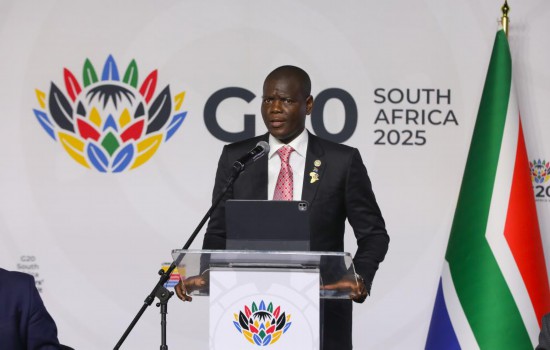
新华时评|为全球治理体系变革凝聚南方共识
Xin Hua She· 2025-11-24 00:09
Group 1 - The G20 summit in Johannesburg marks the first time the event is held on the African continent, reflecting the collective desire of global South countries to express development demands and play a greater role in global governance reform [1] - The G20 members account for approximately 85% of the global economy and represent two-thirds of the world's population, making it a key platform for global economic governance [1] - The summit's declaration emphasizes the need for multilateral cooperation to address global challenges and calls for increased support for developing countries to promote inclusive growth and sustainable development [1] Group 2 - The current international landscape is characterized by rising unilateralism, protectionism, and geopolitical tensions, leading to sluggish global economic growth and widening development gaps [2] - A report released before the summit highlights alarming disparities between the global North and South in wealth, trade, resources, and education, warning that global prosperity cannot be built on the foundation of increasing poverty for the poor and wealth for the rich [2] - The Johannesburg summit, themed "Unity, Equality, Sustainability," is particularly significant as the global South accelerates its awakening, transitioning from passive participants in international rules to important shapers of global governance [2] Group 3 - As a major G20 member and the largest developing country, China is committed to promoting unity and revitalization among the global South [3] - China's global governance initiative, proposed in September, emphasizes principles such as sovereign equality, adherence to international law, multilateralism, and a people-centered approach, gaining broad international recognition [3] - The deepening cooperation between China and Africa focuses on enhancing the autonomous development capabilities of African countries and increasing the international community's attention to the African development agenda [3]
五十五载相知相守 中国埃塞共赴新程(大使随笔)
Ren Min Ri Bao· 2025-11-23 22:17
Core Points - The 55th anniversary of diplomatic relations between China and Ethiopia highlights the evolution from "comprehensive cooperative partners" to "all-weather strategic partners," showcasing China's commitment to genuine cooperation with Africa [1] - Political mutual trust between China and Ethiopia continues to deepen, with significant meetings and support for each other's core interests, including Ethiopia's recent accession to the BRICS group [1][2] - Practical cooperation between the two countries is expanding across various sectors, including infrastructure, trade, and digital economy, with initiatives like zero-tariff policies and joint energy projects [2] - Cultural exchanges are increasingly close, with educational programs and medical assistance fostering mutual understanding and goodwill between the peoples of China and Ethiopia [3] - The recent Fourth Plenary Session of the 20th Central Committee of the Communist Party of China has garnered attention in Ethiopia, with expectations for enhanced strategic cooperation [4] Group 1: Political Relations - The relationship has evolved significantly over 55 years, reflecting a commitment to mutual support and shared development goals [1] - Ethiopia's participation in the BRICS group is seen as a new impetus for deepening bilateral relations [1] Group 2: Economic Cooperation - China has implemented zero-tariff measures for Ethiopian products, facilitating exports such as coffee and flowers [2] - Infrastructure projects like the Addis Ababa-Djibouti Railway and new airport constructions are enhancing connectivity [2] - Joint initiatives in green development and digital economy are underway, including a natural gas project aimed at reducing energy import dependence [2] Group 3: Cultural Exchange - The establishment of the Confucius Institute and various training programs are fostering language skills and vocational training in Ethiopia [3] - Cultural events and media exchanges are promoting mutual understanding and appreciation [3] - The upcoming "China-Africa Cultural Exchange Year" in 2026 aims to further strengthen people-to-people ties [3]
新华时评丨为全球治理体系变革凝聚南方共识
Xin Hua She· 2025-11-23 14:38
Group 1 - The G20 summit held in Johannesburg marks the first time the event is hosted on the African continent, reflecting the collective desire of global South countries to express development demands and play a greater role in global governance reform [1] - The G20 members account for approximately 85% of the global economy and represent two-thirds of the world's population, making it a key platform for global economic governance [1] - The summit's declaration emphasizes the need for multilateral cooperation to address global challenges and calls for increased support for developing countries to promote inclusive growth and sustainable development [1] Group 2 - The current international situation is characterized by rising unilateralism, protectionism, and geopolitical tensions, leading to sluggish global economic growth and an expanding development gap [2] - A report released before the summit highlights significant disparities between the global North and South in wealth, trade, resources, and education, warning that global prosperity cannot be built on the foundation of increasing poverty for the poor and wealth for the rich [2] - The Johannesburg summit, themed "Unity, Equality, and Sustainability," is particularly important as the global South accelerates its awakening, transitioning from passive participants in international rules to key shapers of global governance [2] Group 3 - As a major G20 member and the largest developing country, China is committed to promoting unity and revitalization among the global South [3] - China's global governance initiative, proposed in September, emphasizes principles such as sovereign equality, adherence to international law, and a focus on people-centered, action-oriented approaches, gaining broad international recognition [3] - The deepening cooperation between China and Africa aims to enhance the autonomous development capabilities of African countries and elevate the importance of the African development agenda in the international community [3]
新华时评:为全球治理体系变革凝聚南方共识
Xin Hua She· 2025-11-23 11:10
Group 1 - The G20 summit, held for the first time in Africa, emphasizes the collective desire of global South countries to express development demands and play a greater role in global governance reform [1] - The summit's declaration stresses the importance of multilateral cooperation to address global challenges and calls for increased support for developing countries to promote inclusive growth and sustainable development [1] - South African President Ramaphosa highlighted the need for the G20 agenda to reflect the development priorities of the global South and Africa, which is crucial for global stability, resource pressure alleviation, and conflict risk reduction [1] Group 2 - The current international situation is characterized by unilateralism, protectionism, and geopolitical tensions, leading to sluggish global economic growth and widening development gaps [2] - A report released before the summit revealed alarming disparities in wealth, trade, resources, and education between the global North and South, indicating that global prosperity cannot be built on the foundation of increasing poverty for the poor and wealth for the rich [2] - The Johannesburg summit, themed "Unity, Equality, Sustainability," is particularly significant as the global South accelerates its awakening and transitions from passive participants to key shapers of global governance [2] Group 3 - As a major G20 member and the largest developing country, China is committed to promoting unity and revitalization among global South countries [3] - China's global governance initiative, proposed in September, emphasizes sovereign equality, adherence to international law, multilateralism, and a people-centered approach, gaining broad international recognition [3] - The deepening of China-Africa cooperation focuses on enhancing the autonomous development capabilities of African countries and increasing the international community's attention to the African development agenda [3]
“全球南方”媒体智库高端论坛中非伙伴大会即将召开
Xin Hua She· 2025-11-12 23:37
Core Points - The "Global South" media think tank high-end forum, the China-Africa Partnership Conference, will be held in Johannesburg, South Africa on November 13-14, focusing on the theme of "Reforming the Global Governance System: New Roles and Missions of China-Africa Cooperation" [1] - Over 200 representatives from mainstream media, think tanks, government departments, and the African Union from China and 41 African countries will participate in extensive discussions [1] - Key topics include "China-Africa Responsibilities in Global Governance Reform," "China-Africa Actions in Global South Revitalization," and "China-Africa Integration in Global Civilizational Coexistence" [1] Summary by Categories - **Event Details** - The forum will feature over 160 media and think tank representatives from China and 41 African countries [1] - It is co-hosted by Xinhua News Agency and the African Union [1] - **Discussion Topics** - In-depth discussions will cover three main areas: global governance reform, revitalization of the Global South, and cultural integration [1] - Activities include a cultural exchange meeting titled "Xiangyue Africa" [1] - **Reports and Initiatives** - A think tank report titled "Building a New Type of Global Leadership: Joint Actions Towards a More Just and Reasonable Global Governance System" will be released during the forum [1] - The launch of the Global South Media Think Tank Cooperation Communication Partnership Network and the "2026 China-Africa Partnership Empowerment Action Plan" will also take place [1] - **Goals and Expectations** - The forum aims to deepen cooperation between media and think tanks, promoting the narrative of a new era of the all-weather China-Africa community of shared destiny [1] - It seeks to contribute wisdom for the Global South to become a stabilizing force for peace, a backbone for open development, a builder of global governance, and a promoter of civilizational exchange [1]
坚定捍卫国际公平正义
Xin Hua Wang· 2025-09-08 01:01
Group 1 - The core message emphasizes the importance of upholding international fairness and justice, highlighting China's commitment to collaborate with others in this endeavor [1][2][3] - The historical context of the Chinese people's contributions to the victory in the World Anti-Fascist War is underscored, along with the necessity to defend the truth of history and the outcomes of the war [2][3] - The call for reforming and improving the global governance system is presented as a fundamental basis for defending international fairness and justice, advocating for a multilateral approach to global challenges [3][4] Group 2 - The significance of the United Nations and its role in maintaining global stability and prosperity is reiterated, emphasizing the need to uphold its authority and principles [2][3] - The concept of building a community with a shared future for mankind is introduced, aiming to address global deficits in peace, development, security, and governance [3] - The message concludes with a strong affirmation of justice, peace, and the collective strength of people, promoting cooperation among nations for a better future [4]
新华社评论员:坚定捍卫国际公平正义——学习贯彻习近平总书记纪念中国人民抗日战争暨世界反法西斯战争胜利80周年系列重要讲话之三
Xin Hua Wang· 2025-09-08 00:13
Group 1 - The core message emphasizes the importance of upholding international fairness and justice, highlighting China's commitment to collaborate with others in this endeavor [1][2][3] - The historical context of the Chinese people's contributions to the victory in the World Anti-Fascist War is underscored, along with the necessity to remember and protect historical truths [2][3] - The call for reforming and improving the global governance system is presented as a fundamental basis for defending international fairness and justice, advocating for a multilateral approach to global challenges [3][4] Group 2 - The significance of the United Nations as a central pillar of international stability and prosperity is reiterated, emphasizing the need to maintain its authority and the principles of international law [2][3] - The notion of building a community with a shared future for mankind is introduced, aiming to address global deficits in peace, development, security, and governance [3][4] - The message concludes with a strong affirmation of justice, peace, and the collective strength of people, advocating for cooperation among nations to foster a better future [4]
美欧韩日泰想不到!中国前脚刚办完国际盛会,后脚重磅关税清单就已杀到
Sou Hu Cai Jing· 2025-09-05 06:04
Group 1: International Relations - The current international landscape is undergoing profound changes, with major power competition becoming increasingly complex, moving beyond mere economic strength or diplomatic clout to more refined strategic layouts [1] - Beijing is increasingly becoming the center of global diplomacy, highlighted by a significant international event commemorating the victory in the World Anti-Fascist War, attended by leaders from over twenty countries, including North Korea and Russia [3] - The participation of Southeast Asian leaders at the event counters claims of China's isolation, showcasing its core influence in regional affairs [3] Group 2: Economic Policies - China's Ministry of Commerce has announced anti-dumping measures on imported phenol products, which are crucial raw materials for various key industries, indicating a significant impact on national economic security [4] - The anti-dumping measures target major economies, including the US, EU, Japan, and South Korea, with some tariffs exceeding 100% and a duration of five years, reflecting a response to years of investigation revealing the adverse effects of low-priced imports on domestic industries [4] - Despite implementing protective measures, China remains open to dialogue and negotiation, demonstrating a policy approach that is both firm and flexible in the context of rising global trade protectionism [4] Group 3: Strategic Approach - China's recent combination of diplomatic and economic strategies showcases advanced strategic art, achieving a synergistic effect between soft and hard power [5] - The timing of major diplomatic events and key economic policies has provided moral support for economic measures while enhancing diplomatic credibility, indicating a departure from traditional zero-sum thinking [5] - Looking ahead, China aims to continue employing innovative strategic thinking to navigate complex international situations, contributing to a more just and reasonable global order [5]
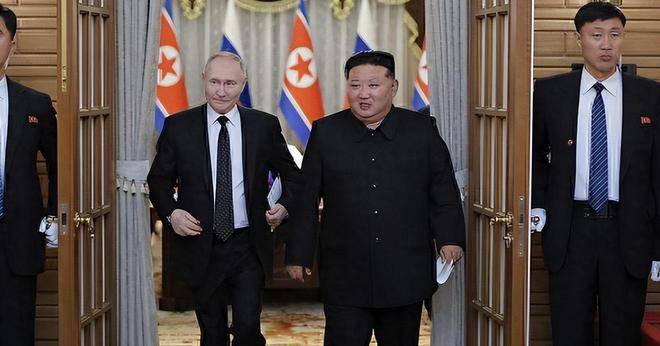
习近平:弘扬正确二战史观 坚定维护二战胜利成果
Xin Hua She· 2025-09-01 08:40
Core Viewpoint - China expresses willingness to collaborate with all parties to uphold the correct view of World War II history and to firmly maintain the achievements of the victory in World War II [1] Group 1 - China aims to promote global governance system reform and enhance the construction of a community with a shared future for mankind, ensuring that the benefits reach all of humanity [1]